
Nighttime often brings a familiar urge: the sudden desire for something salty—potato chips, pretzels, salted nuts, or even pickles. You're not alone. Millions experience this pattern regularly, and while it may seem like a simple lack of willpower, the roots run much deeper. From hormonal fluctuations to lifestyle habits, multiple factors converge after dark to make salty foods especially tempting. Understanding the biological and behavioral triggers behind these cravings is the first step toward managing them. More importantly, practical, sustainable strategies can help reduce their frequency and intensity—without leaving you feeling deprived.
The Science Behind Nighttime Salt Cravings
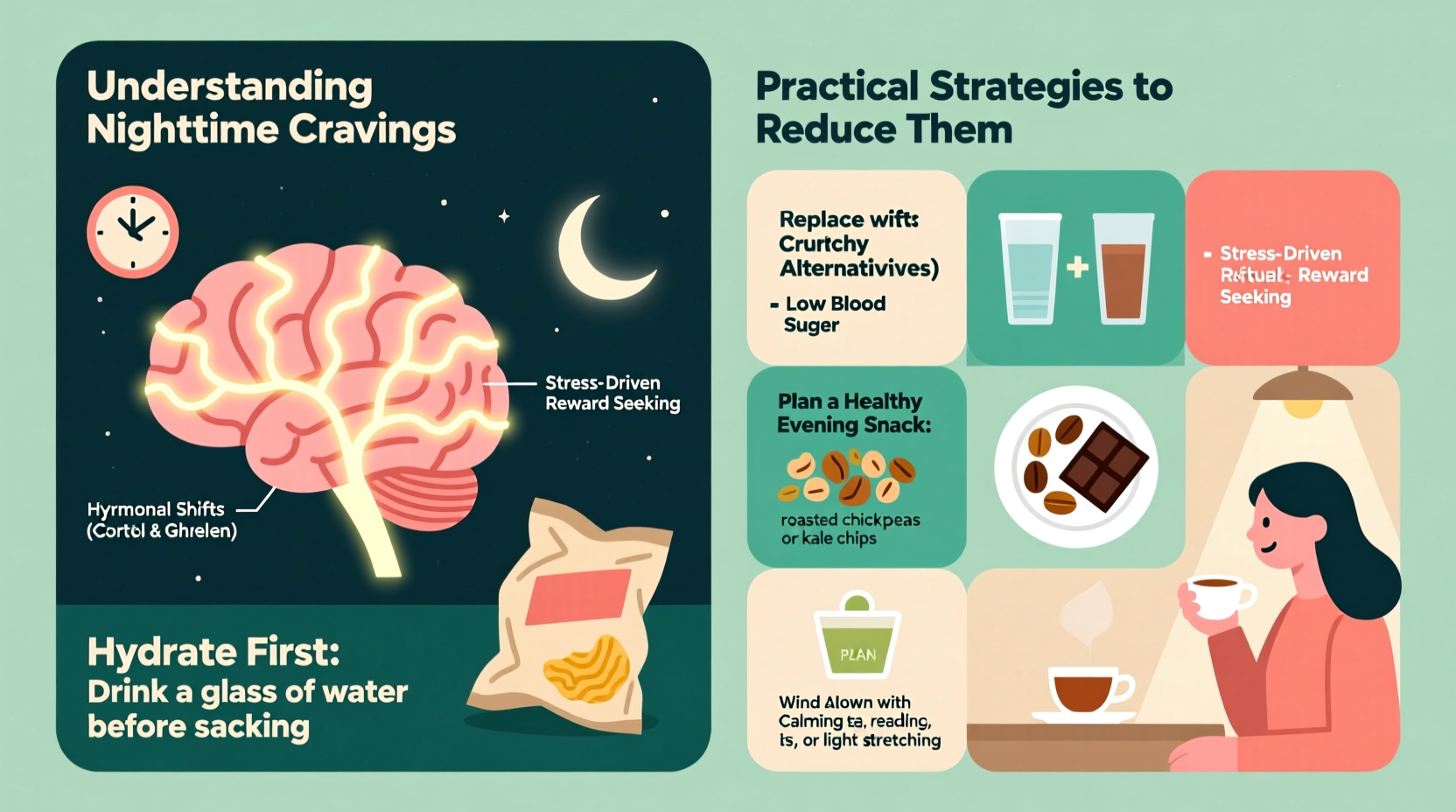
Salt isn’t just a flavor enhancer—it plays a critical role in bodily functions like fluid balance, nerve transmission, and muscle contractions. The body tightly regulates sodium levels through hormones such as aldosterone and antidiuretic hormone (ADH). When sodium dips too low, the brain signals a craving to restore equilibrium. But nighttime cravings aren't always about deficiency. Often, they stem from a mix of physiological rhythms and modern lifestyle patterns.
Circadian biology influences appetite regulation. Research shows that sensitivity to salty tastes increases in the evening, making salty foods more appealing after dinner. A 2020 study published in *The American Journal of Clinical Nutrition* found that participants rated salty flavors as more pleasant between 7 PM and 10 PM than earlier in the day. This shift aligns with natural cortisol decline and melatonin rise, both of which subtly alter taste perception and hunger signaling.
Additionally, stress accumulated throughout the day can trigger salt cravings. Cortisol, the primary stress hormone, promotes sodium retention. When chronic stress depletes adrenal resources, the body may seek salt to support adrenal function—a phenomenon sometimes referred to as \"adrenal fatigue,\" though not formally recognized in mainstream medicine. Still, anecdotal and clinical observations suggest a real link between prolonged stress and increased salt intake.
Common Triggers of Late-Day Cravings
While biology sets the stage, daily habits determine whether cravings become routine. Several key behaviors amplify the likelihood of reaching for salty snacks after dark:
- Inadequate hydration: Dehydration mimics hunger and intensifies salt cravings because sodium helps retain water. Many people don’t drink enough fluids during the day, leading to mild dehydration by evening.
- Unbalanced meals: Diets low in protein, fiber, or healthy fats fail to sustain energy and satiety, increasing the chance of hunger pangs later on.
- High-stress days: Emotional exhaustion lowers impulse control and activates reward-seeking behavior, often satisfied by salty, crunchy, or processed foods.
- Poor sleep hygiene: Sleep deprivation disrupts leptin and ghrelin—the hormones that regulate fullness and hunger—leading to increased appetite, particularly for high-sodium, high-calorie foods.
- Habitual snacking patterns: If you routinely eat while watching TV or working late, your brain begins to associate those activities with food, regardless of actual hunger.
A telling example comes from Sarah, a 34-year-old project manager who struggled with nightly chip binges. Despite eating what she thought was a healthy dinner, she'd find herself finishing a family-sized bag by 10 PM. After tracking her intake, she realized her lunches were carb-heavy salads with little protein, and she rarely drank water after noon. Once she adjusted her midday meals and added herbal tea in the evening, her cravings dropped significantly within two weeks.
“Cravings are rarely about willpower—they’re messages from the body about unmet needs.” — Dr. Lena Patel, Registered Dietitian and Behavioral Nutrition Specialist
Do’s and Don’ts of Managing Salt Cravings
| Do | Don’t |
|---|---|
| Drink a glass of water before reaching for snacks | Keep large packages of salty snacks in easy reach |
| Eat balanced meals with protein, fiber, and healthy fats | Skip meals or severely restrict calories during the day |
| Include natural sources of sodium like celery, seaweed, or olives | Use salt cravings as justification for excessive processed food intake |
| Practice mindful eating without distractions | Eat in front of screens where portion awareness diminishes |
| Establish a wind-down routine to reduce emotional eating | Label foods as “good” or “bad,” which can lead to guilt-driven cycles |
Step-by-Step Guide to Reducing Late-Night Salt Cravings
Changing ingrained habits takes time, but a structured approach increases success. Follow this six-step plan over 2–4 weeks to retrain your body and mind:
- Track your current pattern: For three days, log everything you eat and drink, noting when cravings hit, their intensity (1–10), and your emotional state. Look for trends—timing, stress levels, or skipped meals.
- Optimize daytime nutrition: Ensure each meal includes at least 20g of protein, 5g of fiber, and a source of healthy fat. Examples: Greek yogurt with nuts and berries, grilled chicken with quinoa and avocado, or eggs with sautéed spinach and olive oil.
- Hydrate strategically: Aim for half your body weight (in pounds) in ounces of water daily. Sip consistently—don’t wait until you're thirsty. Add lemon or cucumber for flavor without sugar.
- Replace processed salty snacks with whole-food alternatives: Keep air-popped popcorn, roasted chickpeas, lightly salted edamame, or nori strips on hand. These satisfy crunch and salt without excess additives.
- Create a nighttime ritual: Replace snacking with a calming activity: herbal tea (chamomile or rooibos), light stretching, journaling, or reading. Consistency signals the brain that it's time to relax—not eat.
- Adjust your environment: Remove temptation by storing salty snacks out of sight or replacing them with healthier options. Use small bowls instead of eating from large bags to improve portion control.
When Cravings Signal Underlying Issues
Occasional cravings are normal. However, persistent, intense urges for salt may point to underlying health concerns. One condition worth noting is Addison’s disease, a rare disorder where the adrenal glands don’t produce enough cortisol and aldosterone. Symptoms include chronic fatigue, low blood pressure, hyperpigmentation, and strong salt cravings. While extremely uncommon, it underscores the importance of listening to your body.
More frequently, cravings arise from lifestyle-induced imbalances. Electrolyte depletion due to excessive sweating, diuretic use, or very low-carb diets (like keto) can increase sodium demand. Athletes or those on restrictive regimens often report stronger salt desires, especially at night when recovery processes peak.
Pregnancy is another context where salt cravings increase. Blood volume expansion and hormonal shifts alter fluid and mineral balance, prompting women to seek saltier foods. As long as intake remains within recommended limits (under 2,300 mg per day), moderate increases are generally safe.
Checklist: How to Curb Late-Day Cravings
Use this actionable checklist to stay on track each day:
- ☑ Drink at least 8 cups of water before 6 PM
- ☑ Include protein in every meal (aim for 20–30g per serving)
- ☑ Eat a fiber-rich snack in the afternoon (e.g., apple with almond butter)
- ☑ Avoid eating while distracted (no phones, TV, or work)
- ☑ Prepare a non-food evening ritual (tea, reading, stretching)
- ☑ Keep a craving journal for at least three days
- ☑ Stock your pantry with healthy salty alternatives
- ☑ Go to bed within a consistent one-hour window nightly
Frequently Asked Questions
Is it bad to eat salty snacks at night?
Occasionally, it’s not harmful. However, regular late-night consumption of high-sodium processed foods can lead to water retention, elevated blood pressure, disrupted sleep, and weight gain. Over time, this pattern may contribute to cardiovascular strain, especially in salt-sensitive individuals.
Can lack of sleep really cause salt cravings?
Yes. Poor sleep alters the balance of ghrelin (hunger hormone) and leptin (satiety hormone), increasing overall appetite. Studies show sleep-deprived individuals consume more calories, particularly from salty and fatty foods, likely due to reduced prefrontal cortex activity—which governs decision-making and impulse control.
Are there any supplements that help reduce salt cravings?
There’s no direct supplement proven to eliminate salt cravings, but ensuring adequate intake of magnesium, potassium, and B vitamins supports electrolyte balance and nervous system health. Some people benefit from trace mineral drops in water, though evidence is largely anecdotal. Always consult a healthcare provider before starting supplements.
Conclusion: Take Control of Your Cravings
Nighttime salt cravings are not a personal failing—they’re a signal. Whether it’s inadequate hydration, emotional fatigue, or unbalanced meals, your body is communicating a need. By approaching cravings with curiosity rather than judgment, you can uncover the root causes and implement lasting changes. Small adjustments in hydration, nutrition, and routine often yield dramatic results without requiring drastic diets or willpower battles.
The goal isn’t perfection. It’s progress: understanding your patterns, responding with compassion, and building sustainable habits that honor both your health and your humanity. Start tonight. Make one change—swap the chips for a cup of broth, drink a glass of water, or simply pause and ask, “Am I truly hungry?” That moment of awareness is where transformation begins.




 浙公网安备
33010002000092号
浙公网安备
33010002000092号 浙B2-20120091-4
Comments
No comments yet. Why don't you start the discussion?