
Nighttime is often when willpower wanes and cravings spike—especially for salty snacks. Whether it's a bag of chips, pretzels, or salted nuts, the urge can feel sudden and irresistible. While it might seem like a simple lack of self-control, the truth is more complex. Biological rhythms, hormonal fluctuations, and ingrained habits all converge after dark to create the perfect storm for salt cravings. Understanding these underlying causes isn't just about curbing a snack habit—it’s about tuning into your body’s signals and making sustainable lifestyle adjustments.
Hormonal Shifts That Trigger Nighttime Salt Cravings
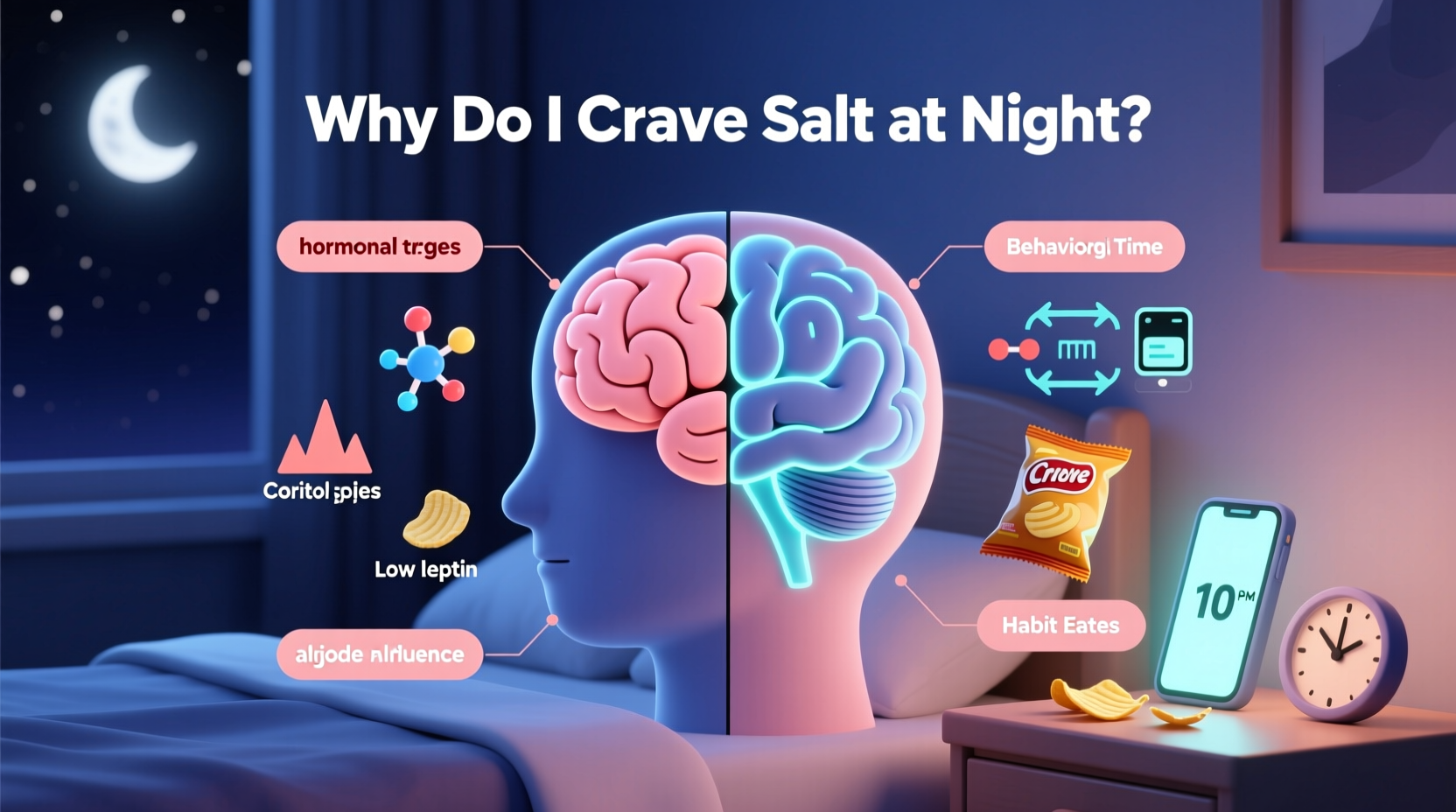
The human body operates on a circadian rhythm, an internal clock that regulates everything from alertness to hormone release. One key player in nighttime cravings is cortisol, commonly known as the \"stress hormone.\" Cortisol levels typically peak in the morning to help you wake up and gradually decline throughout the day. However, chronic stress, irregular sleep schedules, or poor diet can disrupt this pattern, leading to elevated cortisol at night.
Elevated cortisol increases sodium retention and can stimulate appetite, particularly for salty and high-fat foods. This is rooted in evolutionary biology: in times of stress, the body seeks quick energy sources to prepare for potential threats. Salt enhances flavor and pairs well with calorie-dense foods, making salty snacks a go-to during periods of emotional or physical strain.
Another hormone involved is aldosterone, which helps regulate sodium and potassium balance. Aldosterone follows a circadian pattern, peaking in the early morning and dipping at night. However, dehydration or electrolyte imbalances—even mild ones—can prompt the body to signal a need for salt, especially if you've consumed alcohol, caffeine, or low-sodium meals earlier in the day.
“Hormones like cortisol and aldosterone are deeply tied to our eating behaviors, particularly under stress or sleep deprivation. Nighttime salt cravings aren’t random—they’re often biochemical signals.” — Dr. Lena Torres, Endocrinologist and Sleep Researcher
The Role of Sleep Deprivation and Circadian Misalignment
Sleep plays a crucial role in regulating hunger hormones. When you're sleep-deprived, two key hormones shift in ways that promote cravings: ghrelin (which stimulates appetite) increases, while leptin (which signals fullness) decreases. This imbalance makes you feel hungrier, especially for energy-dense foods like salty snacks.
A 2016 study published in Sleep found that participants who slept only four hours per night consumed nearly 500 extra calories the following evening, with a marked preference for salty and savory items. The brain’s reward centers become more active when tired, making processed, salty foods more appealing due to their immediate sensory gratification.
Circadian misalignment—such as staying up late, working night shifts, or using screens before bed—further amplifies this effect. Eating late at night goes against the body’s natural metabolic slowdown, but the combination of boredom, fatigue, and disrupted hormone cycles often overrides instinctive regulation.
Habitual Triggers: Why Your Brain Associates Nighttime with Snacking
Beyond biology, behavior plays a massive role. Many people develop strong mental associations between nighttime activities—like watching TV, scrolling through phones, or unwinding after work—and eating. These routines form powerful neural pathways: the moment you sit on the couch, your brain anticipates a snack, regardless of actual hunger.
This is classical conditioning, similar to Pavlov’s dogs. Over time, environmental cues (e.g., turning on the TV, dimming the lights) trigger automatic behaviors, including reaching for salty treats. The crunch and flavor intensity of salty snacks also provide sensory stimulation that combats mental fatigue or boredom, reinforcing the habit loop.
Emotional eating further complicates this. Evening hours often bring reflection, stress release, or loneliness—emotions that drive people toward comfort foods. Salty snacks, unlike sweets, don’t carry the same stigma, so they’re frequently chosen as a “neutral” indulgence, even though they can be just as habit-forming.
Common Habit-Based Triggers for Nighttime Salt Cravings
- Watching TV or streaming shows
- Using smartphones or laptops in bed
- Working late or finishing tasks after dinner
- Unstructured evening routines
- Stress accumulation from the day
Electrolyte Imbalance and Dietary Gaps
Not all cravings are psychological. Sometimes, your body genuinely needs sodium. This is especially true if you follow a low-sodium diet, exercise heavily, or consume diuretics like coffee or alcohol. These factors can deplete electrolytes, prompting real physiological signals for salt.
However, modern diets often swing between extremes: either too much processed sodium during the day (from sauces, breads, and packaged meals) or too little whole-food sodium. This inconsistency confuses the body’s regulatory systems. If you eat bland, low-sodium meals during daylight hours, your system may compensate by triggering intense cravings later.
Potassium deficiency can also play a role. Sodium and potassium work together to maintain fluid balance and nerve function. A diet low in potassium-rich foods (like bananas, spinach, avocados, and sweet potatoes) may lead to a relative sodium excess or imbalance, tricking the brain into wanting more salt—even if total sodium intake is adequate.
| Factor | Effect on Salt Cravings | Solution |
|---|---|---|
| Low potassium intake | Disrupts sodium-potassium balance | Eat more leafy greens, beans, and fruits |
| High caffeine consumption | Increases sodium excretion | Limit coffee after noon; hydrate well |
| Alcohol intake | Dehydrates and depletes electrolytes | Replenish with water or electrolyte drinks |
| Heavy sweating | Loses sodium through perspiration | Replenish with balanced electrolyte sources |
Real-Life Example: How Sarah Reduced Her Nighttime Cravings
Sarah, a 34-year-old project manager, struggled with nightly chip binges. She’d finish dinner at 7 PM, only to find herself rummaging through the pantry by 9:30 PM. Despite not feeling physically hungry, the craving was overwhelming. After tracking her habits for two weeks, she noticed a pattern: cravings spiked on nights when she skipped lunch, drank three or more coffees, and stayed up past midnight working.
With guidance from a nutritionist, Sarah adjusted her routine. She began eating balanced lunches with protein and vegetables, reduced afternoon caffeine, and replaced her evening chip ritual with herbal tea and a 10-minute walk. Within 10 days, her nighttime cravings diminished significantly. Blood tests later revealed mild potassium deficiency, which was corrected with dietary changes. Her experience highlights how multiple factors—dietary gaps, stimulant use, and poor sleep—can converge to create persistent cravings.
Step-by-Step Guide to Managing Nighttime Salt Cravings
Addressing salt cravings requires a multi-pronged approach. Here’s a practical sequence to implement over 7–14 days:
- Track your triggers: For three days, log what you eat, when you crave salt, your stress level, and sleep duration. Look for patterns.
- Balance your daytime diet: Include moderate sodium from whole sources (sea salt, olives, broth) and pair it with potassium-rich foods.
- Hydrate strategically: Drink water consistently throughout the day. Add a pinch of sea salt and lemon to one glass in the afternoon if you sweat often or drink coffee.
- Reset your evening routine: Replace snacking with a non-food ritual—tea, journaling, stretching, or reading.
- Improve sleep hygiene: Go to bed at the same time each night. Avoid screens 60 minutes before bed.
- Manage stress proactively: Practice deep breathing, meditation, or light movement during the day to lower baseline cortisol.
- Reevaluate after one week: Note changes in cravings, energy, and sleep. Adjust as needed.
Checklist: Reduce Nighttime Salt Cravings in 7 Days
- ☑ Eat a balanced breakfast with protein and healthy fats
- ☑ Include potassium-rich foods at lunch and dinner
- ☑ Limit caffeine after 2 PM
- ☑ Drink at least 2 liters of water daily
- ☑ Establish a consistent bedtime
- ☑ Replace one salty snack with a savory alternative (e.g., roasted chickpeas, cucumber with tahini)
- ☑ Create a 30-minute pre-sleep wind-down routine
Frequently Asked Questions
Is craving salt at night a sign of a medical condition?
Occasional cravings are normal, but persistent, intense salt cravings could indicate an underlying issue such as adrenal fatigue, Addison’s disease, or electrolyte imbalance. If cravings are accompanied by fatigue, dizziness, or muscle cramps, consult a healthcare provider.
Can dehydration cause salt cravings?
Yes. Dehydration alters electrolyte concentrations in the blood, prompting the brain to signal a need for sodium to restore balance. Often, thirst is mistaken for hunger or specific food cravings, including salt.
Are there healthy alternatives to salty snacks at night?
Absolutely. Try air-popped popcorn with nutritional yeast, lightly salted roasted chickpeas, seaweed snacks, or sliced vegetables with hummus. These offer satisfying texture and flavor without excessive sodium or empty calories.
Conclusion: Take Control of Your Cravings
Nighttime salt cravings are rarely about weakness—they’re signals. Whether driven by cortisol spikes, sleep debt, habitual cues, or nutrient gaps, these urges reflect deeper physiological and behavioral patterns. By approaching them with curiosity rather than guilt, you can decode what your body truly needs and respond with intention.
Small, consistent changes—like improving sleep, balancing electrolytes, and reshaping evening routines—can yield dramatic results. You don’t have to eliminate snacks entirely; instead, aim for awareness and alignment with your body’s natural rhythms.




 浙公网安备
33010002000092号
浙公网安备
33010002000092号 浙B2-20120091-4
Comments
No comments yet. Why don't you start the discussion?