
Nighttime cravings for salty snacks are more than just a bad habit—they can be a signal from your body indicating an underlying imbalance. While it’s common to reach for chips, pretzels, or crackers after dinner, persistent urges may point to nutritional deficiencies, hormonal fluctuations, or lifestyle factors that disrupt your body's natural chemistry. Understanding the root causes empowers you to make informed choices rather than succumb to repetitive cycles of craving and regret.
Unlike sweet cravings, which are often linked to blood sugar swings or emotional eating, salty cravings tend to reflect electrolyte imbalances, adrenal stress, or even dehydration. The good news? Most of these triggers are modifiable with simple dietary and behavioral adjustments. This article explores the science behind nighttime salt cravings, identifies key deficiencies involved, and provides practical strategies to restore equilibrium—without sacrificing flavor or satisfaction.
The Science Behind Salt Cravings
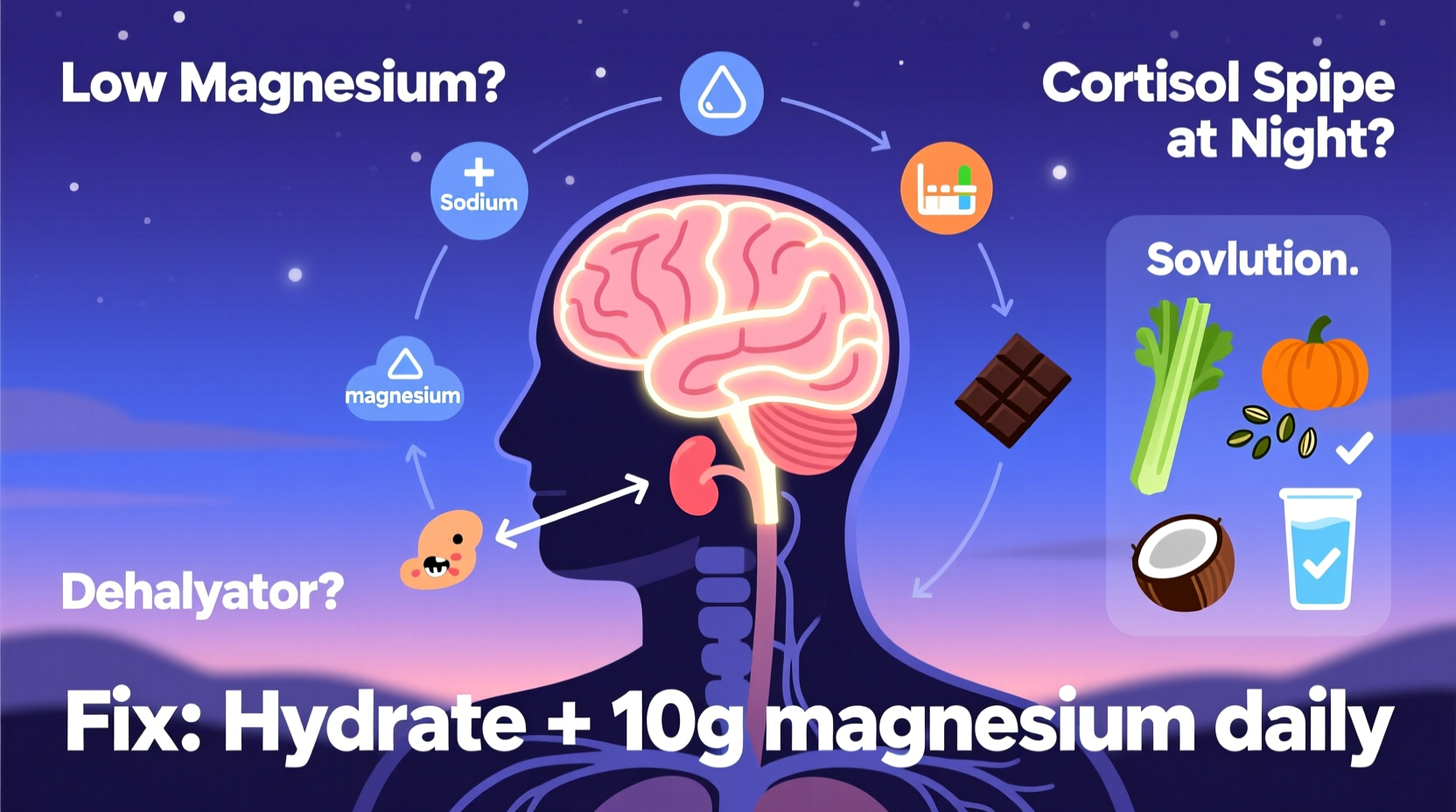
Salt, primarily composed of sodium chloride, plays a vital role in maintaining fluid balance, nerve transmission, and muscle function. When sodium levels dip below optimal ranges, the brain signals hunger specifically for salty foods through complex hormonal pathways involving aldosterone and angiotensin II—hormones that regulate blood pressure and electrolyte balance.
At night, several physiological changes amplify this response. Cortisol, a stress hormone that follows a diurnal rhythm, begins to decline in the evening but can remain elevated due to chronic stress or poor sleep hygiene. High cortisol increases sodium excretion through urine, potentially creating a deficiency that prompts late-night cravings. Additionally, melatonin—the sleep-regulating hormone—can influence taste perception, making salty and savory flavors more appealing when darkness sets in.
Another factor is circadian biology. Your body’s internal clock regulates appetite hormones like ghrelin (which stimulates hunger) and leptin (which promotes fullness). Disruptions in this system—common in shift workers or those with irregular sleep schedules—can skew food preferences toward energy-dense, salty options during nighttime hours.
Potential Nutrient Deficiencies Linked to Nighttime Salt Cravings
Recurrent cravings often serve as early warning signs of suboptimal nutrition. Below are the most common deficiencies associated with increased salt appetite, particularly at night.
1. Sodium Imbalance
While excessive sodium intake is widely cautioned against, too little can also trigger problems. Individuals on low-sodium diets, endurance athletes, or those who sweat heavily may deplete sodium stores, leading the body to demand replenishment. Paradoxically, overly restrictive salt intake during the day can result in rebound cravings by evening.
2. Chloride Deficiency
Chloride works alongside sodium to maintain cellular fluid balance and support digestion via hydrochloric acid production in the stomach. Low chloride—often accompanying low sodium—can manifest as fatigue, muscle weakness, and persistent salt cravings.
3. Magnesium Deficiency
Magnesium helps regulate over 300 enzymatic reactions, including those involved in electrolyte balance and nervous system function. A deficiency can cause muscle cramps, insomnia, and altered taste perception, increasing preference for salty over sweet foods. Diets low in leafy greens, nuts, seeds, and whole grains put individuals at higher risk.
4. Adrenal Fatigue and Electrolyte Loss
Chronic stress taxes the adrenal glands, which produce hormones like aldosterone that manage sodium and potassium levels. Prolonged stress can lead to \"adrenal fatigue,\" where aldosterone output drops, causing excessive sodium loss in urine. This condition frequently presents with intense salt cravings, especially in the late afternoon or evening.
5. Dehydration
Even mild dehydration alters blood concentration and electrolyte ratios, prompting the brain to seek salty foods to retain water and restore balance. Many people fail to drink enough water throughout the day, only feeling thirsty—or craving salt—by nightfall.
“Salt cravings shouldn’t be dismissed as mere willpower issues. In clinical practice, we often find they’re tied to real biochemical needs—especially in patients with high stress or restricted diets.” — Dr. Lena Torres, Integrative Nutrition Specialist
Common Triggers Beyond Deficiency
While nutrient gaps are significant contributors, other non-nutritional factors play a role in nocturnal salt cravings.
- Emotional Eating: Boredom, loneliness, or anxiety in the evening can drive mindless snacking, with salty foods offering quick sensory gratification.
- Habitual Patterns: Watching TV with chips becomes a conditioned behavior; the environment—not physiology—triggers the urge.
- Medications: Diuretics, certain antidepressants, and antihypertensives increase sodium excretion, raising the likelihood of cravings.
- Sleep Disorders: Obstructive sleep apnea and insomnia disrupt hormonal regulation, affecting appetite control and increasing nighttime food intake.
- Dieting or Calorie Restriction: Severely limiting calories during the day can backfire, leading to compensatory overeating at night, often focused on salty, crunchy textures.
Practical Fixes: How to Reduce Nighttime Salt Cravings
Addressing salt cravings requires a multifaceted approach—balancing nutrition, managing stress, and aligning habits with biological rhythms. Here’s how to implement lasting change.
Step-by-Step Guide to Resetting Your Craving Cycle
- Track Your Intake (Days 1–3): Keep a food and mood journal noting when cravings hit, what you eat, stress levels, and sleep quality. Identify patterns.
- Optimize Daytime Sodium (Day 4): Include moderate amounts of natural salt sources like sea salt, olives, or miso soup with meals. Avoid processed foods but don’t eliminate salt entirely.
- Increase Magnesium-Rich Foods (Ongoing): Add spinach, pumpkin seeds, almonds, black beans, and avocado to your daily diet.
- Hydrate Strategically (Daily): Drink at least half your body weight (in pounds) in ounces of water. Add a pinch of high-quality salt to one glass to enhance absorption.
- Manage Stress (Evening Routine): Practice deep breathing, meditation, or gentle stretching before bed to lower cortisol.
- Replace the Snack Ritual (Night 7+): Swap chips for roasted chickpeas, seaweed snacks, or cucumber slices with tahini—salty but nutritious alternatives.
Do’s and Don’ts: Managing Salt Cravings Effectively
| Do | Don't |
|---|---|
| Eat balanced meals with protein, healthy fats, and complex carbs to stabilize energy | Skip meals or severely restrict calories during the day |
| Add natural salts like Himalayan pink salt or Celtic sea salt in moderation | Rely solely on ultra-processed salty snacks (e.g., potato chips, cheese puffs) |
| Drink water consistently throughout the day, not just when thirsty | Consume large amounts of caffeine or alcohol, which promote dehydration |
| Support adrenal health with vitamin C, B5, and adaptogens like ashwagandha | Ignore signs of burnout or chronic stress |
| Establish a calming pre-sleep routine to reduce emotional eating | Keep tempting snacks within easy reach in the bedroom or living room |
Mini Case Study: Sarah’s Journey from Chips to Balance
Sarah, a 34-year-old project manager, found herself eating a bag of salted tortilla chips every night while working late. Despite eating well during the day, the craving felt uncontrollable. After consulting a nutritionist, she discovered her diet was extremely low in sodium due to avoiding all added salt for heart health concerns. Her morning blood pressure readings were borderline low, and she reported frequent headaches and fatigue.
Her plan included adding ¼ teaspoon of sea salt to her lunchtime soup and drinking an electrolyte-infused beverage post-workout. She also started eating magnesium-rich pumpkin seeds as an afternoon snack. Within two weeks, her nighttime cravings diminished significantly. By week four, she no longer reached for chips and reported improved energy and sleep quality.
Sarah’s case illustrates how well-intentioned dietary restrictions can inadvertently create imbalances that surface as compulsive cravings—correctable with targeted, evidence-based adjustments.
Frequently Asked Questions
Is craving salt a sign of high blood pressure?
No—craving salt is not directly linked to high blood pressure. In fact, some individuals with hypertension are on low-sodium diets that may trigger compensatory cravings. However, uncontrolled consumption of salty foods can worsen existing hypertension. The key is balance, not elimination.
Can lack of sleep cause me to crave salty foods?
Yes. Poor sleep disrupts leptin and ghrelin, increasing overall appetite. It also elevates cortisol, which affects sodium retention. Studies show that people who sleep less than six hours per night are more likely to consume calorie-dense, salty snacks in the evening.
Are there healthy salty snacks I can eat at night?
Absolutely. Opt for whole-food options like air-popped popcorn seasoned with nutritional yeast, roasted edamame, pickles (low sugar), seaweed sheets, or olives. These provide satisfying saltiness along with fiber, protein, or beneficial fats that curb overeating.
Conclusion: Listen to Your Body, Then Act Wisely
Nighttime salt cravings are rarely about weakness or lack of discipline. They’re often your body’s way of communicating a need—whether for hydration, rest, essential minerals, or emotional calm. By investigating the underlying causes instead of simply resisting the urge, you gain long-term control over your eating patterns.
Start by evaluating your daily nutrition, fluid intake, and stress load. Small shifts—like seasoning meals adequately, staying hydrated, and winding down properly at night—can dramatically reduce the pull of salty snacks. Over time, these changes don’t just quiet cravings; they improve energy, sleep, and overall resilience.




 浙公网安备
33010002000092号
浙公网安备
33010002000092号 浙B2-20120091-4
Comments
No comments yet. Why don't you start the discussion?