
If you’ve ever found yourself raiding the chip bag or reaching for pickles in the days leading up to your period, you’re not alone. Salt cravings before menstruation are incredibly common—so much so that they’re considered a hallmark symptom of premenstrual syndrome (PMS). But what’s really happening in your body to trigger this sudden desire for sodium-rich foods? The answer lies at the intersection of hormones, brain chemistry, fluid balance, and even psychological patterns. This article breaks down the science behind why salt cravings surge before your period and offers practical strategies to manage them without guilt or discomfort.
The Hormonal Roller Coaster: Estrogen, Progesterone, and Cravings
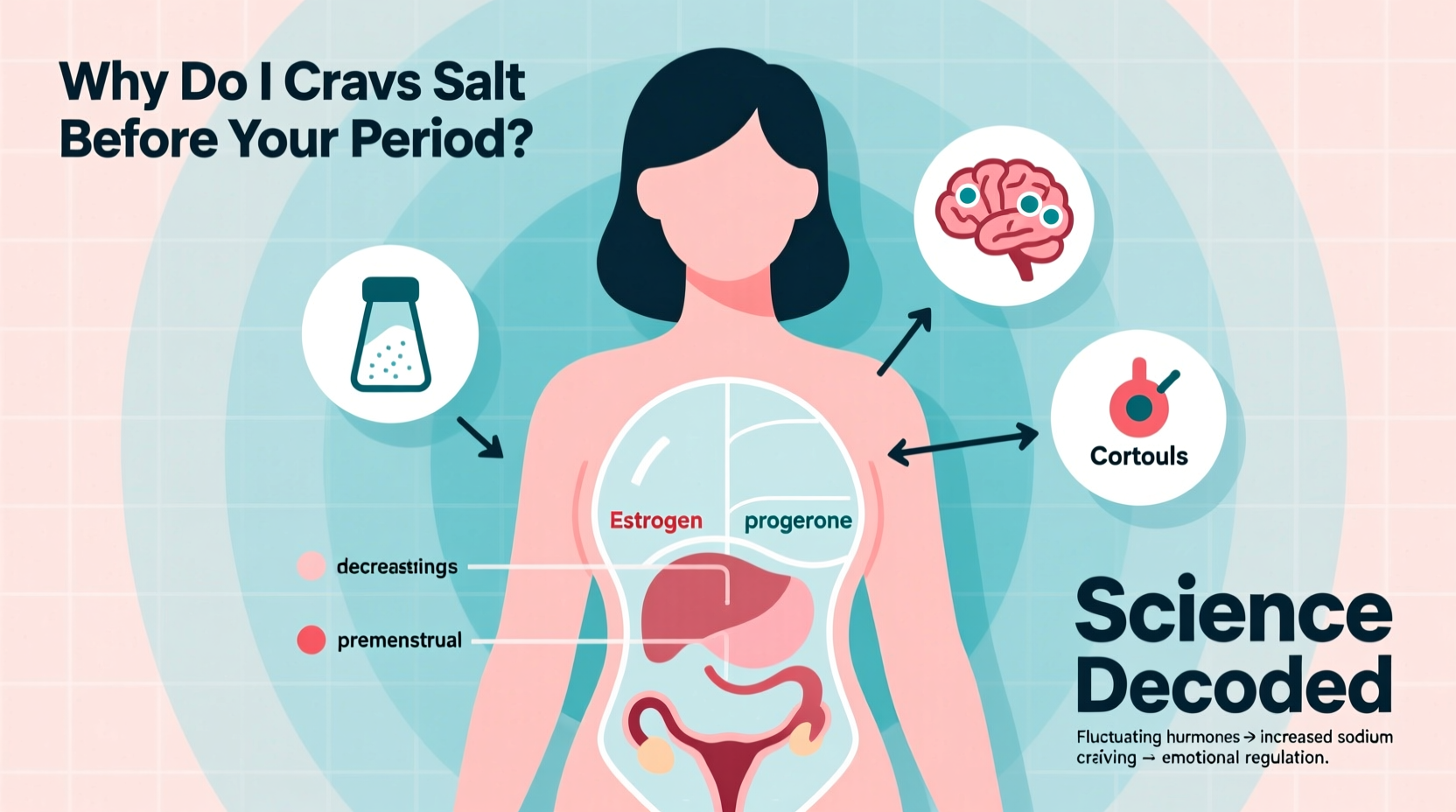
The menstrual cycle is governed by two primary hormones: estrogen and progesterone. In the luteal phase—the two weeks after ovulation and before menstruation—both hormones rise sharply. After ovulation, the corpus luteum produces large amounts of progesterone, which prepares the uterine lining for potential pregnancy. If conception doesn’t occur, hormone levels plummet just before bleeding begins.
This hormonal shift directly influences appetite regulation and food preferences. Research shows that elevated progesterone increases appetite overall, while declining estrogen in the late luteal phase affects serotonin production—a neurotransmitter tied to mood and eating behavior.
Estrogen helps regulate dopamine and serotonin, both of which influence reward-seeking behaviors like eating comfort foods. When estrogen drops, serotonin levels may also dip, leading some people to seek out foods that temporarily boost mood. Salty snacks, especially those high in fat and carbohydrates (like potato chips or pretzels), activate the brain’s reward centers, providing short-term satisfaction.
“Fluctuations in reproductive hormones don’t just affect fertility—they reshape brain chemistry in ways that influence food choices, particularly for energy-dense, palatable foods.” — Dr. Laura Chen, Neuroendocrinologist, Stanford University
Fluid Retention and Sodium Balance: The Body’s Electrolyte Puzzle
Another key driver of salt cravings is fluid retention. During the luteal phase, rising progesterone and its interaction with aldosterone—a hormone that regulates sodium and potassium balance—can lead to increased water retention. You might notice bloating, swollen fingers, or puffiness in the face around this time.
Paradoxically, when the body holds onto more water, it can dilute sodium concentration in the bloodstream. This slight imbalance may prompt the brain to signal a need for more salt to restore electrolyte equilibrium. While the change is often minimal, the body’s internal sensors—particularly in the hypothalamus—are highly sensitive to such shifts.
Additionally, insulin sensitivity fluctuates during the menstrual cycle. In the luteal phase, cells become slightly more resistant to insulin, which can cause blood sugar levels to swing. These fluctuations may increase hunger and amplify cravings for quick-energy foods, including salty, carbohydrate-heavy snacks.
Psychological and Behavioral Factors Behind Cravings
Biology isn’t the only player. Psychological conditioning plays a significant role in premenstrual cravings. If you’ve repeatedly turned to chips or crackers before your period in the past, your brain begins to associate that phase of your cycle with salt consumption. Over time, this creates a conditioned response: as soon as PMS symptoms appear, the craving follows automatically.
Emotional eating also contributes. Mood swings, irritability, fatigue, and anxiety are common in the premenstrual window. Salty, crunchy snacks provide sensory relief—chewing can be soothing, and the texture offers a form of stress release. Moreover, many salty snacks are combined with fat and carbs, forming what scientists call “hyper-palatable” foods that override natural satiety signals.
A 2020 study published in Appetite found that women who reported higher stress levels experienced stronger food cravings in the premenstrual phase, particularly for salty and sweet items. This suggests that managing emotional well-being may reduce the intensity of cravings.
Mini Case Study: How Sarah Reduced Her Monthly Chip Habit
Sarah, a 32-year-old project manager, used to go through two family-sized bags of salt & vinegar chips every cycle. “It started in college,” she says. “I’d feel bloated and moody, and chips were the only thing that made me feel better.” After tracking her symptoms and diet for three months, she noticed a clear pattern: cravings peaked on days 22–25 of her cycle, coinciding with sharp mood dips and fatigue.
With guidance from a nutritionist, Sarah introduced magnesium-rich foods like pumpkin seeds and dark leafy greens, started light evening walks, and swapped chips for air-popped popcorn with nutritional yeast. Within two cycles, her salt cravings dropped by over 70%. “I still enjoy something salty,” she says, “but now it’s intentional, not automatic.”
Managing Salt Cravings: A Smart, Sustainable Approach
Suppressing cravings entirely isn’t realistic—or necessary. The goal isn’t elimination but informed management. Understanding the root causes allows you to respond strategically rather than react impulsively.
Step-by-Step Guide to Taming Premenstrual Salt Cravings
- Track Your Cycle and Symptoms: Use a period-tracking app to log food cravings alongside mood, energy, and physical symptoms. Look for patterns over 2–3 cycles.
- Boost Key Nutrients: Increase intake of magnesium (spinach, almonds, black beans), calcium (kale, yogurt, fortified plant milk), and B6 (bananas, chickpeas, salmon), which may help stabilize mood and reduce PMS severity.
- Stay Hydrated: Dehydration can mimic or worsen salt cravings. Aim for 8–10 glasses of water daily, especially during the luteal phase.
- Choose Whole-Food Sources of Salt: Replace processed snacks with naturally savory options like miso soup, seaweed snacks, or lightly salted roasted nuts.
- Practice Mindful Eating: Before reaching for salty foods, pause. Ask: Am I actually hungry? Stressed? Tired? This simple check-in reduces impulsive eating.
- Move Gently: Even 20 minutes of walking or yoga can improve mood and reduce cortisol, lowering emotional eating triggers.
- Plan Ahead: Stock your pantry with healthier salty alternatives so you’re not tempted by vending machines or convenience stores.
Do’s and Don’ts: Managing Salt Cravings Before Your Period
| Do | Don’t |
|---|---|
| Eat balanced meals with protein, fiber, and healthy fats to stabilize blood sugar. | Skip meals or go long hours without eating—this spikes hunger and cravings. |
| Drink herbal teas like dandelion or ginger to support fluid balance. | Consume excessive caffeine, which can worsen anxiety and dehydration. |
| Use sea salt or Himalayan salt in moderation for trace minerals. | Rely on ultra-processed snacks high in sodium, trans fats, and refined carbs. |
| Get 7–8 hours of sleep—poor sleep amplifies cravings. | Ignore emotional triggers; address stress through journaling or talking. |
Frequently Asked Questions
Is it bad to eat salty foods before my period?
Occasional salty snacking isn’t harmful, especially if it’s part of a balanced diet. However, consistently high sodium intake can worsen bloating, raise blood pressure, and strain the kidneys. The key is moderation and choosing nutrient-dense sources over processed junk food.
Can birth control affect my salt cravings?
Yes. Hormonal contraceptives stabilize estrogen and progesterone levels, which may reduce PMS-related cravings for some people. Others report new or intensified cravings due to altered hormone profiles. Individual responses vary widely, so tracking symptoms on birth control is essential.
Are salt cravings a sign of a mineral deficiency?
Not usually. True sodium deficiency is rare in modern diets. However, deficiencies in magnesium or calcium—which play roles in muscle function and nerve signaling—may exacerbate PMS symptoms and indirectly fuel cravings. Ensuring adequate intake of these minerals through diet or supplements (with medical advice) can help.
Conclusion: Listen to Your Body—Wisely
Cradling a bag of chips before your period isn’t a failure of willpower—it’s a complex interplay of biology, chemistry, and habit. Recognizing that these cravings have scientific roots removes shame and empowers smarter choices. Rather than fighting your body, work with it: nourish it with whole foods, support it with rest and movement, and honor its signals without overindulgence.
You don’t need perfection. Small, consistent adjustments—like swapping one processed snack for a nutritious alternative or drinking an extra glass of water—can make a meaningful difference over time. Understanding the “why” behind your cravings is the first step toward lasting balance.




 浙公网安备
33010002000092号
浙公网安备
33010002000092号 浙B2-20120091-4
Comments
No comments yet. Why don't you start the discussion?