
It’s a familiar scene: the clock ticks past 9 PM, dinner is done, and suddenly your thoughts drift to cookies, chocolate, or ice cream. You didn’t feel this urge earlier in the day, yet now it feels overwhelming. You’re not alone. Millions struggle with nighttime sugar cravings that derail healthy eating habits and disrupt sleep. But what drives these impulses? And more importantly, can you stop them—without relying on willpower alone?
The truth is, late-night sugar cravings are rarely about hunger. They stem from a complex interplay of biology, behavior, and lifestyle. Understanding the root causes empowers you to respond strategically rather than react impulsively. With targeted adjustments to your daily rhythm, nutrition, and mindset, you can break the cycle and reclaim control over your evenings.
The Science Behind Nighttime Sugar Cravings
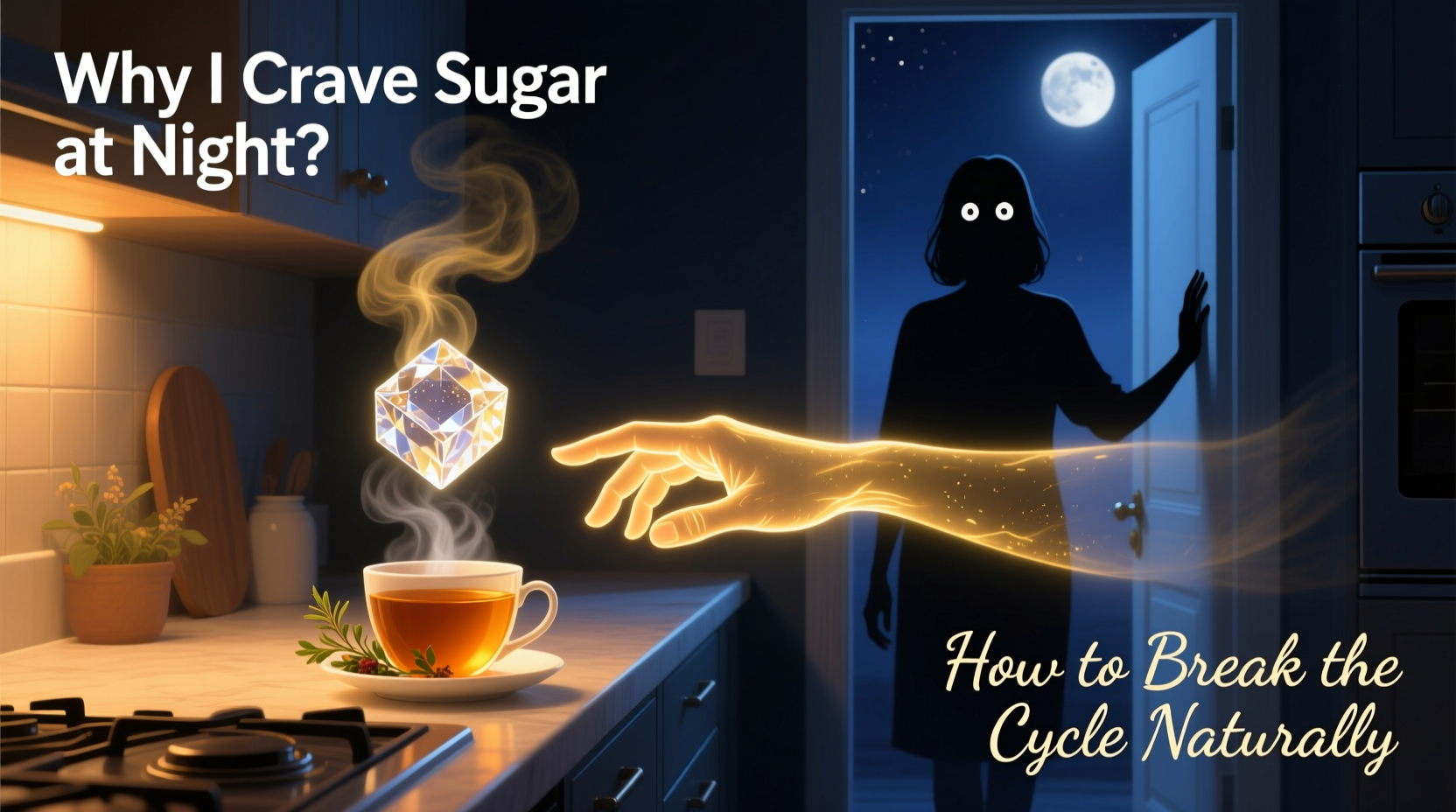
Your body runs on rhythms governed by circadian biology. Hormones like cortisol, insulin, leptin, and ghrelin fluctuate throughout the day, influencing energy levels, appetite, and food preferences. By evening, several factors converge to make sugary foods especially appealing:
- Blood sugar drops after dinner – If your evening meal lacks sufficient protein, fiber, or healthy fats, blood glucose may dip a few hours later, triggering hunger signals that often manifest as sugar cravings.
- Cortisol rebound – While cortisol typically declines at night, stress or poor sleep hygiene can cause a secondary spike in the evening, increasing appetite and driving cravings for quick-energy foods like sugar.
- Dopamine-seeking behavior – After a long day, your brain seeks reward. Sugar stimulates dopamine release, creating a temporary sense of pleasure and relief. This neurological feedback loop reinforces the habit of turning to sweets when mentally fatigued.
- Sleep deprivation – Research shows even partial sleep loss increases levels of ghrelin (the “hunger hormone”) and decreases leptin (the “satiety hormone”), making you more likely to crave calorie-dense, high-carb foods.
“Nighttime sugar cravings are less about deficiency and more about dysregulation—of hormones, habits, and emotional needs.” — Dr. Lena Patel, Integrative Nutrition Specialist
Common Triggers of Late-Night Snacking
While biology plays a role, behavior and environment are equally influential. Identifying your personal triggers is the first step toward change.
| Trigger | How It Fuels Cravings | Natural Solution |
|---|---|---|
| Emotional fatigue | Mental exhaustion lowers impulse control; sugar becomes a coping mechanism | Evening mindfulness or journaling |
| Boredom | Inactivity leads to mindless eating, especially during screen time | Engage in non-food rituals (tea, reading) |
| Poor meal composition | Low-protein, low-fiber dinners fail to sustain satiety | Balance meals with protein + fat + fiber |
| Blue light exposure | Limits melatonin, delays sleep, increases wakeful hunger | Reduce screens 1–2 hours before bed |
| Habitual patterns | Automatic behavior linked to TV, work, or routine | Replace snack ritual with new cue (e.g., herbal tea) |
How to Curb Late-Night Sugar Cravings Naturally
Willpower fades. Sustainable change comes from redesigning your environment, routines, and physiology. These evidence-based strategies address cravings at their source.
1. Optimize Your Dinner Plate
A satisfying evening meal prevents blood sugar crashes later. Prioritize nutrient density and macronutrient balance:
- Include 20–30g of protein (chicken, fish, tofu, lentils)
- Add healthy fats (avocado, olive oil, nuts)
- Load up on fiber-rich vegetables (broccoli, spinach, Brussels sprouts)
This combination slows digestion, stabilizes glucose, and supports longer-lasting fullness.
2. Stabilize Blood Sugar Throughout the Day
Skipping meals or relying on refined carbs sets you up for evening crashes. Eat regular, balanced meals every 3–4 hours to maintain steady energy. Include complex carbohydrates like sweet potatoes, quinoa, or oats paired with protein.
3. Hydrate Strategically
Dehydration mimics hunger. Many people mistake thirst for sugar cravings. Aim to drink most of your water between waking and 6 PM. Too much fluid late at night can disrupt sleep with bathroom trips.
4. Establish a Wind-Down Routine
Your evening should signal relaxation, not stimulation. Create a ritual that replaces snacking:
- At 8 PM, dim the lights and reduce screen brightness.
- Brew a cup of caffeine-free herbal tea (chamomile, passionflower, or rooibos).
- Spend 10 minutes journaling or doing gentle stretching.
- Read a physical book or listen to calming music.
This sequence cues your nervous system to shift into rest mode, reducing the urge to seek comfort from food.
5. Manage Stress and Emotional Eating
Chronic stress elevates cortisol, which increases appetite and specifically drives cravings for sweet, fatty foods. Incorporate stress-reducing practices such as:
- Deep breathing exercises (4-7-8 method)
- Five minutes of gratitude journaling
- Progressive muscle relaxation
These tools don’t eliminate stress but help regulate your physiological response to it.
Real-Life Example: How Sarah Reduced Her Cravings in Two Weeks
Sarah, a 34-year-old graphic designer, found herself eating a bowl of ice cream nearly every night while working late. She didn’t feel hungry, but the craving felt automatic. After tracking her habits, she noticed a pattern: cravings spiked around 9:30 PM, right after finishing client emails—a high-stress task.
She implemented three changes:
- She began eating dinner with extra protein (adding grilled salmon or chickpeas).
- She replaced her post-work screen time with 15 minutes of yoga and chamomile tea.
- She set a rule: no eating after brushing her teeth at 9 PM.
Within ten days, her cravings diminished significantly. By week three, she only craved sugar once—and chose a small piece of dark chocolate instead of a full serving of ice cream. The key wasn’t restriction, but redirection.
Step-by-Step Guide to Break the Cycle
Follow this five-day plan to reset your evening habits:
- Day 1: Audit your current routine. Record when cravings hit, what you eat, and how you feel.
- Day 2: Adjust dinner. Add 10g more protein and double your vegetable portion.
- Day 3: Introduce a non-food wind-down ritual (e.g., tea + reading).
- Day 4: Eliminate screens one hour before bed. Use blue light filters if necessary.
- Day 5: Practice mindful awareness. When a craving hits, pause for 5 minutes and breathe deeply before deciding.
Repeat the cycle weekly, refining based on what works. Consistency compounds over time.
Checklist: Natural Ways to Stop Late-Night Sugar Cravings
- ✅ Eat a balanced dinner with protein, fat, and fiber
- ✅ Stay hydrated during daylight hours
- ✅ Reduce screen exposure after 8 PM
- ✅ Replace snacking with a calming ritual (tea, journaling, stretching)
- ✅ Get at least 7 hours of quality sleep
- ✅ Address stress with breathwork or mindfulness
- ✅ Keep sugary snacks out of sight—or out of the house
- ✅ Allow a small, intentional treat if needed (e.g., one square of dark chocolate)
Frequently Asked Questions
Why do I only crave sugar at night and not during the day?
Daytime demands keep your prefrontal cortex—the brain’s decision-making center—active. At night, mental fatigue weakens self-control, and your brain defaults to quick rewards. Additionally, circadian shifts increase hunger hormones in the evening, especially if you’re sleep-deprived or stressed.
Is it okay to eat something sweet at night if I’m truly craving it?
Occasional mindful indulgence is fine. The problem arises when cravings become automatic and excessive. If you choose to eat something sweet, do so intentionally: serve a small portion, eat slowly, and savor it without guilt. This builds a healthier relationship with food.
Can supplements help reduce sugar cravings?
Some nutrients support blood sugar balance and neurotransmitter regulation. Magnesium, chromium, and B-complex vitamins may help, particularly if you have a deficiency. However, supplements should complement—not replace—lifestyle changes. Always consult a healthcare provider before starting any new supplement.
Final Thoughts: Reclaim Your Evenings Without Deprivation
Craving sugar at night isn’t a personal failure—it’s a signal. Your body and mind are communicating unmet needs: better nourishment, deeper rest, or emotional release. By responding with compassion and strategy, you can transform your evenings from a battleground into a sanctuary.
The goal isn’t perfection. It’s progress. Small, consistent choices—like adding protein to dinner or swapping late scrolling for quiet reflection—compound into lasting change. You don’t need to eliminate all sweets; you need to create a life where they’re no longer your go-to coping tool.




 浙公网安备
33010002000092号
浙公网安备
33010002000092号 浙B2-20120091-4
Comments
No comments yet. Why don't you start the discussion?