
Sugar cravings are more than just a lack of willpower—they’re often your body’s way of communicating an underlying need. Whether it hits mid-afternoon like clockwork or flares up after a stressful day, that urge for something sweet is rarely random. Understanding the physiological, psychological, and lifestyle factors behind these cravings empowers you to respond with intention rather than impulse. This article explores the root causes of sugar cravings, debunks common myths, and provides actionable strategies to restore balance.
The Biology Behind Sugar Cravings
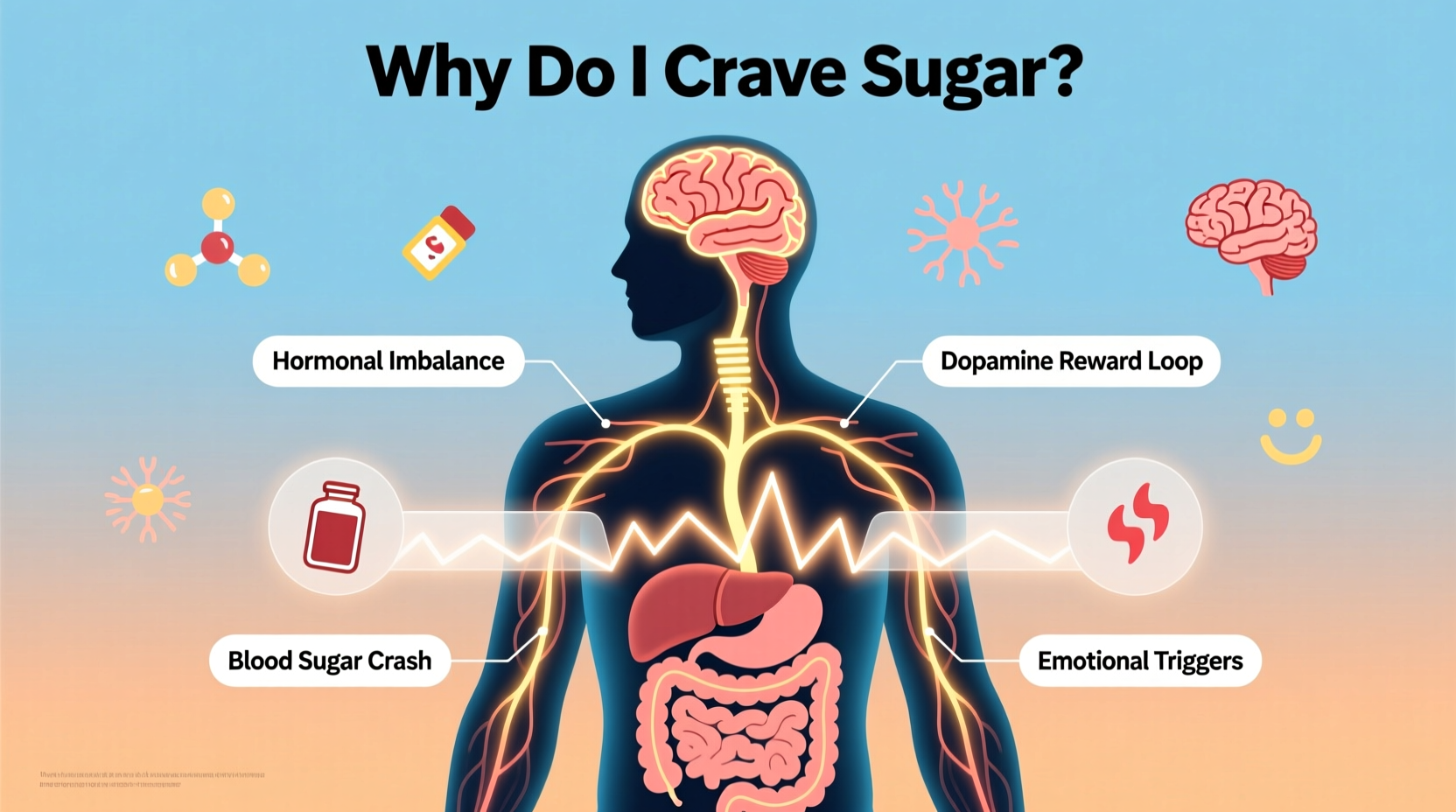
Your brain is wired to seek out sugar. In evolutionary terms, sweetness signaled energy-dense food—essential for survival when calories were scarce. Today, while food is abundant, that biological programming remains active. When you consume sugar, dopamine—a neurotransmitter linked to pleasure and reward—is released in the brain, reinforcing the desire to repeat the behavior.
Blood sugar fluctuations play a major role. Eating refined carbohydrates or skipping meals can cause blood glucose to spike and crash, prompting your body to demand quick energy—often in the form of sugary snacks. Insulin resistance, commonly associated with prediabetes or metabolic syndrome, also increases cravings as cells struggle to absorb glucose efficiently.
Hormonal Influences on Sweet Cravings
Hormones significantly influence appetite and food preferences. Leptin and ghrelin regulate hunger and satiety; imbalances from poor sleep or chronic stress can disrupt their signaling, increasing cravings. Cortisol, the primary stress hormone, elevates blood sugar and may trigger desires for high-energy foods, including sweets.
Women may notice increased sugar cravings during certain phases of the menstrual cycle, particularly in the luteal phase (after ovulation), due to shifts in estrogen and progesterone. Some research suggests these hormonal changes affect serotonin levels, leading to mood-related cravings.
“Sugar isn’t inherently evil, but persistent cravings often point to deeper metabolic or emotional imbalances.” — Dr. Lena Patel, Integrative Nutrition Specialist
Nutritional Deficiencies That Trigger Cravings
Surprisingly, sugar cravings can stem from nutrient gaps. A diet low in magnesium, chromium, or zinc may impair glucose metabolism and insulin function, prompting the body to seek fast energy. Magnesium deficiency, for example, is linked to increased cortisol and reduced serotonin, both of which can elevate sweet cravings.
Chromium plays a role in enhancing insulin sensitivity. Studies show that chromium supplementation can reduce sugar cravings in individuals with atypical eating patterns or insulin dysregulation. Similarly, inadequate protein intake leads to unstable blood sugar and diminished satiety, making sugary snacks more appealing.
| Nutrient | Role in Sugar Regulation | Dietary Sources |
|---|---|---|
| Magnesium | Supports insulin action and nervous system balance | Spinach, almonds, pumpkin seeds, black beans |
| Chromium | Enhances insulin receptor activity | Broccoli, barley, green beans, turkey |
| Zinc | Involved in insulin production and immune function | Oysters, beef, lentils, cashews |
| Fiber | Slows digestion and stabilizes blood sugar | Apples, oats, chia seeds, Brussels sprouts |
Emotional and Psychological Triggers
Many people reach for sugar not because they're physically hungry, but to cope with emotions. Stress, boredom, loneliness, or even celebratory moods can activate conditioned responses to eat sweets. Over time, this creates a psychological dependency where sugar becomes a default comfort mechanism.
Research shows that emotional eating activates the same neural pathways as addictive behaviors. The temporary relief provided by sugar reinforces the habit loop: cue (stress), routine (eating chocolate), reward (dopamine surge). Breaking this cycle requires awareness and alternative coping strategies.
Mini Case Study: Sarah’s Afternoon Crash
Sarah, a 34-year-old project manager, found herself reaching for candy every day around 3 p.m. Despite eating lunch, she felt sluggish and irritable. After tracking her meals, she realized her lunches consisted mainly of white bread sandwiches and fruit juice—high-glycemic choices that caused rapid blood sugar spikes and crashes.
She adjusted her routine: adding grilled chicken, avocado, and a side salad to her sandwich, and swapping juice for water with lemon. Within a week, her afternoon cravings subsided. She reported improved focus and sustained energy, proving that small dietary tweaks can have significant effects.
How to Respond to Sugar Cravings Wisely
Instead of suppressing cravings through sheer willpower, consider them diagnostic tools. Ask yourself: Am I truly hungry? Did I skip a meal? Am I stressed or tired? Addressing the root cause leads to lasting change.
Step-by-Step Guide to Managing Cravings
- Pause and assess: Before grabbing a snack, wait five minutes and rate your hunger on a scale of 1–10.
- Hydrate: Drink a glass of water. Dehydration can mimic hunger.
- Check recent meals: Were they balanced with protein, fat, and fiber?
- Address emotional state: If stressed or bored, try a short walk, deep breathing, or journaling.
- Choose a smart alternative: Opt for whole fruits, Greek yogurt with cinnamon, or a handful of nuts instead of processed sweets.
Practical Checklist to Reduce Sugar Cravings
- ✅ Eat protein at every meal
- ✅ Include healthy fats (avocado, olive oil, nuts)
- ✅ Choose complex carbs over refined ones (quinoa vs. white rice)
- ✅ Stay hydrated throughout the day
- ✅ Prioritize 7–8 hours of quality sleep
- ✅ Manage stress with mindfulness or movement
- ✅ Limit artificial sweeteners, which may increase sugar desire
Frequently Asked Questions
Can gut health affect sugar cravings?
Yes. An imbalance in gut microbiota—particularly an overgrowth of yeast like Candida—may increase sugar cravings, as these microbes thrive on sugar. Supporting gut health with probiotics, fermented foods, and fiber can help restore balance over time.
Is it okay to eat sugar if I’m craving it?
Moderation is key. Occasional sugar consumption is normal and sustainable. The issue arises when cravings become frequent and uncontrollable. Mindful indulgence—choosing high-quality dark chocolate or a small piece of pie—can satisfy without derailing progress.
How long does it take to reduce sugar cravings?
Most people notice a reduction within 2–4 weeks of stabilizing blood sugar through balanced meals and consistent eating patterns. Withdrawal symptoms like headaches or irritability may occur initially but typically subside quickly.
Conclusion: Listen, Don’t Fight
Sugar cravings aren’t a personal failure—they’re signals. By learning to interpret them with curiosity rather than guilt, you shift from restriction to understanding. Your body isn’t working against you; it’s trying to communicate. Whether it's a need for better nutrition, rest, or emotional support, each craving offers insight.




 浙公网安备
33010002000092号
浙公网安备
33010002000092号 浙B2-20120091-4
Comments
No comments yet. Why don't you start the discussion?