
Drooling during sleep is more common than many people realize, yet it can be a source of embarrassment or concern. While occasional drool on your pillow isn’t usually a cause for alarm, consistent or excessive salivation at night may point to underlying habits, health conditions, or lifestyle factors. Understanding why this happens—and what you can do about it—can improve both comfort and overall well-being.
The Science Behind Saliva Production During Sleep
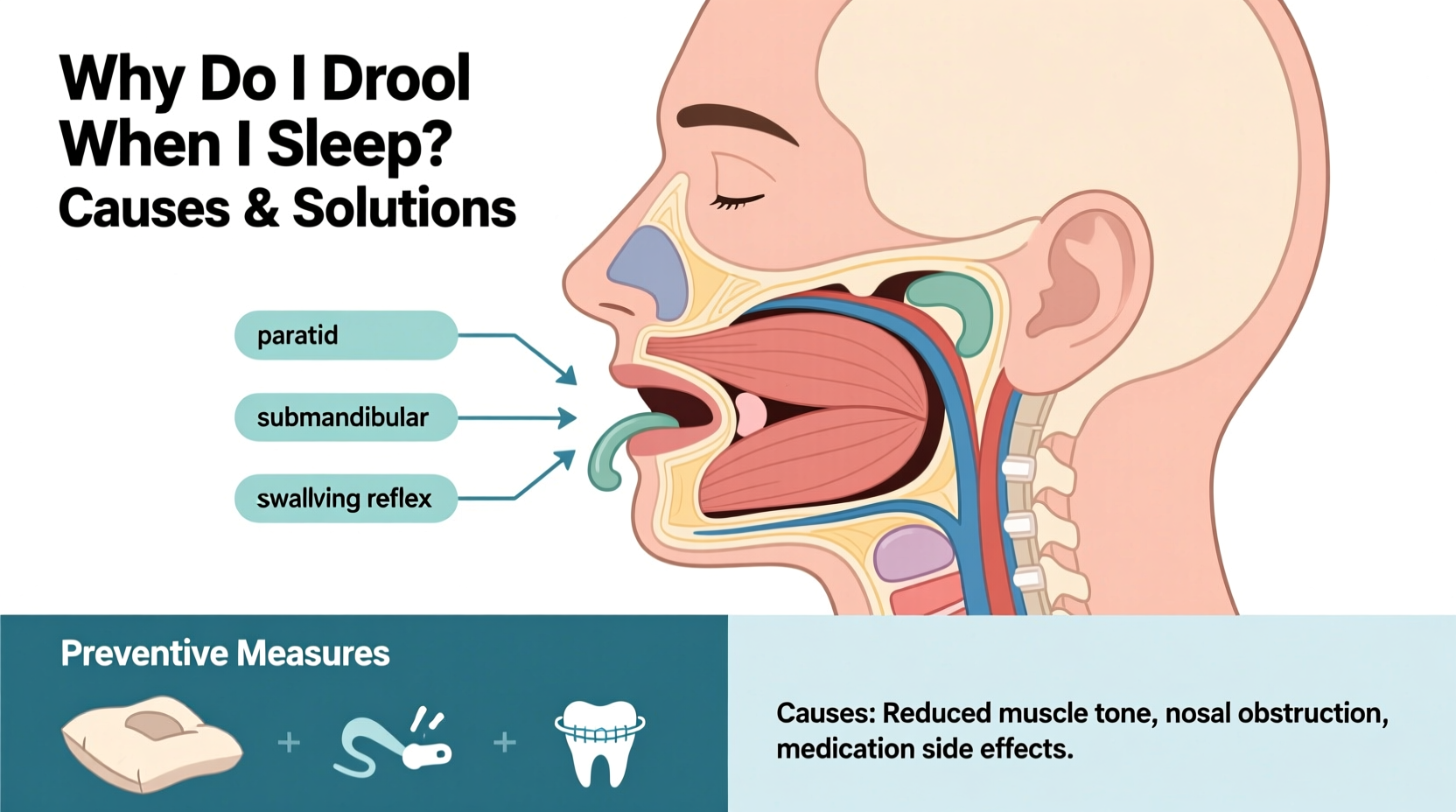
Saliva plays a vital role in digestion, oral hygiene, and protecting the mucous membranes in your mouth. Your body produces saliva continuously, regulated by the autonomic nervous system. During wakefulness, you swallow regularly, preventing buildup. But when you sleep, especially in deep stages, swallowing frequency decreases. If saliva continues to be produced without being swallowed, it can accumulate and escape through the corners of your mouth—resulting in drooling.
This process becomes more pronounced depending on your sleeping position, muscle relaxation, and airway dynamics. For instance, lying on your side or stomach increases gravitational pull on saliva, making leakage more likely. Additionally, certain medical conditions can heighten saliva production or impair swallowing reflexes, compounding the issue.
Common Causes of Nighttime Drooling
While some drooling is normal, persistent or heavy drooling (medically known as sialorrhea) may stem from several identifiable causes. Recognizing these can help determine whether the issue is temporary or requires further evaluation.
- Sleeping Position: Side or stomach sleepers are far more prone to drooling due to gravity pulling saliva out of the mouth.
- Nasal Congestion or Obstructed Airway: When breathing through the nose is difficult—due to allergies, colds, or deviated septum—you're more likely to breathe through your mouth, which dries oral tissues and triggers excess saliva production.
- Gastroesophageal Reflux Disease (GERD): Acid reflux can stimulate salivary glands as a protective mechanism, leading to increased saliva, particularly at night.
- Medications: Some drugs, including antipsychotics, anticonvulsants, and certain cholinergic agents, can increase saliva production as a side effect.
- Neurological Conditions: Disorders like Parkinson’s disease, ALS, stroke, or cerebral palsy can affect muscle control around the mouth and swallowing ability.
- Oral Health Issues: Poorly fitting dental appliances, gingivitis, or infections in the mouth can irritate salivary glands and lead to overproduction.
When Excess Drooling Might Signal a Medical Concern
Occasional drooling is typically harmless. However, if you notice sudden changes—such as waking up with soaked pillows, facial muscle weakness, difficulty speaking, or choking while eating—it's wise to consult a healthcare provider. Chronic drooling may indicate neurological dysfunction or sleep-related breathing disorders that require diagnosis and treatment.
“Persistent nocturnal drooling should not be dismissed. It can be a subtle sign of sleep apnea or neuromuscular issues.” — Dr. Lena Patel, Sleep Medicine Specialist
Practical Steps to Reduce Nighttime Drooling
In most cases, simple lifestyle adjustments can make a noticeable difference. Addressing root causes often reduces or eliminates unwanted drooling.
Step-by-Step Guide to Minimizing Drooling
- Elevate Your Head During Sleep: Use an extra pillow or an adjustable bed frame to keep your head slightly elevated. This helps prevent saliva pooling and improves breathing.
- Switch to Back Sleeping: Train yourself to sleep on your back using positional therapy aids (like a small pillow behind the back) to discourage rolling onto your side.
- Treat Nasal Congestion: Use saline sprays, nasal strips, or allergy medications to clear nasal passages and encourage nasal breathing.
- Manage GERD Symptoms: Avoid late-night meals, limit acidic foods, and consider over-the-counter antacids if reflux is suspected.
- Review Medications: Consult your doctor if you’re on medications known to increase saliva production. Alternatives may be available.
- Improve Oral Hygiene: Regular brushing, flossing, and dental checkups help prevent gum disease and irritation that can trigger excess saliva.
Do’s and Don’ts: Managing Sleep Drooling
| Do | Don’t |
|---|---|
| Use hypoallergenic pillows to reduce allergen exposure | Sleep face-down or with your cheek pressed into the pillow |
| Treat allergies or sinus issues promptly | Ignore chronic snoring or gasping during sleep |
| Stay hydrated during the day to maintain balanced saliva consistency | Consume alcohol before bed—it relaxes throat muscles and worsens mouth breathing |
| Practice good sleep hygiene (consistent bedtime, dark room, limited screen time) | Assume all drooling is normal without assessing patterns or severity |
Real-Life Example: How One Person Reduced Their Drooling
Mark, a 38-year-old software developer, noticed he was frequently waking up with damp pillows and morning jaw stiffness. Initially dismissing it as stress-related, he began tracking his symptoms after his partner mentioned loud snoring. A home sleep test revealed mild obstructive sleep apnea. With guidance from a sleep specialist, Mark started using a nasal dilator strip and switched to a CPAP machine. He also adjusted his mattress to elevate his upper body slightly. Within three weeks, both snoring and drooling decreased dramatically. His case highlights how addressing breathing issues can resolve secondary symptoms like excessive drooling.
Frequently Asked Questions
Is drooling during sleep normal?
Yes, light drooling is normal for many people, especially those who sleep on their side or stomach. However, heavy or sudden-onset drooling warrants evaluation, particularly if accompanied by other symptoms like choking, facial weakness, or breathing difficulties.
Can sleep apnea cause drooling?
Indirectly, yes. People with obstructive sleep apnea often breathe through their mouths due to blocked nasal passages. Mouth breathing alters oral pressure and can lead to saliva accumulation and drooling. Treating the apnea typically reduces this symptom.
Are there exercises to reduce drooling?
For individuals with mild neuromuscular control issues, oral motor exercises—such as tongue presses, lip closures, and controlled swallowing drills—can strengthen muscles involved in keeping the mouth closed. These should be guided by a speech-language pathologist if drooling is persistent or linked to a medical condition.
Final Thoughts and Action Plan
Drooling during sleep is often a manageable issue rooted in posture, breathing, or treatable health conditions. The key is awareness: track your symptoms, consider contributing factors, and don’t hesitate to seek professional insight when needed. Most people see improvement with simple changes—better sleep positioning, treating allergies, or managing acid reflux.
If lifestyle adjustments don’t help, or if you suspect an underlying condition like sleep apnea or neurological impairment, schedule an appointment with your primary care physician or a sleep specialist. Early intervention can improve not just dry pillows, but overall sleep quality and long-term health.




 浙公网安备
33010002000092号
浙公网安备
33010002000092号 浙B2-20120091-4
Comments
No comments yet. Why don't you start the discussion?