
Have you ever stood up from a seated or lying position and suddenly felt the room spin, your vision blur, or your legs go weak? You're not alone. This common experience—often dismissed as a minor inconvenience—is actually a physiological response known as orthostatic hypotension, or postural hypotension. While usually harmless in isolated cases, frequent episodes can signal underlying health issues or lead to falls and injuries. Understanding the causes behind this dizziness and learning how to manage it is essential for maintaining balance, safety, and long-term well-being.
The Science Behind Sudden Dizziness Upon Standing
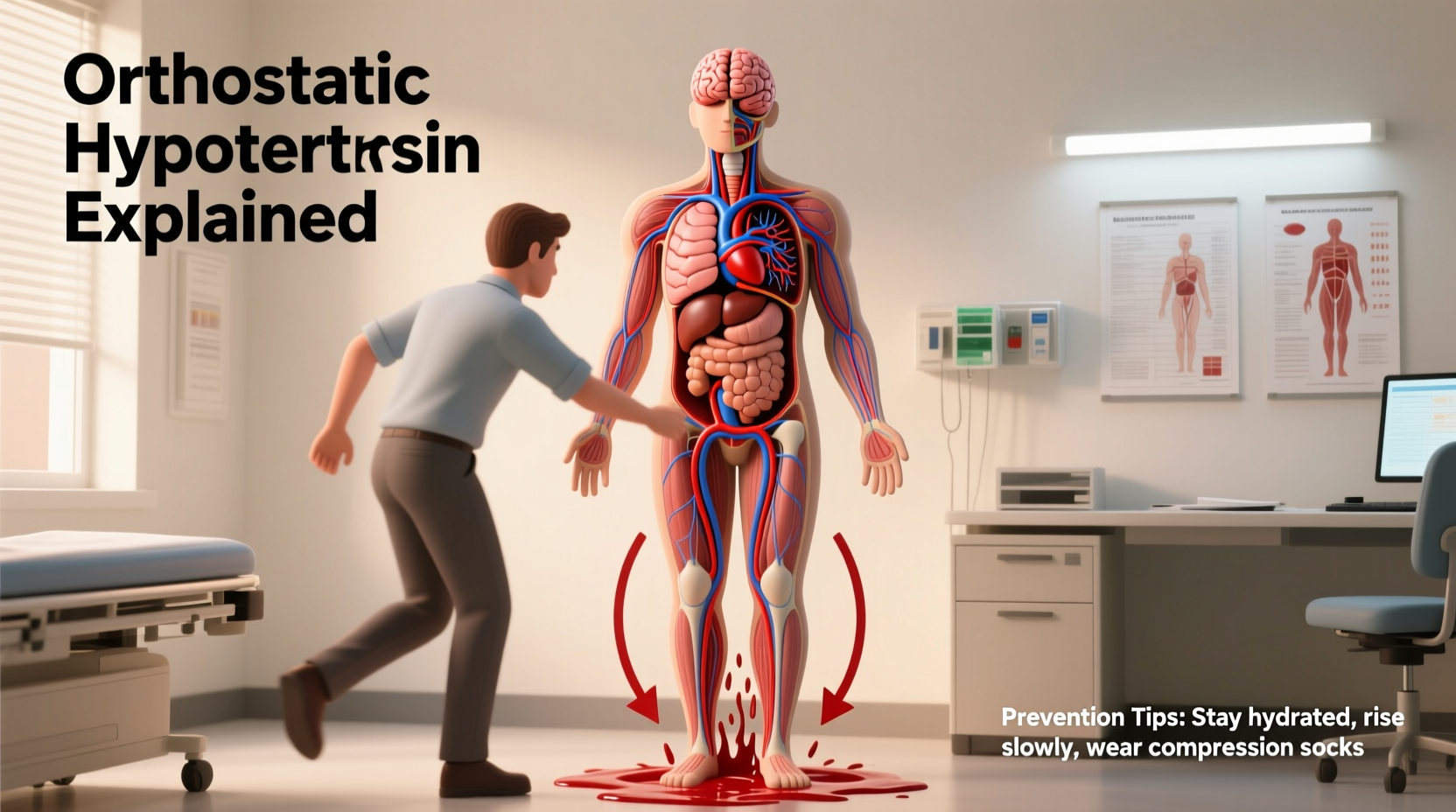
When you transition from sitting or lying down to standing, gravity pulls blood downward into your legs and abdomen. This shift temporarily reduces the amount of blood returning to your heart, which in turn lowers blood pressure and decreases oxygen flow to the brain. Your body normally compensates almost instantly: the autonomic nervous system signals your heart to beat faster and your blood vessels to constrict, restoring adequate circulation within seconds.
However, if this regulatory mechanism lags or fails, even briefly, you may experience dizziness, lightheadedness, blurred vision, or fainting. This condition is medically termed orthostatic hypotension, defined as a drop of at least 20 mm Hg in systolic blood pressure or 10 mm Hg in diastolic pressure within three minutes of standing.
This reflex is especially noticeable after prolonged rest, such as waking up or standing after a long period of sitting. It’s more common in older adults due to age-related changes in vascular elasticity and nervous system responsiveness, but younger individuals can also be affected—particularly those who are dehydrated, anemic, or on certain medications.
Common Causes of Orthostatic Dizziness
Dizziness upon standing isn’t always a sign of serious illness, but identifying the root cause is crucial for effective prevention. Below are some of the most frequent contributors:
- Dehydration: Low fluid volume reduces blood volume, making it harder for your body to maintain stable blood pressure.
- Medications: Diuretics, antidepressants, antihypertensives, and Parkinson’s drugs can interfere with blood pressure regulation.
- Prolonged Bed Rest: Inactivity weakens circulatory reflexes, increasing susceptibility to drops in blood pressure.
- Age-Related Changes: Blood vessels lose elasticity, and the autonomic nervous system slows with age.
- Anemia: Reduced red blood cell count impairs oxygen delivery to the brain.
- Diabetes: Can damage nerves involved in blood pressure control (autonomic neuropathy).
- Pregnancy: Increased blood demand and hormonal shifts can lower blood pressure, especially in the first and second trimesters.
- Heart Conditions: Arrhythmias, valve problems, or heart failure may impair cardiac output during positional changes.
“Even healthy individuals can experience transient orthostatic hypotension, but recurrent symptoms should never be ignored—especially in older patients.” — Dr. Linda Chen, Neurologist and Autonomic Specialist, Cleveland Clinic
Effective Prevention Strategies
Preventing dizziness when standing up involves supporting your body’s natural ability to regulate blood pressure. Simple lifestyle adjustments can make a significant difference over time. Here’s what works:
1. Rise Slowly and Strategically
Instead of jumping out of bed or chairs, adopt a three-step rise method:
- Lie flat → sit up slowly
- Sit on the edge of the bed or chair for 30 seconds
- Stand up while holding onto a stable surface
This gives your cardiovascular system time to recalibrate.
2. Stay Hydrated Throughout the Day
Chronic mild dehydration is a silent contributor to low blood pressure. Aim for at least 6–8 glasses of water daily, more if you’re active or live in a hot climate. Adding a pinch of salt to meals (if not contraindicated) can help retain fluid and support blood volume.
3. Increase Salt Intake (With Caution)
For people with chronically low blood pressure and no history of hypertension, moderate salt intake can help stabilize readings. However, consult your doctor before making dietary changes—excessive sodium can be dangerous for others.
4. Wear Compression Stockings
These garments apply gentle pressure to the legs, reducing blood pooling and improving venous return. They’re particularly helpful for those with varicose veins or chronic orthostatic intolerance.
5. Exercise Regularly
Aerobic activities like walking, swimming, or cycling strengthen heart function and improve circulation. Even light resistance training helps maintain muscle tone that supports blood flow from the lower extremities.
Do’s and Don’ts: A Quick Reference Table
| Do’s | Don’ts |
|---|---|
| Rise slowly from sitting or lying positions | Jump up quickly after resting |
| Drink water consistently throughout the day | Wait until you're thirsty to hydrate |
| Perform gentle morning stretches before getting up | Skimp on sleep or disrupt circadian rhythms |
| Monitor blood pressure regularly if prone to dizziness | Ignore recurring symptoms or dismiss them as normal aging |
| Wear compression socks if recommended by a doctor | Stand still for long periods without shifting weight |
Real-Life Example: Managing Dizziness in Daily Life
Consider Maria, a 68-year-old retired teacher who began experiencing frequent dizziness when getting out of bed or standing from her favorite armchair. At first, she brushed it off as part of aging. But after nearly falling while grocery shopping, she consulted her primary care physician.
Blood tests revealed mild anemia and slightly low blood pressure. She was also taking a blood pressure medication that, while appropriate, contributed to excessive drops when upright. Her doctor adjusted her dosage, recommended iron supplements, and advised her to increase fluid and salt intake moderately.
Maria started using the “sit-edge-stand” technique every morning and began wearing knee-high compression stockings. Within two weeks, her symptoms improved dramatically. She now performs ankle circles before rising and keeps a water bottle nearby at all times.
Her story highlights how seemingly minor interventions, guided by medical insight, can restore confidence and independence.
Step-by-Step Guide to Reduce Morning Dizziness
If you often feel lightheaded upon waking, follow this practical routine to minimize risk:
- Before Opening Eyes: Take five deep breaths to activate circulation gently.
- Stretch in Bed: Move arms and legs, flex feet to stimulate blood flow.
- Roll to Side: Transition from back to side-lying position slowly.
- Sit Up Gradually: Use arms to push up and pause with feet on the floor.
- Wait 30 Seconds: Let your body adapt before standing.
- Stand with Support: Hold onto a nightstand or wall for balance.
- Hydrate Early: Drink a glass of water within 10 minutes of rising.
This sequence respects your body’s need for gradual adjustment and is especially valuable for older adults or those recovering from illness.
Frequently Asked Questions
Is it normal to feel dizzy every time I stand up?
Occasional mild dizziness may be normal, especially after dehydration or prolonged sitting. However, consistent or severe symptoms are not typical and warrant evaluation by a healthcare provider to rule out conditions like autonomic dysfunction, anemia, or cardiac issues.
Can low iron cause dizziness when standing?
Yes. Iron deficiency anemia reduces the blood’s oxygen-carrying capacity. When combined with reduced cerebral perfusion upon standing, this can amplify feelings of lightheadedness, fatigue, and brain fog. Treating the underlying anemia often resolves these symptoms.
Should I be worried about fainting?
If you’ve fainted or come close to losing consciousness when standing, seek medical attention. Syncope (fainting) can indicate serious cardiovascular or neurological problems. Even one episode merits investigation to prevent future risks like injury from falls.
Expert Recommendations and Long-Term Outlook
While orthostatic dizziness is common, persistent or worsening symptoms should prompt a visit to your doctor. Diagnostic tools may include a tilt-table test, blood work, ECG, or assessment of autonomic function. Treatment depends on the underlying cause—whether adjusting medications, managing diabetes, treating anemia, or addressing nerve damage.
In many cases, non-pharmacological strategies are sufficient. According to the American Heart Association, lifestyle modifications such as hydration, physical counter-maneuvers (like leg crossing or squatting), and exercise programs tailored to improve orthostatic tolerance are foundational in management.
“Patients often don’t report dizziness because they think it’s inevitable. But we can often improve their quality of life significantly with simple, targeted interventions.” — Dr. Rajiv Patel, Cardiologist, Johns Hopkins Medicine
Conclusion: Take Control of Your Stability
Feeling dizzy when standing up too quickly is more than just a fleeting annoyance—it’s a signal from your body that something in your circulatory or nervous system needs attention. Whether it's improving hydration, modifying your rise routine, or consulting a doctor about potential health conditions, small actions today can prevent falls, boost energy, and enhance your overall resilience.
You don’t have to live with lightheadedness. Start implementing these evidence-based strategies now. Monitor your symptoms, prioritize self-care, and don’t hesitate to seek professional guidance if dizziness becomes frequent or disruptive.




 浙公网安备
33010002000092号
浙公网安备
33010002000092号 浙B2-20120091-4
Comments
No comments yet. Why don't you start the discussion?