
Waking up, getting off the couch, or simply rising from a seated position should be routine. But if you frequently feel lightheaded, unsteady, or like the room is spinning when you stand, something deeper may be at play. This sensation—often described as dizziness upon standing—is medically known as orthostatic hypotension or postural hypotension. While occasional mild dizziness can be normal, recurring or severe symptoms warrant attention. The root causes range from simple dehydration to more complex neurological or cardiovascular conditions. Understanding what’s behind your dizziness empowers you to take control of your health.
What Happens When You Stand Up?
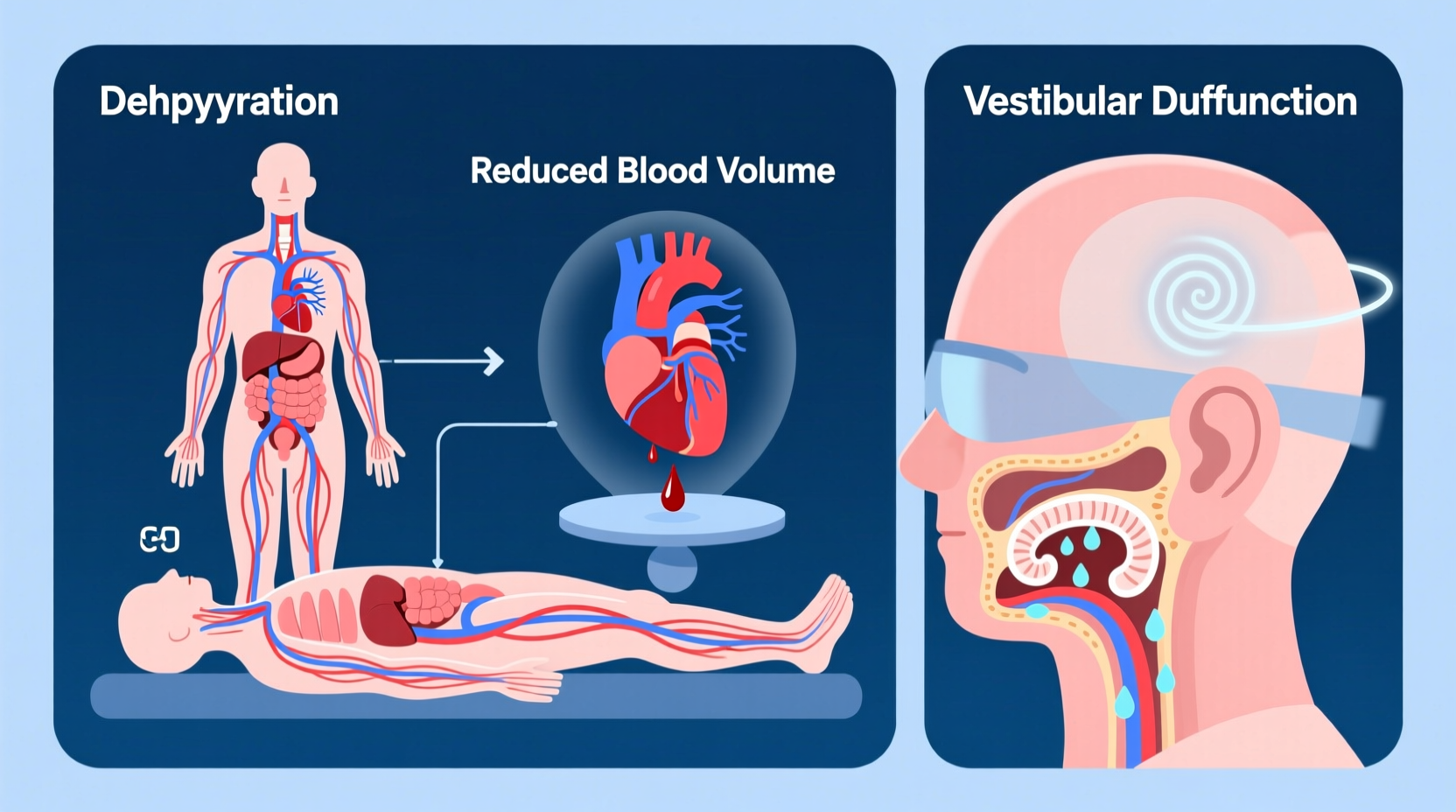
When you transition from sitting or lying down to standing, gravity pulls blood downward into your legs and abdomen. In response, your body automatically adjusts: your heart rate increases slightly, and your blood vessels constrict to maintain adequate blood flow to the brain. If this regulatory system falters—even briefly—your brain receives less oxygen, leading to dizziness, blurred vision, or even fainting.
This momentary drop in blood pressure is usually corrected within seconds. However, in some individuals, the adjustment is delayed or insufficient, causing noticeable symptoms. The medical term for this condition is *orthostatic hypotension*, defined as a drop of at least 20 mm Hg in systolic blood pressure or 10 mm Hg in diastolic pressure within three minutes of standing.
Common Causes of Dizziness Upon Standing
Dizziness when standing isn’t a diagnosis—it’s a symptom. Identifying the underlying cause is essential for effective treatment. Below are the most frequent contributors, ranging from lifestyle factors to medical conditions.
Dehydration
One of the simplest yet most common causes of orthostatic dizziness is dehydration. When fluid levels in your body drop, so does your blood volume. Less blood volume means lower blood pressure, especially when gravity shifts circulation during standing.
Situations that increase dehydration risk include intense exercise without proper rehydration, hot weather, vomiting, diarrhea, or not drinking enough water throughout the day. Older adults are particularly vulnerable due to reduced thirst sensitivity.
Medication Side Effects
Many prescription drugs affect blood pressure regulation. Common culprits include:
- Blood pressure medications (e.g., beta-blockers, calcium channel blockers)
- Diuretics (\"water pills\") that reduce fluid volume
- Antidepressants, especially tricyclics
- Parkinson’s disease medications
- Alpha-blockers used for enlarged prostate
If you started experiencing dizziness after beginning a new medication, consult your doctor. Never stop taking prescribed medication without medical advice.
Inner Ear Disorders
The inner ear plays a crucial role in balance through the vestibular system. Conditions such as benign paroxysmal positional vertigo (BPPV), Meniere’s disease, or vestibular neuritis can distort spatial orientation, making you feel dizzy—not just when standing, but with head movements too.
BPPV, for example, occurs when tiny calcium crystals in the inner ear become dislodged and send false signals about motion. It often causes brief, intense vertigo triggered by changing positions, including standing up.
“Dizziness related to inner ear dysfunction often comes with a spinning sensation and may be accompanied by nausea or hearing changes.” — Dr. Lena Torres, Neurotologist
Low Blood Sugar (Hypoglycemia)
Especially in people with diabetes, skipping meals or taking too much insulin can lead to low blood sugar. Symptoms include shakiness, sweating, confusion, and dizziness upon standing. The brain relies heavily on glucose, and sudden drops impair its function, amplifying lightheadedness during posture changes.
Heart and Circulatory Conditions
Underlying cardiovascular problems can compromise the body’s ability to regulate blood pressure. These include:
- Bradycardia (slow heart rate)
- Heart valve disorders
- Heart failure
- Arrhythmias
In these cases, the heart cannot pump effectively to compensate for gravitational shifts in blood flow, resulting in persistent dizziness.
Neurological Disorders
Diseases affecting the autonomic nervous system—which controls involuntary functions like blood pressure—can disrupt orthostatic regulation. Examples include Parkinson’s disease, multiple system atrophy (MSA), and diabetic neuropathy. These conditions impair nerve signals that normally tighten blood vessels when standing.
When to Seek Medical Attention
Occasional mild dizziness when standing quickly may not be alarming. However, certain red flags indicate the need for prompt evaluation:
- Frequent or worsening episodes
- Fainting or near-fainting (syncope)
- Chest pain or palpitations
- Shortness of breath
- Slurred speech, weakness, or vision changes (possible stroke signs)
- Dizziness lasting more than a few minutes
Seek immediate care if dizziness is accompanied by any neurological symptoms. Sudden imbalance could signal a transient ischemic attack (TIA) or other cerebrovascular event.
Diagnostic Process
A healthcare provider will typically begin with a detailed history and physical exam. They may perform a \"tilt test\" where your blood pressure and heart rate are measured while lying down and again after standing for one to three minutes.
Additional tests might include:
- Blood tests (to check for anemia, electrolyte imbalances, or diabetes)
- Electrocardiogram (ECG) or Holter monitor (for heart rhythm)
- Tilt table test (for suspected autonomic dysfunction)
- Vestibular testing (if inner ear involvement is suspected)
Prevention and Management Strategies
Managing dizziness when standing involves addressing both immediate triggers and long-term habits. Depending on the cause, a combination of lifestyle adjustments and medical treatment can significantly reduce or eliminate symptoms.
Step-by-Step Guide to Reduce Dizziness Episodes
- Hydrate consistently: Aim for 6–8 glasses of water daily. Increase intake in heat or during exercise.
- Rise slowly: After waking, sit on the edge of the bed for 30 seconds before standing.
- Stay active: Regular exercise improves circulation and helps maintain blood pressure stability.
- Review medications: Ask your doctor if any prescriptions could contribute to dizziness.
- Monitor blood pressure: Check it at home, especially before and after standing, to detect patterns.
- Eat balanced meals: Avoid large carbohydrate-heavy meals that can cause postprandial hypotension.
- Limit alcohol: Alcohol dilates blood vessels and worsens orthostatic drops.
Checklist: Daily Habits to Prevent Dizziness
- ✅ Drink water first thing in the morning
- ✅ Avoid prolonged standing without shifting weight
- ✅ Perform ankle pumps before standing (helps push blood upward)
- ✅ Sleep with the head of the bed slightly elevated (reduces nighttime fluid shifts)
- ✅ Eat smaller, more frequent meals if post-meal dizziness occurs
- ✅ Keep a symptom journal (note timing, triggers, severity)
Real-Life Example: Maria’s Experience
Maria, a 68-year-old retired teacher, began noticing she felt “woozy” every morning when getting out of bed. At first, she dismissed it as aging. But after nearly falling twice in her kitchen, she scheduled a doctor’s visit.
Her physician measured her blood pressure lying down: 128/80 mm Hg. Three minutes after standing, it dropped to 96/64 mm Hg—with Maria reporting dizziness. Further review revealed she had recently increased her diuretic dose for high blood pressure and wasn’t drinking enough fluids.
With guidance, Maria adjusted her medication timing, increased her salt and water intake slightly (under supervision), and adopted a slower rising routine. Within two weeks, her symptoms improved dramatically. Her case highlights how a combination of medication effects and dehydration can create significant but reversible dizziness.
Do’s and Don’ts: Quick Reference Table
| Do’s | Don’ts |
|---|---|
| Stay hydrated throughout the day | Stand up abruptly from lying or sitting |
| Move legs and flex feet before standing | Ignore frequent dizziness or near-fainting |
| Review medications with your doctor regularly | Overuse alcohol or caffeine, which can dehydrate |
| Use assistive devices if balance is impaired | Self-diagnose or stop medications without consultation |
| Track symptoms in a journal | Exercise in extreme heat or humidity without hydration |
Frequently Asked Questions
Is it normal to feel dizzy when standing up occasionally?
Yes, mild, brief dizziness when rising quickly can happen to anyone, especially after being still for a long time. However, regular or severe dizziness is not normal and should be evaluated.
Can anxiety cause dizziness when standing?
Anxiety itself doesn’t directly cause orthostatic hypotension, but it can amplify sensations of lightheadedness. Hyperventilation from anxiety lowers carbon dioxide levels, which may cause dizziness that feels worse when standing. However, true orthostatic dizziness stems from blood pressure changes, so distinguishing between psychological and physiological causes is important.
Why do I feel dizzy when standing up after using the bathroom?
This is surprisingly common, especially at night. Straining during bowel movements or urination can stimulate the vagus nerve, temporarily slowing the heart and lowering blood pressure—a phenomenon called vasovagal syncope. Combine that with dehydration or low blood sugar, and dizziness becomes more likely.
Conclusion: Take Control of Your Stability
Feeling dizzy when standing up is more than just an inconvenience—it can impact your independence and safety. Whether the cause is dehydration, medication side effects, inner ear disturbances, or an underlying health condition, identifying the trigger is the first step toward relief. Simple changes like improving hydration, moving slowly, and reviewing medications can make a dramatic difference. For others, medical evaluation and targeted treatment are necessary.
Don’t dismiss recurrent dizziness as just part of getting older or being tired. Listen to your body. Track your symptoms. Talk to your doctor. With the right approach, most causes of orthostatic dizziness are manageable, allowing you to move through your day with confidence and steadiness.




 浙公网安备
33010002000092号
浙公网安备
33010002000092号 浙B2-20120091-4
Comments
No comments yet. Why don't you start the discussion?