
It’s Sunday evening. You’ve spent the day reading, napping, or watching a series—exactly what you needed. Yet instead of feeling refreshed, a quiet voice whispers: “You could’ve done more.” That whisper is productivity shame, and it’s more common than you think. In a culture that glorifies hustle, busyness, and constant output, taking time to rest can feel like a moral failure. But rest isn’t laziness—it’s a biological necessity. Understanding why this guilt arises and learning how to dismantle it is essential for long-term mental health, creativity, and sustainable success.
The Roots of Productivity Shame
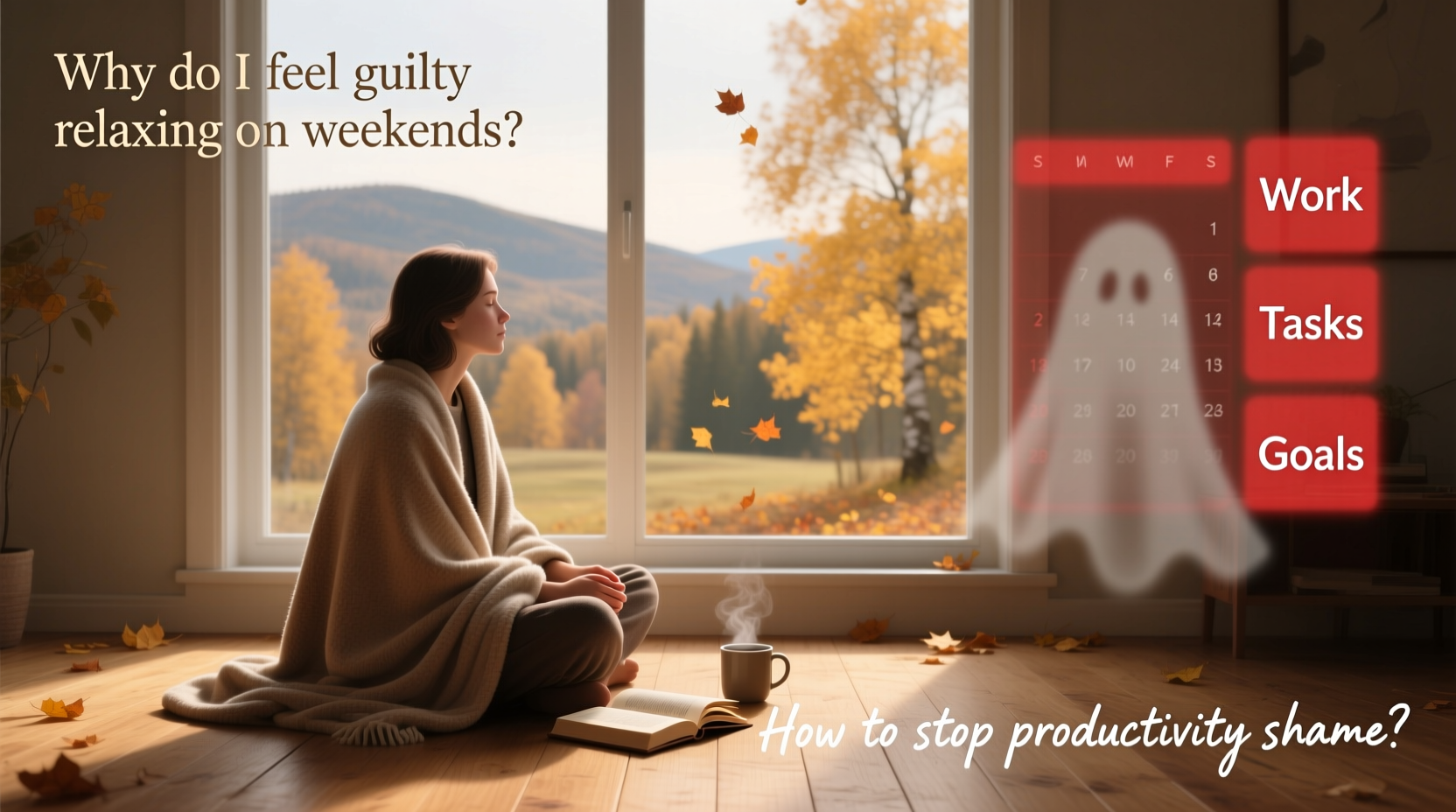
Productivity shame—the emotional burden of not doing enough—isn’t just personal weakness. It’s deeply embedded in cultural, societal, and psychological systems. For decades, Western societies have equated worth with output. The “Protestant work ethic” still lingers in modern workplaces, where being busy is often mistaken for being important. Social media amplifies this by showcasing highlight reels of nonstop achievement, making downtime seem indulgent or irresponsible.
Psychologically, guilt around rest stems from internalized beliefs formed early in life. Many people grow up hearing messages like:
- “Don’t waste your time.”
- “There’s always more you could be doing.”
- “Success comes to those who work hard.”
These ideas become automatic thoughts. When you relax, your brain may interpret it as falling short of an invisible standard. Over time, rest triggers anxiety rather than relief. This isn’t a character flaw—it’s a conditioned response.
“We’ve built a society that rewards burnout and punishes recovery. Guilt about rest is a symptom of a broken system, not a personal failing.” — Dr. Elena Torres, Clinical Psychologist & Author of *The Rest Imperative*
How Productivity Culture Hijacks Your Downtime
Modern work environments often normalize overwork. Remote work blurs boundaries between home and office. Smartphones keep us perpetually connected. Even when we’re off the clock, we check emails, plan tasks, or scroll through professional networks—all reinforcing the idea that value comes from constant activity.
This environment creates a paradox: we need rest to perform well, yet we feel unworthy when we take it. The result? Weekend relaxation becomes fraught with tension. Instead of recharging, many people engage in “performative rest”—posting about their vacation, framing leisure as self-improvement (e.g., “I’m hiking to boost my mental clarity”), or scheduling every minute of free time to avoid feeling idle.
Recognizing the Signs of Productivity Shame
Guilt about relaxing doesn’t always announce itself loudly. It often appears subtly, disguised as mild anxiety, irritability, or compulsive planning. Common signs include:
- Feeling tense when not working, even on weekends
- Justifying rest with phrases like “I earned this” or “I’ll work twice as hard tomorrow”
- Using leisure time to prepare for future tasks (e.g., meal prepping, organizing files)
- Experiencing intrusive thoughts like “I should be doing something useful”
- Avoiding true idleness—even short breaks feel uncomfortable
Left unaddressed, these patterns contribute to chronic stress, insomnia, and diminished joy. The body cannot distinguish between physical labor and mental strain. A mind constantly monitoring its own productivity is working—even when the body is still.
A Real Example: Sarah’s Saturday Struggle
Sarah, a 34-year-old project manager, looked forward to weekends all week. But each Saturday, she’d wake up with a knot in her stomach. She’d spend hours cleaning, running errands, or answering work emails “just to stay ahead.” When she tried to sit and read, she’d last 20 minutes before checking her calendar or opening her laptop.
After months of fatigue and irritability, Sarah spoke with a therapist. She realized her sense of self-worth was tied entirely to accomplishment. Rest felt like surrender. With guidance, she began setting small boundaries: one hour of phone-free morning time, no work talk during dinner, and scheduled “do-nothing” afternoons. Within weeks, her anxiety decreased, and she started enjoying her weekends—without guilt.
Strategies to Overcome Productivity Shame
Letting go of productivity shame isn’t about rejecting ambition. It’s about redefining what a meaningful life looks like—one that includes space for stillness, curiosity, and simply being. Below are practical, evidence-based approaches to reclaim rest as a right, not a reward.
1. Reframe Rest as Productive
Your brain consolidates memories, processes emotions, and repairs cells during downtime. Rest isn’t passive—it’s regenerative. Instead of seeing relaxation as lost time, view it as maintenance for sustained performance.
2. Set Boundaries Around Work Identity
When your job defines your identity, stopping work feels like losing yourself. Challenge this by cultivating interests outside of productivity. Join a hobby group, volunteer for a cause unrelated to your career, or explore creative outlets with no end goal.
3. Practice Unstructured Time
Start small. Schedule 15 minutes daily with no agenda. Sit quietly, stare out the window, or doodle. The goal isn’t to “get better” at relaxing—it’s to tolerate the discomfort of not producing. Over time, your nervous system learns that safety doesn’t require effort.
4. Audit Your Environment
Are your social circles filled with people who brag about sleep deprivation? Do your workplace leaders equate late nights with dedication? Surrounding yourself with hyper-productive narratives reinforces shame. Seek communities that value balance, sustainability, and emotional honesty.
Step-by-Step Guide to Reclaiming Weekend Rest
Breaking the cycle of guilt takes intention. Follow this five-step process to build a healthier relationship with downtime.
- Track Your Thoughts: For three days, jot down any guilt-related thoughts about rest. Note the trigger (e.g., lying on the couch) and the belief (“I’m wasting time”).
- Challenge the Belief: Ask: “Is this thought based on fact or fear? Would I judge a friend this harshly for resting?” Replace judgment with compassion.
- Create Rituals: Design a weekend routine that includes guilt-free rest. Example: Saturday mornings = coffee + journaling + 30 minutes of music with no screens.
- Communicate Boundaries: Tell colleagues or family: “I’m offline after 6 p.m. on weekends unless it’s urgent.” Repeat without apology.
- Measure Success Differently: At week’s end, reflect not on tasks completed, but on energy levels, mood, and moments of presence.
Do’s and Don’ts of Managing Productivity Guilt
| Do | Don’t |
|---|---|
| Allow yourself to rest without justification | Wait until you’re exhausted to take a break |
| Use calming language: “I’m recharging” vs. “I’m doing nothing” | Compare your downtime to others’ productivity |
| Practice mindfulness during rest (notice sounds, breath, sensations) | Multitask while trying to relax (e.g., watching TV while working) |
| Seek support if guilt persists despite efforts | Assume you must fix this alone |
FAQ: Common Questions About Productivity Shame
Isn’t some guilt healthy? Doesn’t it keep me motivated?
Guilt can be functional in moderation—like remembering to send a thank-you note. But chronic productivity guilt is counterproductive. Research shows it leads to burnout, reduced creativity, and lower overall performance. Sustainable motivation comes from purpose and self-care, not fear.
What if my job demands constant availability?
In high-pressure roles, systemic change is harder—but not impossible. Start with micro-boundaries: disable notifications after hours, batch-check emails twice a day, or use auto-replies. Advocate for team norms that protect downtime. Remember: no company benefits long-term from an exhausted workforce.
How do I explain my need for rest to others without sounding lazy?
You don’t owe explanations. But if asked, frame rest as performance-enhancing: “I’m protecting my focus,” or “I recharge so I can show up fully.” Most people respect boundaries when they’re stated clearly and confidently.
Conclusion: Rest Is Resistance
Choosing to relax in a world that values output above all else isn’t just self-care—it’s quiet rebellion. Every time you lie on the grass without checking your phone, or say no to overtime, you challenge the myth that your worth is tied to what you produce.
Productivity shame didn’t appear overnight, and it won’t vanish instantly. But with consistent practice, you can rebuild your relationship with rest. Begin not with grand gestures, but with small acts of permission: ten minutes of silence, a walk with no destination, a weekend where “doing nothing” counts as enough.




 浙公网安备
33010002000092号
浙公网安备
33010002000092号 浙B2-20120091-4
Comments
No comments yet. Why don't you start the discussion?