
Loneliness is not just about being physically alone. Many people experience a deep sense of isolation despite being surrounded by friends, family, or colleagues. This paradox—feeling lonely in a crowd—is more common than you might think. It reflects a disconnect between physical presence and emotional connection. Understanding the psychological roots of this phenomenon can help us recognize its signs, address its causes, and foster more meaningful relationships.
The Psychology of Emotional Loneliness
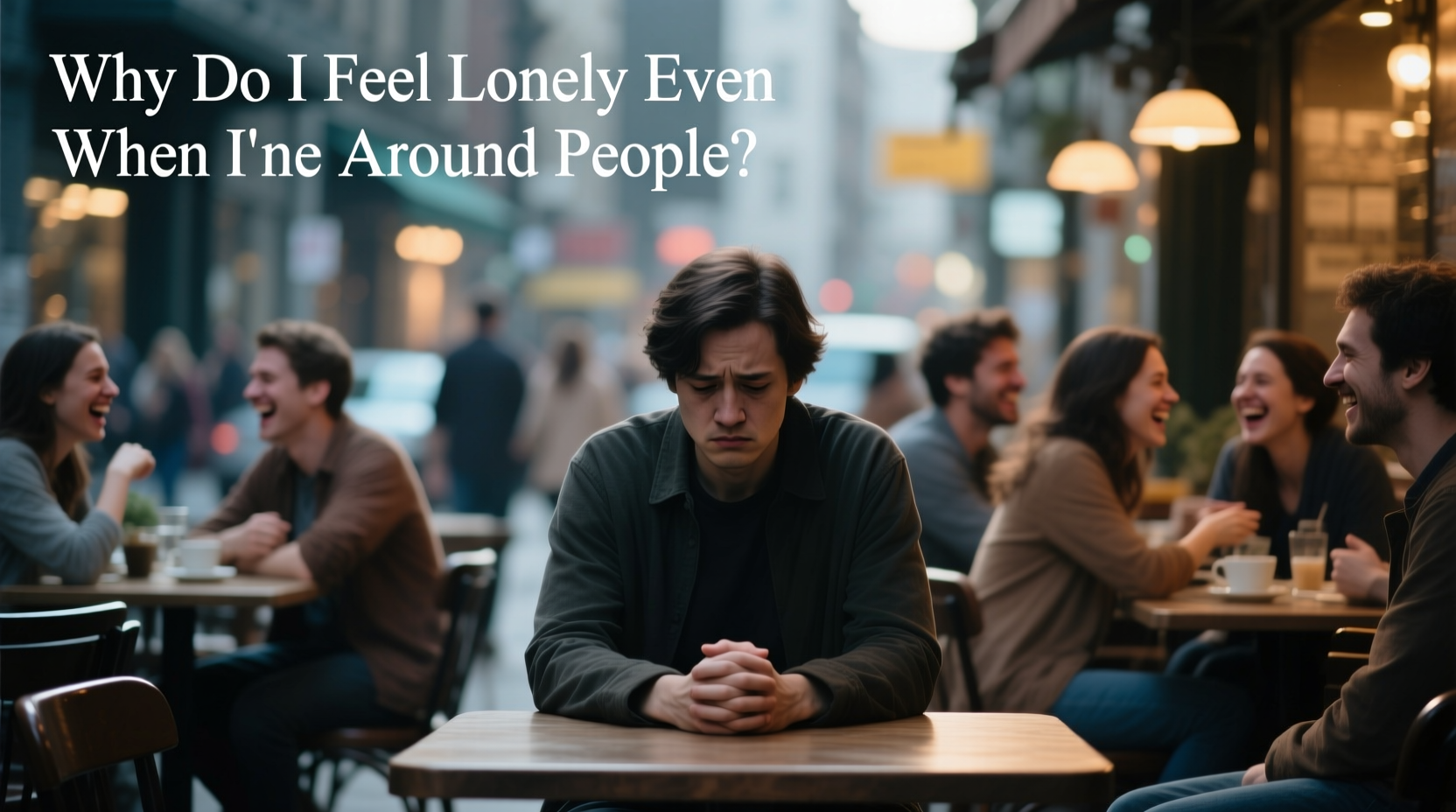
Psychologists distinguish between two types of loneliness: social and emotional. Social loneliness arises when someone lacks a broad network of interactions. Emotional loneliness, however, occurs when there’s an absence of deep, intimate bonds—even if one is socially active. You might attend parties, work in a bustling office, or live with roommates, yet still feel unseen, unheard, or misunderstood.
This form of loneliness stems from what attachment theory calls “emotional attunement.” When we don’t feel emotionally validated or reciprocated in our relationships, the brain registers a lack of safety and belonging. Dr. John Cacioppo, a pioneering researcher on loneliness, found that perceived isolation activates the same neural pathways as physical pain. In essence, the brain treats emotional disconnection as a threat to survival.
Modern environments often exacerbate this issue. We’re more connected digitally than ever, yet many conversations remain superficial. Social media encourages performance over vulnerability, making it harder to express authentic needs. Over time, individuals may internalize the belief that their true selves aren’t worthy of love or attention, further deepening the sense of isolation.
Common Causes of Loneliness Amidst Company
Several psychological and environmental factors contribute to feeling lonely despite being around others. These include:
- Fear of Vulnerability: Many avoid sharing personal thoughts or emotions due to past rejection or shame. Without vulnerability, relationships stay surface-level.
- Mismatched Communication Styles: Some people prioritize logic over emotion, making it difficult for expressive individuals to feel understood.
- High Functioning Depression (Dysthymia): Individuals may appear happy and functional while internally struggling with chronic sadness and disconnection.
- Sensory or Neurodivergent Traits: People with autism or ADHD may struggle with social cues, leading to miscommunication and feelings of alienation.
- Cultural or Identity Isolation: Being part of a minority group in a dominant culture can create a sense of not fully belonging, even in inclusive settings.
A telling example is Maria, a 32-year-old marketing executive. She attends weekly team lunches, has hundreds of LinkedIn connections, and frequently posts cheerful updates online. Yet privately, she describes feeling like an “observer” in her own life. “I laugh at jokes,” she says, “but I’m not really present. No one knows I’ve been crying after work every day.” Her experience illustrates how external engagement doesn’t guarantee internal connection.
“Loneliness is not about solitude; it’s about the absence of meaningful recognition. You can be in a room full of people and still feel invisible.” — Dr. Amira Patel, Clinical Psychologist
How Attachment Styles Influence Connection
Early relationships shape how we relate to others throughout life. According to attachment theory, developed by John Bowlby and Mary Ainsworth, our childhood experiences with caregivers form internal working models of relationships. These models influence whether we seek closeness, avoid intimacy, or fluctuate unpredictably between the two.
| Attachment Style | Behavior in Relationships | Impact on Loneliness |
|---|---|---|
| Secure | Comfortable with intimacy and independence | Lower risk of chronic loneliness |
| Anxious-Preoccupied | Craves closeness but fears abandonment | Feels lonely even when partnered; seeks constant reassurance |
| Dismissive-Avoidant | Values independence, suppresses emotional needs | May deny loneliness but feels disconnected over time |
| Fearful-Avoidant | Desires closeness but fears getting hurt | Experiences intense loneliness due to relational push-pull |
If your early environment was inconsistent or emotionally unavailable, you may have developed an insecure attachment style. This doesn’t mean you’re destined for loneliness—but it does mean you may need to consciously build skills like emotional regulation, trust, and communication to form deeper bonds.
Strategies to Cultivate Authentic Connection
Overcoming loneliness isn’t just about increasing social contact—it’s about improving the quality of connection. Here are practical steps grounded in cognitive-behavioral and psychodynamic approaches:
- Practice Self-Disclosure Gradually: Begin by sharing small personal insights with trusted individuals. For example, instead of saying “I’m fine,” try “I’ve been stressed about a project lately.” Observe how others respond. Positive reactions can reinforce trust.
- Identify Emotional Needs: Ask yourself: What do I need in this moment—validation, advice, silence, or companionship? Naming your need makes it easier to communicate.
- Seek Depth Over Breadth: Prioritize a few meaningful conversations over multiple casual ones. One honest exchange can alleviate loneliness more than ten small talk sessions.
- Join Purpose-Driven Groups: Engage in activities tied to values—volunteering, creative workshops, or support groups. Shared purpose fosters natural bonding.
- Challenge Negative Beliefs: If you believe “No one would care if I shared,” test that assumption gently. You may discover others feel similarly but are also waiting for someone to go first.
A Mini Case Study: From Isolation to Integration
David, a 45-year-old software developer, moved to a new city for work. He joined a tech meetup group and attended networking events regularly. Despite meeting dozens of people, he felt increasingly isolated. “Everyone talked about code,” he said, “but no one asked how I was doing.”
After several months, David signed up for a mindfulness-based stress reduction course. Unlike professional settings, the group encouraged emotional check-ins. At first, he remained silent. But when another participant shared feeling overwhelmed, David admitted, “I feel that way too. I haven’t told anyone.”
To his surprise, three people approached him afterward. One said, “I thought I was the only one struggling.” That single moment of vulnerability opened doors to regular coffee meetups and eventually close friendships. David realized that authenticity—not frequency—was the key to connection.
Checklist: Building Deeper Connections
Use this checklist to assess and improve your relational well-being:
- ☑ I can name at least one person I feel safe sharing personal struggles with
- ☑ I initiate conversations beyond surface topics at least once a week
- ☑ I notice and reflect on my emotional state after social interactions
- ☑ I’ve tested a negative belief about relationships (e.g., “People will judge me”) with a small act of openness
- ☑ I participate in at least one activity where emotional expression is encouraged
- ☑ I practice self-compassion when I feel lonely, rather than self-criticism
FAQ: Common Questions About Loneliness
Is feeling lonely a sign of depression?
Not always, but chronic loneliness is a significant risk factor for depression. While loneliness is an emotional response to unmet connection needs, depression involves persistent low mood, fatigue, and loss of interest in activities. However, the two often coexist. If loneliness is affecting your daily functioning, consider speaking with a mental health professional.
Can introverts feel lonelier than extroverts?
Introverts typically need less social stimulation and may enjoy solitude, so they’re not inherently more prone to loneliness. However, if an introvert desires deep connection but lacks opportunities for it, they may experience intense emotional loneliness. The key factor is alignment between social needs and actual experiences, not personality type alone.
How long does it take to overcome chronic loneliness?
There’s no fixed timeline. For some, small behavioral changes yield improvement within weeks. For others, especially those with attachment trauma or social anxiety, it may take months of consistent effort. Progress is rarely linear—setbacks are normal. What matters most is persistence and self-awareness.
Conclusion: Reclaiming Connection in a Disconnected World
Feeling lonely in the presence of others is not a personal failure. It’s a signal—a quiet whisper from your psyche that your emotional needs are not being met. In a world that often equates busyness with belonging, it takes courage to slow down, look inward, and ask: “Am I truly seen?”
The path out of loneliness begins with self-acceptance. When we stop judging our need for connection as weakness, we open the door to authenticity. Small acts of courage—sharing a fear, asking for support, staying present in conversation—accumulate into profound change. Relationships deepen. Isolation recedes. And slowly, the ache of loneliness gives way to the warmth of being known.




 浙公网安备
33010002000092号
浙公网安备
33010002000092号 浙B2-20120091-4
Comments
No comments yet. Why don't you start the discussion?