
Exercising on an empty stomach, often referred to as fasted cardio or training in a fasted state, has gained popularity for its potential fat-burning benefits. Many people skip breakfast and head straight to the gym hoping to maximize calorie burn. However, a common side effect—nausea—can turn what should be an energizing workout into an uncomfortable ordeal. If you've ever felt queasy, dizzy, or even vomited during or after a fasted workout, you're not alone. This article explores the physiological reasons behind post-workout nausea when exercising without food, identifies risk factors, and provides practical solutions to help you train effectively without sacrificing comfort.
The Physiology of Fasted Exercise and Nausea
When you work out on an empty stomach, your body operates under different metabolic conditions than it does after eating. Typically, after a meal, glucose from carbohydrates becomes the primary fuel source for muscles and the brain. But during fasting—especially after an overnight fast—glycogen stores (stored glucose) are lower, and insulin levels drop. In response, the body increases reliance on fat for energy through a process called lipolysis.
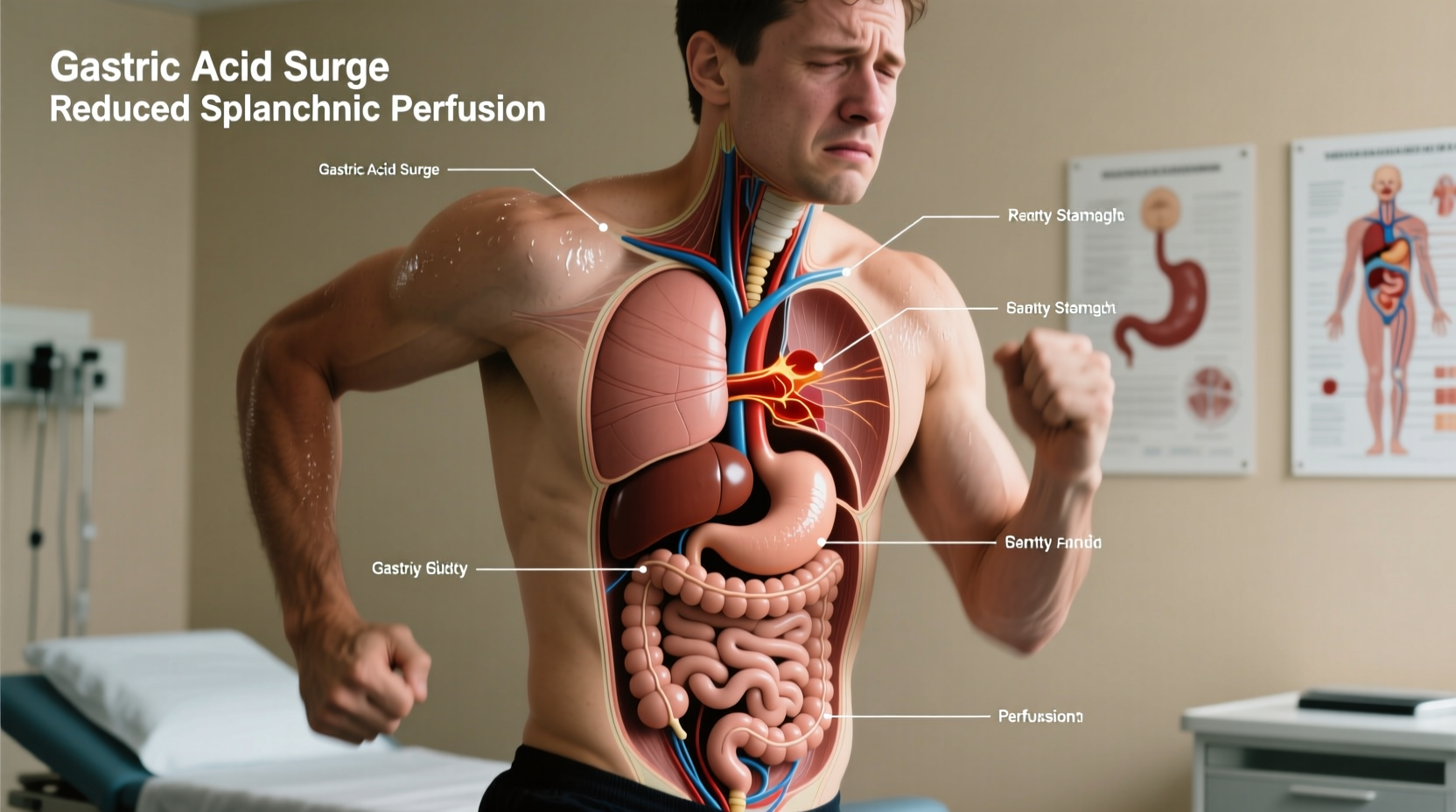
While this shift sounds beneficial for fat loss, it also triggers a cascade of hormonal and circulatory changes that can disrupt digestion and lead to nausea. One key factor is reduced blood flow to the gastrointestinal tract. During exercise, blood is redirected from internal organs like the stomach and intestines to the working muscles. Without food in the stomach, this redirection isn't problematic—but if the gut is still active or sensitive due to low blood sugar or hormonal fluctuations, it can cause discomfort.
Additionally, exercising in a fasted state may elevate stress hormones like cortisol and adrenaline. These hormones prepare the body for physical exertion but can also stimulate gastric acid production and increase sensitivity in the digestive system. For some individuals, this combination leads to feelings of nausea, especially during high-intensity workouts.
“Fasted training can enhance fat oxidation, but it comes with trade-offs. Gastrointestinal distress, including nausea, is one of the most commonly reported side effects.” — Dr. Lena Torres, Sports Nutritionist and Exercise Physiologist
Common Causes of Nausea After Fasted Workouts
Nausea following fasted exercise isn’t just “in your head”—it’s rooted in real physiological mechanisms. Understanding these causes can help you identify which factors apply to your routine.
- Low Blood Sugar (Hypoglycemia): When glycogen stores are depleted and no new glucose is available from food, blood sugar drops. Symptoms include lightheadedness, shakiness, sweating, and nausea.
- Increased Gastric Acid Production: An empty stomach continues producing hydrochloric acid in anticipation of food. During exercise, this acid can irritate the stomach lining, leading to queasiness or even acid reflux.
- Dehydration: Even mild dehydration worsens nausea. Many people forget to hydrate properly before morning workouts, compounding the issue.
- Exercise Intensity: High-intensity interval training (HIIT), sprinting, or heavy lifting place greater demands on the body. Without adequate fuel, the mismatch between energy demand and supply can trigger nausea.
- Individual Sensitivity: Some people have naturally more sensitive digestive systems or conditions like GERD (gastroesophageal reflux disease) that make them prone to nausea when exercising fasted.
Who Is Most at Risk?
Not everyone experiences nausea from fasted workouts, but certain groups are more vulnerable. Recognizing whether you fall into one of these categories can help you adjust your approach.
| At-Risk Group | Why They’re Vulnerable | Recommended Adjustment |
|---|---|---|
| Beginners to Exercise | Lack of cardiovascular efficiency increases strain on the body during fasted states. | Start with light activity and gradually build intensity after eating small snacks. |
| People with Low Body Weight or BMI | Less stored energy reserves mean quicker onset of hypoglycemia. | Avoid prolonged fasted training; consume a balanced meal the night before. |
| Those with GI Conditions (e.g., IBS, GERD) | Empty stomach + increased acid = higher risk of reflux and nausea. | Eat a small, easily digestible snack pre-workout. |
| High-Intensity Trainers | Maximal efforts require rapid glucose availability, which isn’t available fasted. | Fuel with 15–30g of carbs 30 minutes before training. |
| Intermittent Fasters Pushing Limits | Extended fasting windows reduce glycogen and alter hormone balance. | Limit fasted workouts to moderate intensity and shorter duration. |
How to Prevent Nausea When Exercising Fasted
You don’t need to abandon fasted workouts entirely to avoid nausea. With strategic adjustments, you can maintain the benefits while minimizing discomfort.
Step-by-Step Guide: Optimize Your Fasted Workout Routine
- Hydrate First Thing: Drink water immediately upon waking. Dehydration amplifies nausea and reduces exercise tolerance.
- Lower Intensity Initially: Stick to low-to-moderate intensity (e.g., brisk walking, light cycling, yoga) if training fasted.
- Consume a Small Pre-Workout Snack (Optional): Try 1/2 banana, a spoonful of honey, or a few sips of fruit juice 10–15 minutes before exercise. This raises blood sugar slightly without breaking the fast significantly.
- Avoid Lying Down Mid-Workout: Exercises that compress the abdomen (like sit-ups) can push stomach acid upward, worsening nausea.
- Cool Down Gradually: Abruptly stopping intense movement can cause blood pooling and dizziness. A 5-minute walk helps stabilize circulation.
- Break the Fast Promptly: Eat a balanced meal within 30–60 minutes post-workout to restore energy and reduce lingering nausea.
Mini Case Study: Sarah’s Experience with Fasted Training
Sarah, a 32-year-old office worker, decided to try intermittent fasting to lose weight. She began doing 30-minute HIIT sessions first thing in the morning, skipping breakfast to stay in her 16:8 fasting window. Within a week, she noticed a pattern: by the end of her workouts, she felt dizzy and nauseated, sometimes needing to sit down for 10 minutes before she could stand upright.
She consulted a sports nutritionist who reviewed her routine. The diagnosis? Her body wasn’t equipped to handle high-intensity effort without fuel. Her glycogen stores were low after sleep, and the sudden spike in exertion caused a drop in blood pressure and blood sugar. The solution was simple: she switched to moderate-intensity steady-state cardio (like incline walking) for fasted workouts and reserved HIIT for evenings after eating. She also started drinking coconut water with a splash of orange juice before morning sessions. Within days, her nausea disappeared, and she still achieved her fat loss goals—without the discomfort.
Checklist: Is Your Fasted Workout Safe?
Use this checklist before attempting a fasted workout to minimize the risk of nausea and other adverse effects:
- ✅ Hydrated well upon waking (at least 1 cup of water)
- ✅ Feeling alert and not dizzy or groggy
- ✅ Workout intensity is low to moderate (not max effort)
- ✅ Duration is under 60 minutes
- ✅ No history of blood sugar issues (e.g., diabetes, hypoglycemia)
- ✅ Have a post-workout meal planned and ready
- ✅ Not pregnant, breastfeeding, or recovering from illness
If you answered “no” to more than two of these, reconsider doing a fully fasted workout. A small pre-exercise fuel boost might be worth the trade-off for better performance and comfort.
Frequently Asked Questions
Can fasted workouts cause long-term harm if they make me nauseous?
Occasional nausea from fasted exercise is unlikely to cause lasting damage, but chronic episodes may indicate your body isn’t adapting well. Repeated stress from low blood sugar and dehydration can impair recovery, reduce performance, and potentially affect hormonal balance over time. It’s wise to reassess your approach if symptoms persist.
Is it okay to drink black coffee before a fasted workout?
Yes, black coffee is generally acceptable and may even enhance fat burning and focus. However, caffeine stimulates gastric acid production, which can worsen nausea in sensitive individuals. If you notice coffee makes your stomach worse, try skipping it or switching to decaf.
Will eating a small snack ruin the fat-burning benefits of fasted cardio?
Not necessarily. While true fasted training maximizes fat oxidation slightly, the overall calorie deficit matters more for long-term fat loss. A small snack (e.g., 50–100 calories) won’t negate benefits and may allow you to exercise longer or harder, ultimately burning more total calories.
Final Thoughts and Action Plan
Fasted workouts can be effective for certain goals, but they aren’t universally suitable. Nausea is a clear signal that your body may need fuel before exertion. Rather than pushing through discomfort, listen to your symptoms and adjust accordingly. Whether it’s modifying intensity, hydrating better, or adding a tiny pre-workout bite, small changes can make a big difference in how you feel and perform.
The goal of exercise is to build strength, endurance, and health—not to endure unnecessary suffering. If fasted training consistently leaves you feeling ill, it’s not a badge of honor—it’s a sign to adapt. Experiment with timing, nutrition, and hydration to find a sustainable routine that supports both your fitness goals and your well-being.




 浙公网安备
33010002000092号
浙公网安备
33010002000092号 浙B2-20120091-4
Comments
No comments yet. Why don't you start the discussion?