
It’s a familiar ritual: you step into the shower feeling sluggish, hoping the warm water will wake you up — but instead, you emerge more exhausted than before. If you’ve ever asked yourself, “Why do I feel tired after showering?” you’re not alone. Millions experience this puzzling dip in energy, often dismissing it as normal. Yet, persistent post-shower fatigue can signal underlying physiological shifts or lifestyle imbalances. Understanding the root causes — from blood pressure changes to water temperature effects — is key to reclaiming your vitality. This article explores the science behind post-shower exhaustion and delivers practical, evidence-based strategies to help you stay energized.
The Physiology Behind Post-Shower Fatigue
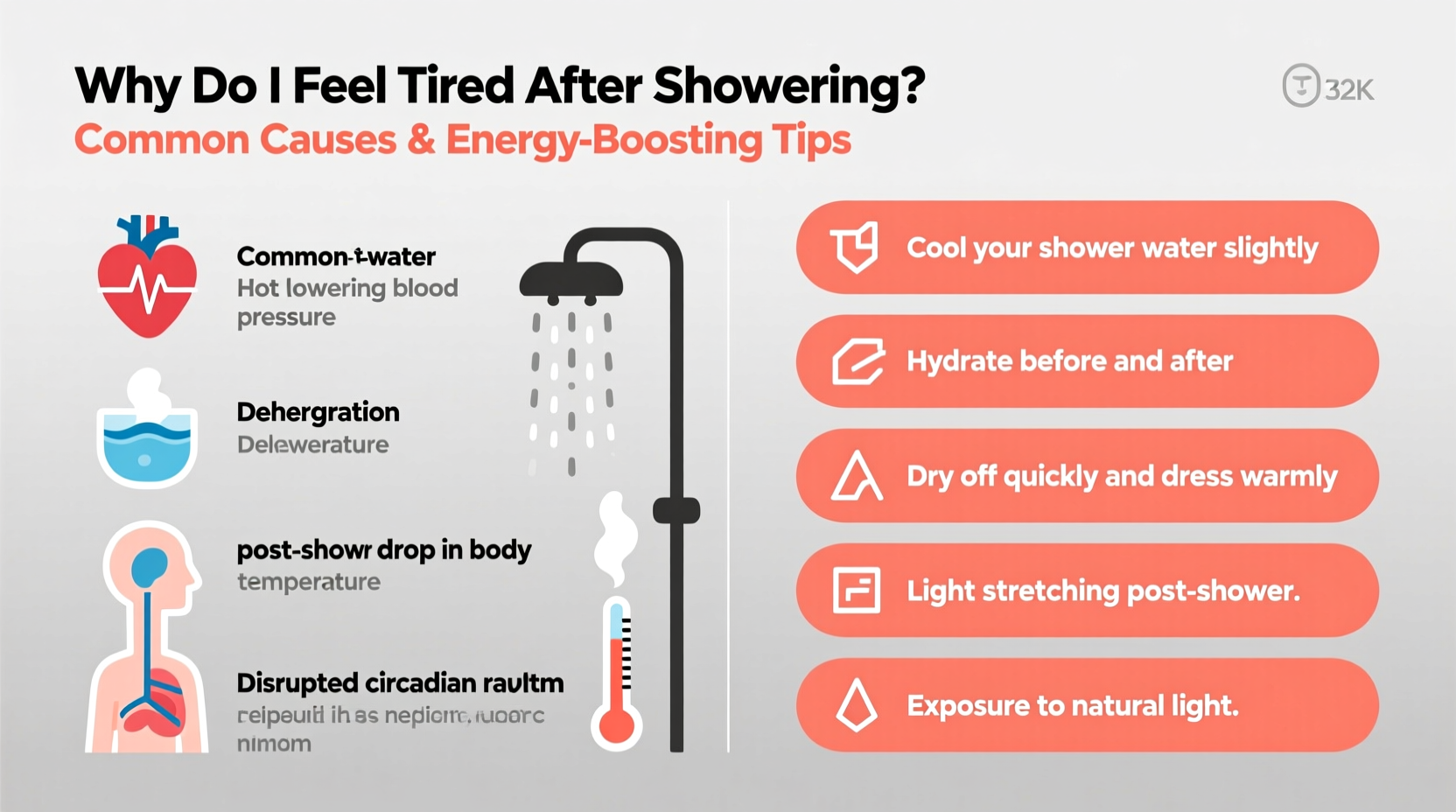
Showering seems like a simple act, but it triggers complex responses in your body. The shift in temperature, humidity, and even posture activates your autonomic nervous system — the control center for involuntary functions like heart rate, blood pressure, and circulation. When you step into a hot shower, your blood vessels dilate (vasodilation), increasing blood flow to the skin's surface to dissipate heat. While this feels soothing, it can also lower blood pressure, particularly if you stand for prolonged periods. For some individuals, especially those prone to orthostatic hypotension, this sudden drop can lead to dizziness, lightheadedness, and fatigue.
Additionally, hot showers stimulate the parasympathetic nervous system — the same system responsible for rest and digestion. This is why many people find hot showers relaxing before bed. However, activating this \"rest mode\" during the day may inadvertently signal your body to wind down, reducing alertness and mental clarity. Conversely, cold showers tend to activate the sympathetic nervous system, promoting adrenaline release and increased wakefulness — but they're not always comfortable or practical.
Common Causes of Feeling Tired After Showering
Post-shower fatigue isn’t just about being sleepy — it’s often a symptom of deeper physiological or environmental factors. Identifying the cause is the first step toward resolving it.
1. Water Temperature That’s Too Hot
Excessively hot water raises core body temperature and forces the cardiovascular system to work harder. While initially stimulating, the subsequent cooldown can trigger a crash in energy levels. Dermatologists recommend keeping shower water below 105°F (40.5°C) to avoid stripping natural oils and overstimulating the nervous system.
2. Prolonged Standing and Circulatory Stress
Standing in one position for more than 10–15 minutes — especially with hot water — can pool blood in the legs due to gravity and dilated vessels. This reduces venous return to the heart, decreasing oxygen delivery to the brain and muscles, leading to fatigue. People with poor circulation or varicose veins are particularly vulnerable.
3. Low Blood Sugar (Hypoglycemia)
Showering increases metabolic demand. If you haven’t eaten in several hours, your blood glucose may already be low. The added physical stress of standing and temperature regulation can push your body into mild hypoglycemia, causing weakness, shakiness, and mental fog.
4. Dehydration
Steamy showers increase fluid loss through insensible perspiration — moisture lost through skin and breath without noticeable sweating. Even mild dehydration impairs cognitive function and physical stamina. If you’re dehydrated before stepping in, the shower can amplify symptoms.
5. Sleep Deprivation or Chronic Fatigue
If you're already sleep-deprived, any activity requiring focus and balance — including showering — demands more from your nervous system. What might seem like a minor task becomes draining when your body is running on empty.
“Post-shower fatigue is often a red flag for underlying issues like dehydration, poor circulation, or autonomic dysfunction. It’s not something to ignore long-term.” — Dr. Lena Torres, Neurologist and Autonomic Specialist
Energy-Boosting Tips to Prevent Post-Shower Exhaustion
Instead of accepting fatigue as inevitable, take proactive steps to maintain energy throughout your morning routine. These science-backed strategies address both immediate triggers and long-term habits.
Optimize Your Shower Routine
- Adjust water temperature: Use warm (not hot) water, ideally between 98°F and 105°F (37°C–40.5°C).
- Limit duration: Keep showers under 10 minutes to minimize circulatory strain.
- Try contrast rinsing: Finish with 30 seconds of cool water to stimulate circulation and alertness.
- Sit if possible: Use a shower stool if standing causes dizziness or leg fatigue.
Nourish Before You Cleanse
Eating a small, balanced snack 20–30 minutes before showering stabilizes blood sugar. Opt for combinations like banana with almond butter, yogurt with berries, or a hard-boiled egg with whole grain toast. Avoid sugary foods that cause rapid spikes and crashes.
Hydrate Strategically
Drink a glass of water before and after showering. Add a pinch of sea salt or electrolyte mix if you sweat heavily or live in a dry climate. This supports blood volume and prevents dehydration-related fatigue.
Engage Your Senses Post-Shower
After drying off, stimulate alertness with sensory cues:
- Bright lighting — open curtains or turn on overhead lights.
- Aromatherapy — use invigorating scents like peppermint, citrus, or eucalyptus in lotions or diffusers.
- Dynamic movement — stretch, march in place, or do five jumping jacks to boost circulation.
Step-by-Step Morning Energy Protocol
Follow this timeline to transform your post-shower experience from draining to energizing:
- 6:50 AM – Pre-Shower Prep (10 min before): Drink 8 oz of water with lemon or electrolytes. Eat a light, protein-rich snack.
- 7:00 AM – Shower (8–10 min): Use warm (not hot) water. Focus on efficient cleansing. End with 30 seconds of cooler water on legs and back.
- 7:10 AM – Dry Off & Stimulate: Towel-dry vigorously to increase blood flow. Apply citrus-scented lotion or splash face with cool water.
- 7:15 AM – Light & Movement: Turn on bright lights. Do 1 minute of arm circles, squats, or marching. Open windows for fresh air.
- 7:18 AM – Hydrate Again: Drink another glass of water. Consider green tea or black coffee if caffeine-tolerant.
- 7:20 AM – Dress & Transition: Wear energizing colors (e.g., blue, yellow). Avoid heavy robes or pajamas that signal sleep.
This protocol leverages hydration, thermoregulation, movement, and sensory input to shift your body into an alert state — not a relaxed one.
Do’s and Don’ts: Shower Habits That Affect Energy
| Do | Don’t |
|---|---|
| Keep showers under 10 minutes | Take long, steamy showers over 15 minutes |
| Use lukewarm to warm water | Use very hot water |
| Eat a small snack beforehand | Shower on an empty stomach |
| End with cooler water rinse | Always use hot water until the end |
| Stay hydrated before and after | Ignore thirst cues |
Real Example: How Sarah Reversed Her Morning Slump
Sarah, a 34-year-old teacher, used to dread mornings. She’d wake up tired, take 20-minute hot showers to “wake up,” only to feel worse afterward — groggy, weak, and needing coffee just to stand upright. After consulting her doctor, she learned she had mild orthostatic hypotension and was often dehydrated. With guidance, she changed her routine: she began drinking water upon waking, eating a boiled egg before showering, cutting her shower time to 8 minutes with cooler finishing rinses, and doing two minutes of light stretching afterward. Within a week, her post-shower fatigue diminished. By the third week, she no longer needed afternoon naps. “I didn’t realize my shower was making me more tired,” she said. “Now I feel awake and ready by 7:30 a.m.”
When to See a Doctor
Occasional fatigue after showering is common, but chronic or severe symptoms warrant medical evaluation. Seek advice if you experience:
- Frequent dizziness or near-fainting in the shower
- Persistent weakness lasting hours after bathing
- Heart palpitations or chest discomfort
- Unexplained fatigue despite adequate sleep and nutrition
These could indicate conditions such as POTS (Postural Orthostatic Tachycardia Syndrome), anemia, thyroid dysfunction, or cardiovascular issues. A primary care provider can run tests and tailor recommendations.
FAQ
Is it normal to feel tired after a hot shower?
Yes, to some extent. Hot showers promote relaxation by activating the parasympathetic nervous system. However, if fatigue is severe or persistent, it may indicate excessive heat exposure, dehydration, or an underlying health issue.
Can cold showers increase energy?
Yes. Cold showers stimulate the sympathetic nervous system, increasing heart rate, alertness, and dopamine levels. Studies show brief cold exposure can improve mood and energy for up to two hours. Start gradually — even 30 seconds at the end of a warm shower can help.
Why do I feel better after a shower in the evening but worse in the morning?
This is common. Evening showers align with your body’s natural cooldown for sleep, enhancing relaxation. Morning showers, however, compete with your body’s need to rise in alertness. If not managed properly — with hydration, nutrition, and temperature — they can drain rather than energize.
Conclusion: Reclaim Your Energy, One Shower at a Time
Feeling tired after showering isn’t something you have to accept. It’s a signal — one that, when understood, can guide you toward better health and daily vitality. By adjusting water temperature, managing blood sugar, staying hydrated, and incorporating smart post-shower habits, you can transform a draining routine into an energizing ritual. Small changes compound: a cooler rinse, a glass of water, a minute of movement. These aren’t just fixes — they’re acts of self-awareness and care. Start tomorrow morning with one new habit. Notice how you feel. Build from there.




 浙公网安备
33010002000092号
浙公网安备
33010002000092号 浙B2-20120091-4
Comments
No comments yet. Why don't you start the discussion?