
Eight hours of sleep is widely recommended as the gold standard for adults. Yet many people wake up groggy, sluggish, and mentally foggy despite hitting that target. If you've ever dragged yourself out of bed after a full night’s rest wondering, “Why am I still so tired?” you're not alone. The number on the clock doesn’t tell the whole story. What matters more is sleep quality, timing, and how your body transitions from sleep to wakefulness.
This article explores the real reasons behind post-sleep fatigue—especially the phenomenon known as sleep inertia—and provides actionable, research-supported strategies to help you wake up feeling alert, focused, and energized.
Sleep Quantity vs. Sleep Quality: Why 8 Hours Isn't Always Enough
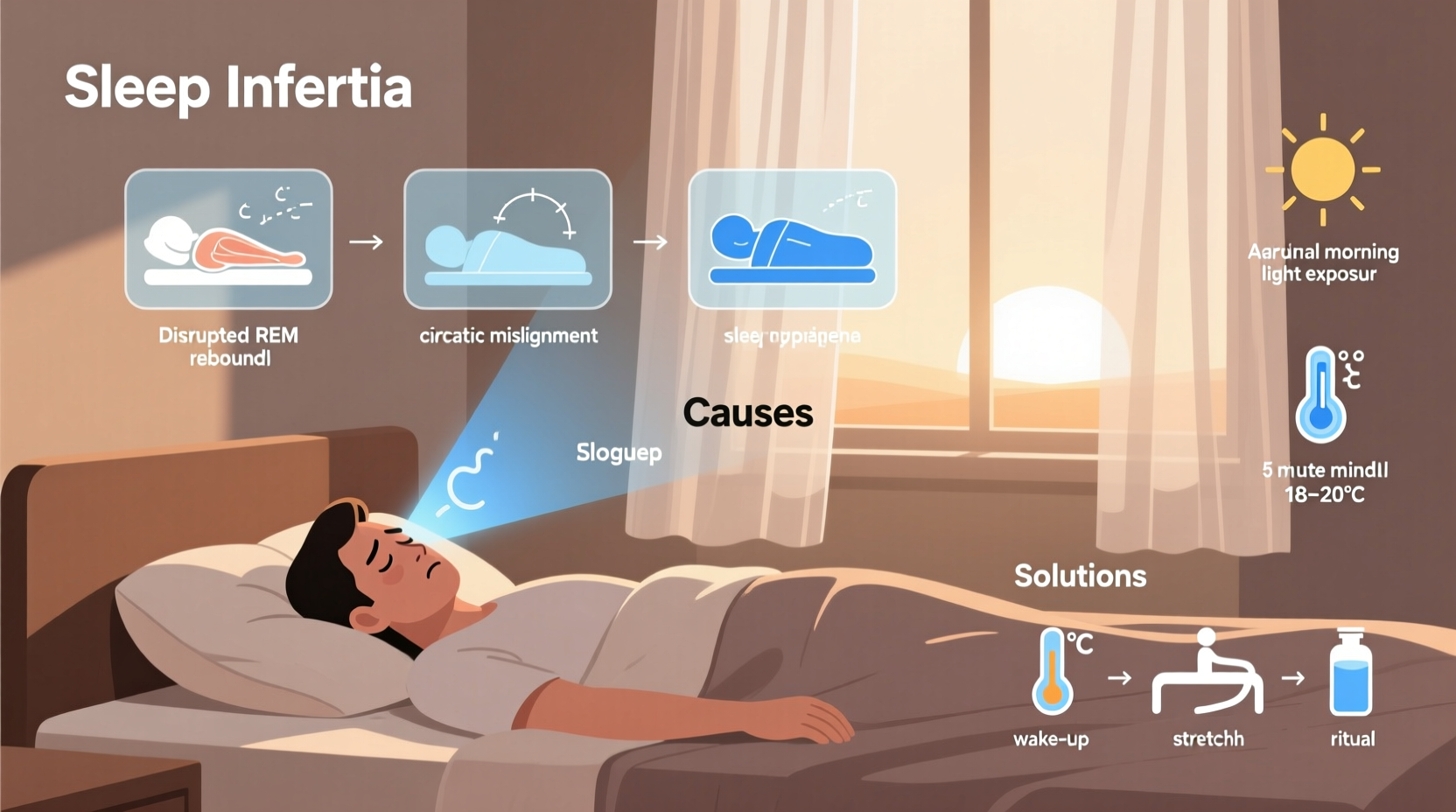
The idea that everyone needs exactly eight hours of sleep is a generalization. While it's a useful benchmark, individual needs vary based on age, genetics, lifestyle, and health. More importantly, the quality of those eight hours often matters more than the quantity.
You can spend eight hours in bed but still feel exhausted if your sleep is fragmented, shallow, or poorly timed. Key indicators of poor sleep quality include:
- Frequent awakenings during the night
- Spending too much time in light sleep stages
- Low REM or deep (slow-wave) sleep duration
- Irregular sleep schedules
- Undiagnosed sleep disorders
Even minor disruptions—like noise, room temperature fluctuations, or stress-induced micro-arousals—can prevent restorative sleep without fully waking you.
What Is Sleep Inertia—and Why Does It Make You Feel Drained?
Sleep inertia refers to the transitional state between sleep and wakefulness, characterized by impaired cognitive performance, drowsiness, disorientation, and a strong desire to return to sleep. It typically lasts 15 to 60 minutes but can persist for several hours in some cases.
This groggy feeling occurs because parts of your brain—particularly the prefrontal cortex responsible for decision-making and attention—are slow to activate upon waking. During deep sleep, brain activity slows significantly, and abruptly interrupting this phase leaves neural circuits lagging.
Research shows that sleep inertia is most severe when you wake from stage 3 (deep) sleep. If your alarm goes off during a deep sleep cycle—even after eight hours—you’re likely to experience intense grogginess.
“Sleep inertia is not just subjective fatigue—it objectively impairs reaction time, memory, and judgment, similar to being mildly intoxicated.” — Dr. Allison Siebern, Stanford Center for Sleep Sciences
Factors That Worsen Sleep Inertia
- Waking during deep sleep: Your sleep cycles last about 90 minutes. Waking at the end of a cycle (lighter sleep) reduces inertia.
- Sleep deprivation: Even if you slept eight hours last night, chronic sleep debt amplifies morning grogginess.
- Circadian misalignment: Waking earlier than your body’s natural rhythm expects increases sleep pressure.
- Alcohol or medication use: These substances disrupt sleep architecture and prolong recovery upon waking.
Common Causes of Fatigue Despite 8 Hours of Sleep
Feeling tired after adequate sleep isn’t normal. Persistent morning fatigue may signal underlying issues. Here are the most common culprits:
1. Obstructive Sleep Apnea (OSA)
A condition where breathing repeatedly stops and starts during sleep due to airway blockage. Sufferers may not remember waking, but frequent oxygen drops fragment sleep and reduce restorative phases.
2. Poor Sleep Hygiene
Exposure to blue light before bed, irregular sleep times, caffeine late in the day, or an uncomfortable sleep environment all degrade sleep quality.
3. Circadian Rhythm Disruption
If your internal clock is out of sync—due to shift work, jet lag, or delayed sleep phase syndrome—you may sleep eight hours but not during your body’s optimal window.
4. Iron Deficiency or Anemia
Low iron levels reduce oxygen transport, leading to daytime fatigue even with sufficient sleep.
5. Depression or Chronic Stress
Mental health conditions alter sleep architecture, increase nighttime awakenings, and contribute to non-restorative sleep.
6. Hypothyroidism
An underactive thyroid slows metabolism and commonly presents with persistent fatigue, cold intolerance, and weight gain.
Science-Backed Fixes for Sleep Inertia and Morning Fatigue
Improving how you wake up requires optimizing both sleep quality and wake-up routines. The goal is to align your awakening with lighter sleep stages and stimulate alertness effectively.
Step-by-Step Guide to Reduce Sleep Inertia
- Determine your ideal bedtime based on 90-minute cycles. Count backward in 90-minute increments from your wake-up time. For example, if you wake at 6:30 AM, ideal bedtimes are 9:00 PM, 10:30 PM, or midnight.
- Use a smart alarm or sleep-tracking app. Devices that monitor movement or heart rate can wake you during light sleep within a set window (e.g., 6:00–6:30 AM), reducing grogginess.
- Expose yourself to bright light immediately upon waking. Open curtains, go outside, or use a light therapy lamp (10,000 lux) for 15–30 minutes to suppress melatonin and reset your circadian clock.
- Hydrate quickly. Drink a glass of water to rehydrate and kickstart metabolism. Dehydration worsens fatigue.
- Move your body. Do light stretching, jumping jacks, or a short walk to increase blood flow and alertness.
- Avoid checking your phone in bed. Scrolling delays full wakefulness and increases mental fatigue.
| Strategy | How It Helps | Time Required |
|---|---|---|
| Wake during light sleep | Reduces sleep inertia severity | Instant (with smart alarm) |
| Bright light exposure | Suppresses melatonin, boosts cortisol | 10–30 min |
| Morning hydration | Restores fluid balance, supports cognition | 2 min |
| Physical movement | Increases circulation and energy | 5–10 min |
| Caffeine (strategically) | Enhances alertness; best 30–60 min after waking | 20 min onset |
Optimize Your Sleep Environment
- Keep your bedroom cool (60–67°F / 15–19°C). Lower core temperature promotes deeper sleep.
- Eliminate light pollution. Use blackout curtains and cover LED lights.
- Reduce noise. Use earplugs or a white noise machine if needed.
- Invest in a supportive mattress and pillows. Physical discomfort disrupts sleep continuity.
Real-Life Example: Maria’s Transformation
Maria, a 34-year-old project manager, consistently slept eight hours but struggled with morning exhaustion. She relied on three cups of coffee just to function by 10 a.m. After tracking her sleep, she discovered she was waking in the middle of a deep sleep cycle. Her smartwatch showed low REM sleep and frequent micro-awakenings.
She adjusted her bedtime from 11:30 PM to 10:30 PM to align with a full 5.5 sleep cycles (7.5 hours). She also began using a sunrise alarm clock and stepped outside for five minutes of morning sunlight. Within two weeks, her morning fatigue decreased significantly. By week four, she reduced coffee intake and reported improved focus and mood.
Her case highlights that small, consistent changes—rooted in sleep science—can dramatically improve how you feel upon waking.
Checklist: How to Wake Up Refreshed After 8 Hours
- ✅ Calculate your ideal bedtime using 90-minute sleep cycles
- ✅ Use a sleep tracker with smart wake-up features
- ✅ Get bright light exposure within 5 minutes of waking
- ✅ Drink a glass of water first thing
- ✅ Perform 5 minutes of light physical activity
- ✅ Maintain a consistent sleep schedule (even on weekends)
- ✅ Avoid alcohol and heavy meals within 3 hours of bedtime
- ✅ Keep your bedroom dark, cool, and quiet
- ✅ Limit screen time 60 minutes before bed
- ✅ Consult a doctor if fatigue persists despite improvements
Frequently Asked Questions
Can I get rid of sleep inertia completely?
While you can't eliminate sleep inertia entirely—since it's a natural neurobiological process—you can significantly reduce its duration and intensity. Waking during light sleep, getting immediate light exposure, and staying hydrated are proven ways to shorten the transition period.
Is it better to sleep 8 hours straight or split it into segments?
For most people, consolidated sleep is more restorative. The brain relies on uninterrupted cycles to progress through light, deep, and REM sleep. Historically, some cultures practiced segmented sleep (two blocks with a break in between), but modern lifestyles and artificial lighting have shifted norms. Unless you naturally thrive on biphasic sleep, aim for continuous rest.
Does caffeine help with sleep inertia?
Yes, but timing matters. Caffeine takes 20–30 minutes to take effect, so drinking coffee shortly after waking can help counteract lingering grogginess. However, avoid it after 2 PM to prevent interference with nighttime sleep.
Conclusion: Reclaim Your Mornings
Feeling tired after eight hours of sleep isn’t something you should accept as normal. True restorative sleep leaves you refreshed, focused, and ready to engage with the day. By understanding the role of sleep cycles, circadian biology, and environmental factors, you can transform your mornings from sluggish battles into energized starts.
The fix isn’t always more sleep—it’s smarter sleep. Align your habits with your body’s natural rhythms, prioritize sleep quality over mere duration, and implement simple wake-up strategies that support alertness. Small changes compound into lasting results.




 浙公网安备
33010002000092号
浙公网安备
33010002000092号 浙B2-20120091-4
Comments
No comments yet. Why don't you start the discussion?