
Sleeping eight hours is often considered the gold standard for restful recovery. Yet, many people wake up groggy, drained, or mentally foggy despite hitting that benchmark. If you're logging enough time in bed but still dragging through your mornings, you're not alone—and more importantly, it's not normal. Feeling tired after a full night’s sleep can signal underlying issues with sleep quality, lifestyle habits, or health conditions. The good news: most of these causes are fixable with targeted changes.
This article breaks down the science-backed reasons why you might still feel exhausted after eight hours of sleep and offers practical, evidence-based solutions to restore your energy naturally.
1. Poor Sleep Quality Over Quantity
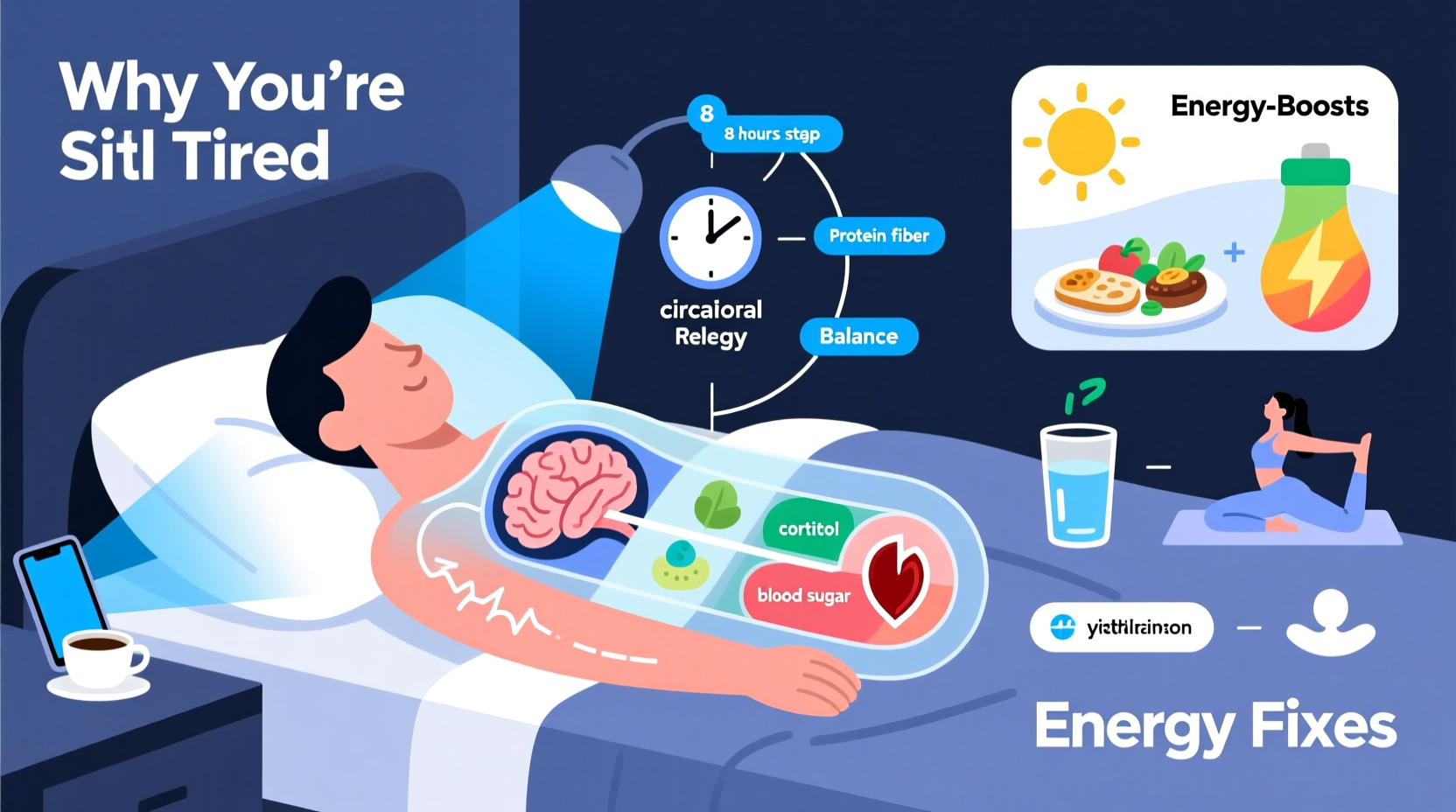
Time spent in bed doesn’t always equal restorative sleep. While eight hours may seem sufficient, fragmented or shallow sleep prevents your body from cycling properly through deep sleep and REM stages—both critical for physical repair and mental clarity.
Common disruptors include:
- Snoring or sleep apnea: Brief breathing interruptions reduce oxygen flow, causing micro-awakenings you may not remember.
- Noise or light exposure: Even low-level disturbances can shift you into lighter sleep phases.
- Frequent bathroom trips: Often linked to fluid intake before bed, medications, or conditions like diabetes or prostate issues.
2. Undiagnosed Sleep Disorders
One of the most overlooked reasons for persistent fatigue is an undiagnosed sleep disorder. These conditions interfere with your ability to achieve truly restful sleep—even if you’re in bed for eight hours.
Sleep Apnea
Obstructive sleep apnea (OSA) causes repeated pauses in breathing during sleep. Each pause triggers a mini-arousal to restart breathing, fragmenting sleep without full awakenings. Symptoms include loud snoring, gasping at night, dry mouth upon waking, and excessive daytime drowsiness.
Restless Legs Syndrome (RLS)
RLS creates uncomfortable sensations in the legs, often relieved only by movement. This urge intensifies at night, delaying sleep onset and reducing overall sleep efficiency.
Insomnia and Hyperarousal
Some individuals experience “non-restorative sleep,” where brain activity remains elevated despite being asleep. This is common in chronic stress, anxiety, or depression, leading to a sense of unrefreshed awakening.
“Many patients report sleeping eight hours but still feeling wiped out. When we run a sleep study, we often find severe sleep apnea or periodic limb movements disrupting their rest.” — Dr. Lena Torres, Board-Certified Sleep Specialist
3. Lifestyle and Environmental Factors
Daily habits significantly influence how rested you feel—even if your sleep duration looks good on paper.
Caffeine and Alcohol Timing
Caffeine has a half-life of 5–6 hours. Consuming coffee after 2 p.m. can delay deep sleep onset. Alcohol, while initially sedating, suppresses REM sleep and increases nighttime awakenings in the second half of the night.
Screen Exposure Before Bed
Blue light from phones, tablets, and TVs inhibits melatonin production, delaying sleep onset and reducing sleep quality. Even if you fall asleep eventually, the lack of melatonin disrupts circadian alignment.
Inconsistent Sleep Schedule
Going to bed and waking up at different times each day—especially on weekends—confuses your internal clock. This misalignment reduces sleep efficiency and can leave you feeling jet-lagged despite adequate sleep time.
| Habit | Impact on Energy | Better Alternative |
|---|---|---|
| Drinking wine before bed | Reduces REM, increases awakenings | Herbal tea or warm milk |
| Using phone in bed | Delays melatonin, fragments sleep | Read a book or journal instead |
| Irregular wake-up times | Disrupts circadian rhythm | Wake within 30 minutes of same time daily |
| Late-night heavy meals | Causes indigestion, reflux | Eat dinner 3 hours before bed |
4. Nutritional Deficiencies and Blood Sugar Imbalances
Your energy levels depend heavily on metabolic health. Even with solid sleep, nutritional gaps can sabotage vitality.
Iron Deficiency (Anemia)
Low iron reduces hemoglobin, impairing oxygen delivery to tissues. Fatigue, weakness, and shortness of breath are classic signs. Women of childbearing age, vegetarians, and those with gastrointestinal issues are especially at risk.
Vitamin B12 and D Deficiency
B12 supports nerve function and red blood cell production. Deficiency leads to fatigue, memory issues, and numbness. Vitamin D regulates immune function and energy metabolism; low levels correlate with chronic tiredness.
Morning Blood Sugar Crashes
Waking up with low blood sugar—or consuming high-sugar breakfasts—can trigger energy crashes by mid-morning. Opt for protein-rich, fiber-filled breakfasts to stabilize glucose.
5. Real-Life Example: Maria’s Turnaround
Maria, a 37-year-old marketing manager, consistently slept 8–8.5 hours but woke up feeling like she hadn’t slept at all. She relied on two cups of coffee just to function and crashed by 2 p.m. Her doctor found normal results, so she assumed it was stress.
After tracking her sleep with a smartwatch, she noticed frequent awakenings and minimal deep sleep. A sleep study revealed moderate obstructive sleep apnea. With a CPAP machine, her sleep architecture improved dramatically. Within two weeks, she no longer needed afternoon naps and reported sharper focus and better mood.
Maria’s case highlights a key point: symptoms can be subtle, and solutions aren’t always obvious without proper assessment.
Step-by-Step Guide to Regain Your Morning Energy
If you're tired after eight hours of sleep, follow this actionable plan to identify and address root causes:
- Track Your Sleep Patterns (Days 1–7): Use a sleep tracker to monitor total sleep, awakenings, and sleep stages. Note how you feel upon waking.
- Optimize Your Sleep Environment (Ongoing): Make your bedroom dark, cool (60–67°F), and quiet. Use blackout curtains and a white noise machine if needed.
- Establish a Consistent Sleep Schedule: Go to bed and wake up at the same time every day—even on weekends.
- Eliminate Screen Time 1 Hour Before Bed: Replace scrolling with calming activities like reading, stretching, or meditation.
- Review Caffeine and Alcohol Intake: Cut caffeine after 2 p.m. and limit alcohol to 1–2 drinks, consumed at least 3 hours before bedtime.
- Assess for Sleep Apnea Signs: Ask a partner if you snore or gasp at night. Consider a home sleep test if symptoms persist.
- Get Blood Work Done: Request tests for iron/ferritin, vitamin B12, vitamin D, thyroid function (TSH), and fasting glucose.
- Revamp Your Morning Routine: Expose yourself to natural light within 10 minutes of waking. Drink water and eat a balanced breakfast with protein and healthy fats.
Energy-Boosting Checklist
Use this checklist weekly to maintain high energy levels:
- ✅ Sleep and wake within 30 minutes of the same time daily
- ✅ No screens 60 minutes before bed
- ✅ Bedroom temperature between 60–67°F
- ✅ Caffeine stopped by 2 p.m.
- ✅ Dinner finished at least 3 hours before bedtime
- ✅ 15 minutes of morning sunlight exposure
- ✅ Hydrate with 16 oz of water upon waking
- ✅ Balanced breakfast with protein (e.g., eggs, Greek yogurt, tofu)
- ✅ Weekly blood work review (if deficiency suspected)
- ✅ Discuss snoring or fatigue with doctor
FAQ: Common Questions About Post-Sleep Fatigue
Can I be sleep-deprived even if I sleep 8 hours?
Yes. Sleep deprivation isn't just about duration—it's about quality. Frequent awakenings, poor sleep architecture, or disorders like sleep apnea can leave you functionally sleep-deprived despite adequate time in bed.
Is it normal to feel groggy for 30+ minutes after waking?
No. While mild sleep inertia (grogginess) lasts 5–15 minutes, prolonged fogginess suggests poor sleep quality, circadian misalignment, or medical issues like hypothyroidism or depression.
Could my medication be causing fatigue?
Absolutely. Common culprits include antihistamines, beta-blockers, antidepressants, and benzodiazepines. Always discuss side effects with your prescribing doctor—never stop medication abruptly.
Final Thoughts: Rest Is Not Just Time—It’s Quality
Feeling tired after eight hours of sleep isn’t something you should accept as normal. True rest goes beyond the number on the clock. It involves uninterrupted cycles, proper oxygenation, hormonal balance, and metabolic support. By addressing sleep quality, ruling out disorders, optimizing lifestyle habits, and checking for deficiencies, you can transform how you wake up—and how you feel throughout the day.
Energy isn’t just about willpower. It’s a signal from your body about how well you’re recovering. Listen closely. Small, consistent changes today can lead to dramatically better mornings tomorrow.




 浙公网安备
33010002000092号
浙公网安备
33010002000092号 浙B2-20120091-4
Comments
No comments yet. Why don't you start the discussion?