
Experiencing a headache after physical activity can be both frustrating and confusing—especially when you’ve stayed hydrated, warmed up properly, and pushed yourself within reasonable limits. While dehydration is a well-known trigger for exercise-induced headaches, many people find themselves sidelined by pain despite drinking enough water. The truth is, exertion headaches have multiple underlying causes that go beyond fluid balance. Understanding these mechanisms is essential for prevention and long-term comfort during workouts.
Exercise-related headaches are more common than most realize. According to the American Migraine Foundation, primary exercise headaches (those not caused by another condition) typically affect otherwise healthy individuals during or after intense physical effort. These headaches can range from mild discomfort to debilitating pain, often striking in the temples or back of the head. The good news? Most cases are manageable once you identify the root cause.
Understanding Exercise-Induced Headaches
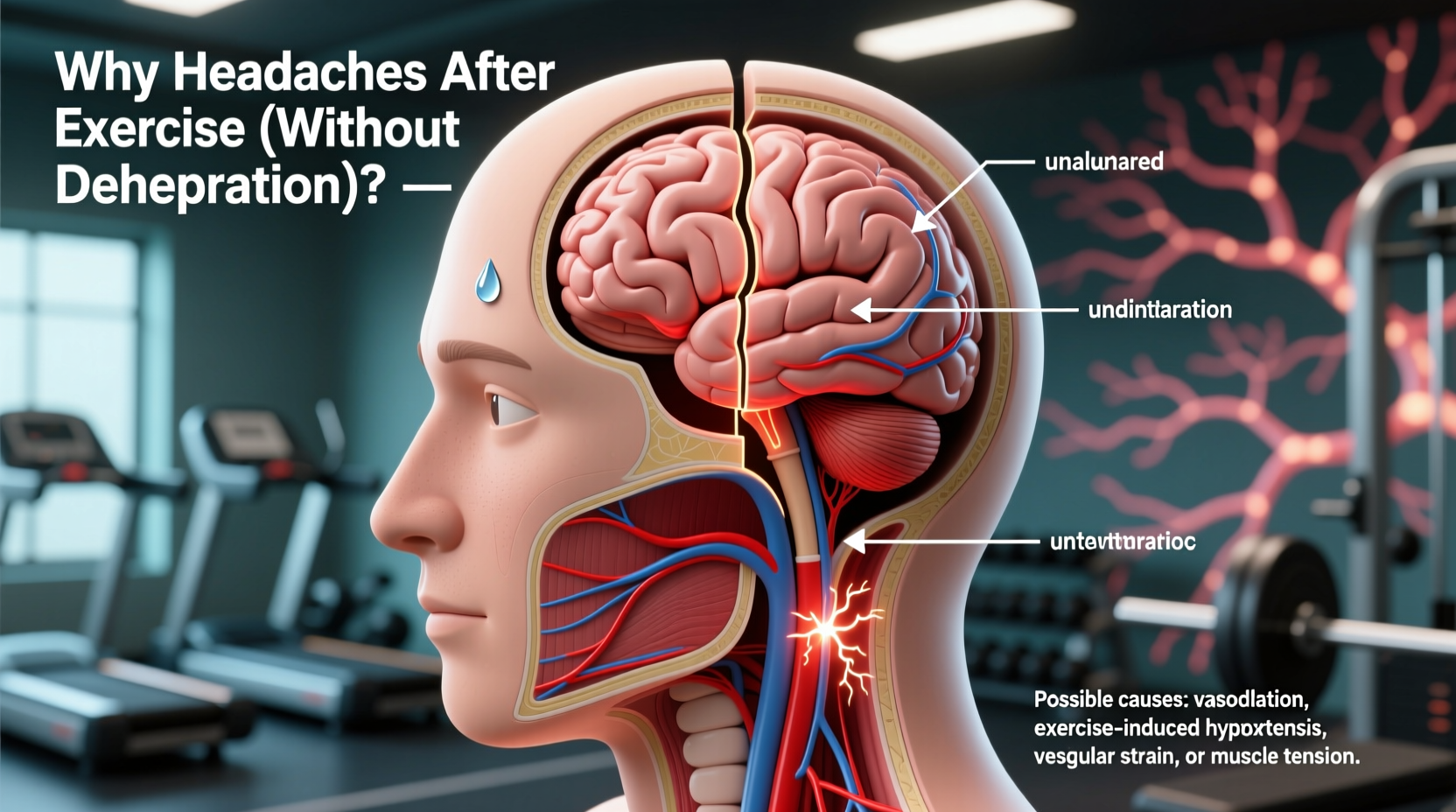
Headaches triggered by physical exertion fall into two main categories: primary and secondary. Primary exercise headaches are benign and not linked to any structural issue in the brain. They usually occur during or immediately after vigorous activity and may last from a few minutes to several hours. Secondary exercise headaches, though rarer, stem from an underlying medical condition such as a vascular abnormality, cerebrospinal fluid leak, or sinus issue. These require prompt medical evaluation.
Primary exertional headaches often present as pulsating pain on both sides of the head, worsening with continued effort. They’re commonly associated with running, weightlifting, or high-intensity interval training. Despite adequate hydration, factors like increased blood flow, changes in blood vessel tone, and shifts in intracranial pressure can still initiate pain signals in the brain.
“Even well-hydrated athletes can experience exertion headaches due to vascular and neurological responses to intense effort.” — Dr. Lena Patel, Neurologist and Sports Medicine Consultant
Common Non-Dehydration Causes of Post-Workout Headaches
While hydration remains crucial, it’s only one piece of the puzzle. Several physiological and environmental triggers can provoke headaches post-exercise:
- Vasodilation: During intense exercise, blood vessels in the brain expand to accommodate increased blood flow. This dilation can stimulate surrounding nerves, leading to a throbbing headache.
- Increased Intracranial Pressure: Straining during lifting or holding your breath (Valsalva maneuver) raises pressure inside the skull, which may trigger pain, especially at the back of the head.
- Poor Breathing Patterns: Shallow or irregular breathing reduces oxygen delivery and increases carbon dioxide buildup, potentially causing vascular changes that lead to headaches.
- Cervicogenic Factors: Neck tension, poor posture, or muscle strain from improper form can refer pain to the head, mimicking a true headache.
- Environmental Triggers: Exercising in extreme heat, cold, or high altitudes—even with proper hydration—can alter cerebral blood flow and induce headaches.
- Dietary Influences: Skipping meals before exercise or consuming certain foods (like aged cheeses or processed meats) may lower blood sugar or trigger vasoactive compounds that contribute to head pain.
When to Suspect Something More Serious
Most post-exercise headaches resolve quickly and don’t indicate a serious problem. However, certain red flags warrant immediate medical attention. Secondary exercise headaches, while uncommon, can be linked to conditions such as arterial dissection, tumors, or spinal fluid leaks.
Seek urgent evaluation if your headache is accompanied by:
- Sudden, explosive onset (\"thunderclap\" headache)
- Nausea, vomiting, or blurred vision
- Loss of consciousness or confusion
- Neck stiffness or fever
- Weakness, numbness, or difficulty speaking
- Pain that persists for more than 24 hours
A neurologist may recommend imaging studies like MRI or CT scans to rule out structural abnormalities, particularly if symptoms are new, severe, or progressively worsening.
Prevention Strategies: A Step-by-Step Guide
Preventing exertion headaches involves a holistic approach that goes beyond hydration. Follow this timeline-based strategy to reduce your risk:
- 60–90 Minutes Before Exercise: Eat a balanced snack containing complex carbohydrates and protein (e.g., banana with almond butter). Avoid skipping meals to stabilize blood glucose.
- 15 Minutes Before Workout: Perform dynamic warm-ups to gradually increase heart rate and prepare blood vessels for exertion. Include neck rolls, shoulder shrugs, and light cardio.
- During Exercise:
- Breathe steadily—exhale during exertion (e.g., when lifting weights).
- Avoid maximal straining; use proper form to reduce cervical and cranial stress.
- Monitor intensity; consider using a heart rate monitor to stay within safe zones.
- Immediately After Exercise: Cool down with 5–10 minutes of low-intensity movement and stretching. Sudden cessation of activity can cause blood pooling and vascular rebound effects.
- Post-Workout Recovery: Replenish electrolytes if sweating heavily, even if not thirsty. Magnesium and potassium support nerve and muscle function.
Sample Pre-Workout Routine to Reduce Headache Risk
| Time | Action | Purpose |
|---|---|---|
| 90 min pre-workout | Consume light meal (e.g., oatmeal + berries) | Stabilize blood sugar |
| 15 min pre-workout | Dynamic warm-up (arm circles, torso twists) | Prepare cardiovascular system |
| During workout | Controlled breathing technique | Prevent Valsalva effect |
| Post-workout | Gradual cool-down + hydration | Support circulation recovery |
Real-Life Example: Managing Weightlifting Headaches
Mark, a 34-year-old fitness enthusiast, began experiencing sharp headaches at the base of his skull after deadlift sessions. He drank plenty of water and ate regularly but noticed the pain worsened during heavy sets. After consulting a sports medicine specialist, he learned he was holding his breath during lifts—a common mistake that increases intrathoracic and intracranial pressure.
His trainer introduced him to the \"bracing breath\" technique: inhaling deeply into the diaphragm, engaging the core, and exhaling slowly during the concentric phase of the lift. Within two weeks, Mark reported a dramatic reduction in headache frequency. Additionally, incorporating neck mobility drills and reducing set intensity temporarily helped reset his tolerance to exertion.
This case illustrates how biomechanical habits—not just hydration—play a critical role in preventing exercise-related headaches.
Do’s and Don’ts: Quick Reference Table
| Do’s | Don’ts |
|---|---|
| Warm up gradually | Jump straight into high-intensity intervals |
| Breathe consistently during lifts | Hold your breath during exertion |
| Stay upright with good posture | Slouch or crane your neck forward |
| Use proper form over heavier weights | Maximize load at the expense of technique |
| Track headache patterns in a journal | Ignore recurring or worsening symptoms |
Frequently Asked Questions
Can caffeine cause headaches after working out?
Yes. While small amounts of caffeine can enhance performance and even help prevent migraines in some people, excessive intake or withdrawal can trigger headaches. Consuming caffeine too close to bedtime may also disrupt sleep, lowering your headache threshold the next day.
Are certain types of exercise more likely to cause headaches?
Yes. Activities involving sudden bursts of effort—such as sprinting, heavy weightlifting, or high-intensity circuit training—are more commonly associated with exertion headaches. Low-impact exercises like swimming, cycling, or walking tend to carry a lower risk, especially when paced appropriately.
Can neck tension really cause a headache after exercise?
Absolutely. Tightness in the suboccipital muscles at the base of the skull can refer pain upward, creating what feels like a true headache. Poor ergonomics, forward head posture, or overuse of upper trapezius muscles during workouts can exacerbate this. Regular stretching and soft tissue work can provide significant relief.
Expert Recommendations for Long-Term Management
For individuals prone to recurrent exertion headaches, specialists often recommend a multi-pronged approach. Dr. Rajiv Mehta, a headache specialist at Boston NeuroCare, emphasizes the importance of individualized assessment: “Not all exercise headaches are the same. We look at training volume, breathing mechanics, cardiovascular health, and even sleep quality to build a complete picture.”
In persistent cases, doctors may suggest preventive medications such as indomethacin (an NSAID effective for primary exertional headaches) or propranolol (a beta-blocker that stabilizes blood vessel reactivity). However, lifestyle modifications remain the first line of defense.
“The best treatment starts with awareness. Once patients understand their personal triggers, they regain control over their workouts.” — Dr. Rajiv Mehta, Headache Specialist
Final Thoughts and Call to Action
Getting a headache after exercising—even when you're not dehydrated—is more common than many assume, and it doesn't mean you should stop working out. Instead, view it as a signal from your body to examine your routine more closely. Whether it's refining your breathing technique, adjusting your warm-up protocol, or evaluating your posture, small changes can yield significant improvements.
Start tracking your workouts and headache occurrences in a simple journal. Note the type of exercise, duration, intensity, food intake, and any symptoms. Over time, patterns will emerge that empower you to make informed adjustments. If headaches persist despite optimization, consult a healthcare provider to rule out underlying conditions.




 浙公网安备
33010002000092号
浙公网安备
33010002000092号 浙B2-20120091-4
Comments
No comments yet. Why don't you start the discussion?