
Waking up from a nap should leave you feeling refreshed and alert. But for many, it brings the opposite: grogginess, disorientation, and even a throbbing headache. If you've ever asked yourself, \"Why do I get a headache after napping?\" you're not alone. This experience is often tied to a phenomenon known as sleep inertia — a transitional state between sleep and wakefulness that can impair cognitive function and trigger physical discomfort. Understanding the mechanisms behind this reaction is key to improving your napping habits and overall well-being.
What Is Sleep Inertia and How Does It Trigger Headaches?
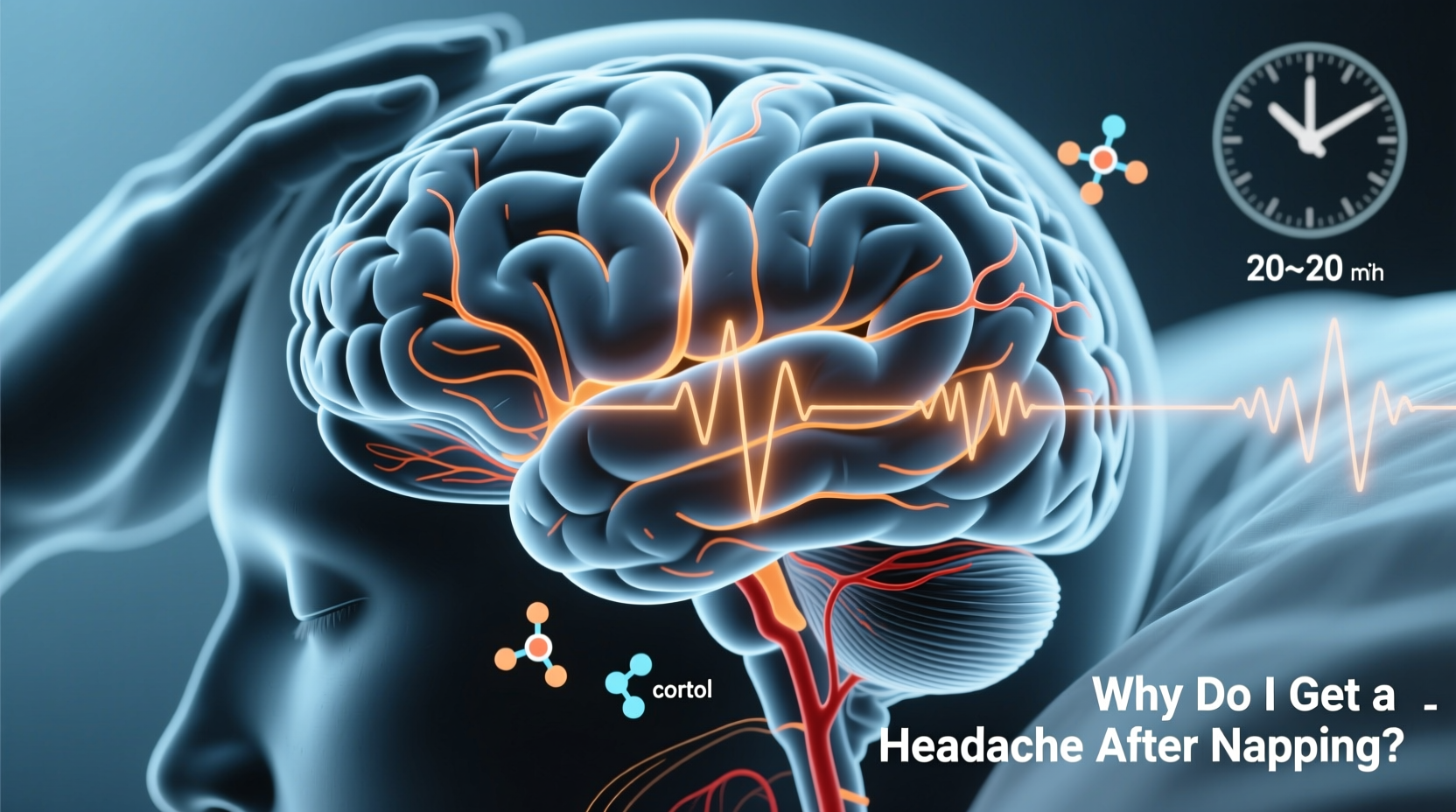
Sleep inertia refers to the period of impaired performance, reduced alertness, and altered sensory perception immediately following awakening. It typically lasts from 15 minutes to several hours, depending on sleep depth and timing. During deep sleep stages — particularly slow-wave sleep (SWS) — the brain undergoes restorative processes. Waking abruptly from this phase disrupts these functions, leading to confusion, fatigue, and in some cases, headaches.
The connection between sleep inertia and headaches lies in the sudden shift in brain activity. When you're pulled out of deep sleep, cerebral blood flow and metabolic activity change rapidly. This abrupt transition can cause vasodilation or vasoconstriction in brain vessels, triggering tension-type or migraine-like headaches in susceptible individuals.
“Sleep inertia isn't just about feeling groggy — it reflects real neurochemical shifts in the brain. Abrupt awakenings during deep sleep can activate pain pathways similar to those seen in migraine episodes.” — Dr. Lena Patel, Neurologist and Sleep Specialist
Common Causes of Post-Nap Headaches
While sleep inertia is a primary contributor, several factors can amplify or directly cause headaches after napping:
- Napping too long: Naps exceeding 30–45 minutes increase the likelihood of entering deep sleep, making arousal more difficult and increasing post-sleep headache risk.
- Poor sleep hygiene: Irregular sleep schedules, caffeine consumption before napping, or sleeping in noisy environments can fragment sleep and heighten sensitivity to disruption.
- Dehydration: Body fluid levels drop during sleep. Without proper hydration before or after a nap, this can contribute to headaches.
- Underlying sleep disorders: Conditions like sleep apnea or insomnia may lead to poor-quality naps and increased headache frequency.
- Environmental factors: Bright light, loud sounds, or uncomfortable temperatures during napping can stress the nervous system upon waking.
- Low blood sugar: Skipping meals before a nap may result in hypoglycemia, which can manifest as a headache upon waking.
How Nap Duration Affects Your Brain Chemistry
The length of your nap plays a critical role in whether you wake up energized or with a headache. The human sleep cycle lasts approximately 90 minutes and progresses through stages: light sleep (N1 and N2), deep sleep (N3), and REM sleep. Each stage serves different physiological purposes.
| Nap Duration | Sleep Stage Reached | Likely Outcome |
|---|---|---|
| 10–20 minutes | Light sleep only | Boosted alertness, minimal inertia, low headache risk |
| 30–45 minutes | May enter early deep sleep | Moderate grogginess possible; higher chance of headache if awakened mid-cycle |
| 60 minutes | Deep sleep (N3) | Significant sleep inertia, strong disorientation, high headache likelihood |
| 90 minutes | Full sleep cycle completed | Better recovery, lower inertia if woken naturally at cycle end |
A 90-minute nap allows completion of a full sleep cycle, reducing the shock of waking from deep sleep. However, most people lack the time or schedule flexibility for such extended naps. For practicality and safety, experts recommend “power naps” of 10 to 20 minutes to avoid deep sleep altogether.
Step-by-Step Guide to Avoiding Post-Nap Headaches
Preventing headaches after napping doesn’t require drastic lifestyle changes. Instead, small adjustments based on circadian biology and personal habits can make a significant difference. Follow this step-by-step plan:
- Determine your ideal nap window: The best time to nap is between 1 p.m. and 3 p.m., when natural energy dips occur due to circadian rhythms. Napping later can interfere with nighttime sleep.
- Set a timer for 20 minutes: Use an alarm to limit your nap to no more than 20 minutes. This keeps you in lighter sleep stages and reduces the risk of sleep inertia.
- Create a calming pre-nap routine: Dim lights, silence notifications, and practice slow breathing for 2–3 minutes before lying down to signal your brain it’s time to rest.
- Choose a quiet, cool environment: Maintain room temperature around 65–70°F (18–21°C). Use earplugs or white noise if needed.
- Hydrate before and after: Drink a small glass of water before napping and another upon waking.
- Get sunlight after waking: Step into natural light or open curtains immediately. Light suppresses melatonin and helps reset your internal clock.
- Movement within 5 minutes: Do light stretching or walk around to increase circulation and oxygen flow to the brain.
Real-Life Example: Maria’s Afternoon Crash
Maria, a 34-year-old project manager, used to take 45-minute naps during her lunch break to combat afternoon fatigue. While she intended to recharge, she consistently woke up with a dull headache and struggled to focus for the next two hours. Her productivity dropped, and she began dreading her once-helpful rest periods.
After consulting a sleep coach, Maria learned that her 45-minute naps were placing her in deep sleep just as the alarm sounded. By adjusting her nap time to 18 minutes and setting it for 1:30 p.m., she stayed within light sleep phases. She also started drinking water before napping and walking outside afterward. Within a week, her headaches disappeared, and her alertness improved significantly.
“Maria’s case is classic. Many professionals believe longer naps are better, but timing and duration matter far more than length.” — Dr. Alan Zhou, Behavioral Sleep Medicine Clinic
Checklist: Optimize Your Nap Routine
Use this checklist to ensure your naps refresh rather than hinder you:
- ☐ Nap between 1 p.m. and 3 p.m. — never after 4 p.m.
- ☐ Limit nap time to 10–20 minutes unless doing a full 90-minute cycle
- ☐ Set a reliable alarm with a gentle wake-up tone
- ☐ Hydrate before and after napping
- ☐ Avoid caffeine within 4 hours of planned nap
- ☐ Create a dark, quiet, and cool environment
- ☐ Expose yourself to bright light immediately upon waking
- ☐ Engage in light physical movement within 5 minutes of waking
- ☐ Track your response for one week to identify patterns
When to Seek Medical Advice
Occasional post-nap headaches are common and usually resolve quickly. However, frequent or severe headaches after napping may indicate an underlying condition. Consider consulting a healthcare provider if you experience any of the following:
- Headaches that persist for more than two hours after waking
- Nausea, vision changes, or sensitivity to light accompanying the headache
- Snoring, gasping, or observed breathing pauses during naps (possible sleep apnea)
- Excessive daytime sleepiness despite adequate sleep
- Difficulty falling or staying asleep at night
Conditions like obstructive sleep apnea, chronic migraines, or neurological disorders can disrupt sleep architecture and increase vulnerability to post-nap symptoms. A sleep study or neurological evaluation may be necessary for accurate diagnosis.
Frequently Asked Questions
Can dehydration really cause a headache after napping?
Yes. Even mild dehydration can trigger headaches because the brain temporarily contracts or shrinks from fluid loss, pulling away from the skull. Since we don’t drink fluids while sleeping, napping — especially longer naps — increases this risk. Drinking water before and after helps maintain fluid balance.
Is a 90-minute nap better than a short nap?
It depends on your goals and schedule. A 90-minute nap completes a full sleep cycle, allowing you to wake at the end of REM sleep, which often feels more natural. However, if you can’t commit to that length or wake up at an inconsistent point in the cycle, a shorter 10–20 minute nap is safer and less likely to cause grogginess or headaches.
Why do I only get headaches after napping on weekends?
This could be due to irregular sleep-wake patterns. If you stay up late on Friday or Saturday night and then take long catch-up naps the next day, your circadian rhythm becomes disrupted. Sleeping in and napping late can delay melatonin release, confuse your internal clock, and increase the chance of waking from deep sleep — all contributing to headaches.
Conclusion: Reclaim Your Rest Without the Pain
Napping should enhance your day, not derail it. Headaches after napping are not inevitable — they are often preventable with smarter timing, better hydration, and attention to sleep cycles. By respecting your body’s natural rhythms and avoiding deep sleep interruptions, you can enjoy the benefits of rest without the side effects of sleep inertia.




 浙公网安备
33010002000092号
浙公网安备
33010002000092号 浙B2-20120091-4
Comments
No comments yet. Why don't you start the discussion?