
Napping can feel like the perfect reset during a long day—refreshing, re-energizing, and restorative. But for many, that post-nap glow quickly turns into a dull throb or sharp pain behind the eyes. If you've ever woken from a nap with a headache, you're not alone. This experience is more common than most realize, and it's often tied to a phenomenon known as sleep inertia—the groggy, disoriented state that follows waking from deep sleep.
Sleep inertia isn’t just about feeling drowsy. It can trigger physiological changes in the brain, including shifts in blood flow, neurotransmitter activity, and cortisol levels—all of which may contribute to headaches. Understanding the science behind this reaction empowers you to nap smarter and avoid the aftermath.
The Science Behind Post-Nap Headaches
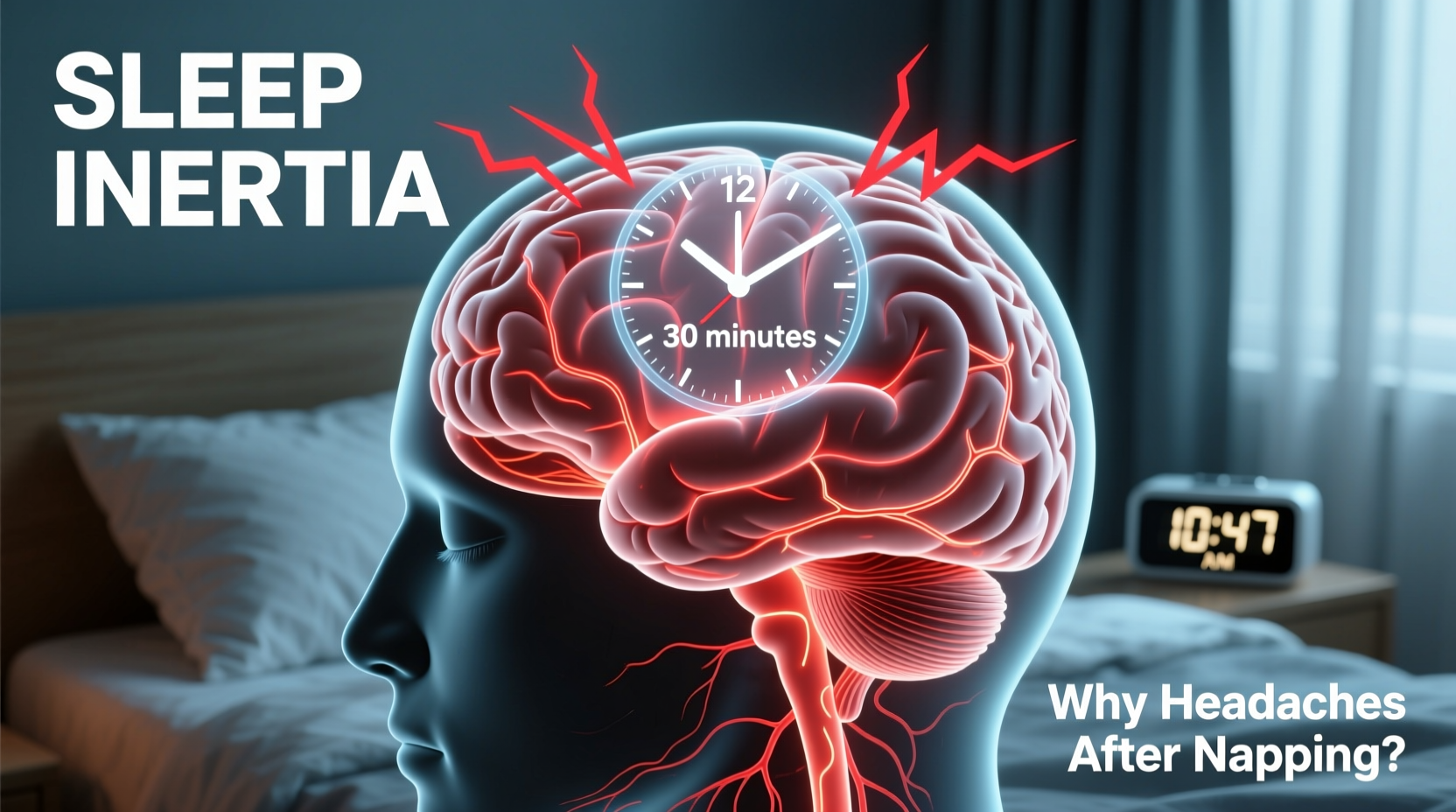
When you fall asleep, your brain progresses through several stages: light sleep (N1 and N2), deep sleep (N3), and rapid eye movement (REM) sleep. The deeper you go into the sleep cycle, especially into N3 (slow-wave sleep), the harder it becomes to wake up. Abruptly interrupting deep sleep triggers a cascade of neurological and hormonal responses.
During deep sleep, cerebral blood flow decreases, and certain areas of the brain become less active. When you're jolted awake mid-cycle, blood flow rapidly increases again to reactivate dormant regions. This sudden shift can cause vascular dilation in the brain, mimicking the mechanism behind tension or migraine headaches.
In addition, the body begins releasing stress hormones like cortisol and adrenaline upon waking. For some individuals, particularly those prone to migraines or with sensitive nervous systems, this surge can provoke head pain.
“Waking during slow-wave sleep creates a mismatch between brain regions—some are still offline while others are already active. That disconnect can manifest physically, including through headaches.” — Dr. Lena Torres, Neurologist and Sleep Specialist
What Is Sleep Inertia—and How Does It Trigger Headaches?
Sleep inertia refers to the transitional state between sleep and wakefulness, marked by impaired cognitive performance, reduced alertness, and sometimes physical discomfort. While typically short-lived (lasting 15–60 minutes), its effects vary widely depending on individual biology, nap duration, and timing.
The link between sleep inertia and headaches lies in three key factors:
- Depth of sleep at awakening: Waking from deep sleep intensifies both inertia and headache risk.
- Duration of nap: Naps longer than 30 minutes are more likely to enter deep sleep phases.
- Circadian timing: Napping late in the afternoon or close to evening disrupts natural melatonin rhythms, increasing vulnerability to headaches.
For people with a history of migraines or cluster headaches, even minor disruptions in sleep architecture can act as a trigger. A study published in *Cephalalgia* found that 40% of migraine sufferers reported naps as a potential precipitant—especially when poorly timed or inconsistently scheduled.
Common Triggers Beyond Sleep Inertia
While sleep inertia plays a central role, other contributing factors often combine to produce post-nap headaches. Identifying these co-triggers helps create a personalized prevention strategy.
Dehydration
Even mild dehydration can lead to headaches. During sleep, your body continues to lose moisture through respiration and minimal perspiration. If you haven't consumed enough fluids before napping, especially after a meal or physical activity, your blood volume drops slightly, reducing oxygen delivery to the brain.
Poor Sleep Environment
Napping in an uncomfortable position—such as slumped over a desk or with your neck twisted—can strain cervical muscles and compress nerves. This mechanical stress often radiates upward, causing cervicogenic headaches. Additionally, bright lights, loud noises, or irregular room temperatures can fragment sleep, worsening inertia.
Blood Sugar Fluctuations
If you nap shortly after eating—or worse, after consuming high-sugar foods—your insulin response may cause a rapid drop in glucose levels by the time you wake. Hypoglycemia-like symptoms include headache, shakiness, and mental fog.
Underlying Sleep Disorders
Conditions such as sleep apnea, restless legs syndrome, or chronic insomnia can fragment nighttime sleep, making daytime naps deeper and more abrupt. These disorders also increase systemic inflammation and oxidative stress, both linked to headache development.
“Patients who complain of post-nap headaches often have undiagnosed obstructive sleep apnea. Their ‘naps’ aren’t restful—they’re survival-mode micro-sleeps driven by oxygen deprivation.” — Dr. Rajiv Mehta, Pulmonologist and Sleep Medicine Director
How to Prevent Headaches After Napping: A Step-by-Step Guide
Preventing post-nap headaches isn’t about eliminating naps—it’s about optimizing them. Follow this sequence to reduce risk and enhance recovery.
- Time your nap carefully: Aim for early to mid-afternoon, ideally between 1:00 PM and 3:00 PM. This aligns with the body’s natural dip in alertness without interfering with nighttime sleep.
- Set a strict duration: Use an alarm to limit naps to 10–20 minutes. This keeps you in stage 2 (light) sleep and avoids deep wave entry.
- Create a conducive environment: Choose a quiet, dimly lit space. Use earplugs or white noise if needed. Support your neck with a travel pillow to maintain spinal alignment.
- Hydrate before lying down: Drink a glass of water 15 minutes before napping. Avoid caffeine unless it's part of a \"coffee nap\" strategy (see checklist below).
- Wake mindfully: Allow yourself a few moments to transition slowly. Sit up gradually, stretch gently, and take deep breaths to regulate circulation.
- Fuel your wake-up: Eat a small snack rich in complex carbohydrates and protein (e.g., apple with almond butter) to stabilize blood sugar.
Checklist: Optimize Your Nap Routine
- ✅ Nap between 1 PM and 3 PM
- ✅ Keep nap under 25 minutes (ideally 10–20)
- ✅ Set an alarm to prevent oversleeping
- ✅ Hydrate before napping
- ✅ Avoid heavy meals or sugary snacks pre-nap
- ✅ Use supportive neck positioning
- ✅ Consider a “coffee nap” (drink coffee right before napping; caffeine kicks in as you wake)
- ✅ Expose yourself to natural light upon waking
Do’s and Don’ts of Napping Without Headaches
| Do’s | Don’ts |
|---|---|
| Take short, early afternoon naps | Nap after 4 PM regularly |
| Stay hydrated throughout the day | Skip water intake before napping |
| Use alarms to control nap length | Fall asleep without setting limits |
| Practice relaxation techniques pre-nap | Watch stimulating screens right before sleeping |
| Maintain consistent nightly sleep | Compensate for poor night sleep with frequent long naps |
Real Example: Sarah’s Transformation from Groggy to Energized
Sarah, a 34-year-old project manager, used to nap daily after lunch—often for 45 minutes or more on her office couch. She’d wake up feeling worse than before: head pounding, vision blurry, mood irritable. Her team noticed she was unproductive for hours afterward.
After consulting a sleep coach, she adjusted her routine. She switched to 15-minute “power naps” at 2:00 PM, set a firm alarm, drank water beforehand, and practiced five minutes of box breathing before lying down. Within two weeks, her post-nap headaches disappeared. Instead of dragging herself back to work, she returned focused and alert.
“It felt like I’d been doing naps wrong my whole life,” she said. “Now I look forward to them—not dread the consequences.”
FAQ: Common Questions About Napping and Headaches
Can napping cause migraines?
Yes, for migraine-prone individuals, napping—especially long or irregular naps—can act as a trigger. Changes in brain chemistry, blood flow, and hormone levels during abrupt awakenings may initiate an attack. Consistent sleep schedules and shorter naps help mitigate this risk.
Is it normal to get a headache every time I nap?
No. While occasional post-nap discomfort happens, recurring headaches signal a need for evaluation. Consider factors like nap length, hydration, posture, and underlying conditions like sleep apnea or chronic tension. Persistent issues warrant consultation with a healthcare provider.
Why do I only get headaches after long naps?
Longer naps increase the likelihood of entering deep sleep (stage N3). Waking from this phase causes pronounced sleep inertia and abrupt neurovascular changes, raising headache risk. Shorter naps avoid this disruption entirely.
Conclusion: Reclaim Your Rest Without the Pain
Napping should restore, not punish. The headache you feel after sleeping isn’t inevitable—it’s a signal. Your body is communicating that something in your rest pattern needs adjustment. Whether it’s the length, timing, or context of your nap, small refinements can eliminate discomfort and unlock true rejuvenation.
Start today: set a timer, hydrate, and protect your nap window like you would any important appointment. With mindful habits, you can enjoy the benefits of rest without paying for it with a throbbing head. Your brain—and your productivity—will thank you.




 浙公网安备
33010002000092号
浙公网安备
33010002000092号 浙B2-20120091-4
Comments
No comments yet. Why don't you start the discussion?