
After a satisfying meal, many people experience a sudden dip in mental clarity—difficulty concentrating, sluggish thinking, or even feeling slightly disoriented. This phenomenon, commonly known as post-meal brain fog, affects millions daily, yet it’s rarely discussed with the seriousness it deserves. Unlike general fatigue, brain fog strikes at cognitive function: memory recall slows, focus wavers, and motivation plummets. The good news is that this condition is not inevitable. Understanding its root causes—and knowing how to respond quickly—can transform your energy, productivity, and overall well-being.
Brain fog after eating isn’t just about being “full.” It’s a physiological response influenced by blood sugar fluctuations, digestive load, food sensitivities, and nervous system activity. While occasional post-lunch drowsiness may seem harmless, chronic brain fog can interfere with work performance, relationships, and long-term brain health. By identifying personal triggers and applying targeted interventions, you can prevent or rapidly reverse these episodes.
The Science Behind Post-Meal Brain Fog
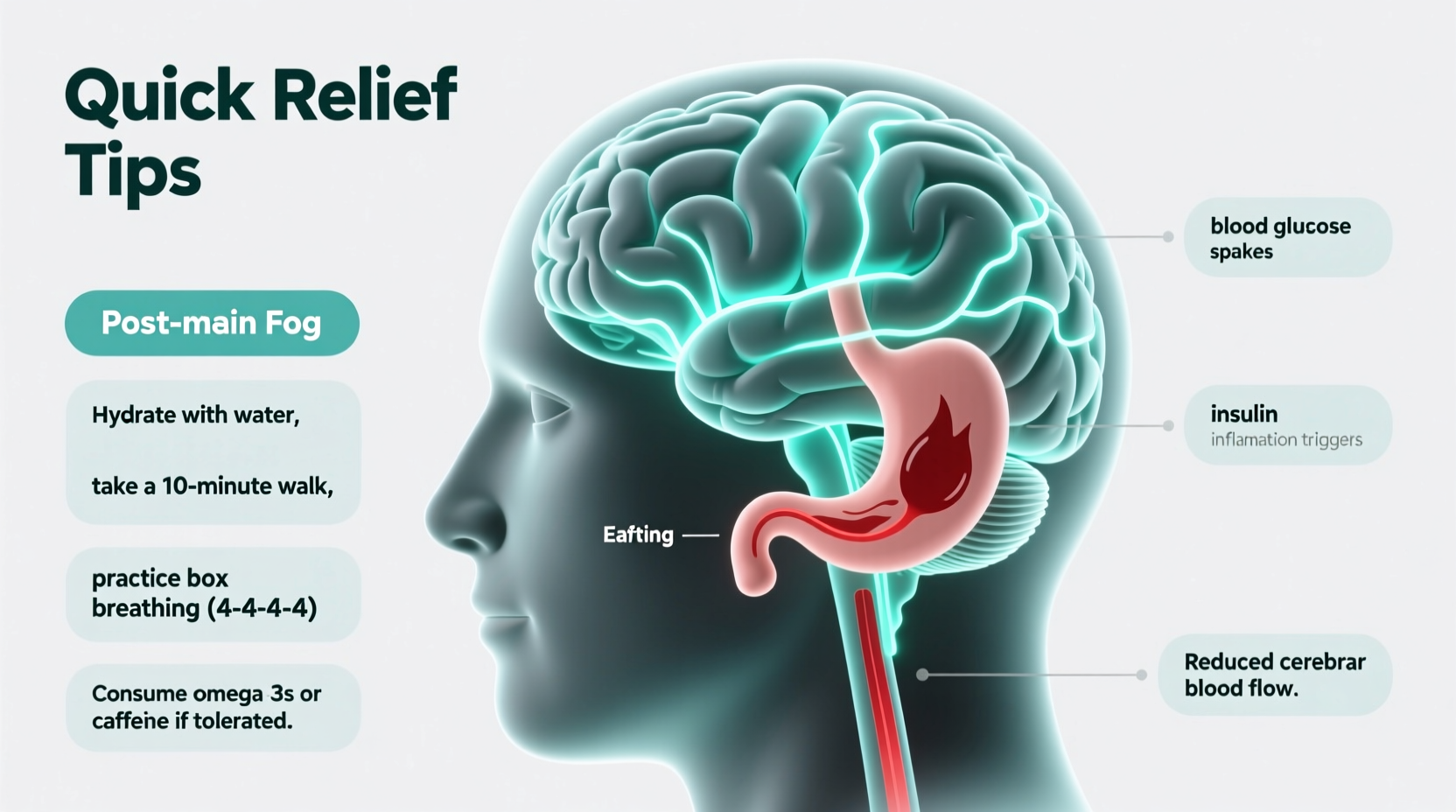
When you eat, your body shifts into digestion mode. Blood flow redirects from the brain and extremities to the gastrointestinal tract to support nutrient absorption. This redistribution is managed by the autonomic nervous system, specifically the parasympathetic branch—the same one responsible for “rest and digest” functions. For some individuals, especially after large or imbalanced meals, this shift becomes excessive, leading to noticeable cognitive dulling.
Blood sugar regulation plays a central role. Meals high in refined carbohydrates or sugars trigger a rapid spike in glucose, followed by an overcorrection from insulin. This sharp drop—known as reactive hypoglycemia—can impair brain function within 60–90 minutes of eating. The brain relies almost exclusively on glucose for fuel, so when levels fall too low, neurons struggle to fire efficiently.
In addition, certain foods provoke inflammatory responses in sensitive individuals. Gluten, dairy, soy, and processed additives can activate immune pathways that indirectly affect the brain via the gut-brain axis. Chronic low-grade inflammation has been linked to reduced cerebral blood flow and neurotransmitter imbalances, both of which contribute to brain fog.
“Postprandial cognitive decline is more common than we realize. It's not laziness—it's often metabolic dysregulation.” — Dr. Lena Patel, Neuroendocrinologist and Cognitive Health Researcher
Common Triggers of Meal-Related Mental Fatigue
Not all meals are created equal when it comes to mental clarity. Some dietary patterns consistently lead to brain fog due to their impact on metabolism, digestion, and immunity.
- High-glycemic meals: White bread, pasta, sugary desserts, and sweetened beverages cause rapid glucose spikes and crashes.
- Large portion sizes: Overeating forces the digestive system to work harder, increasing blood diversion from the brain.
- Foods you're sensitive to: Even mild intolerances (e.g., lactose, gluten, histamine-rich foods) can trigger systemic inflammation.
- Processed and ultra-processed foods: Contain emulsifiers, preservatives, and artificial ingredients that disrupt gut microbiota.
- Fatty meals: Especially those rich in saturated fats, which may slow gastric emptying and promote inflammatory markers.
- Eating too quickly: Reduces mindful chewing and signals poor satiety regulation, leading to overconsumption.
How to Clear Brain Fog Fast After Eating
If you’re already feeling mentally sluggish after a meal, don’t resign yourself to hours of low performance. Several evidence-based techniques can accelerate recovery and restore alertness within minutes.
1. Move Your Body Lightly
A short walk—just 5 to 10 minutes—is one of the most effective ways to counteract post-meal brain fog. Physical movement enhances circulation, helping deliver oxygen to the brain while promoting glucose uptake in muscles, which stabilizes blood sugar. A study published in *Applied Physiology* found that light walking after meals improved both cognitive performance and mood compared to sitting.
2. Hydrate with Water or Herbal Infusions
Dehydration worsens cognitive impairment, and meals—especially salty or dry ones—can increase fluid needs. Drinking a glass of water helps flush metabolic byproducts and supports detoxification pathways in the liver. For added benefit, try peppermint or ginger tea, both of which stimulate digestion and have mild cognitive-enhancing properties.
3. Practice Deep Breathing
Controlled breathing activates the prefrontal cortex and balances the autonomic nervous system. Try this simple technique: inhale slowly through your nose for four counts, hold for four, exhale through pursed lips for six, and pause for two. Repeat for two minutes. This resets vagal tone and reduces parasympathetic dominance, bringing you back into a state of calm alertness.
4. Use Aromatherapy for Instant Alertness
Certain scents, like rosemary, lemon, and spearmint, have been shown in clinical trials to enhance concentration and processing speed. Inhaling essential oils (even just from a diffuser or scented hand lotion) can provide a near-immediate lift in mental clarity. Keep a travel-sized roll-on with invigorating oils in your bag or desk drawer.
5. Chew Gum (Preferably Sugar-Free)
Chewing gum increases blood flow to the brain and stimulates the reticular activating system, which governs wakefulness. A 2020 review in *Frontiers in Psychology* concluded that gum-chewers performed better on attention tasks post-meal than non-chewers. Bonus: it also aids digestion by stimulating saliva production.
Long-Term Prevention Strategies
While quick fixes help in the moment, lasting relief requires adjusting your eating habits and lifestyle. These strategies reduce the frequency and severity of brain fog over time.
Optimize Meal Composition
Aim for balanced meals that combine complex carbohydrates, healthy fats, and quality protein. This trio slows glucose absorption, prevents insulin surges, and sustains energy. For example, instead of toast with jam, choose whole-grain sourdough topped with avocado and a poached egg.
| Meal Type | Likelihood of Causing Brain Fog | Why |
|---|---|---|
| White rice + fried chicken | High | Rapid glucose spike; high saturated fat content slows digestion |
| Quinoa bowl with chickpeas, kale, olive oil | Low | High fiber, plant protein, and anti-inflammatory fats |
| Pasta with cream sauce | High | Refined carbs + heavy fat = double burden on metabolism |
| Grilled salmon, sweet potato, broccoli | Very Low | Omega-3s, steady glucose release, nutrient-dense |
Time Your Meals Strategically
Your circadian rhythm influences digestion and cognition. Most people experience a natural dip in alertness between 1:00 PM and 3:00 PM, making lunch a critical window. Avoid heavy meals during this period. Instead, eat a lighter lunch and save larger dinners for earlier in the evening—if tolerated. Some find success with early time-restricted eating (e.g., finishing dinner by 7 PM), which improves overnight metabolic reset.
Address Hidden Food Sensitivities
Unlike allergies, sensitivities don’t produce immediate reactions but can cause delayed symptoms like brain fog, bloating, or joint pain. Common culprits include gluten, dairy, eggs, and nightshades. An elimination diet—removing suspect foods for 3–4 weeks, then reintroducing them systematically—is the gold standard for identification. Work with a nutritionist if possible to ensure nutritional adequacy.
Support Gut Health
A growing body of research links gut microbiome diversity to cognitive resilience. Probiotic-rich foods (like kefir, sauerkraut, kimchi) and prebiotic fibers (onions, garlic, asparagus, oats) nourish beneficial bacteria. Consider a high-quality probiotic supplement if you’ve taken antibiotics recently or suffer from frequent digestive issues.
Real-Life Example: How Sarah Reversed Her Daily Slump
Sarah, a 38-year-old project manager, used to dread lunchtime. Every afternoon, within 45 minutes of eating, she’d feel her thoughts \"thicken,\" struggle to follow meetings, and crave a nap. She blamed stress or lack of sleep—until she tracked her meals. She discovered a pattern: days when she ate salads with grilled chicken or grain bowls, she remained alert. But days with sandwiches, wraps, or restaurant pasta? Guaranteed fog.
She eliminated gluten and reduced added sugars for three weeks. She began taking a daily probiotic and started walking for 10 minutes after lunch. Within ten days, her afternoon clarity returned. Now, she plans her lunches like performance fuel—not just convenience food.
Quick Action Checklist to Prevent and Reduce Brain Fog
- ✅ Eat balanced meals: include protein, fiber, and healthy fats in every meal
- ✅ Limit refined carbs and added sugars, especially at lunch
- ✅ Drink 1–2 glasses of water during and after meals
- ✅ Take a 5–10 minute walk after eating
- ✅ Practice deep breathing if you feel fog setting in
- ✅ Identify and eliminate food sensitivities using an elimination diet
- ✅ Chew food thoroughly and eat slowly to aid digestion
- ✅ Use natural stimulants like peppermint or rosemary scent when needed
Frequently Asked Questions
Can drinking coffee cause or worsen brain fog after meals?
Coffee itself doesn’t typically cause brain fog, but relying on it to mask poor blood sugar control can create a cycle of dependence. If you drink coffee immediately after a high-carb meal, the caffeine may briefly boost alertness, but once it wears off, the underlying glucose crash hits harder. Pair coffee with protein or fat to buffer its effects, and avoid consuming it within two hours of bedtime.
Is brain fog after meals a sign of diabetes?
It can be an early warning sign. Frequent episodes of post-meal fatigue, especially with increased thirst, urination, or hunger, may indicate prediabetes or insulin resistance. A fasting glucose test or HbA1c screening from your doctor can clarify your metabolic status. Don’t ignore recurring patterns—early intervention can prevent progression.
Why do I only get brain fog after lunch, not breakfast or dinner?
This is common and often tied to circadian biology. The post-lunch dip aligns with a natural circadian trough in alertness. Combine that with a meal—especially one higher in carbs—and the effect amplifies. Additionally, many people eat their largest or least balanced meal at lunch. Adjusting lunch composition and timing can make a dramatic difference.
Conclusion: Take Control of Your Mental Clarity
Brain fog after meals isn’t something you have to accept as normal. It’s a signal—a message from your body that something in your diet, digestion, or metabolism needs attention. Whether it’s refining your plate, tuning into food sensitivities, or adopting simple post-meal habits, the power to think clearly lies in consistent, informed choices.
You don’t need a complete lifestyle overhaul to see results. Start with one change: swap your afternoon snack for a handful of almonds, take a short walk after lunch, or eliminate one common trigger food for a week. Small steps compound into lasting clarity. Your brain is designed to perform at its best—give it the fuel and care it deserves.




 浙公网安备
33010002000092号
浙公网安备
33010002000092号 浙B2-20120091-4
Comments
No comments yet. Why don't you start the discussion?