
Eating a sandwich with deli meat or enjoying bacon at breakfast should be satisfying—not the start of a throbbing headache. Yet for many people, consuming processed meats leads to discomfort within minutes or hours. This phenomenon is more common than you might think, and it’s often linked to specific chemical compounds added during processing. Understanding the root causes can help you make informed dietary choices and reduce your risk of food-triggered migraines or tension-type headaches.
Processed meats include items like hot dogs, sausages, bacon, salami, ham, pepperoni, and cold cuts. These foods are preserved through methods such as smoking, curing, or adding chemical preservatives. While convenient and flavorful, they contain several ingredients known to affect neurological and vascular systems—sometimes resulting in headaches. Let’s explore the science behind this reaction and what you can do about it.
The Role of Nitrates and Nitrites
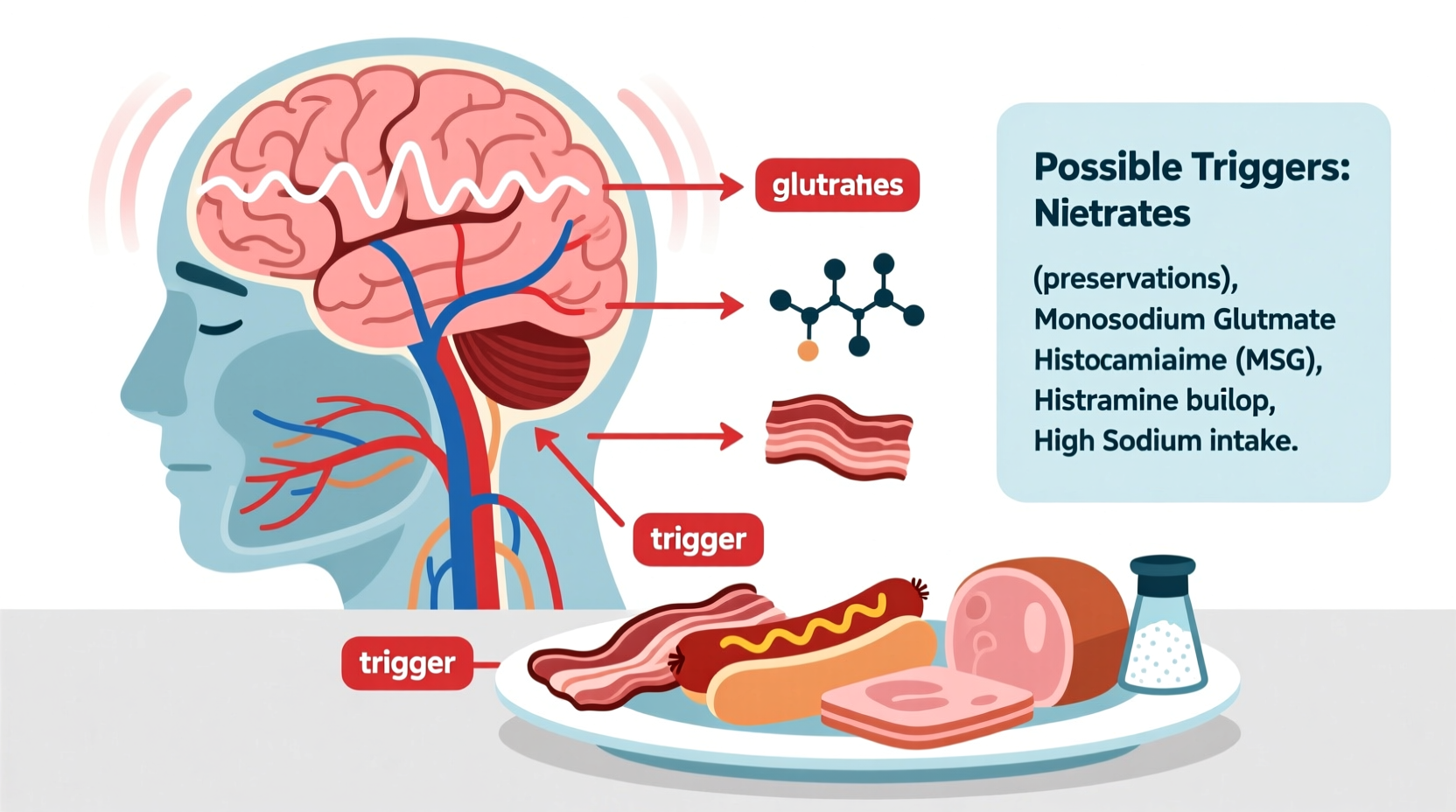
Nitrates (NO₃) and nitrites (NO₂) are among the most frequently cited triggers for headaches after eating processed meats. They are used to preserve color, extend shelf life, and prevent bacterial growth—especially in cured meats like bacon and hot dogs.
When consumed, nitrites can convert into nitric oxide in the body, which causes blood vessels to dilate. While this effect is natural and sometimes beneficial, excessive vasodilation in the brain can lead to headaches or migraines in sensitive individuals. Research published in the journal *Nutrients* suggests that dietary nitrates may act as migraine triggers by altering cerebral blood flow and promoting oxidative stress.
Foods high in added nitrites include:
- Bacon
- Pepperoni
- Corned beef
- Smoked turkey
- Hot dogs
Understanding Histamine Sensitivity
Another major contributor to post-meal headaches is histamine, a compound involved in immune responses and digestion. Some processed meats, especially aged or fermented ones like salami, pepperoni, and certain sausages, accumulate high levels of histamine during production.
People with histamine intolerance lack sufficient activity of diamine oxidase (DAO), the enzyme responsible for breaking down histamine in the gut. When histamine builds up in the bloodstream, it can cause symptoms including flushing, nasal congestion, digestive upset—and notably, headaches.
A study in the *European Journal of Neurology* found that patients with chronic migraines had significantly lower DAO activity compared to controls, and reducing histamine intake led to fewer headache episodes.
“Histamine-rich foods are underrecognized migraine triggers. For patients unresponsive to standard treatments, evaluating dietary histamine load can be transformative.” — Dr. Laura Baxendale, Neurologist & Headache Specialist
Foods High in Histamine to Monitor
| Food Category | Examples | Typical Histamine Level |
|---|---|---|
| Fermented Meats | Salami, pepperoni, chorizo | High |
| Canned Meats | Tinned sausages, spam | Moderate to High |
| Aged Cold Cuts | Prosciutto, aged ham | High |
| Fresh Deli Meat (unaged) | Oven-roasted turkey, chicken breast | Low |
Monosodium Glutamate (MSG) and Flavor Enhancers
While not present in all processed meats, monosodium glutamate (MSG) and other excitotoxins like disodium inosinate and guanylate are often added to enhance savory flavor—especially in packaged sausages, canned meats, and flavored bacon.
MSG acts as an agonist to glutamate receptors in the brain. In sensitive individuals, overstimulation of these pathways may lead to what's commonly called “Chinese Restaurant Syndrome,” characterized by headache, facial pressure, and nausea within 20 minutes to two hours after ingestion.
The mechanism isn’t fully understood, but clinical observations suggest that MSG-induced headaches are more likely when consumed on an empty stomach or in large quantities. A review in *Current Pain and Headache Reports* notes that while scientific consensus on MSG remains debated, anecdotal and physiological evidence supports its role as a trigger in a subset of patients.
Hidden Sources of MSG in Processed Meats
- Flavor packs labeled “natural flavors” or “yeast extract”
- Hydrolyzed vegetable protein
- Autolyzed yeast
- Textured protein fillers in low-cost sausages
Other Possible Triggers in Processed Meats
Beyond nitrates, histamines, and MSG, several other factors may contribute to headaches:
Sodium Overload
Processed meats are notoriously high in sodium. A single serving of deli ham can contain over 1,000 mg of salt. Excessive sodium intake leads to fluid retention and increased blood pressure, both of which can provoke headaches—particularly in individuals with hypertension or salt sensitivity.
Tyramine Content
Tyramine is a naturally occurring compound formed from the breakdown of the amino acid tyrosine, especially in aged or fermented foods. Like histamine, it affects blood vessel tone and neurotransmitter balance. High-tyramine meats include aged salami, smoked sausages, and dried jerky. Tyramine has long been associated with migraines, particularly in those taking MAO inhibitor medications.
Additives and Preservatives
Besides nitrites, processed meats often contain sulfites (used to retain color), benzoates (antimicrobials), and artificial colors—all of which have been anecdotally linked to headaches in sensitive individuals. Though less studied than nitrates, these additives may play a synergistic role in triggering reactions.
Step-by-Step Guide to Identifying Your Trigger
If you suspect processed meats are causing your headaches, follow this structured approach to identify the culprit:
- Keep a Food-Headache Diary: For two weeks, log everything you eat and drink, along with any headache onset, severity, duration, and timing. Note the type of processed meat consumed and its ingredients.
- Eliminate All Processed Meats: Remove bacon, deli meats, sausages, and hot dogs from your diet for at least 14 days. Replace with fresh, unprocessed proteins like grilled chicken, fish, or plant-based alternatives.
- Reintroduce One Type at a Time: After the elimination phase, reintroduce one processed meat every three days. Start with nitrate-free bacon, then move to salami, etc. Wait 72 hours between tests to monitor delayed reactions.
- Check Ingredient Labels: During reintroduction, compare products with and without nitrates, MSG, or fermentation. Note whether symptoms return only with certain formulations.
- Consult a Healthcare Provider: If patterns emerge, discuss your findings with a doctor or dietitian. Consider testing for histamine intolerance or DAO deficiency if symptoms persist.
“Dietary triggers are highly individual. What causes a severe reaction in one person may be tolerated by another. Precision tracking is key.” — Dr. Alan Kim, Integrative Neurology Clinic
Mini Case Study: Sarah’s Journey to Relief
Sarah, a 34-year-old teacher, experienced weekly migraines for over two years. She kept a detailed symptom journal and noticed a pattern: headaches almost always followed lunches containing turkey slices or ham sandwiches. Initially, she blamed dehydration or stress, but even increasing water intake didn’t help.
After consulting a neurologist, she was advised to eliminate processed meats. Within ten days, her headache frequency dropped from four to one per month. When she reintroduced a popular brand of smoked turkey, a moderate headache returned within 90 minutes. Switching to a fresh-cooked, nitrate-free roasted turkey eliminated the issue entirely.
Laboratory analysis revealed slightly reduced DAO enzyme activity, confirming a mild histamine intolerance. By avoiding aged and cured meats, Sarah now manages her condition without medication.
Practical Tips to Reduce Risk
- Choose fresh-cooked meats instead of pre-packaged deli cuts.
- Opt for uncured bacon labeled “no nitrates added” (though verify sourcing).
- Limit portion sizes—small amounts may not trigger a response.
- Stay hydrated before and after meals to support detoxification pathways.
- Cook at home using whole-muscle meats rather than processed blends.
Checklist: Safer Processed Meat Choices
Use this checklist when shopping to minimize headache risk:
- ✅ Check for “no added nitrates or nitrites” on the label
- ✅ Avoid fermented or aged products if histamine-sensitive
- ✅ Scan for hidden MSG (e.g., yeast extract, hydrolyzed protein)
- ✅ Prefer lower-sodium options (<500mg per serving)
- ✅ Choose freshly sliced deli meat over pre-packaged varieties
- ✅ Refrigerate promptly and consume within 3–5 days to limit histamine buildup
FAQ
Can organic processed meats still cause headaches?
Yes. Even organic or “natural” processed meats often use celery powder or juice as a natural source of nitrates. These can have the same physiological effect as synthetic nitrites. Always read the full ingredient list.
How soon after eating processed meat do headaches typically occur?
Symptoms can appear within 15 minutes (especially with MSG) or be delayed up to 12 hours (common with histamine or tyramine). Keeping a food diary helps pinpoint timing patterns.
Are there processed meats that are generally safe for headache-prone individuals?
Freshly cooked, nitrate-free poultry slices or uncured ham with minimal additives are better tolerated. However, individual sensitivity varies widely—testing in small portions is recommended.
Conclusion
Headaches after eating processed meats are not just coincidence—they’re often the result of identifiable chemical triggers like nitrates, histamines, MSG, or high sodium. While these foods are staples in many diets, their impact on neurological health should not be overlooked. By understanding how ingredients affect your body and taking proactive steps to identify personal sensitivities, you can reduce or eliminate these painful reactions.
Dietary changes don’t require perfection. Start with small swaps, track your symptoms, and prioritize whole, minimally processed proteins. Your head—and overall well-being—will thank you.




 浙公网安备
33010002000092号
浙公网安备
33010002000092号 浙B2-20120091-4
Comments
No comments yet. Why don't you start the discussion?