
Napping can be a powerful tool for restoring energy, improving focus, and supporting overall well-being. Yet for many people, what starts as a refreshing break ends with a dull or throbbing headache. If you’ve ever woken from a short nap feeling worse than when you started—groggy, disoriented, or with a pounding head—you’re not alone. Post-nap headaches are more common than most realize, and they stem from a combination of physiological, environmental, and behavioral factors. Understanding the root causes is the first step toward enjoying restorative naps without the pain.
The Science Behind Post-Nap Headaches
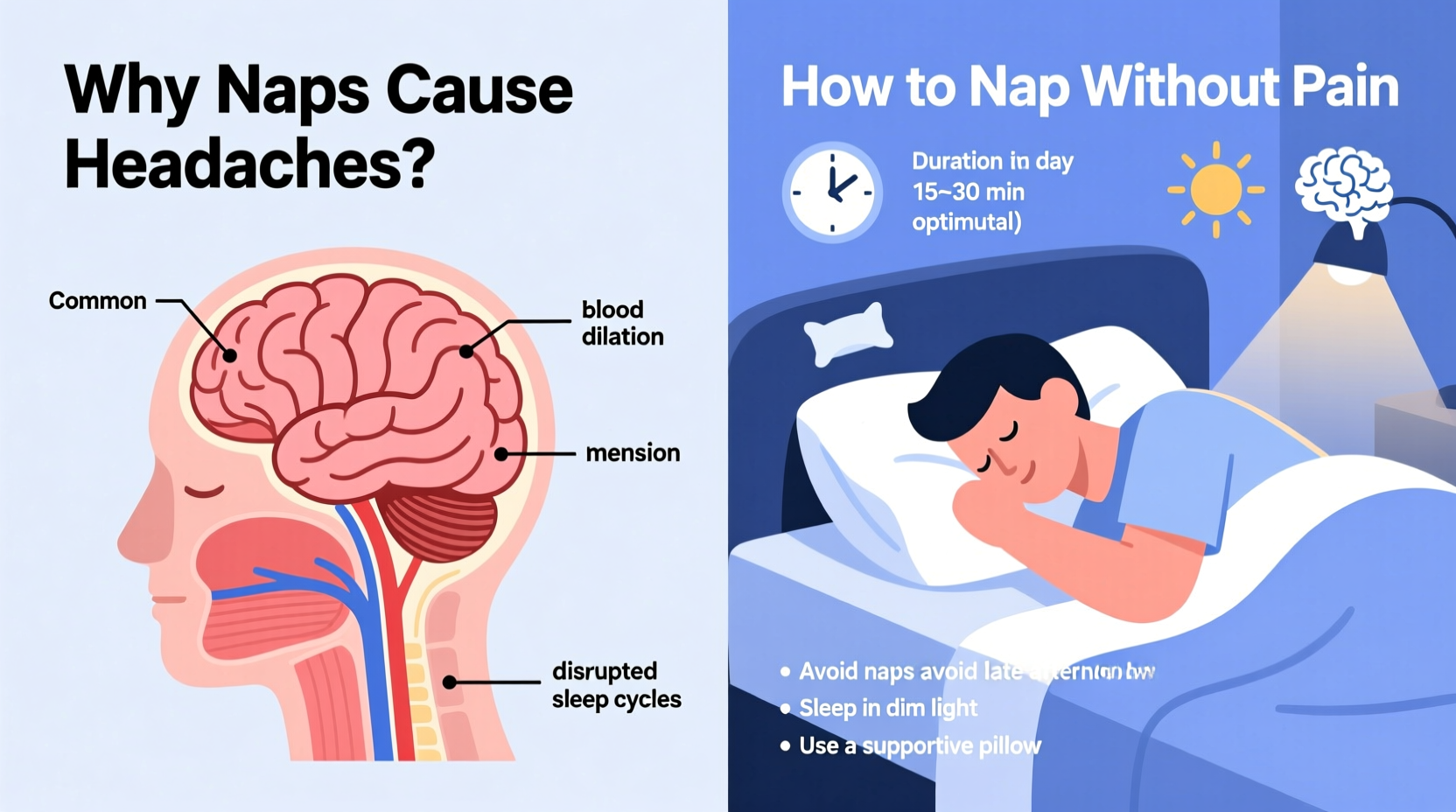
When you fall asleep, your brain cycles through different stages of sleep: light sleep, deep sleep, and REM (rapid eye movement) sleep. Each cycle lasts approximately 90 minutes. Waking up during certain phases—especially deep sleep or REM—can trigger a phenomenon known as sleep inertia, which includes grogginess, confusion, and sometimes headaches.
During deep sleep, blood flow to the brain decreases slightly as the body focuses on physical restoration. When you're abruptly awakened from this stage, cerebral blood vessels may still be constricted, leading to altered blood flow and pressure changes in the brain. This shift can activate pain-sensitive structures around the brain, resulting in a headache.
Additionally, changes in neurotransmitter levels—such as serotonin and dopamine—during sleep transitions can influence pain perception. A sudden spike or drop in these chemicals upon waking may contribute to headache development.
“Waking from deep sleep can cause a mismatch between brain activity and vascular tone, increasing the likelihood of headache onset.” — Dr. Lena Torres, Neurologist & Sleep Specialist
Common Causes of Headaches After Napping
Several interrelated factors can turn a beneficial nap into a painful experience. Identifying which ones apply to you is essential for prevention.
1. Sleeping Too Long
Naps longer than 30–45 minutes increase the risk of entering deep sleep. Once you cross into stage 3 or 4 non-REM sleep, waking becomes disruptive. The longer the nap, the deeper the descent into slow-wave sleep, making abrupt awakening more likely to trigger a headache.
2. Poor Sleep Hygiene at Night
If you're chronically sleep-deprived due to poor nighttime sleep, your brain may plunge quickly into deep recovery sleep during a nap—even a short one. This heightened drive for deep sleep makes it harder to wake gently and raises the chance of post-nap discomfort.
3. Dehydration
Even mild dehydration can lower your threshold for headaches. If you haven’t consumed enough fluids before your nap, the slight metabolic slowdown during sleep can amplify this effect. Blood volume drops slightly, reducing oxygen delivery to the brain and potentially triggering pain.
4. Caffeine Withdrawal or Misuse
Caffeine blocks adenosine receptors, which promote sleepiness. If you consume caffeine late in the day and then attempt a nap, residual stimulation can fragment your sleep architecture. Conversely, if you're used to regular caffeine intake and skip it before napping, withdrawal symptoms—including headaches—may emerge during or after your rest.
5. Environmental Triggers
External conditions play a significant role. Napping in overly bright rooms, noisy environments, or awkward positions (like slumped over a desk) can strain muscles, disrupt sleep quality, and lead to tension-type headaches. Poor air circulation or allergens in the room may also contribute.
6. Underlying Health Conditions
In some cases, frequent post-nap headaches signal an underlying issue such as sleep apnea, migraines, or hypertension. These conditions alter breathing patterns, blood pressure regulation, or neural sensitivity, all of which can manifest as head pain after sleeping.
How to Nap Without the Pain: A Step-by-Step Guide
Avoiding post-nap headaches isn't about eliminating naps—it's about optimizing them. Follow this sequence to enjoy restful breaks without the side effects.
- Determine Your Ideal Nap Length
Limit naps to 10–20 minutes (a \"power nap\") to stay in light sleep. Alternatively, allow a full 90-minute cycle to complete all stages naturally. Avoid the 30–60 minute range, where partial deep sleep increases headache risk. - Hydrate Before Lying Down
Drink a glass of water 15–20 minutes before your nap. This helps maintain blood volume and supports steady cerebral perfusion during sleep transitions. - Choose the Right Time
Nap too early, and you might not feel tired; too late, and it could interfere with nighttime sleep. Aim for mid-afternoon, when energy naturally dips due to circadian rhythms. - Create a Calm Environment
Use earplugs or white noise to block disturbances. Dim the lights or use a sleep mask. Ensure your neck and spine are supported—avoid couches that encourage poor posture. - Set an Alarm with Gradual Wake-Up Features
Use smart alarms that simulate sunrise or emit soft sounds. Sudden loud noises spike cortisol and blood pressure, increasing headache susceptibility. - Move Gently Upon Waking
Sit up slowly. Stretch your neck and shoulders. Drink another glass of water. Rushing to stand can cause orthostatic hypotension, contributing to dizziness and head pain.
Do’s and Don’ts of Healthy Napping
| Do’s | Don’ts |
|---|---|
| Keep naps under 30 minutes or full 90-minute cycles | Nap for 45–60 minutes regularly |
| Nap in a quiet, dark, cool room | Fall asleep in noisy or bright environments |
| Stay hydrated before and after napping | Skip water intake before resting |
| Use a supportive pillow or躺姿 | Sleep upright or hunched over a desk |
| Maintain consistent nighttime sleep | Compensate for poor sleep with long daytime naps |
| Limit caffeine 6 hours before bedtime | Drink coffee right before a nap |
Real-Life Example: Maria’s Transformation
Maria, a 38-year-old project manager, used to take daily 45-minute naps after lunch to combat afternoon fatigue. Within weeks, she began experiencing recurring headaches, often accompanied by nausea. She assumed it was stress-related until her doctor suggested tracking her sleep patterns. After switching to 20-minute naps using a gentle alarm and ensuring hydration before resting, her headaches disappeared within two weeks. “I didn’t realize my nap duration was the culprit,” she said. “Now I feel refreshed instead of punished.”
Expert-Backed Tips to Prevent Post-Nap Headaches
- Practice the “caffeine nap” strategically: Drink a small cup of coffee right before a 20-minute power nap. Caffeine takes about 25 minutes to kick in, so you wake up just as it starts blocking adenosine—enhancing alertness without disrupting sleep depth.
- Monitor blood pressure: Some individuals experience nocturnal or postural blood pressure fluctuations during sleep transitions. If headaches persist, consult a physician to rule out hypertension or autonomic dysfunction.
- Try mindfulness pre-nap: Spend 5 minutes doing deep breathing or progressive muscle relaxation before lying down. This reduces baseline stress and stabilizes nervous system activity, minimizing abrupt shifts upon waking.
When to See a Doctor
Occasional post-nap discomfort may resolve with lifestyle adjustments. However, recurring or severe headaches warrant medical evaluation. Seek professional advice if you experience any of the following:
- Headaches that occur consistently after every nap
- Pain that radiates to the neck or behind the eyes
- Symptoms like snoring, gasping, or witnessed breathing pauses during sleep (possible sleep apnea)
- Vision changes, dizziness, or confusion upon waking
- Headaches that worsen over time despite preventive measures
These could indicate migraines, intracranial pressure issues, or cardiovascular abnormalities requiring diagnosis and treatment.
Frequently Asked Questions
Can a short nap really cause a headache?
Yes. Even brief naps can trigger headaches if you enter deep sleep prematurely—especially if you're sleep-deprived. Additionally, dehydration, poor posture, or abrupt awakening can cause pain regardless of nap length.
Is there a best time of day to nap without getting a headache?
The optimal window is between 1:00 PM and 3:00 PM. This aligns with the natural post-lunch dip in alertness driven by circadian biology. Napping earlier or later can interfere with sleep homeostasis and increase headache risk.
Why do I only get headaches after napping at work but not at home?
Environmental differences are likely the cause. Work naps may happen at desks with poor ergonomics, under fluorescent lighting, or in stressful settings. At home, you’re more likely to nap in a comfortable, controlled environment—reducing physical strain and sensory triggers.
Your Action Plan: Nap Smarter Starting Today
Headaches after napping don’t have to be inevitable. By respecting your body’s sleep architecture, managing hydration, and creating optimal conditions for rest, you can transform your naps into truly rejuvenating experiences. Start small: set a 20-minute timer tomorrow, drink water beforehand, and find a quiet corner. Track how you feel upon waking. Over time, refine your approach based on what works best for your physiology.
Remember, the goal isn’t just to avoid pain—it’s to harness the full cognitive and emotional benefits of strategic rest. With mindful habits, you can reclaim your afternoons, boost productivity, and protect your long-term neurological health.




 浙公网安备
33010002000092号
浙公网安备
33010002000092号 浙B2-20120091-4
Comments
No comments yet. Why don't you start the discussion?