
It’s a familiar winter experience: you reach for a doorknob, car door, or faucet, and suddenly—zap! A sharp, surprising jolt of static electricity shoots through your finger. You're not imagining it; this phenomenon is more common in colder months, and while usually harmless, it can be uncomfortable and even alarming. The good news? Understanding the science behind static shocks and taking proactive steps can significantly reduce their frequency. This guide breaks down exactly why static buildup happens in winter, who's most susceptible, and what you can do to prevent those annoying zaps every time you touch metal.
The Science Behind Winter Static Shocks
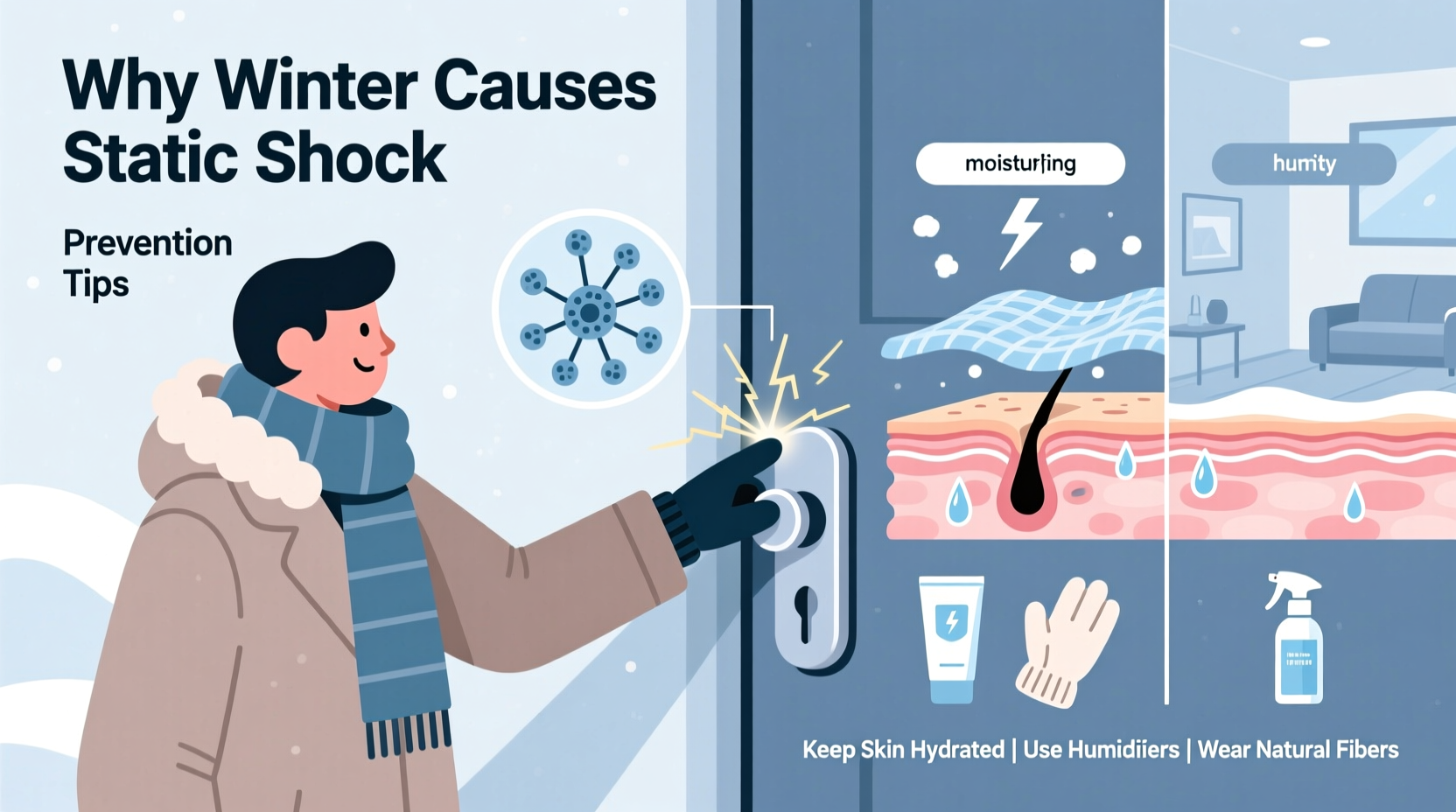
Static electricity occurs when there’s an imbalance of electric charges on the surface of materials. When two surfaces rub together, electrons can transfer from one object to another. One becomes positively charged, the other negatively charged. When you then touch a conductive material—like metal—the excess charge rapidly equalizes, causing that sudden spark or shock.
In winter, the air tends to be much drier. Cold air holds less moisture than warm air, and indoor heating further reduces relative humidity, often dropping levels below 30%. Dry air is a poor conductor of electricity, meaning charges build up more easily on your body instead of dissipating gradually into the environment. As you walk across carpets, slide off synthetic fabric chairs, or remove wool sweaters, electrons accumulate on your skin and clothing. The moment you touch a grounded metal object—such as a door handle or filing cabinet—that stored charge discharges instantly, resulting in a static shock.
“Low humidity is the primary driver of static buildup in winter. Below 40% relative humidity, static problems become increasingly common.” — Dr. Alan Pierce, Atmospheric Physicist, National Weather Research Center
Who Is Most at Risk?
Not everyone experiences static shocks equally. Several factors influence your likelihood of getting zapped:
- Footwear: Rubber-soled shoes (common in sneakers and boots) are excellent insulators. They prevent built-up charge from leaking into the ground, increasing the chance of a shock when you finally touch metal.
- Clothing Material: Synthetic fabrics like polyester, nylon, and acrylic generate more static than natural fibers such as cotton, silk, or wool (though wool can also contribute).
- Indoor Environment: Homes and offices with forced-air heating, wall-to-wall carpeting, and low humidity create ideal conditions for static accumulation.
- Skin Type: Dry skin has higher electrical resistance, making it easier for charge to build up. People with naturally dry skin or those using drying skincare products may experience more shocks.
Proven Prevention Strategies
Preventing static shocks isn’t about avoiding metal—it’s about managing charge buildup and promoting safe discharge. Here are seven effective, science-backed methods to minimize or eliminate winter static shocks.
1. Increase Indoor Humidity
Maintaining indoor humidity between 40% and 60% dramatically reduces static electricity. Moisture in the air helps conduct small charges away before they accumulate. Use a humidifier in frequently used rooms, especially bedrooms and living areas.
2. Choose Natural Fibers for Clothing and Bedding
Synthetic fabrics are notorious for generating static. Replace polyester blends with cotton, linen, or bamboo in your everyday wear and sleepwear. Even layering a cotton undershirt beneath a wool sweater can reduce charge transfer.
3. Treat Carpets and Upholstery
Commercial anti-static sprays can be applied to carpets, office chairs, and car seats. These contain ingredients that make surfaces slightly conductive, reducing electron transfer. Alternatively, a DIY solution of water and a few drops of fabric softener in a spray bottle works well for spot treatment.
4. Use Moisturizer and Hydrating Skincare
Well-moisturized skin conducts electricity better than dry skin, allowing small charges to dissipate without building up. Apply lotion immediately after showering and reapply throughout the day, focusing on hands and arms.
5. Ground Yourself Before Touching Metal
Instead of touching metal directly with your fingertip—a concentrated point of contact—first touch it with a key, coin, or knuckle. These methods spread out the discharge over a larger area or allow it to occur through a less sensitive part of the body, minimizing pain.
6. Install Anti-Static Mats or Flooring
In high-risk environments like home offices or workshops, anti-static mats under desks or chairs can safely channel charge to the ground. For permanent solutions, consider anti-static flooring options during renovations.
7. Wash Clothes with Anti-Static Products
Dryer sheets and liquid fabric softeners coat fibers with a thin layer of conductive chemicals, reducing static cling and charge buildup. Look for products labeled “anti-static” or use wool dryer balls as a chemical-free alternative.
Do’s and Don’ts: Static Shock Prevention Table
| Do’s | Don’ts |
|---|---|
| Use a humidifier to maintain 40–60% humidity indoors | Allow humidity to drop below 30% |
| Wear cotton or natural fiber clothing | Wear full polyester or nylon outfits |
| Apply hand lotion regularly | Go hours without moisturizing in heated environments |
| Touch metal with a key first | Reach for metal with a dry fingertip |
| Use anti-static sprays on carpets and furniture | Ignore persistent static in workspaces |
Step-by-Step Guide: How to Discharge Safely
If you’ve been walking across a carpeted room or sliding off a synthetic chair, follow these steps before touching metal objects:
- Pause before touching metal. Take a breath and prepare to discharge safely.
- Hold a metal object you already own, such as a key, coin, or ring.
- Touch the grounded metal surface with the object first. You may see or feel a small spark, but it will bypass your nerves.
- Now touch the surface with your hand. Any remaining charge will transfer without a painful shock.
- Moisturize your hands afterward to improve conductivity for next time.
This method doesn’t prevent buildup, but it prevents pain by controlling how and where the discharge happens.
Real-Life Example: Office Worker’s Static Problem
Jamie, a graphic designer in Minneapolis, complained of frequent shocks every time she touched her computer case or office door handle. Her workspace had a synthetic rug, plastic chair, and central heating running constantly. After tracking her routine, she realized the shocks occurred mostly mid-morning, after hours of movement in dry air.
She implemented three changes: adding a desktop humidifier, switching to cotton-blend office attire, and placing a small metal tray connected to a grounding wire near her desk. Within days, the shocks stopped. She now keeps a metal keychain on her desk specifically for pre-touch discharge—a simple habit that solved a daily annoyance.
Checklist: Winter Static Shock Prevention Plan
Use this checklist weekly during winter months to stay shock-free:
- ✅ Check indoor humidity with a hygrometer (ideal: 40–60%)
- ✅ Run a humidifier for at least 6 hours per day
- ✅ Wear natural fiber clothing (cotton, linen, silk)
- ✅ Apply hand and body moisturizer twice daily
- ✅ Use dryer sheets or wool dryer balls in laundry
- ✅ Carry a metal object (key, coin) to touch metal surfaces first
- ✅ Spray carpets and upholstery with anti-static solution weekly
- ✅ Avoid dragging feet on carpeted floors
- ✅ Replace plastic chair mats with anti-static versions
- ✅ Ground yourself before exiting vehicles
Frequently Asked Questions
Can static shocks harm my health?
For most people, static shocks are harmless, though startling. They typically measure under 5 millijoules—far below dangerous levels. However, individuals with pacemakers or sensitive medical devices should consult a doctor, as electromagnetic interference, while rare, is theoretically possible. In industrial settings, large static discharges can ignite flammable vapors, but household shocks pose no serious risk.
Why do I get shocked more in my car?
Sliding across synthetic car seats generates significant static, especially in dry winter air. When you step out wearing insulating soles and then touch the metal frame, the charge discharges instantly. To prevent this, hold the metal door frame *while* exiting the vehicle. This allows continuous grounding as you move, preventing buildup.
Does drinking more water help reduce static shocks?
While hydration improves overall skin health and conductivity, it won’t directly prevent static shocks. The primary issue is environmental dryness, not internal dehydration. However, well-hydrated skin responds better to topical moisturizers, which *do* help reduce resistance and promote charge dissipation.
Final Thoughts: Take Control of Winter Static
Static shocks aren’t inevitable, even in the depths of winter. They’re a predictable result of dry air, synthetic materials, and insulating footwear—all of which can be managed with small, consistent adjustments. By increasing humidity, choosing the right fabrics, and adopting smart discharge habits, you can eliminate those unpleasant zaps for good.
Start with one change—like using a humidifier or carrying a key to touch metal first—and build from there. Over time, these habits become second nature, turning a season of shocks into one of comfort and control.




 浙公网安备
33010002000092号
浙公网安备
33010002000092号 浙B2-20120091-4
Comments
No comments yet. Why don't you start the discussion?