
It’s a familiar scenario: a misplaced coffee cup, a delayed text reply, or someone cutting in line at the grocery store—and suddenly, frustration boils over. You didn’t plan to react strongly, yet here you are, emotionally charged over something that, on the surface, seems trivial. If this sounds like you, know that you’re not alone. Many people experience disproportionate emotional responses to minor stressors. The key isn’t to suppress these feelings but to understand them. Emotional reactivity often points to deeper patterns—unmet needs, accumulated stress, or unresolved past experiences. By exploring the roots of these reactions, you can cultivate greater self-awareness, improve relationships, and respond to daily challenges with more balance.
The Hidden Weight Behind “Little” Triggers
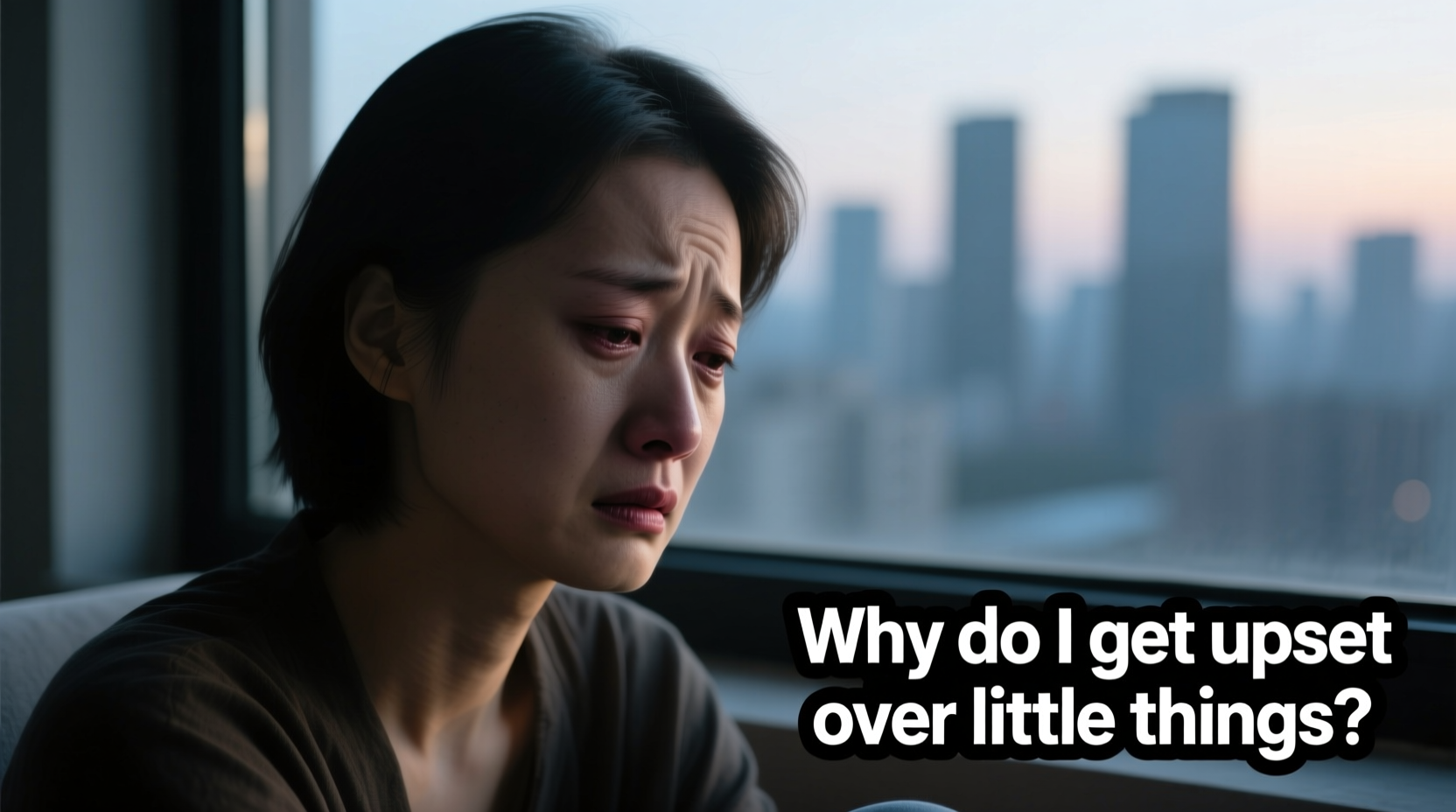
What makes a small incident feel so significant? Often, it’s not the event itself but what it represents. A forgotten chore might symbolize being taken for granted. A traffic delay could echo a fear of losing control. These moments act as triggers—small stimuli that activate larger emotional memories or ongoing stressors. Psychologists refer to this phenomenon as \"emotional priming,\" where current events are filtered through past experiences and present mental states.
For example, someone raised in a household where emotions were dismissed may react intensely when they feel ignored today—even if the situation is minor. Their reaction isn’t about the present moment alone; it’s layered with years of unacknowledged feelings. Similarly, chronic stress from work, financial pressure, or relationship strain lowers emotional thresholds, making even neutral events feel overwhelming.
Common Causes of Heightened Emotional Sensitivity
Several factors contribute to why seemingly minor issues provoke strong reactions. Understanding these can help demystify your emotional landscape.
- Accumulated Stress: Daily pressures build up like debt. One missed appointment isn’t a crisis, but after weeks of poor sleep and high demands, it becomes the last straw.
- Unmet Emotional Needs: Feeling unseen, unheard, or unappreciated can make small slights feel like confirmation of deeper insecurities.
- Past Trauma: Past experiences, especially in childhood, shape how we interpret current events. A tone of voice or dismissive gesture may unconsciously recall earlier hurt.
- Neurological Sensitivity: Some individuals are neurologically wired to process emotions more deeply—a trait known as high sensory processing sensitivity (HSP), affecting about 20% of the population.
- Lifestyle Factors: Lack of sleep, poor nutrition, caffeine, and alcohol can all lower emotional resilience.
“Emotional reactions are rarely about a single event. They’re signals pointing to underlying needs, wounds, or exhaustion.” — Dr. Lena Torres, Clinical Psychologist
Recognizing Your Personal Triggers
Self-awareness begins with pattern recognition. Start tracking moments when you feel disproportionately upset. Note the situation, your immediate thought, and the emotion that followed. Over time, common themes will emerge—perhaps criticism, abandonment, or lack of control.
A Mini Case Study: Sarah’s Morning Routine
Sarah, a 34-year-old project manager, found herself snapping at her partner every time he left dishes in the sink. She felt guilty afterward—after all, it was just a few plates. Through journaling, she realized the mess wasn’t the real issue. Her father had been emotionally absent, often retreating into silence or passive aggression. Seeing unwashed dishes triggered a subconscious fear of emotional neglect. Once she identified this link, she could address the root cause—her need for reliability and partnership—rather than reacting to the symptom.
Practical Strategies for Managing Emotional Reactivity
Understanding your reactions is the first step. The next is learning how to respond differently. Here’s a step-by-step approach to build emotional regulation skills.
Step-by-Step Guide: Responding with Awareness
- Pause Before Reacting: When you feel a surge of emotion, take three deep breaths. This interrupts the automatic response cycle.
- Name the Emotion: Is it anger, disappointment, shame, or fear? Naming it reduces its intensity.
- Trace the Trigger: Ask yourself: What just happened? What story am I telling myself about it?
- Check for Underlying Needs: Are you feeling disrespected, overwhelmed, or insecure? Identify what you truly need in the moment.
- Respond Intentionally: Choose an action aligned with your values—not your impulse. This might mean asking for space, expressing your need calmly, or simply taking a walk.
Do’s and Don’ts of Emotional Regulation
| Do | Don't |
|---|---|
| Validate your feelings without judgment | Dismiss your emotions as “overreacting” |
| Communicate needs using “I” statements | Blame others for how you feel |
| Take breaks when overwhelmed | Push through emotional fatigue |
| Seek patterns over time | Treat each outburst as isolated |
| Practice self-compassion | Engage in harsh self-criticism |
Building Long-Term Emotional Resilience
Managing reactivity isn’t about eliminating emotions—it’s about creating space between stimulus and response. Long-term resilience comes from consistent practices that support emotional health.
- Mindfulness Meditation: Even 5–10 minutes daily helps increase awareness of thoughts and feelings before they escalate.
- Regular Sleep and Movement: Physical well-being directly impacts emotional stability.
- Balanced Communication: Express needs early and clearly to prevent buildup.
- Therapy or Coaching: Working with a professional can uncover deep-seated patterns and provide tailored tools.
FAQ: Common Questions About Emotional Reactions
Why do I cry over small things sometimes?
Crying in response to minor stressors often indicates emotional overload. Tears can be a release valve when stress accumulates beyond your capacity to manage it internally. It doesn’t mean you’re weak—it means your system is signaling the need for rest or support.
Is it normal to get angry easily?
Occasional irritability is normal, especially under stress. However, frequent or intense anger may point to unresolved trauma, anxiety, or burnout. If it affects your relationships or well-being, it’s worth exploring with a mental health professional.
Can personality type affect emotional sensitivity?
Yes. Traits like high empathy, introversion, or being a highly sensitive person (HSP) can increase emotional responsiveness. These aren’t flaws—they’re aspects of your neurology that, when understood, can become strengths.
Conclusion: Turning Reactivity into Insight
Getting upset over little things isn’t a character flaw—it’s a signal. Each reaction holds valuable information about your inner world. Instead of judging yourself, treat these moments as opportunities for growth. With patience and practice, you can transform emotional reactivity into self-understanding. Begin by noticing your patterns, honoring your feelings, and responding with kindness—to yourself and others. Small shifts in awareness lead to lasting change.




 浙公网安备
33010002000092号
浙公网安备
33010002000092号 浙B2-20120091-4
Comments
No comments yet. Why don't you start the discussion?