
Forgetting where you left your keys or blanking on a name during an introduction is common—and usually nothing to panic about. But when memory lapses become frequent or start interfering with daily life, it’s natural to wonder: why do I have a bad memory? Memory issues stem from a wide range of factors, some temporary and others more serious. Understanding the root causes, recognizing warning signs, and knowing when to seek help can make all the difference in preserving cognitive function and overall well-being.
Common Causes of Poor Memory
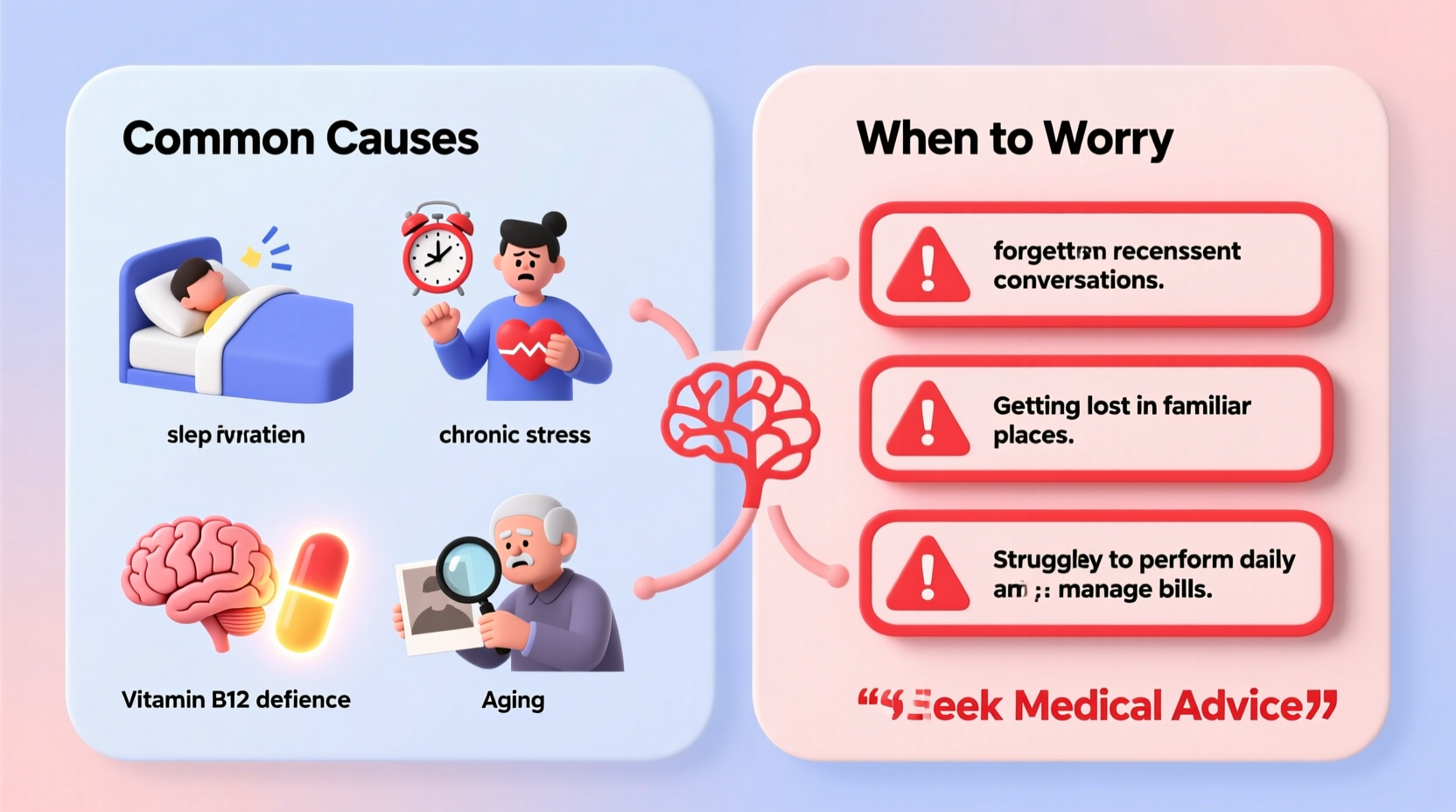
Memory isn’t a single function but a complex network involving attention, storage, and retrieval. When any part of this system falters, forgetfulness can result. The most common causes are often lifestyle-related or tied to treatable medical conditions.
- Stress and Anxiety: Chronic stress floods the brain with cortisol, which over time can impair the hippocampus—the region responsible for forming new memories.
- Poor Sleep: During deep sleep, the brain consolidates memories. Insufficient or disrupted sleep prevents this process, leading to mental fog and recall difficulties.
- Nutritional Deficiencies: Low levels of vitamin B12, omega-3 fatty acids, and antioxidants can negatively affect brain function.
- Medication Side Effects: Certain prescriptions—including antihistamines, antidepressants, and blood pressure medications—can cause short-term memory issues.
- Dehydration: Even mild dehydration reduces concentration and alertness, making it harder to encode and retrieve information.
- Lack of Mental Stimulation: A brain that isn’t regularly challenged may lose its sharpness, much like an unused muscle.
Medical Conditions That Affect Memory
Beyond everyday factors, several medical issues can contribute to noticeable memory decline. Some are reversible; others require long-term management.
- Thyroid Disorders: Both hypothyroidism and hyperthyroidism can lead to fatigue, depression, and cognitive slowing.
- Diabetes: Poorly controlled blood sugar damages blood vessels in the brain, increasing the risk of vascular dementia.
- Depression: Often mistaken for dementia, depression can mimic memory loss through lack of focus and motivation.
- Mild Cognitive Impairment (MCI): A condition marked by greater-than-normal memory problems but not severe enough to interfere with independence.
- Neurological Disorders: Alzheimer’s disease, Parkinson’s, and multiple sclerosis directly impact brain structures involved in memory.
“Memory complaints are among the top reasons patients see neurologists. While many cases stem from treatable issues like sleep apnea or vitamin deficiency, early evaluation is key.” — Dr. Lena Torres, Neurologist and Cognitive Health Specialist
When to Worry: Red Flags of Serious Memory Problems
Occasional forgetfulness is normal. But certain patterns suggest something more concerning. These symptoms warrant medical attention:
| Normal Forgetfulness | Warning Signs |
|---|---|
| Forgetting names temporarily but recalling them later | Repeatedly asking the same questions in one conversation |
| Misplacing items occasionally | Losing items in unusual places (e.g., putting keys in the freezer) |
| Needing reminders for appointments | Forgetting entire events or commitments entirely |
| Taking longer to learn new tasks | Inability to perform familiar tasks (e.g., using a microwave) |
| Occasional word-finding difficulty | Struggling to follow conversations or express basic thoughts |
If these behaviors persist over weeks or months, especially if they disrupt work, relationships, or safety, consult a healthcare provider. Early diagnosis of conditions like Alzheimer’s can open access to treatments that slow progression and improve quality of life.
Mini Case Study: Recognizing Subtle Changes
Sarah, a 58-year-old teacher, began noticing she’d forget students’ names shortly after learning them. At first, she attributed it to stress. But when she started missing lesson plans and got lost driving to school—a route she’d taken for 15 years—her family urged her to see a doctor. Testing revealed early-stage MCI linked to untreated sleep apnea and vitamin B12 deficiency. With CPAP therapy, supplements, and cognitive exercises, Sarah regained much of her clarity within six months. Her case underscores how treatable conditions can mimic progressive disorders.
Steps to Improve Memory and Brain Health
You don’t need a diagnosis to take action. Small, consistent habits can significantly boost memory and protect brain function over time.
- Prioritize Quality Sleep: Aim for 7–9 hours nightly. Maintain a regular sleep schedule and limit screen time before bed.
- Exercise Regularly: Aerobic activity increases blood flow to the brain and stimulates neurogenesis—the creation of new brain cells.
- Eat a Brain-Boosting Diet: Focus on leafy greens, berries, nuts, fatty fish, and whole grains. The Mediterranean diet is consistently linked to better cognitive outcomes.
- Stay Socially Engaged: Conversations and group activities stimulate memory pathways and reduce isolation-related cognitive decline.
- Challenge Your Mind: Learn a language, play puzzles, or take up an instrument. Novelty strengthens neural connections.
- Manage Chronic Conditions: Control blood pressure, cholesterol, and blood sugar to reduce stroke and dementia risk.
Checklist: What to Do If You’re Concerned About Memory
- ✅ Track memory lapses in a journal for two weeks (what happened, when, how often).
- ✅ Review all medications with a pharmacist for cognitive side effects.
- ✅ Schedule a physical exam including thyroid, vitamin B12, and blood sugar tests.
- ✅ Evaluate sleep quality and consider a sleep study if snoring or daytime fatigue occur.
- ✅ Reduce alcohol intake and eliminate smoking.
- ✅ Begin a daily walking routine or other moderate exercise.
- ✅ Consult a neurologist or neuropsychologist if red flags persist.
Frequently Asked Questions
Can anxiety really cause memory problems?
Yes. Anxiety diverts mental resources toward threat monitoring, leaving less capacity for encoding and retrieving information. This often leads to absentmindedness, such as forgetting appointments or misplacing objects. Treating anxiety typically improves memory function.
Is forgetfulness normal with aging?
Some slowing in recall speed is common with age, particularly for names or recent events. However, significant memory loss is not a normal part of aging. Older adults should retain the ability to make decisions, follow conversations, and manage daily responsibilities.
Are there tests to diagnose memory issues?
Yes. Doctors use tools like the Mini-Mental State Exam (MMSE) or Montreal Cognitive Assessment (MoCA) to screen for impairment. Further evaluation may include brain imaging (MRI/CT), blood tests, and neuropsychological testing to pinpoint underlying causes.
Conclusion: Take Action Before It’s Too Late
Your memory is not fixed—it responds to how you live, eat, think, and rest. While occasional slips are normal, persistent or worsening forgetfulness deserves attention. Many causes of poor memory are reversible with timely intervention. Don’t wait for symptoms to escalate. Start today by improving sleep, reducing stress, and getting a thorough check-up if concerns linger. Your brain is your most vital organ; protecting it is one of the most important investments you can make.




 浙公网安备
33010002000092号
浙公网安备
33010002000092号 浙B2-20120091-4
Comments
No comments yet. Why don't you start the discussion?