
Vaginal discharge is a natural part of the body’s self-cleaning process. It helps remove dead cells and bacteria, maintaining a healthy vaginal environment. The texture, color, and amount can vary throughout your menstrual cycle, but clumpy discharge often raises concern. While it’s sometimes completely normal—especially around ovulation or just before your period—it can also signal an underlying condition like a yeast infection or bacterial imbalance. Understanding the difference between routine changes and signs that require medical attention is essential for maintaining reproductive health.
What Is Normal Vaginal Discharge?
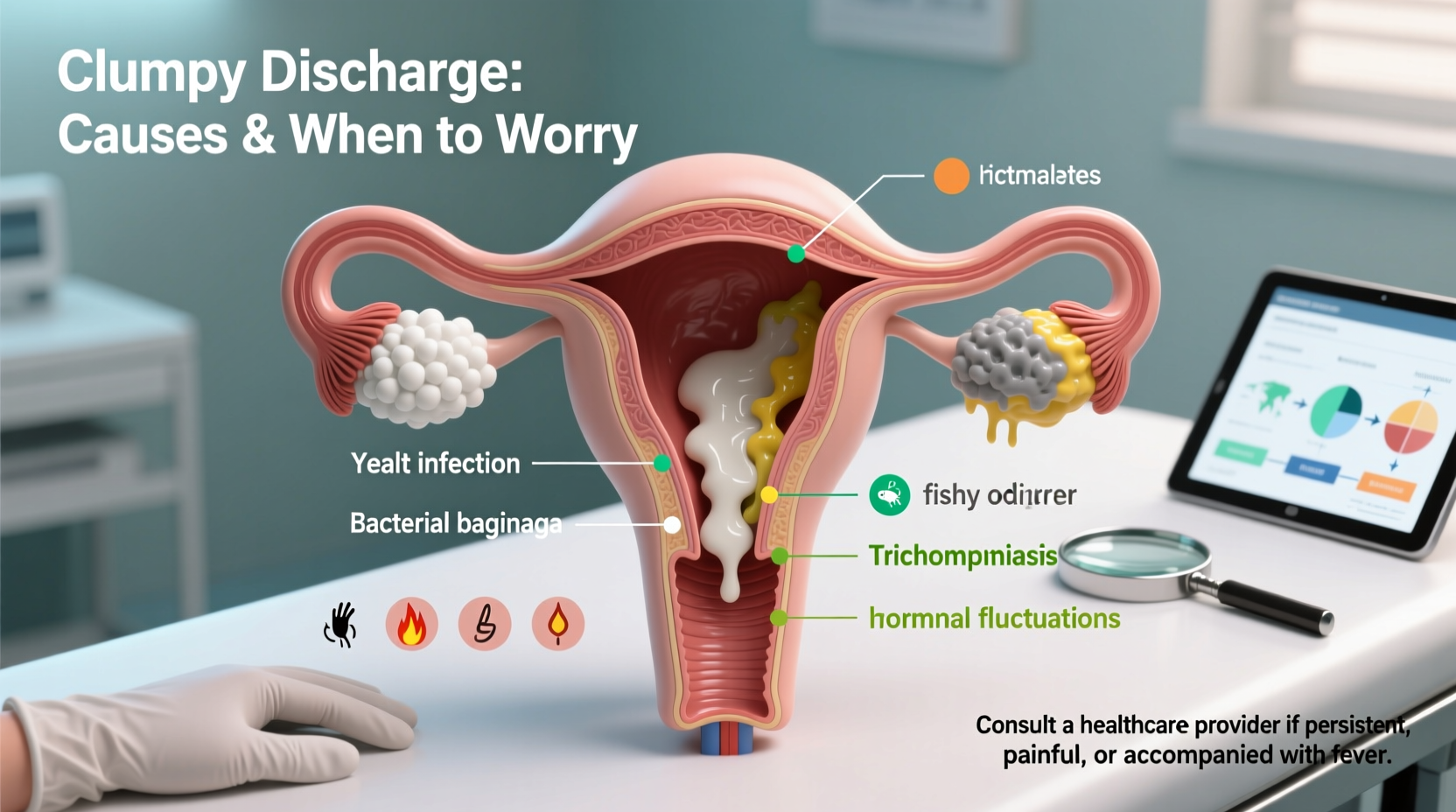
Healthy vaginal discharge ranges from clear to milky white and may have a mild, non-offensive odor. Its consistency changes with hormonal fluctuations during your cycle:
- Follicular phase (after menstruation): Thin, watery, or sticky
- Ovulation: Clear, stretchy, and egg-white-like
- Luteal phase (before period): Thicker, cloudier, sometimes clumpy
Clumpy discharge without discomfort, itching, or foul smell is often just a sign of normal progesterone activity in the second half of your cycle. However, if the clumps resemble cottage cheese, are accompanied by irritation, or have a strong odor, further evaluation is warranted.
Common Causes of Clumpy Discharge
Several factors can lead to clumpy vaginal secretions. Some are benign, while others point to infections or hormonal imbalances.
1. Yeast Infection (Candidiasis)
The most frequent cause of thick, clumpy discharge is a yeast infection. Caused by an overgrowth of Candida albicans, this condition produces discharge resembling cottage cheese. Symptoms often include:
- Intense itching and burning
- Redness and swelling of the vulva
- Pain during urination or intercourse
Yeast infections are common and treatable with antifungal creams or oral medication. They can be triggered by antibiotics, high-sugar diets, hormonal birth control, or weakened immunity.
2. Hormonal Fluctuations
Progesterone dominance in the luteal phase increases mucus thickness. This can result in clumpy, white-to-creamy discharge several days before menstruation. If no other symptoms are present, this is typically not a cause for concern.
3. Bacterial Vaginosis (BV)
While BV usually causes thin, grayish discharge with a fishy odor, some women report slightly clumpy textures. It results from an imbalance between good and harmful bacteria in the vagina. Unlike yeast infections, BV requires prescription antibiotics such as metronidazole.
4. Sexually Transmitted Infections (STIs)
Infections like trichomoniasis or chlamydia can alter discharge consistency. Trichomoniasis may produce frothy, yellow-green discharge, while chlamydia can cause mild clumping with spotting after sex. These conditions require prompt testing and treatment to prevent complications like pelvic inflammatory disease (PID).
5. Dehydration and Lifestyle Factors
Diet, stress, and hydration levels influence vaginal secretions. High sugar intake promotes yeast growth, while dehydration can make normal discharge appear thicker than usual.
“Many patients come in alarmed by clumpy discharge, only to learn it’s part of their normal cycle. But persistent changes—especially with discomfort—should never be ignored.” — Dr. Lena Patel, OB-GYN
When to Worry: Red Flags That Need Medical Attention
Not all clumpy discharge requires intervention, but certain signs indicate the need for professional evaluation:
| Symptom | May Indicate | Action |
|---|---|---|
| Cottage cheese-like clumps + itching | Yeast infection | OTC antifungals; see doctor if recurrent |
| Fishy odor + grayish clumps | Bacterial vaginosis | Prescription antibiotics required |
| Green/yellow clumps + froth | Trichomoniasis | STD testing and treatment |
| Bleeding between periods + clumpy mucus | PID, cervical issues | Immediate medical consultation |
| Pain during urination or sex | STI or inflammation | Testing recommended |
Recurrent or Persistent Symptoms
If clumpy discharge returns frequently despite treatment, you may have recurrent yeast infections (four or more episodes per year) or an undiagnosed condition like diabetes, which increases susceptibility to fungal growth. A healthcare provider can perform cultures or blood tests to determine the root cause.
Self-Care and Prevention Tips
Maintaining vaginal health involves simple daily habits that support natural balance.
Do’s and Don’ts for Vaginal Health
| Do | Don’t |
|---|---|
| Wear cotton underwear | Use scented soaps or wipes |
| Change out of wet swimsuits promptly | Douche or use vaginal sprays |
| Practice safe sex with condoms | Share towels or bath items |
| Include probiotics in your diet (yogurt, kefir) | Wear tight synthetic clothing daily |
Step-by-Step Guide to Managing Clumpy Discharge at Home
- Observe the characteristics: Note color, smell, texture, and whether symptoms worsen at certain cycle points.
- Check for additional symptoms: Itching, pain, odor, or urinary discomfort suggest infection.
- Try over-the-counter remedies (if yeast suspected): Use antifungal cream or suppositories like miconazole.
- Improve hygiene practices: Wash externally with warm water; avoid internal cleaning.
- Monitor for improvement: Most yeast infections resolve within 3–7 days of treatment.
- See a doctor if: No improvement in 7 days, symptoms recur, or you’re pregnant.
Real-Life Example: Recognizing the Pattern
Samantha, a 29-year-old teacher, noticed thick, clumpy discharge every month about a week before her period. She experienced mild bloating but no itching or odor. After tracking her cycle for two months, she realized the discharge coincided with rising progesterone levels. Her doctor confirmed it was normal luteal-phase mucus. However, when she later developed intense itching and redness alongside similar clumps, she recognized it wasn’t the same pattern. A quick test revealed a yeast infection, which she treated successfully with OTC medication. Her experience highlights how tracking your body’s rhythms helps distinguish normal changes from problems.
Frequently Asked Questions
Is clumpy discharge always a sign of infection?
No. Many women experience clumpy, white discharge before their period due to hormonal shifts. As long as there’s no itching, odor, or discomfort, it’s likely normal. Infection is more likely when symptoms accompany the change in discharge.
Can I treat clumpy discharge at home?
You can try over-the-counter antifungal treatments if symptoms strongly suggest a yeast infection (cottage cheese texture, itching). However, self-treating without confirmation can delay proper care for conditions like BV or STIs. When in doubt, consult a clinician.
Why does my discharge change after starting birth control?
Hormonal contraceptives alter cervical mucus production. Progestin-dominant methods (like the pill, implant, or IUD) often thicken discharge, making it appear clumpier. This is usually harmless unless accompanied by irritation or infection signs.
Final Thoughts and Next Steps
Clumpy discharge isn’t inherently dangerous, but context matters. Your body communicates through subtle shifts in fluids, sensations, and cycles. Paying attention builds awareness that empowers better health decisions. If you're unsure whether your symptoms fall within the normal range, err on the side of caution and consult a healthcare provider. Early diagnosis prevents complications and ensures effective treatment.
Whether you're managing a recurring yeast infection or navigating hormonal changes, small lifestyle adjustments—like wearing breathable fabrics, reducing sugar intake, and practicing gentle hygiene—can make a significant difference. Don’t hesitate to ask questions during your next gynecological visit. Open conversations with your doctor are key to personalized, proactive care.




 浙公网安备
33010002000092号
浙公网安备
33010002000092号 浙B2-20120091-4
Comments
No comments yet. Why don't you start the discussion?