
Hairy toes may seem like a minor or even humorous topic, but for many people, it’s a genuine concern tied to self-image, hygiene, or comfort. Whether you’ve recently noticed more hair growth between your toes or have had it since adolescence, understanding why it happens—and how to manage it safely—is essential. This article explores the biological and genetic reasons behind toe hair, examines common misconceptions, and provides practical, dermatologist-backed removal methods.
The Science Behind Toe Hair Growth
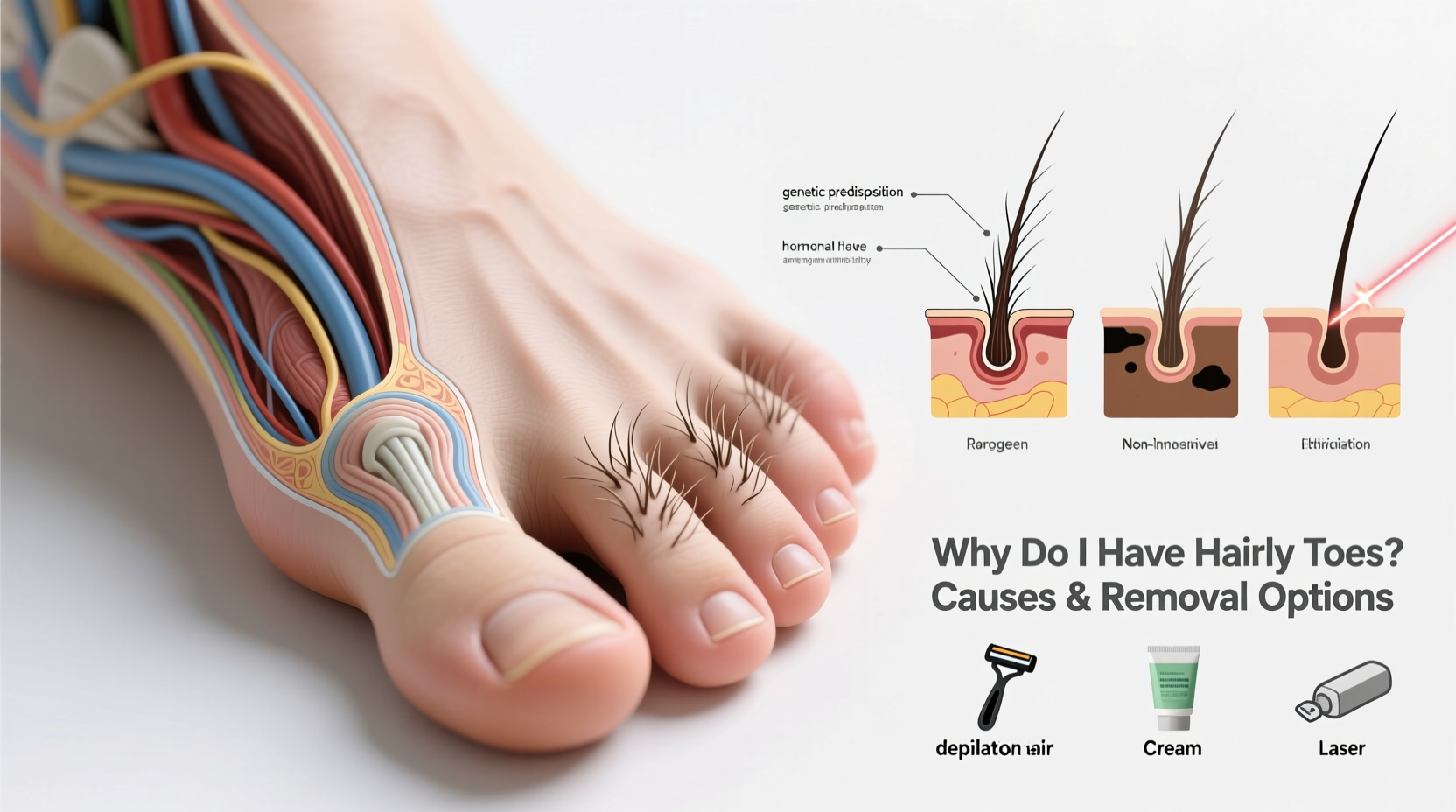
Hair grows on almost every part of the human body, excluding the lips, palms, soles, and nail beds. The feet—particularly the tops of toes and between them—are no exception. Hair follicles in these areas respond to hormones just like those on the scalp, arms, or legs. The primary driver of toe hair is genetics, but hormonal fluctuations play a significant role too.
Androgens, such as testosterone, stimulate hair growth across the body. While men typically have higher levels, women also produce androgens in smaller amounts. Increased sensitivity of hair follicles to these hormones can lead to noticeable growth even in areas we don’t often associate with body hair.
Common Causes of Hairy Toes
- Genetics: Family history is the strongest predictor. If your parents or grandparents had hairy feet, you’re more likely to as well.
- Hormonal changes: Puberty, pregnancy, menopause, or conditions like polycystic ovary syndrome (PCOS) can increase hair growth.
- Ethnic background: People of Mediterranean, South Asian, or Middle Eastern descent often experience more body hair, including on the feet.
- Medications: Certain drugs, including anabolic steroids or cyclosporine, may cause hypertrichosis (excessive hair growth).
- Aging: As we age, some hair follicles become more active due to shifts in hormone metabolism.
“Hair growth on the toes is completely normal and not a medical concern unless accompanied by other symptoms like acne, irregular periods, or sudden weight gain.” — Dr. Lena Torres, Board-Certified Dermatologist
Is Hairy Toes a Sign of Poor Health?
In most cases, no. Hairy toes are not indicative of poor circulation, fungal infections, or diabetes. However, if you notice other changes—such as brittle nails, dry skin, numbness, or discoloration—it’s wise to consult a podiatrist or endocrinologist.
One myth worth dispelling: hairy toes do not trap more dirt or bacteria than non-hairy ones. Regular washing and foot hygiene are sufficient regardless of hair presence.
When to Seek Medical Advice
Sudden, rapid hair growth on the toes—especially in women—can sometimes signal an underlying condition such as:
- Polycystic ovary syndrome (PCOS)
- Cushing’s syndrome
- Adrenal gland disorders
- Hormone-secreting tumors (rare)
If excessive hair growth appears alongside acne, deepening voice, or menstrual irregularities, a blood test to check hormone levels may be recommended.
Safe and Effective Removal Options
If you choose to remove toe hair for aesthetic or comfort reasons, several methods are available. Each has pros and cons depending on pain tolerance, budget, and desired longevity.
| Method | Duration of Results | Pain Level | Risks | Best For |
|---|---|---|---|---|
| Trimming with scissors | Days | None | Cuts if not careful | Daily maintenance |
| Shaving | 1–3 days | Low | Irritation, ingrown hairs | Quick fixes |
| Waxing | 2–6 weeks | High | Burns, folliculitis | Longer-lasting results |
| Depilatory creams | 3–7 days | Medium | Chemical burns, allergies | Sensitive skin (patch test first) |
| Laser hair removal | Months to permanent reduction | Medium | Discoloration, blistering (if done improperly) | Long-term solution |
| Electrolysis | Permanent | High | Scarring, infection | Small, precise areas |
Step-by-Step Guide: How to Safely Trim Toe Hair at Home
- Wash and dry your feet thoroughly. Clean skin reduces infection risk.
- Use small, sharp scissors (like nail or grooming scissors). Avoid dull blades that could pull hair.
- Hold toes steady and trim hair close to the skin—but never flush—to avoid irritation.
- Do not shave between toes unless using a clean, dedicated razor to prevent nicks in tight spaces.
- Moisturize afterward with a fragrance-free lotion to soothe the skin.
Real-Life Example: Managing Toe Hair with Confidence
Sophia, a 28-year-old yoga instructor from Portland, began noticing more prominent toe hair during her second pregnancy. Initially self-conscious during barefoot classes, she consulted her dermatologist after experiencing increased facial hair and irregular cycles. Blood tests revealed mild PCOS. With lifestyle adjustments and occasional waxing, she regained confidence. “I realized my body was responding naturally to hormonal shifts,” she says. “Now I trim weekly and focus on overall wellness—not perfection.”
Her story highlights two key points: toe hair alone isn’t alarming, but when paired with other symptoms, it can be a clue to deeper health patterns.
Expert Tips for Long-Term Care
- Exfoliate gently: Use a foot scrub once a week to prevent ingrown hairs, especially if shaving or waxing.
- Avoid tight footwear: Compression from narrow shoes can irritate hair follicles and lead to inflammation.
- Stay hydrated: Healthy skin supports healthy hair growth and reduces brittleness.
- Monitor changes: Take photos monthly if tracking growth patterns for medical discussion.
Checklist: Safe Toe Hair Management Routine
- ✅ Wash feet daily with mild soap
- ✅ Dry thoroughly, especially between toes
- ✅ Trim or treat hair using sterile tools
- ✅ Patch test any new product (creams, waxes)
- ✅ Consult a professional if experiencing discomfort or rapid growth
Frequently Asked Questions
Can hairy toes be a sign of heart disease?
No. There is no scientific link between toe hair and cardiovascular health. This myth may stem from outdated observations of peripheral artery disease patients having reduced leg hair—but that involves hair *loss*, not growth.
Is it safe to wax between the toes?
It can be done by professionals using specialized soft wax, but risks include skin tearing and infection due to thin, sensitive skin. Most dermatologists recommend trimming instead.
Does removing toe hair make it grow back thicker?
No. This is a common misconception. Hair may feel coarser temporarily after shaving because it grows back with a blunt tip, but the thickness and rate are determined by genetics and hormones.
Final Thoughts: Embrace or Remove—Your Choice
Hairy toes are a natural variation, not a flaw. Whether you choose to embrace them or manage them discreetly, the decision should be personal and informed. Understanding the causes empowers you to distinguish between normal biology and potential health signals. With safe practices and attention to overall well-being, you can maintain healthy, comfortable feet—hairy or not.




 浙公网安备
33010002000092号
浙公网安备
33010002000092号 浙B2-20120091-4
Comments
No comments yet. Why don't you start the discussion?