
It’s a familiar scenario: you start your workout feeling strong and focused, only to be distracted by an insistent, crawling sensation on your skin. Itching during exercise is more common than many realize, affecting runners, weightlifters, cyclists, and even yoga practitioners. While usually harmless, persistent or severe itching can disrupt performance and dampen motivation. Understanding the underlying causes—ranging from physiological responses to environmental triggers—is the first step toward finding relief. This article breaks down the science behind workout-related itching and offers practical strategies to manage and prevent it.
Understanding Exercise-Induced Itching
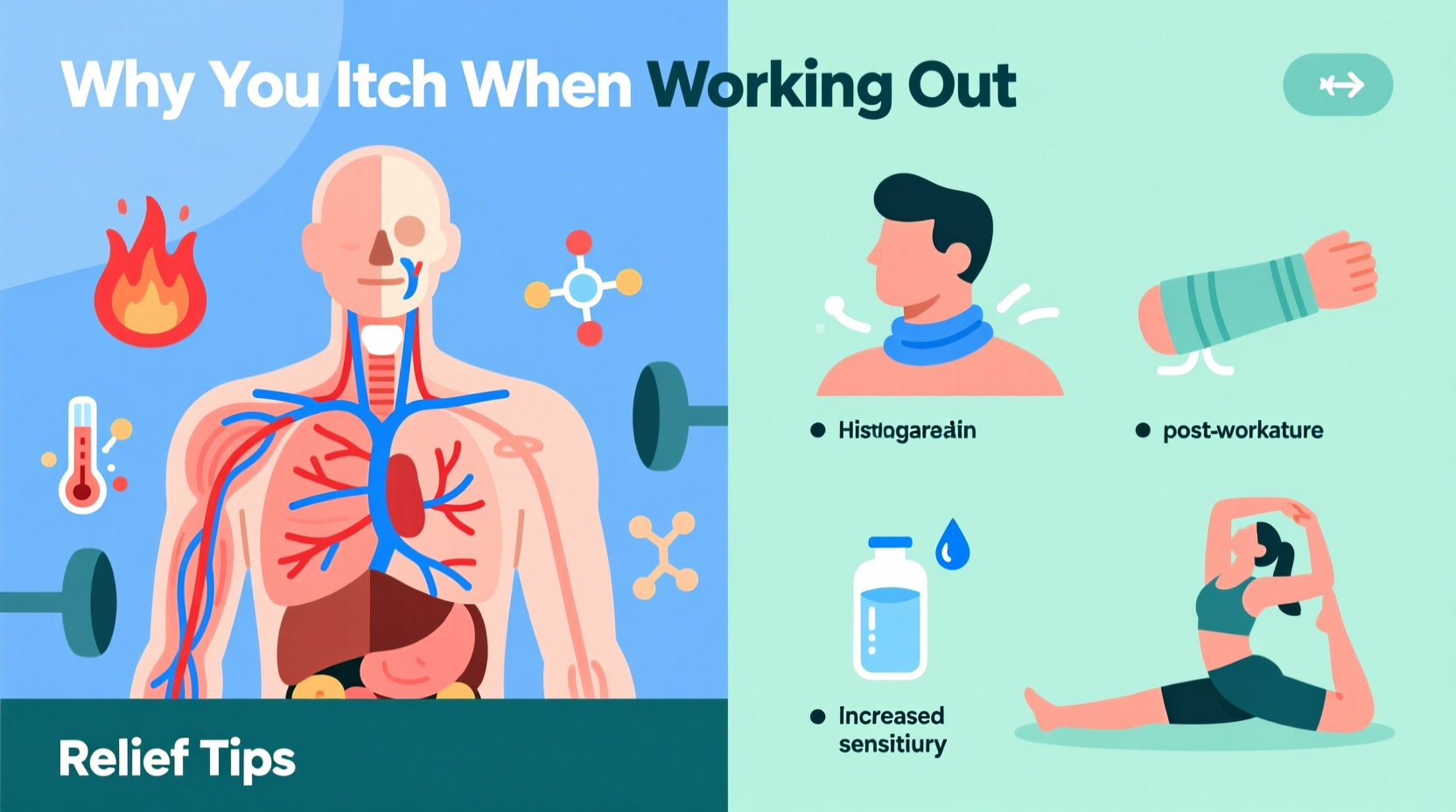
When you begin exercising, your heart rate increases, blood vessels dilate, and circulation surges to deliver oxygen to working muscles. This sudden expansion of capillaries can stimulate nearby nerve endings, sending signals to the brain that are interpreted as itching—especially in areas like the arms, legs, and abdomen. For individuals who are new to exercise or returning after a break, this sensation may be more pronounced due to less efficient vascular adaptation.
Sweat itself can also contribute. As perspiration accumulates on the skin, it alters pH levels and may mix with bacteria or dead skin cells, triggering irritation. Additionally, sweat evaporation cools the skin rapidly, which some nervous systems interpret as an itch rather than a temperature change.
“Exercise-induced pruritus (itching) is often a sign of increased blood flow and nerve activation, not necessarily an allergic reaction.” — Dr. Lena Patel, Sports Dermatologist
Common Causes of Itching During Workouts
Not all itching is created equal. The cause determines both severity and treatment. Below are the most frequent culprits:
- Increased Blood Flow: Capillary expansion during warm-up can irritate sensory nerves.
- Sweat and Skin Irritation: Salt residue, bacterial interaction, or blocked pores can inflame sensitive skin.
- Dry Skin: Low moisture levels make skin more reactive to friction and sweat.
- Fabric Sensitivity: Synthetic materials or tight clothing trap heat and moisture, increasing itch risk.
- Exercise-Induced Urticaria: A rare condition causing hives, swelling, and intense itching during physical activity.
- Allergies or Cholinergic Urticaria: Triggered by body heat and sweat, leading to small, itchy bumps.
- Medication Side Effects: Some drugs, like niacin or blood pressure medications, increase skin sensitivity during exertion.
Relief Strategies: Immediate and Long-Term
Managing workout-related itching involves both immediate interventions and preventive habits. The key is identifying whether the trigger is internal (physiological) or external (environmental).
Immediate Relief Tips
- Pause and Cool Down: Slow your pace or stop briefly to let your body adjust to increased circulation.
- Hydrate: Dehydration exacerbates dry skin and impairs thermoregulation.
- Rinse Off Sweat: Use a damp towel to wipe sweat-prone areas mid-workout if possible.
- Avoid Scratching: Scratching can damage skin and worsen inflammation.
Long-Term Prevention
- Moisturize daily with fragrance-free lotions to strengthen the skin barrier.
- Wear moisture-wicking, breathable athletic wear made from natural fibers like merino wool or high-quality synthetics designed for sports.
- Shower immediately after workouts using lukewarm water and gentle cleansers.
- Gradually increase workout intensity to allow your circulatory system to adapt.
Do’s and Don’ts: Workout Itch Management
| Do’s | Don’ts |
|---|---|
| Wear loose, breathable workout clothes | Use heavily fragranced detergents on gym clothes |
| Apply hypoallergenic moisturizer before workouts | Work out in dirty or unwashed gear |
| Warm up gradually for 5–10 minutes | Jump straight into high-intensity intervals |
| Stay hydrated throughout the day | Ignore persistent hives or swelling |
| Track symptoms in a fitness journal | Assume all itching is normal without evaluation |
When to Seek Medical Advice
Most cases of exercise-related itching resolve on their own and pose no serious threat. However, certain symptoms warrant medical attention:
- Hives or welts appearing during or after exercise
- Swelling of the lips, face, or throat
- Dizziness, shortness of breath, or nausea alongside itching
- Itching that persists long after cooling down
These could indicate **exercise-induced anaphylaxis**, a rare but serious condition requiring prompt diagnosis and management. Diagnosis typically involves a detailed patient history, exercise challenge tests, and sometimes blood or skin testing.
“Anyone experiencing systemic symptoms with exercise should consult an allergist. Early intervention can prevent life-threatening reactions.” — Dr. Marcus Tran, Allergy & Immunology Specialist
Real-Life Example: Overcoming Chronic Workout Itching
Samantha, a 32-year-old runner, began experiencing intense leg itching every time she jogged. Initially dismissing it as “just part of getting back into shape,” she noticed the discomfort worsened over weeks. After switching to cotton leggings and applying lotion pre-run, there was little improvement. She consulted a dermatologist who diagnosed her with cholinergic urticaria—itching triggered by rising body temperature.
Her treatment plan included:
- Pre-treatment with a non-drowsy antihistamine 30 minutes before running
- Switching to technical fabric that wicks sweat efficiently
- Lowering initial pace to avoid rapid core temperature spikes
Step-by-Step Guide to Reduce Itching During Exercise
- Assess Your Gear: Replace old, stiff, or non-breathable clothing with modern performance fabrics.
- Moisturize Daily: Apply a light, non-comedogenic moisturizer to common itch zones (thighs, underarms, back).
- Warm Up Gradually: Spend 5–10 minutes at low intensity to help your circulation adjust smoothly.
- Monitor Environmental Factors: Avoid exercising in extreme heat, cold, or highly chlorinated pools if sensitive.
- Shower Post-Workout: Use mild soap and pat skin dry—don’t rub—to prevent irritation.
- Track Patterns: Keep a log noting when itching occurs, duration, and potential triggers.
- Consult a Professional: If self-care doesn’t help, see a dermatologist or allergist for targeted testing.
Frequently Asked Questions
Can dehydration cause itching during exercise?
Yes. Dehydration reduces skin elasticity and natural oil production, making it more prone to irritation from sweat and friction. Maintaining consistent fluid intake helps preserve skin integrity and reduce itch sensitivity.
Is it normal for my legs to itch when I run?
Mild, temporary itching—especially in the thighs or calves—is common during early stages of aerobic activity due to increased blood flow. However, persistent or worsening itch should be evaluated, particularly if accompanied by rash or swelling.
Can I take antihistamines before working out?
In cases of diagnosed cholinergic urticaria or exercise-induced allergies, doctors may recommend taking a non-sedating antihistamine (like loratadine) before exercise. Never self-prescribe; consult a healthcare provider first.
Take Control of Your Workout Experience
Itching during exercise doesn’t have to be an unavoidable side effect of staying fit. With awareness of your body’s signals and proactive care, you can minimize discomfort and focus on performance. Small changes—like upgrading your workout attire, adjusting your warm-up routine, or simply hydrating better—can make a significant difference. If symptoms persist or escalate, don’t hesitate to seek expert guidance. Your health and comfort matter just as much as your fitness goals.




 浙公网安备
33010002000092号
浙公网安备
33010002000092号 浙B2-20120091-4
Comments
No comments yet. Why don't you start the discussion?