
It’s a feeling many people experience but rarely discuss: the quiet relief, even comfort, that comes with shedding tears. You’re not sad in a destructive way—yet you feel drawn to cry. Maybe it happens during a moving film, while listening to music, or even in solitude. If you’ve ever wondered, “Why do I like crying?” you’re not alone. Far from being a sign of weakness, this emotional response can be deeply restorative. Understanding the urge to cry—and embracing its benefits—can lead to greater emotional awareness and resilience.
The Science Behind Crying: More Than Just Sadness
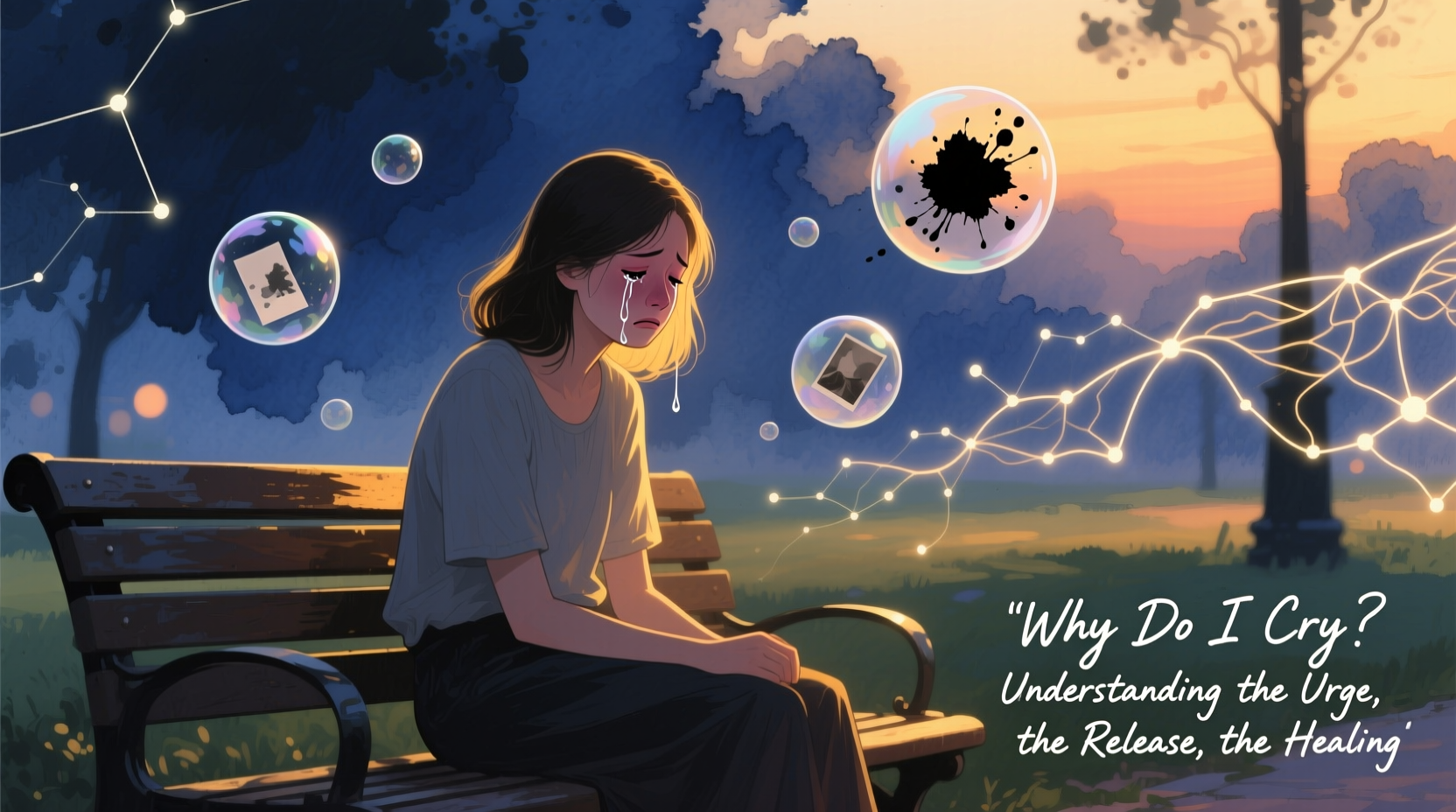
Crying is a complex physiological and emotional process. Humans produce three types of tears: basal (for eye lubrication), reflex (in response to irritants), and emotional tears. The latter are unique to humans and are linked to our nervous system and emotional regulation.
Emotional tears contain stress hormones like cortisol and leucine enkephalin, a natural painkiller. When we cry, we literally flush out biochemical stressors. This may explain why so many people report feeling lighter or calmer afterward. Neuroscientist Dr. Robert R. Provine found that emotional crying is tied to the limbic system—the brain’s emotional control center—suggesting it’s a hardwired mechanism for emotional balance.
“Crying is a built-in reset button for the nervous system. It helps regulate overwhelming emotions and restore equilibrium.” — Dr. Lauren Bylsma, Emotion Research Specialist, University of Pittsburgh
Why the Urge to Cry Can Feel Good
The idea that crying feels good might seem paradoxical, but it aligns with how emotional processing works. Here’s why the urge to cry isn’t something to suppress:
- Emotional Release: Bottled-up feelings create internal pressure. Crying acts as a release valve, reducing tension in both mind and body.
- Social Bonding: Tears signal vulnerability, which can invite empathy and connection. Even solitary crying can simulate social support through imagined compassion.
- Mindfulness Trigger: Crying often pulls you into the present moment, interrupting rumination and anchoring attention to your physical and emotional state.
- Catharsis: The act can mark an emotional turning point—like closing a chapter or releasing grief, regret, or even joy too intense to contain.
Benefits of Allowing Yourself to Cry
Suppressing emotions has been linked to increased anxiety, depression, and even physical ailments like hypertension. Conversely, permitting oneself to cry offers measurable psychological advantages.
| Benefit | Description | Supporting Evidence |
|---|---|---|
| Stress Reduction | Emotional tears remove cortisol, lowering physiological stress markers. | Study by Dr. William Frey II at the St. Paul Ramsey Medical Center |
| Improved Mood | Post-crying clarity and calm are commonly reported across cultures. | Survey of 7,000 people in 35 countries (Vingerhoets & Bylsma, 2015) |
| Enhanced Self-Awareness | Crying often reveals underlying emotions needing attention. | Clinical observations in psychotherapy settings |
| Better Sleep | Emotional release before bed can reduce nighttime rumination. | Anecdotal reports and sleep journal studies |
In fact, research shows that people who cry regularly tend to have better emotional intelligence and stronger interpersonal relationships. They’re more likely to recognize their needs and communicate them effectively.
Mini Case Study: Sarah’s Evening Ritual
Sarah, a 34-year-old graphic designer, began noticing she felt inexplicably drawn to sad music every Sunday evening. At first, she resisted it, fearing it would make her depressed. But one night, she allowed herself to listen to a melancholic piano piece without distraction. Midway through, she started crying—softly at first, then deeply. She didn’t know why she was crying; it wasn’t about a specific loss.
Afterward, she felt exhausted but peaceful. Over the next few weeks, she made this a gentle ritual. She realized these moments helped her process the week’s unspoken stress—deadlines, miscommunications, personal doubts. What began as confusion turned into intentional emotional maintenance. Her therapist later described it as “self-directed emotional hygiene.”
Sarah’s experience illustrates how crying doesn’t always require a clear reason. Sometimes, it’s the body’s way of decluttering accumulated emotional residue.
When Liking to Cry Might Need Attention
While crying is generally healthy, patterns matter. Enjoying emotional release is normal; depending on sadness for emotional regulation may signal deeper issues. Consider speaking with a mental health professional if:
- You cry daily without identifiable triggers.
- Tears interfere with work, relationships, or self-care.
- You feel emotionally numb outside of crying episodes.
- The act becomes compulsive or isolating.
Liking to cry is different from being stuck in sadness. One enriches emotional life; the other may hinder it.
How to Healthily Engage With Your Emotional Urge
If you find comfort in crying, you can turn it into a constructive practice. Here’s a step-by-step guide to doing so mindfully:
- Create a Safe Space: Choose a private, comfortable environment where you won’t be interrupted.
- Identify Triggers: Note what brings on tears—music, memories, films. Use them intentionally, not impulsively.
- Set a Time Limit: Allow 10–20 minutes. This prevents emotional spiraling while honoring the need.
- Reflect Afterward: Journal briefly: What came up? Did anything shift emotionally?
- Follow With Nourishment: Drink water, stretch, or take a warm shower. Support your body post-release.
Checklist: Is Your Crying Emotionally Healthy?
Use this checklist to assess whether your relationship with crying is supportive or potentially problematic:
- ✅ I cry in response to genuine emotional stimuli (art, memories, conversations).
- ✅ I feel relief or clarity afterward, not shame or exhaustion.
- ✅ I don’t avoid social situations out of fear of crying.
- ✅ I can also experience joy and calm without needing emotional release.
- ✅ My crying doesn’t disrupt my ability to function day-to-day.
Frequently Asked Questions
Is it normal to enjoy crying?
Yes. Many people find emotional release pleasurable or comforting. As long as it’s not interfering with daily life, enjoying the cathartic aspect of crying is a sign of emotional attunement, not dysfunction.
Can crying too much be harmful?
Occasional frequent crying isn’t harmful. However, persistent, uncontrollable crying—especially without emotional relief—may indicate depression or anxiety and should be evaluated by a professional.
Why do some people never cry?
Some individuals are conditioned to suppress emotions due to upbringing, cultural norms, or trauma. Others have neurological differences affecting emotional expression. Neither is inherently wrong, but lack of emotional release may increase long-term stress burden.
Honor Your Tears
Crying is not failure. It’s feedback. The urge to cry, especially when it feels relieving or meaningful, is your psyche signaling that integration is happening. Whether processing grief, beauty, frustration, or love, tears help you stay connected to what matters.
Instead of questioning why you like crying, consider reframing it: You’re someone who allows emotions to move through you. That’s not fragility—it’s courage. In a world that often demands constant composure, choosing to feel deeply is a radical act of self-respect.




 浙公网安备
33010002000092号
浙公网安备
33010002000092号 浙B2-20120091-4
Comments
No comments yet. Why don't you start the discussion?