
Sneezing is often seen as a reflexive annoyance — something we suppress in public or brace for when allergies flare. But many people report an unexpected truth: sneezing feels good. Not just relieving, but genuinely pleasurable. That sudden, forceful burst can bring a wave of satisfaction, almost like scratching an unreachable itch deep inside your head. Why does this involuntary act produce such a gratifying sensation? The answer lies at the intersection of neurology, anatomy, and psychology.
The pleasure associated with sneezing isn’t just anecdotal; it’s rooted in how our nervous system responds to pressure, release, and chemical signaling in the brain. Understanding this phenomenon reveals more than just curiosity about a bodily function — it sheds light on how the body manages discomfort and reward.
The Anatomy of a Sneeze: More Than Just a Reflex
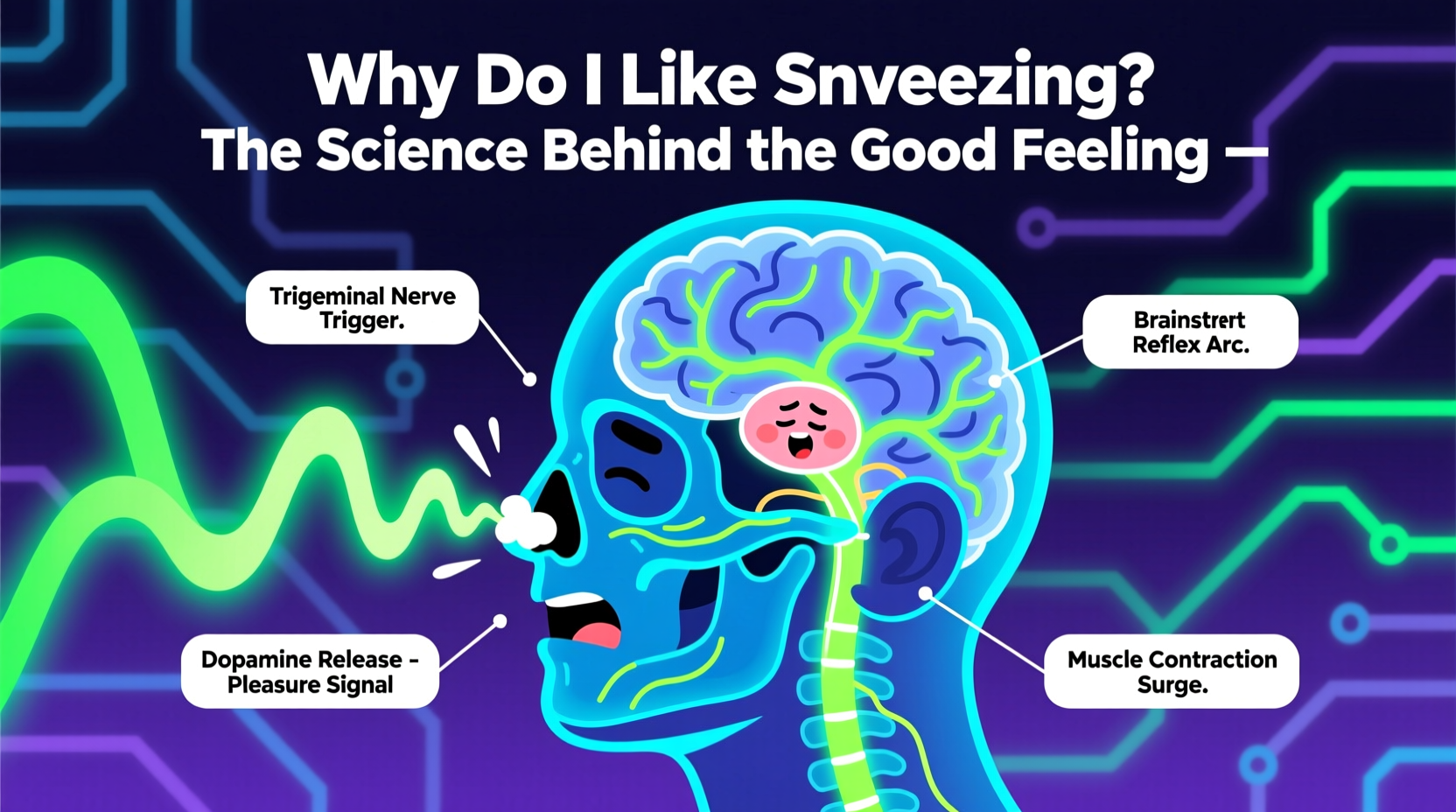
A sneeze, or sternutation, is a coordinated neuromuscular response designed to expel irritants from the nasal passages. It begins when sensory nerves in the nose — primarily the trigeminal nerve — detect foreign particles, allergens, or sudden changes in temperature. This triggers a cascade of signals to the brainstem, specifically the medulla oblongata, which coordinates the complex motor sequence of a sneeze.
The process unfolds rapidly:
- Irritation detected in nasal mucosa
- Signal sent via trigeminal nerve to brainstem
- Brainstem activates respiratory muscles
- Inhalation followed by forceful exhalation (up to 100 mph)
- Expulsion of air, mucus, and irritants
What makes this more than just a mechanical cleanup is the neurological aftermath. The intense stimulation of the trigeminal nerve doesn’t just initiate the sneeze — it also floods the brain with sensory feedback, some of which registers as pleasurable.
The Brain’s Reward System Lights Up
One reason sneezing feels good is because it activates the brain’s reward circuitry. When pressure builds in the nasal and sinus cavities, it creates a low-grade discomfort that the brain interprets as a need for resolution. The sneeze acts as a reset — a sudden release that alleviates tension.
This relief is processed similarly to other satisfying sensations. Dr. Noah Segal, a neurologist specializing in cranial nerve function, explains:
“Sneezing triggers a rapid discharge of built-up neural activity in the trigeminal system. This sudden release can stimulate dopamine pathways, producing a brief but real sense of gratification — akin to scratching an itch or exhaling deeply after holding your breath.”
Dopamine, the neurotransmitter linked to pleasure and reward, plays a key role here. While not released in the same volume as during eating or exercise, the spike following a well-timed sneeze contributes to the feeling of satisfaction. Additionally, endorphins — the body’s natural painkillers — may be released during the muscular contractions involved, further enhancing the sensation.
Pressure Release and Physical Relief
Beyond brain chemistry, there’s a mechanical explanation for why sneezing feels good. Nasal congestion, sinus pressure, or postnasal drip create physical discomfort that accumulates subtly. A powerful sneeze forces air through blocked passages, equalizing pressure across sinuses and momentarily clearing pathways.
Think of it like uncorking a bottle under pressure — the pop brings instant relief. This is especially noticeable during colds or allergy flare-ups when mucus buildup increases intranasal pressure. The violent expulsion reduces that pressure abruptly, which the body registers as positive.
Moreover, the full-body engagement of a sneeze — involving the chest, diaphragm, and even facial muscles — may contribute to a kinesthetic sense of release. Some compare it to yawning or stretching upon waking: a full-system reboot.
Common Triggers and Their Sensory Impact
| Trigger | Physiological Response | Pleasure Factor |
|---|---|---|
| Allergens (pollen, dust) | Nasal inflammation, mucus production | High — due to accumulated pressure relief |
| Bright light (photic sneeze reflex) | Optic nerve cross-talk with trigeminal | Moderate — surprise element enhances satisfaction |
| Pepper or strong odors | Chemical irritation of nasal lining | Variable — depends on pre-sneeze discomfort |
| Cold air | Rapid nasal membrane contraction | Low to moderate — quick, sharp release |
Psychological and Emotional Dimensions
The satisfaction from sneezing isn’t purely physical. There’s a psychological component tied to anticipation and release. When you feel a sneeze coming on — that tickle, the tightening in your chest — your body prepares for an event. Suppressing it creates tension; letting it happen delivers closure.
This mirrors the psychological principle of “incentive salience,” where the brain assigns value to actions that resolve internal imbalance. In this case, the unresolved state is nasal irritation; the resolution is the sneeze. The greater the buildup, the more rewarding the release.
Some individuals even seek out sneezing intentionally — sniffing black pepper, stepping into sunlight, or inhaling strong scents — not because they enjoy irritation, but because they crave the payoff. It’s a micro-moment of control over an otherwise automatic process.
“I used to carry ground pepper in my pocket during allergy season,” says Mark T., a 34-year-old teacher. “Not because I wanted to sneeze constantly, but because one good sneeze could clear my head for 10 minutes. It felt like hitting a reset button.”
This real-world example illustrates how functional relief can evolve into a sought-after sensation — especially when chronic congestion dulls mental focus and physical comfort.
When Sneezing Feels Too Good: Is It a Problem?
While occasional enjoyment of sneezing is normal, some wonder if deriving too much pleasure from it indicates an issue. Currently, there’s no clinical condition defined as “pleasurable sneezing disorder.” However, if someone actively induces sneezing multiple times per hour or experiences distress when unable to sneeze, it may reflect compulsive behavior worth discussing with a healthcare provider.
In rare cases, frequent sneezing can lead to physical strain — including headaches, ear pressure, or even musculoskeletal pain. Moderation remains key.
How to Maximize Natural Relief Without Overdoing It
You don’t need to chase sneezes to benefit from their physiological advantages. Instead, support your body’s natural clearance mechanisms with smart habits:
- Stay hydrated to thin mucus and reduce nasal irritation
- Use a humidifier in dry environments to prevent mucosal drying
- Rinse nasal passages with a neti pot or saline spray regularly
- Avoid known allergens or irritants when possible
- Practice deep breathing to simulate the lung-clearing effect of a sneeze
Checklist: Healthy Nasal Habits for Natural Comfort
- Drink at least 8 glasses of water daily
- Clean air filters in home and car monthly
- Use fragrance-free detergents to reduce airborne irritants
- Shower before bed to wash off pollen and dust
- Consult an allergist if sneezing becomes chronic
Frequently Asked Questions
Why do some sneezes feel better than others?
The intensity of relief depends on how much pressure has built up beforehand. A sneeze that fully clears a congested passage will feel more satisfying than a weak or suppressed one. Full lung engagement and proper airflow also enhance the sensation.
Can you become addicted to sneezing?
True addiction is unlikely, but the brain can associate sneezing with relief, leading some people to subconsciously seek it out. This is similar to cracking joints for satisfaction — habitual but not harmful in moderation.
Why do I sometimes feel dizzy or lightheaded after a big sneeze?
Sudden changes in chest pressure can briefly affect blood flow and inner ear balance. This is usually harmless and resolves within seconds. However, frequent dizziness post-sneeze should be evaluated by a doctor.
Conclusion: Embrace the Sneeze — Responsibly
The next time you feel a sneeze coming on, don’t just endure it — recognize it as a finely tuned biological mechanism that serves both protective and pleasurable purposes. From nerve stimulation to dopamine release, the science confirms what many have long suspected: sneezing feels good because it’s designed to resolve discomfort in the most efficient way possible.
Understanding this blend of anatomy and psychology empowers you to appreciate your body’s signals without overindulging in them. Keep your nasal passages healthy, listen to your body, and let the occasional satisfying sneeze remind you of the elegance hidden in even the simplest reflexes.




 浙公网安备
33010002000092号
浙公网安备
33010002000092号 浙B2-20120091-4
Comments
No comments yet. Why don't you start the discussion?