
For many, a night of drinking comes with an inevitable morning-after price: headaches, nausea, fatigue, and brain fog. Yet some people consistently drink alcohol without experiencing any of these symptoms. If you're one of those individuals who rarely or never gets hungover, you're not imagining it — there are real physiological, genetic, and behavioral reasons behind your resilience.
This phenomenon is more common than you might think, but it’s also often misunderstood. While avoiding hangovers may seem like a superpower, it can carry hidden risks. Understanding why you don’t get hungover isn't just about curiosity — it's about making informed decisions about your health and drinking habits.
Genetic Factors That Reduce Hangover Sensitivity
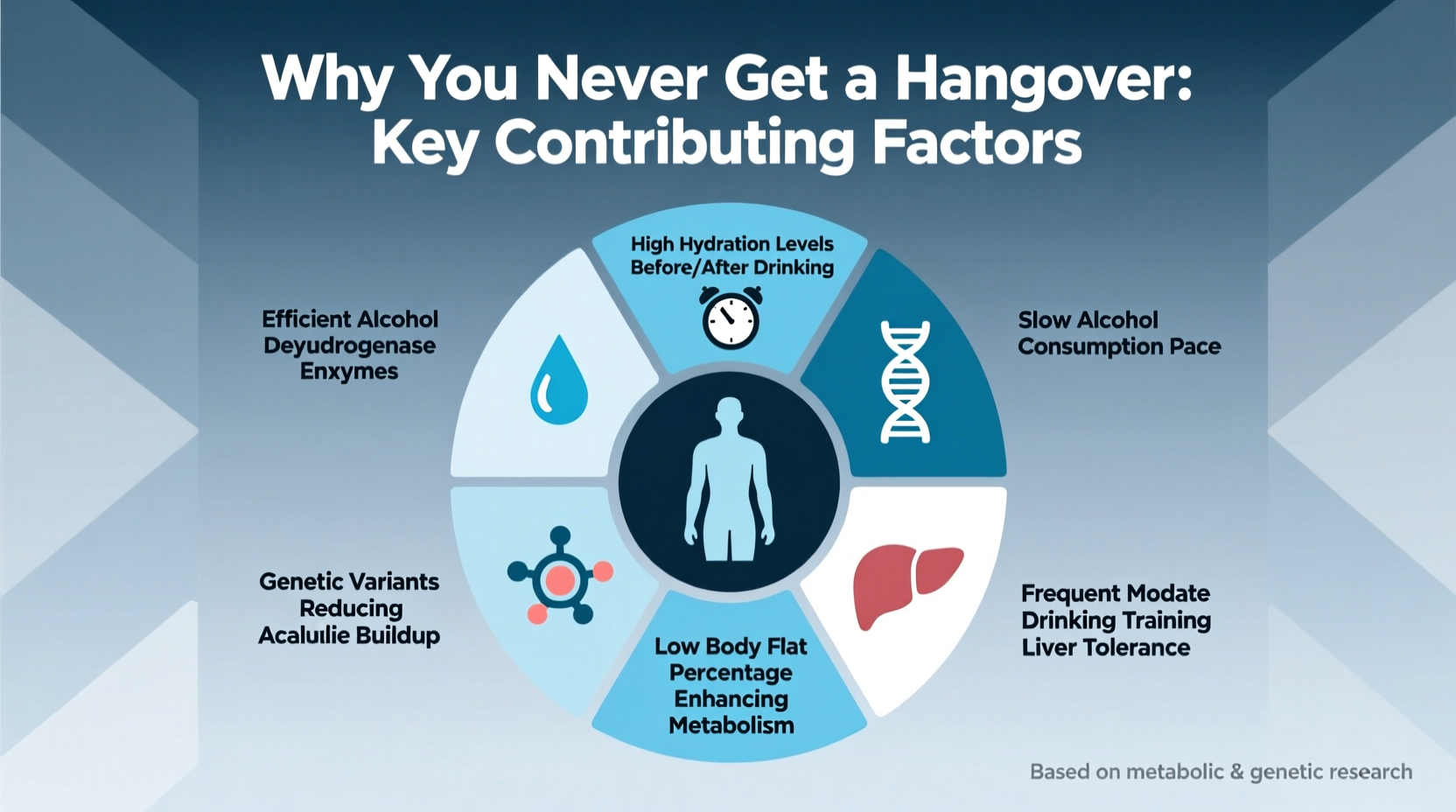
Your DNA plays a significant role in how your body processes alcohol and whether you experience hangover symptoms. Two key enzymes involved in alcohol metabolism are alcohol dehydrogenase (ADH) and aldehyde dehydrogenase (ALDH). Variations in the genes that control these enzymes can dramatically affect how efficiently your body breaks down alcohol and its toxic byproducts.
People with highly active ADH convert alcohol into acetaldehyde quickly, while those with efficient ALDH rapidly break down acetaldehyde into harmless acetate. When both enzymes work effectively, toxic buildup is minimized, reducing inflammation and oxidative stress — two primary drivers of hangovers.
Conversely, certain populations — particularly of East Asian descent — may have a deficiency in ALDH2, leading to acetaldehyde accumulation and severe reactions even after small amounts of alcohol. But if you have the opposite profile — fast metabolizers with robust enzyme activity — you’re far less likely to feel the aftermath.
“Individual variation in alcohol metabolism explains much of the difference in hangover severity. Some people are genetically wired to clear toxins faster, which protects them from typical hangover effects.” — Dr. Laura Chen, Pharmacologist & Alcohol Research Specialist
Lifestyle and Behavioral Influences
Beyond genetics, your habits significantly influence whether you experience a hangover. Even if you drink moderately, certain behaviors either amplify or reduce your risk.
- Hydration: Drinking water between alcoholic beverages helps counteract alcohol’s diuretic effect, preventing dehydration — a major contributor to headaches and fatigue.
- Eating before drinking: Consuming food slows alcohol absorption, leading to a more gradual rise in blood alcohol concentration (BAC), which reduces strain on the liver and nervous system.
- Sleep quality: A full night’s rest after drinking allows your body time to process toxins. Poor sleep exacerbates cognitive impairment and mood disturbances associated with hangovers.
- Drink selection: Dark liquors like whiskey and red wine contain higher levels of congeners (toxic byproducts of fermentation). Opting for clear spirits such as vodka or gin may lower your chances of feeling unwell the next day.
Tolerance vs. Immunity: Understanding the Difference
It’s important to distinguish between true biological resistance to hangovers and developed tolerance due to frequent drinking. Regular drinkers may appear “immune” because their bodies adapt to alcohol exposure, but this adaptation often masks damage rather than prevents it.
Chronic alcohol use can dull the nervous system’s response to inflammation and toxicity, meaning symptoms aren’t felt — not because they aren’t present, but because the body has become desensitized. This creates a dangerous illusion of safety.
In reality, long-term heavy drinking increases the risk of liver disease, cardiovascular issues, and neurocognitive decline — even in the absence of hangovers. Relying on a lack of hangover as a signal of safe consumption is misleading and potentially harmful.
Do’s and Don’ts of Responsible Drinking
| Do | Don't |
|---|---|
| Limit intake to moderate levels (1 drink/day for women, 2 for men) | Use lack of hangover as justification for heavy drinking |
| Stay hydrated before, during, and after drinking | Mix alcohol with energy drinks or stimulants |
| Eat a substantial meal before consuming alcohol | Drink on an empty stomach regularly |
| Track your drinking patterns over time | Ignore signs of dependence just because you don’t get hungover |
Case Study: Alex, 34 – The Social Drinker Who Never Feels It
Alex enjoys going out with friends several times a month. He typically has three to four beers or cocktails per evening but has never experienced a hangover. His peers often joke that he has a “steel stomach,” and he takes pride in being able to function normally the next day.
However, during a routine check-up, his liver enzyme levels were slightly elevated. His doctor asked about alcohol consumption and explained that while Alex didn’t feel side effects, his liver was still processing a significant load. With no symptoms to warn him, Alex had gradually increased his intake over the years.
After adjusting his habits — cutting back to two nights a week and limiting drinks to two per session — his enzyme levels returned to normal within six months. Alex learned that symptom-free doesn’t mean consequence-free.
Step-by-Step Guide to Assessing Your Alcohol Response
If you rarely get hungover, use this structured approach to evaluate your relationship with alcohol:
- Track your consumption: Log how much and how often you drink for at least two weeks using a journal or app.
- Note physical and mental effects: Even without a hangover, observe changes in sleep, mood, focus, or digestion.
- Review medical markers: Ask your doctor for liver function tests, GGT levels, and blood pressure checks during your next visit.
- Assess dependency signs: Do you feel uncomfortable skipping a planned drink? Do you need more now to achieve the same effect?
- Set personal limits: Based on data and feedback, define sustainable boundaries — regardless of how you feel afterward.
Frequently Asked Questions
Can someone be completely immune to hangovers?
True immunity is rare. Most cases involve a combination of favorable genetics, good hydration, responsible drinking habits, and high tolerance. However, absence of symptoms does not equate to absence of harm.
Does never getting hungover mean I have a higher alcohol tolerance?
Possibly, but tolerance develops through repeated exposure and can indicate developing dependence. High tolerance without negative feedback increases the risk of alcohol-related health problems over time.
Should I worry if I never get hungover?
You should pay attention — not necessarily worry. Use your lack of hangover as motivation to monitor your drinking objectively. Without natural warning signs, you may unknowingly exceed recommended limits or develop unhealthy patterns.
Conclusion: Listen to Your Body — Even When It’s Silent
Never getting hungover might feel like a gift, but it demands extra responsibility. Your body may not send obvious distress signals, but that doesn’t mean it isn’t working hard to keep up. Genetics and habits can protect you in the short term, but long-term health depends on mindful choices, not just symptom avoidance.




 浙公网安备
33010002000092号
浙公网安备
33010002000092号 浙B2-20120091-4
Comments
No comments yet. Why don't you start the discussion?