
If you've ever felt a sudden urge to use the bathroom shortly after sitting down to eat, you're not alone—and it's not necessarily a sign of a problem. This common experience is driven by a natural physiological process known as the gastrocolic reflex. While it may feel inconvenient or even embarrassing in certain situations, this reflex is a key part of your digestive system’s function. Understanding how and why it happens can help you distinguish between normal digestion and symptoms that might need medical attention.
What Is the Gastrocolic Reflex?
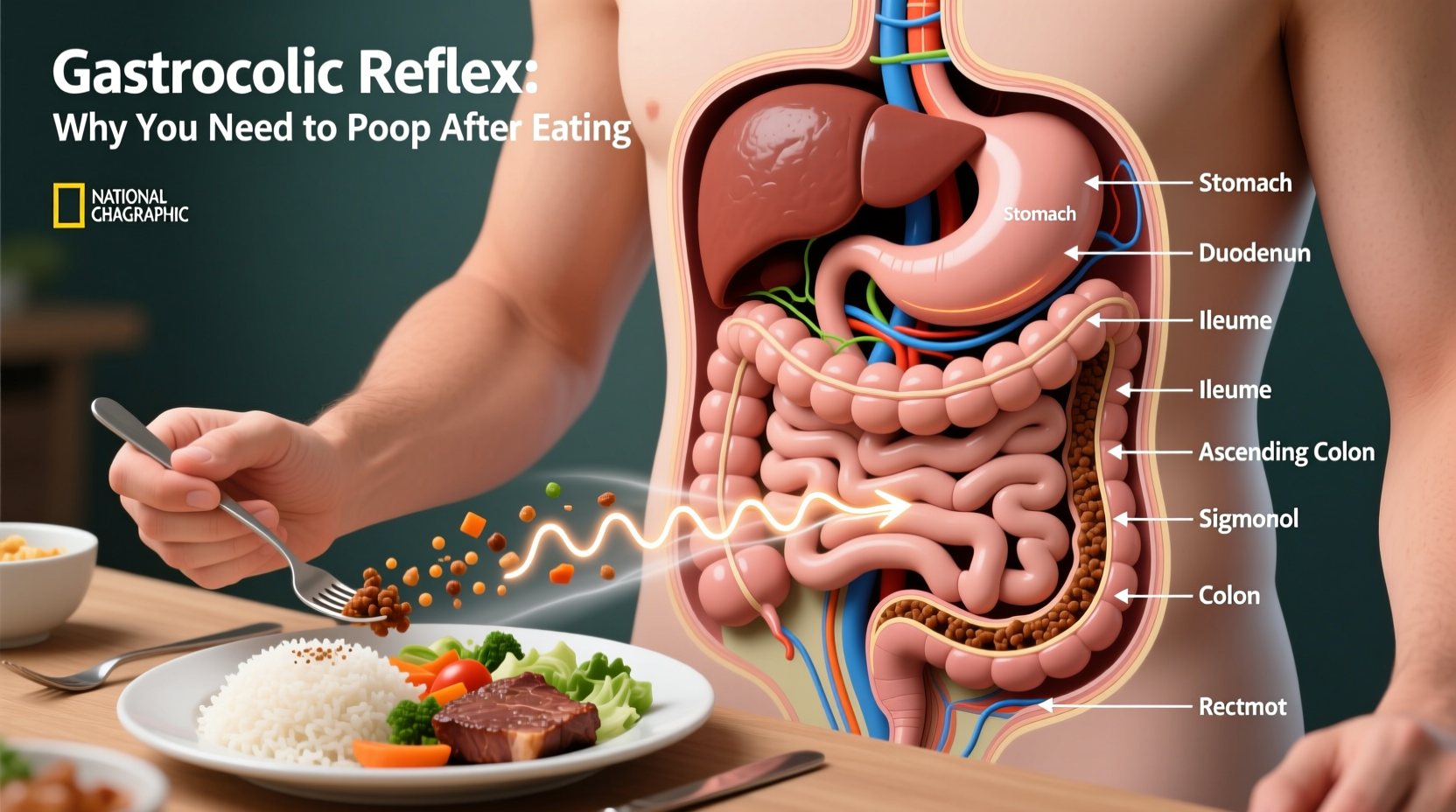
The gastrocolic reflex is an involuntary response triggered when food enters the stomach. As the stomach expands during a meal, sensory nerves detect the stretch and send signals to the colon via the enteric nervous system—the \"brain of the gut.\" In response, the colon increases its muscular contractions, known as peristalsis, to make room for incoming food by moving existing contents further down the digestive tract.
This process helps maintain efficient digestion and prevents backup in the intestines. For many people, especially in the morning or after larger meals, this reflex results in the urge to defecate. It's most active in younger individuals and tends to weaken slightly with age.
Why Does Eating Trigger Bowel Movements?
The connection between eating and bowel activity lies in the body’s prioritization of digestive efficiency. When you eat, hormones such as gastrin are released, stimulating colonic motility. The size and composition of the meal matter—high-fat or high-fiber foods tend to provoke a stronger gastrocolic response because they trigger more robust hormonal and neural signaling.
- Fat-rich meals: Activate the release of cholecystokinin (CCK), which enhances intestinal contractions.
- Fiber-heavy meals: Add bulk and stimulate mechanical distension, amplifying the reflex.
- Coffee consumption: Often intensifies the effect due to caffeine’s stimulatory impact on colonic muscles.
In infants, this reflex is particularly strong and explains why many babies defecate shortly after feeding. In adults, the strength varies from person to person, influenced by diet, stress levels, gut microbiota, and overall gastrointestinal health.
When Is It Normal vs. When to Be Concerned?
Experiencing a bowel movement soon after eating is generally normal, especially if it occurs occasionally and without discomfort. However, if the urge is intense, painful, or accompanied by other symptoms, it could indicate an underlying condition such as irritable bowel syndrome (IBS), inflammatory bowel disease (IBD), or food intolerance.
“While the gastrocolic reflex is a healthy part of digestion, an exaggerated or painful response should prompt evaluation—especially if it disrupts daily life.” — Dr. Lena Torres, Gastroenterology Specialist
Consider tracking your symptoms using a food and symptom journal. Note what you eat, when you feel the urge to go, and any associated pain, bloating, or changes in stool consistency. This information can be invaluable for healthcare providers assessing potential digestive disorders.
Common Conditions Linked to Strong Gastrocolic Responses
| Condition | Symptoms | Key Differences from Normal Reflex |
|---|---|---|
| Irritable Bowel Syndrome (IBS) | Cramping, diarrhea or constipation, bloating | Pain precedes or follows bowel movement; triggered by stress or specific foods |
| Lactose Intolerance | Bloating, gas, watery diarrhea after dairy | Only occurs after consuming lactose-containing foods |
| Hyperthyroidism | Increased metabolism, weight loss, frequent stools | Bowel urgency unrelated to meals; includes systemic symptoms |
| Inflammatory Bowel Disease (IBD) | Bloody stools, fatigue, unintended weight loss | Chronic inflammation; requires medical diagnosis and treatment |
Managing an Overactive Gastrocolic Reflex
If your gastrocolic reflex feels too strong or disruptive, several lifestyle and dietary adjustments can help regulate it. These strategies aim to reduce excessive stimulation of the colon while supporting balanced digestion.
Step-by-Step Guide to Reducing Post-Meal Urges
- Adjust meal size: Eat smaller, more frequent meals instead of large portions that heavily distend the stomach.
- Modify fat intake: Reduce very high-fat meals, especially fried or greasy foods, which strongly stimulate colonic contractions.
- Limit caffeine: Avoid coffee or strong tea immediately before or during meals, as caffeine accelerates gut motility.
- Identify food triggers: Keep a food diary to spot patterns—common culprits include dairy, spicy foods, and artificial sweeteners.
- Practice mindful eating: Chew slowly and avoid rushing meals, which reduces air swallowing and promotes smoother digestion.
- Stay hydrated: Drink adequate water throughout the day to support regular, well-formed stools.
Mini Case Study: Managing Morning Urgency
Sarah, a 34-year-old teacher, noticed she had to rush to the restroom within minutes of eating breakfast—often causing her to be late for school. After tracking her meals, she realized that her usual breakfast of scrambled eggs with bacon and a cup of black coffee consistently triggered the urge. By switching to oatmeal with almond milk and replacing coffee with herbal tea, she reduced the intensity of her gastrocolic response significantly. Over two weeks, she regained confidence in her morning routine without unexpected interruptions.
Frequently Asked Questions
Is pooping right after eating a sign of a fast metabolism?
Not necessarily. While a quick digestive response might suggest efficient motility, it doesn't directly correlate with metabolic rate. The gastrocolic reflex is about gut coordination, not calorie burning. People with slow metabolisms can also experience this reflex.
Can children have a stronger gastrocolic reflex than adults?
Yes. Infants and young children often exhibit a pronounced reflex, which is why caregivers notice bowel movements shortly after feeding. This typically moderates with age but remains present in varying degrees throughout life.
Should I be worried if I don’t experience this reflex?
No. Not everyone feels the urge to defecate after eating. Digestive patterns vary widely. As long as you have regular, comfortable bowel movements without constipation or pain, the absence of post-meal urges is perfectly normal.
Final Thoughts and Action Steps
The gastrocolic reflex is a natural, functional component of human digestion designed to keep your system moving efficiently. For most people, occasional post-meal bowel urges are nothing to worry about. But when these urges become urgent, painful, or interfere with daily activities, it’s worth exploring possible causes and solutions.
Start by evaluating your diet, meal timing, and lifestyle habits. Small changes—like reducing caffeine, adjusting portion sizes, or identifying trigger foods—can make a meaningful difference. If symptoms persist or worsen, consult a healthcare provider to rule out conditions like IBS, food sensitivities, or hormonal imbalances.
“Understanding your body’s signals is the first step toward better digestive health. Don’t dismiss consistent discomfort—it could be your gut asking for attention.” — Dr. Rajiv Mehta, Internal Medicine Physician
Quick Checklist: What You Can Do Today
- ✔ Track meals and bowel movements for 3–5 days
- ✔ Reduce portion sizes at one meal to test response
- ✔ Replace coffee with non-caffeinated alternatives temporarily
- ✔ Increase soluble fiber gradually (e.g., oats, bananas, applesauce)
- ✔ Schedule bathroom access after meals if needed
Digestive awareness empowers better choices. Whether you're managing a sensitive gut or simply curious about your body's rhythms, recognizing the role of the gastrocolic reflex brings clarity and control. Listen to your body, make informed adjustments, and know when to seek professional guidance.




 浙公网安备
33010002000092号
浙公网安备
33010002000092号 浙B2-20120091-4
Comments
No comments yet. Why don't you start the discussion?