
Self-destruction isn’t a character flaw—it’s often a silent response to pain, fear, or unmet needs buried deep within the psyche. Many people engage in behaviors that sabotage their relationships, careers, health, or happiness without fully understanding why. These patterns don’t appear out of nowhere; they stem from complex emotional, psychological, and sometimes biological factors. Recognizing the roots of self-sabotage is the first step toward breaking free from its grip.
The Hidden Logic Behind Self-Destructive Behavior
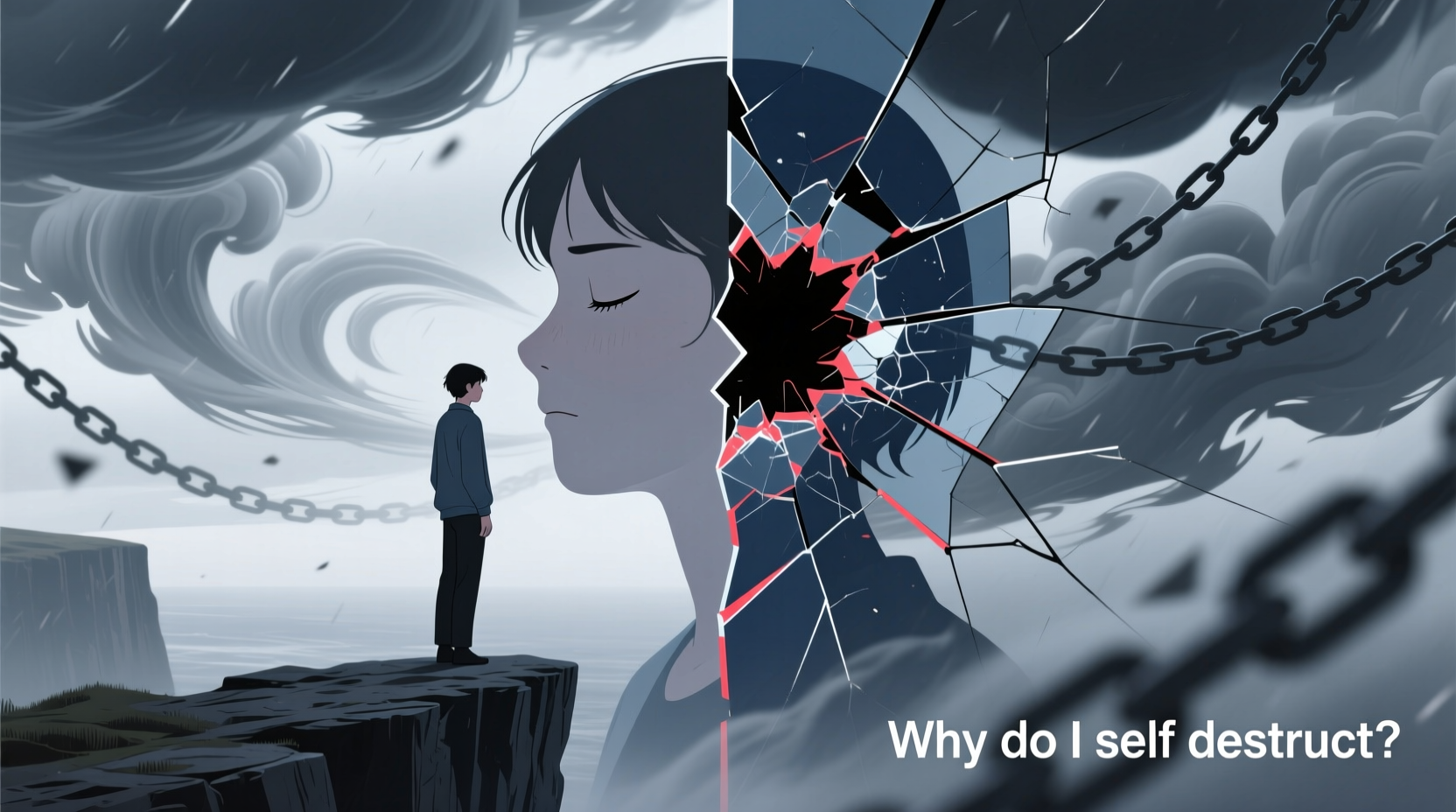
At first glance, self-destructive actions—like substance abuse, emotional withdrawal, procrastination, or pushing away loved ones—seem irrational. But beneath the surface, these behaviors often serve a purpose. They may provide temporary relief from anxiety, help maintain a sense of control, or reinforce familiar emotional dynamics learned in childhood.
For example, someone who grew up in an unpredictable environment might unconsciously recreate chaos in adulthood because stability feels unfamiliar or even threatening. In this context, self-sabotage isn’t random—it’s a misguided survival strategy.
“People aren’t broken because they self-destruct. They’re trying to survive using tools that once kept them safe.” — Dr. Rachel Nguyen, Clinical Psychologist
Common Triggers of Self-Sabotage
Understanding what activates self-destructive tendencies is essential for change. While triggers vary from person to person, several recurring themes emerge:
- Fear of success: Achieving goals can bring pressure, visibility, or responsibility that feels overwhelming.
- Low self-worth: If you believe you don’t deserve love, success, or peace, your actions may align with that belief.
- Unresolved trauma: Past experiences, especially in early life, shape how we respond to stress and connection.
- Emotional regulation struggles: Some use impulsive or harmful behaviors to numb intense feelings like shame or grief.
- Learned behavior: Growing up around addiction, conflict, or neglect can normalize dysfunction.
Recognizing the Patterns: A Real-Life Example
Lena had just landed her dream job after months of networking and interviews. Within weeks, she began arriving late, missing deadlines, and isolating herself from colleagues. Despite wanting to succeed, she found herself making excuses, skipping meetings, and eventually resigned—telling herself she “wasn’t cut out for it.”
In therapy, Lena uncovered a pattern: every time she experienced validation or progress, she felt a rising sense of dread. She realized this fear traced back to childhood, where praise was often followed by criticism or high expectations. Subconsciously, she believed that doing well would lead to inevitable failure or rejection. Her self-sabotage wasn’t laziness—it was an attempt to preempt disappointment.
This case illustrates how self-destruction often protects us from perceived future pain, even when that pain is based on outdated beliefs.
Do’s and Don’ts of Managing Self-Destructive Tendencies
| Do | Don’t |
|---|---|
| Practice self-compassion instead of self-criticism | Label yourself as “weak” or “broken” |
| Identify your triggers through journaling or reflection | Ignore early warning signs of emotional distress |
| Seek professional support when needed | Try to heal deep wounds entirely on your own |
| Replace harmful habits with small, healthy rituals | Expect immediate transformation overnight |
| Communicate your struggles to trusted people | Isolate yourself out of shame |
A Step-by-Step Guide to Breaking the Cycle
Healing from self-destructive behavior is not about willpower alone—it’s about rewiring unconscious patterns with awareness and consistency. Follow this six-step approach to begin creating sustainable change:
- Notice the pattern: Pay attention to moments when you act against your best interests. Write them down without judgment.
- Trace the trigger: Ask what happened just before the behavior. Was there a success? A confrontation? A moment of vulnerability?
- Explore the underlying belief: What story are you telling yourself? (“I’ll fail anyway,” “They’ll leave me,” “I don’t deserve this.”)
- Challenge the belief: Is it truly accurate? What evidence contradicts it? How would you advise a friend in the same situation?
- Create a new response: Design a healthier alternative—calling a friend, going for a walk, writing in a journal—when the urge arises.
- Reinforce progress: Acknowledge small wins. Healing is nonlinear, but each conscious choice builds resilience.
When Trauma Shapes Behavior
Many self-destructive patterns originate in trauma—especially developmental trauma from childhood. Emotional neglect, abuse, or inconsistent caregiving can wire the brain to expect danger, betrayal, or abandonment. As adults, people may unconsciously seek out situations that confirm these beliefs, not because they want to suffer, but because familiarity provides a strange comfort.
Neuroscience shows that repeated traumatic experiences alter the brain’s stress response system, making emotional regulation more difficult. This doesn’t excuse harmful behavior, but it reframes it: self-sabotage is often less about defiance and more about survival.
“The brain prioritizes safety over growth. Until we feel secure, we won’t take risks—even positive ones.” — Dr. Marcus Liu, Trauma Researcher
Actionable Checklist: Building Healthier Responses
Use this checklist weekly to assess your progress and reinforce positive shifts:
- ✅ Identified at least one self-sabotaging behavior this week
- ✅ Reflected on what triggered it (emotion, event, thought)
- ✅ Challenged one negative belief with a more balanced perspective
- ✅ Practiced a grounding technique (breathing, mindfulness, movement)
- ✅ Reached out to someone supportive instead of isolating
- ✅ Celebrated one small win, no matter how minor it seemed
Frequently Asked Questions
Is self-destructive behavior a sign of mental illness?
Not always, but it can be a symptom of conditions like depression, PTSD, borderline personality disorder, or anxiety. Persistent self-sabotage warrants professional evaluation, but occasional lapses are part of being human. The key is whether the behavior is chronic and impairing your functioning.
Can you stop self-destructing without therapy?
Some people make meaningful progress through self-help, support groups, or lifestyle changes. However, if the behavior stems from deep trauma or co-occurring disorders, therapy significantly increases the chances of lasting recovery. Cognitive Behavioral Therapy (CBT), DBT, and trauma-informed approaches are particularly effective.
Why do I self-destruct when things are going well?
This is surprisingly common. Success can trigger subconscious fears of inadequacy, abandonment, or increased expectations. For some, happiness feels unsafe because it contrasts sharply with past pain. This phenomenon, known as “fear of happiness” or “success anxiety,” often underlies relapses during periods of stability.
Conclusion: Reclaiming Agency Over Your Life
Understanding why you self-destruct is not about assigning blame—it’s about reclaiming power. Every destructive choice was once a survival mechanism. Now, with awareness, you can transform those impulses into invitations for healing. Change begins not with perfection, but with presence: noticing the urge, honoring the pain behind it, and choosing differently, one moment at a time.




 浙公网安备
33010002000092号
浙公网安备
33010002000092号 浙B2-20120091-4
Comments
No comments yet. Why don't you start the discussion?