
Sleep is meant to be a time of rest and recovery, yet many people experience involuntary movements during the night—shaking, jerking, or trembling that can disrupt sleep quality. If you've ever woken up startled by your own body twitching or been told you shake in your sleep, you're not alone. These episodes range from harmless muscle twitches to signs of underlying health issues. Understanding the root causes and knowing when to take action can help improve your sleep and overall well-being.
Common Causes of Shaking During Sleep
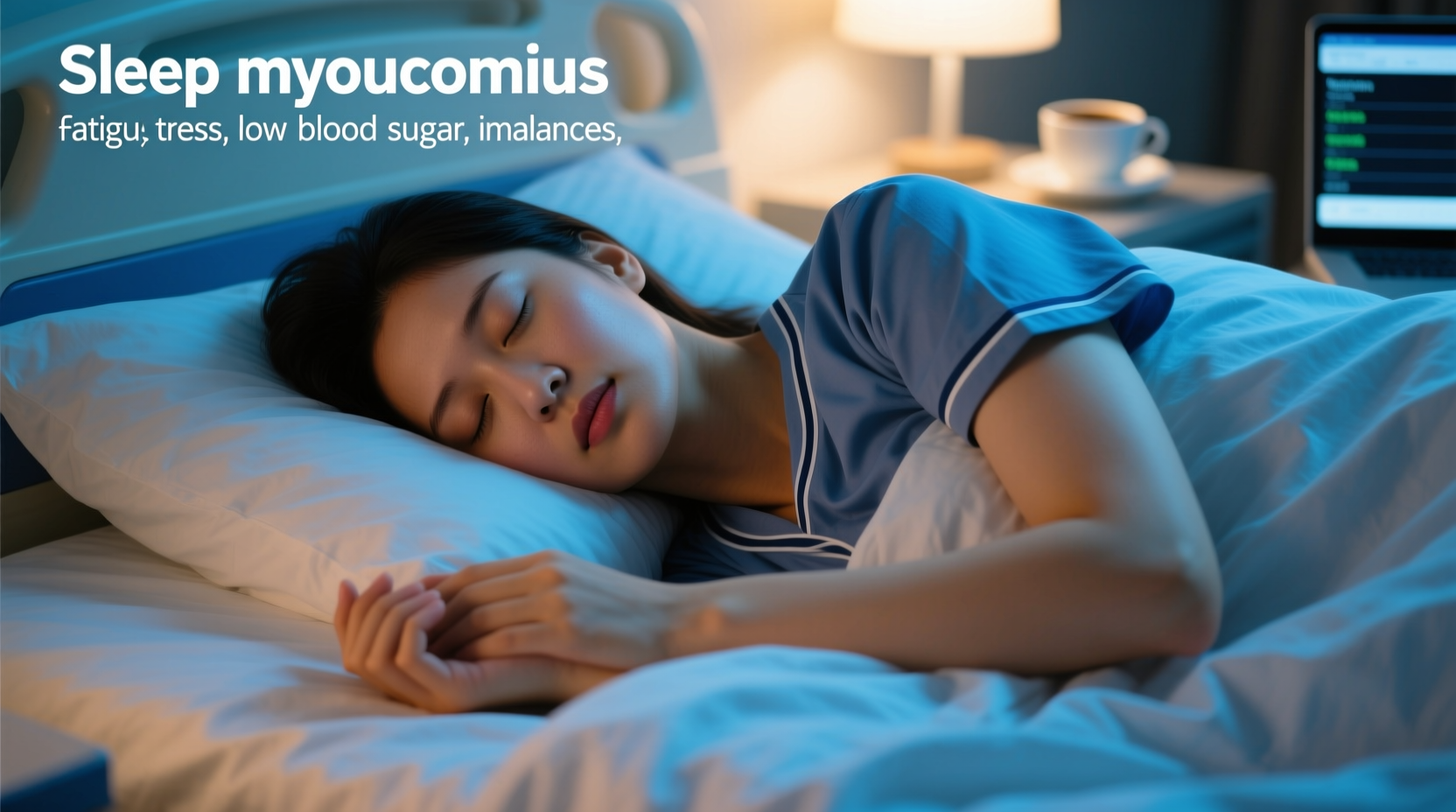
Involuntary shaking during sleep isn’t always a cause for concern. The human body undergoes various physiological changes at night, and some movement is natural. However, persistent or intense shaking may point to specific triggers.
- Hypnic jerks: Also known as sleep starts, these are sudden muscle contractions that occur as you're falling asleep. They’re common and usually harmless.
- Restless Legs Syndrome (RLS): A neurological disorder causing an uncontrollable urge to move the legs, often accompanied by tingling or crawling sensations, especially at night.
- Periodic Limb Movement Disorder (PLMD): Involves repetitive cramping or kicking of the legs during sleep, often unnoticed by the person but disruptive to bed partners.
- Stress and anxiety: High cortisol levels can lead to increased muscle tension and nocturnal tremors.
- Low blood sugar (hypoglycemia): Especially in diabetics, nighttime glucose drops can trigger shaking, sweating, and wakefulness.
- Medication side effects: Certain antidepressants, stimulants, or asthma medications may contribute to muscle tremors during sleep.
- Neurological conditions: Parkinson’s disease, epilepsy, or multiple sclerosis can manifest with nighttime shaking.
When Shaking Is Normal vs. When It’s a Red Flag
Not all shaking requires medical intervention. Distinguishing between benign twitches and symptoms of a larger issue is key.
| Type of Movement | Likely Cause | Action Needed? |
|---|---|---|
| Sudden jerk while falling asleep | Hypnic jerk | No – normal physiological response |
| Leg twitching every 20–30 seconds all night | Periodic Limb Movement Disorder | Yes – consult sleep specialist |
| Whole-body tremors with confusion upon waking | Possible seizure activity | Yes – urgent medical evaluation |
| Arms/legs shaking after nightmares | REM sleep behavior disorder | Yes – especially if violent |
| Mild finger twitching | Nerve irritation or fatigue | No – monitor for changes |
“Many patients come in worried about sleep shaking, only to discover it’s hypnic jerks triggered by caffeine or sleep deprivation. But persistent limb movements should never be ignored.” — Dr. Lena Patel, Board-Certified Sleep Specialist
Step-by-Step Guide to Reduce Nighttime Shaking
If your shaking isn’t due to a serious medical condition, lifestyle adjustments can significantly reduce or eliminate symptoms. Follow this sequence to regain control over your sleep:
- Eliminate stimulants 6 hours before bed: Cut off caffeine, nicotine, and heavy meals. Even dark chocolate can contribute.
- Establish a wind-down routine: Spend 30 minutes doing calming activities like reading, stretching, or meditation.
- Check your bedroom environment: Keep the room cool (60–67°F), dark, and quiet. Use blackout curtains and white noise if needed.
- Stretch before bed: Focus on calves, hamstrings, and lower back to reduce muscle tension and prevent cramps.
- Stay hydrated and balance electrolytes: Low magnesium or potassium can trigger muscle spasms. Consider a banana or magnesium supplement (consult doctor first).
- Limit alcohol: While it may make you drowsy, alcohol disrupts REM sleep and can increase muscle twitching.
- Track symptoms: Note frequency, duration, and associated factors in a journal to share with a healthcare provider.
Real-Life Example: Mark’s Experience with Nocturnal Shaking
Mark, a 42-year-old software developer, began noticing that his wife would nudge him at night because his legs were “kicking like he was running.” He felt unrested each morning and sometimes woke up with sore calves. After tracking his habits, he realized he drank three energy drinks daily and rarely exercised. His primary care physician referred him to a sleep clinic, where a polysomnogram diagnosed Periodic Limb Movement Disorder exacerbated by poor sleep hygiene and high caffeine intake. With reduced caffeine, nightly stretching, and low-dose pramipexole, his symptoms improved within six weeks. His sleep efficiency increased from 72% to 89%, and his daytime fatigue lifted.
What to Do If You Suspect a Medical Condition
While most cases of sleep shaking are benign, certain warning signs warrant professional evaluation:
- Shaking that wakes you frequently
- Daytime sleepiness despite adequate sleep
- Loss of bladder or bowel control during episodes
- Confusion or disorientation after waking
- Violent thrashing or acting out dreams
If any of these apply, schedule an appointment with a neurologist or sleep medicine specialist. Diagnostic tools such as a sleep study (polysomnography) or EEG may be used to identify conditions like epilepsy, narcolepsy, or REM sleep behavior disorder.
FAQ: Common Questions About Sleep Shaking
Can dehydration cause shaking during sleep?
Yes. Dehydration affects electrolyte balance, particularly sodium, potassium, and magnesium, which are critical for proper nerve and muscle function. Low levels can lead to muscle cramps and involuntary twitching at night.
Is it normal for children to shake in their sleep?
Occasional twitching, especially during light sleep transitions, is normal in children. However, rhythmic leg movements lasting more than a few minutes or associated with developmental delays should be evaluated by a pediatric neurologist.
Can anxiety really make me shake while sleeping?
Absolutely. Chronic stress increases muscle tension and alters neurotransmitter activity, which can manifest as physical symptoms during sleep. Managing anxiety through therapy, mindfulness, or prescribed treatment often reduces nocturnal shaking.
Action Plan Checklist
Use this checklist to address sleep shaking proactively:
- ✅ Eliminate caffeine after 2 PM
- ✅ Drink 8 glasses of water daily
- ✅ Perform 10 minutes of light stretching before bed
- ✅ Maintain a consistent sleep schedule (same bedtime/wake time)
- ✅ Keep a sleep journal for 7 days
- ✅ Consult a doctor if shaking persists beyond two weeks
- ✅ Get a sleep study if recommended by a specialist
Take Control of Your Sleep Health
Sleep shaking may seem minor, but it can erode sleep quality, affect relationships, and signal deeper health concerns. By understanding the causes—from simple fatigue to complex neurological disorders—you empower yourself to take meaningful steps toward better rest. Whether it's adjusting your evening routine, addressing nutrient deficiencies, or seeking medical guidance, small changes today can lead to dramatically improved sleep tomorrow. Don’t dismiss persistent symptoms. Prioritize your sleep health just as you would your diet or exercise—it’s that important.




 浙公网安备
33010002000092号
浙公网安备
33010002000092号 浙B2-20120091-4
Comments
No comments yet. Why don't you start the discussion?