
Night sweats are more than just an uncomfortable disruption to sleep—they can be a sign of underlying health conditions or lifestyle factors that need attention. While everyone experiences occasional sweating during sleep due to room temperature or bedding, frequent and drenching night sweats warrant investigation. Understanding the root causes, recognizing red flags, and knowing when to seek medical advice can help restore restful sleep and ensure long-term well-being.
What Are Night Sweats?
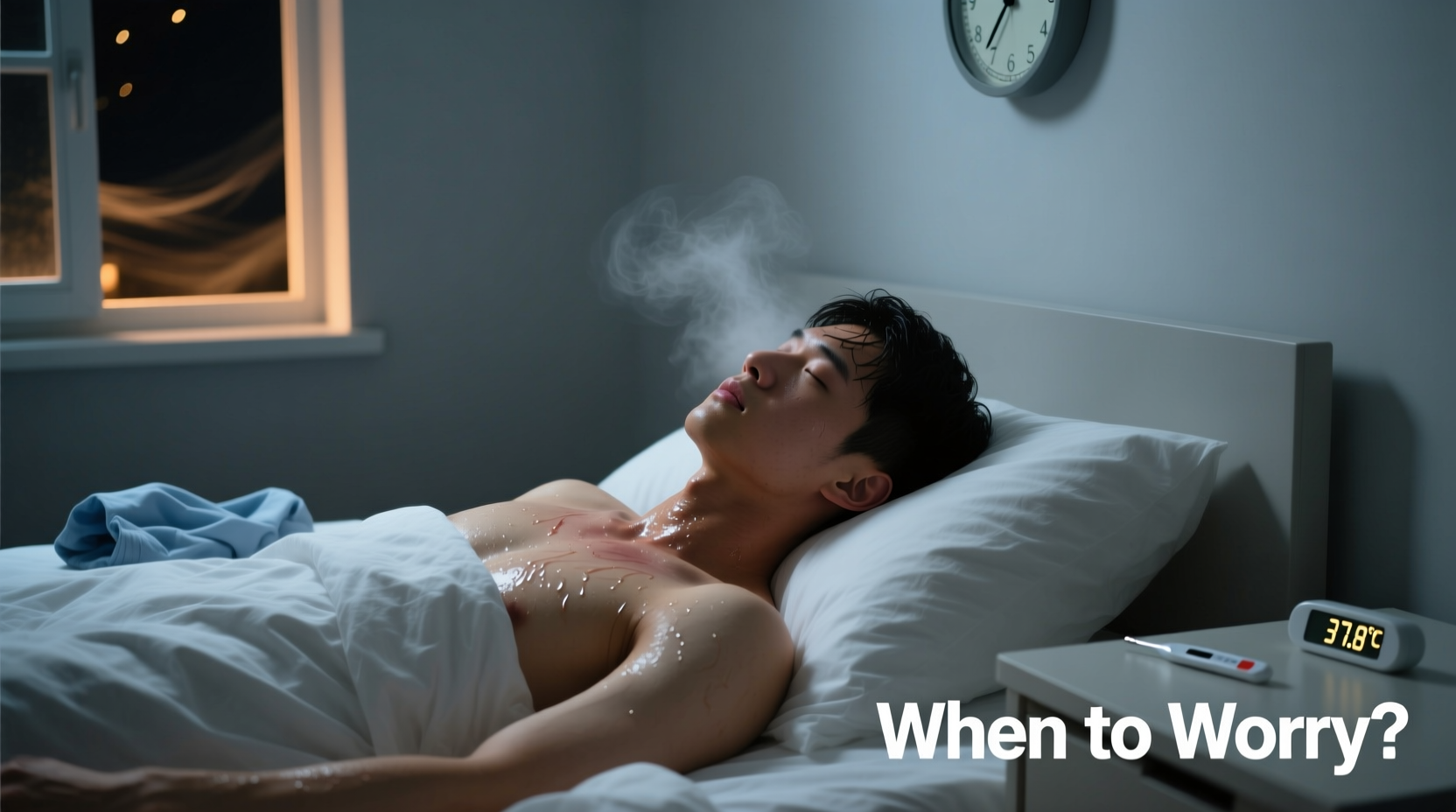
Night sweats refer to excessive perspiration during sleep that often soaks through clothing and bedding. Unlike normal sweating caused by a warm environment, true night sweats occur even in cool rooms and without physical exertion. They are typically systemic—meaning they stem from internal bodily processes—and may be accompanied by other symptoms such as fever, weight loss, fatigue, or chills.
According to the American Academy of Family Physicians, approximately 3% of primary care patients report night sweats as a primary concern, with higher prevalence among middle-aged and older adults. However, younger individuals are not immune, especially if lifestyle or medical factors are involved.
Common Causes of Night Sweating
Night sweats can result from a wide range of factors, from benign to serious. Below are the most frequently encountered causes:
- Hormonal changes: Menopause is one of the leading causes, particularly in women aged 45–55. Fluctuating estrogen levels trigger hot flashes and night sweats in up to 80% of menopausal women.
- Infections: Tuberculosis, HIV, endocarditis, and other chronic infections often present with night sweats as an early symptom. These are usually accompanied by fever, cough, or unexplained weight loss.
- Medications: Antidepressants (especially SSRIs), diabetes medications, hormone therapies, and steroids can all induce nocturnal sweating.
- Low blood sugar (hypoglycemia): Common in people with diabetes, nighttime hypoglycemia triggers adrenaline release, which leads to sweating, shaking, and confusion upon waking.
- Anxiety and stress: High cortisol levels and overactive nervous systems can increase perspiration during sleep, especially in those with chronic anxiety disorders.
- Oncological conditions: Lymphoma and leukemia are known to cause persistent night sweats, often described as “soaking” and recurring over weeks.
When to Worry: Red Flags That Demand Medical Attention
Not all night sweats require urgent care, but certain patterns should prompt a visit to your healthcare provider. The following signs suggest an underlying medical condition:
- Sweating so severe it requires changing clothes or bedding regularly.
- Persistent episodes lasting more than two weeks without explanation.
- Accompanying symptoms: unexplained weight loss, persistent fever, swollen lymph nodes, or cough.
- No improvement after adjusting room temperature, bedding, or routine.
- Onset coinciding with new medication use or cancer risk factors.
“Recurrent, drenching night sweats—especially when paired with systemic symptoms—should never be ignored. They can be the first clue to infections, hormonal imbalances, or malignancies.” — Dr. Alan Reyes, Internal Medicine Specialist
Lifestyle vs. Medical Causes: A Comparative Overview
| Cause Type | Examples | Typical Symptoms | Action Required |
|---|---|---|---|
| Lifestyle/Environmental | Overheated room, synthetic bedding, alcohol before bed | Occasional sweating, resolves with environmental change | Adjust sleep environment |
| Hormonal | Menopause, low testosterone, hyperthyroidism | Hot flashes, mood swings, fatigue | Hormone testing and therapy |
| Medication-Induced | SSRIs, insulin, corticosteroids | Sweating begins after starting drug | Consult doctor about alternatives |
| Infection-Related | Tuberculosis, HIV, abscesses | Fever, chills, weight loss | Immediate medical evaluation |
| Oncological | Lymphoma, leukemia | Drenching sweats, fatigue, swollen glands | Urgent diagnostic workup |
Real-Life Example: Recognizing a Hidden Condition
Sarah, a 52-year-old teacher, began experiencing nightly drenching sweats six months after her last period. Initially attributing them to menopause, she didn’t seek help. After three months of worsening symptoms—including fatigue, a 10-pound weight loss, and a lingering cough—she visited her doctor. Blood tests revealed elevated inflammatory markers, and a chest X-ray led to a diagnosis of latent tuberculosis. With proper treatment, her night sweats resolved within weeks. Sarah’s case illustrates how easily serious conditions can be masked as common hormonal changes.
Step-by-Step: What to Do If You Sweat Excessively at Night
If night sweats are disrupting your life, follow this practical timeline to identify and address the cause:
- Week 1: Optimize Your Sleep Environment
Lower bedroom temperature to 65–68°F (18–20°C), switch to breathable cotton or moisture-wicking pajamas, and use lightweight bedding. - Week 2: Track Patterns
Maintain a log noting when sweating occurs, duration, severity, and any associated symptoms (e.g., palpitations, nightmares). - Week 3: Review Lifestyle Factors
Eliminate alcohol, spicy foods, and caffeine in the evening. Assess stress levels and consider relaxation techniques like meditation or deep breathing. - Week 4: Evaluate Medications
Discuss all current prescriptions and supplements with your doctor. Ask whether any could be contributing. - Week 5: Seek Medical Evaluation
If sweating persists, schedule an appointment. Expect blood work (CBC, glucose, thyroid panel, hormone levels), and possibly imaging depending on symptoms.
Prevention and Management Tips
While not all causes of night sweats can be prevented, several strategies reduce their frequency and impact:
- Use cooling mattress pads or moisture-absorbing pillow covers.
- Practice good sleep hygiene: consistent bedtime, limited screen exposure, and a dark, quiet room.
- Stay hydrated during the day to support thermoregulation.
- Engage in regular aerobic exercise, which helps regulate body temperature and reduce stress.
- For menopausal women, discuss hormone replacement therapy (HRT) or non-hormonal options like gabapentin with a gynecologist.
FAQ: Common Questions About Night Sweats
Are night sweats a sign of cancer?
They can be, though not always. Drenching night sweats that persist for weeks, especially with unexplained weight loss or swollen lymph nodes, may indicate lymphoma or other cancers. However, most night sweats are not cancer-related. Always consult a doctor for persistent symptoms.
Can anxiety really cause night sweats?
Yes. Anxiety activates the sympathetic nervous system, increasing heart rate and perspiration. Chronic stress or panic disorders can manifest physically during sleep, leading to nocturnal sweating. Cognitive behavioral therapy (CBT) and stress-reduction techniques often help.
Do men experience night sweats too?
Absolutely. While often associated with menopause, men can experience night sweats due to low testosterone, infections, medications, or sleep apnea. Andropause (male menopause) affects some older men and presents with fatigue, mood changes, and sweating.
Conclusion: Take Control of Your Sleep and Health
Night sweats are more than a nuisance—they’re a signal from your body that something may be out of balance. Whether driven by environment, hormones, medication, or illness, identifying the cause is the first step toward resolution. Start with simple lifestyle adjustments, monitor your symptoms closely, and don’t hesitate to seek professional guidance when needed. Prioritizing your health today can lead to cooler, more restful nights tomorrow.




 浙公网安备
33010002000092号
浙公网安备
33010002000092号 浙B2-20120091-4
Comments
No comments yet. Why don't you start the discussion?