
Waking up at 3am consistently—often wide awake, unable to fall back asleep—can be one of the most frustrating disruptions to rest. It’s not just about lost hours; it’s the mental toll of lying in bed, watching the clock tick forward while your thoughts spiral. This pattern isn’t rare. In fact, millions experience this phenomenon, often tied to biological rhythms, psychological stress, or lifestyle habits. The good news: understanding why it happens is the first step toward fixing it. This article explores the root causes behind 3am awakenings and offers practical, science-informed solutions to help you stay asleep.
The Science Behind 3am Wake-Ups
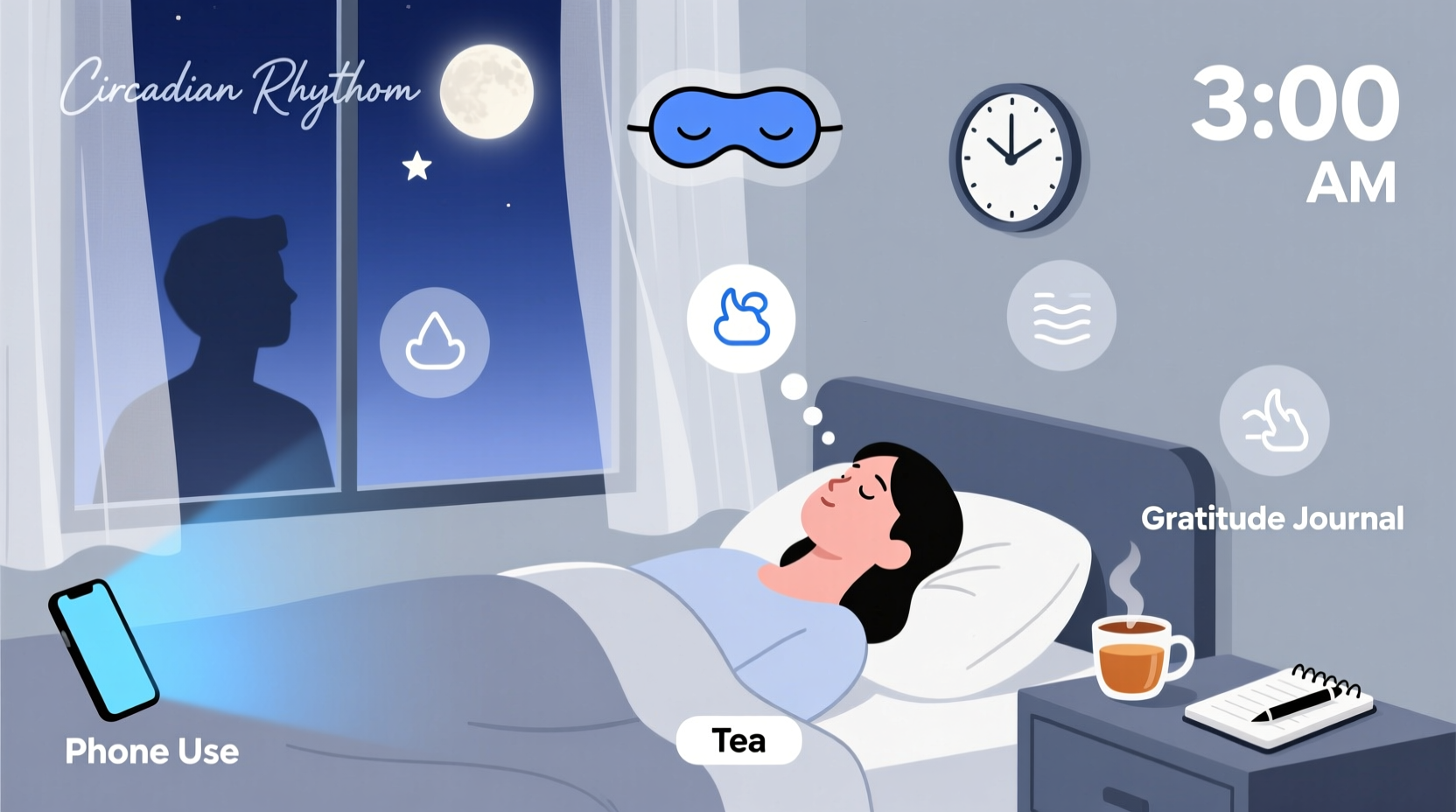
Human sleep follows a cyclical pattern made up of four stages: light sleep (N1 and N2), deep sleep (N3), and REM (rapid eye movement) sleep. A full cycle lasts about 90 minutes. By 3am, most people are entering their third or fourth sleep cycle, which typically includes more REM sleep—a lighter, more active phase where dreaming occurs. During REM, brain activity increases significantly, making it easier to wake up.
But why exactly at 3am? One theory involves cortisol, a hormone that regulates alertness. Cortisol levels begin to rise around 3–4am as part of the body’s natural preparation for waking. For some, especially those under chronic stress, this surge may come too early or too intensely, jolting them awake. Additionally, blood sugar fluctuations, particularly in individuals with insulin resistance or poor diet habits, can trigger adrenaline release, further disrupting sleep continuity.
“Sleep fragmentation at 3am is often a sign of underlying physiological imbalance—whether hormonal, metabolic, or emotional.” — Dr. Lena Patel, Sleep Specialist at Boston Integrative Medicine
Common Causes of Waking Up at 3am
While occasional nighttime awakenings are normal, consistent 3am wake-ups suggest a deeper issue. Below are the most frequent contributors:
- Stress and Anxiety: Elevated cortisol due to unresolved worry can peak during early morning hours, disrupting sleep architecture.
- Poor Blood Sugar Regulation: Going to bed on an empty stomach or consuming high-sugar meals late at night can cause a blood glucose crash around 3am, prompting the release of adrenaline and cortisol.
- Sleep Apnea or Breathing Issues: Even mild obstructive sleep apnea can cause micro-awakenings, often unnoticed but enough to interrupt deep sleep cycles.
- Hormonal Shifts: Perimenopausal women often report 3am awakenings linked to fluctuating estrogen and progesterone levels affecting GABA, a calming neurotransmitter.
- Circadian Rhythm Misalignment: Irregular sleep schedules, excessive screen time, or lack of morning sunlight exposure can shift your internal clock, making you wake prematurely.
- Diet and Hydration Habits: Alcohol may help you fall asleep initially but disrupts REM later in the night. Similarly, drinking too much water before bed can lead to bathroom trips that break sleep momentum.
- Environmental Triggers: Room temperature, noise, or even subtle light changes at dawn can disturb light sleepers.
How to Stay Asleep After Waking at 3am
Once you're awake, the goal isn't to force sleep—but to gently guide your nervous system back into a restful state. Here’s what works:
- Don’t Check the Clock: Seeing 3:07am activates performance anxiety. Turn your clock away or cover it.
- Practice the 4-7-8 Breathing Method: Inhale for 4 seconds, hold for 7, exhale slowly for 8. Repeat 4–5 times. This calms the vagus nerve and signals safety to the brain.
- Avoid Mental Engagement: Resist the urge to scroll, plan tomorrow’s tasks, or analyze why you’re awake. These activities reinforce alertness.
- Use Low-Light Environment: If you must get up, use a dim red-toned light (which doesn’t suppress melatonin like blue light).
- Try Grounding Techniques: Place your feet firmly on the floor, focus on physical sensations, or repeat a calming phrase like “I am safe, my body knows how to rest.”
What Not to Do When You Wake Up at 3am
| Do | Don’t |
|---|---|
| Practice slow breathing or meditation | Check your phone or emails |
| Stay in bed with eyes closed, resting | Turn on bright overhead lights |
| Drink a small sip of water if thirsty | Consume caffeine or sugary snacks |
| Read a physical book (non-stimulating) | Watch TV or browse social media |
| Get up briefly after 20+ minutes | Force yourself to “fall asleep now” |
Step-by-Step Guide to Prevent 3am Wake-Ups
Prevention starts long before bedtime. Follow this daily routine to stabilize your sleep cycle:
- 6:00–8:00am – Morning Sunlight Exposure: Spend at least 10–15 minutes outside without sunglasses. This resets your circadian rhythm by suppressing melatonin and boosting daytime alertness.
- Lunchtime – Balanced Meal: Include protein, healthy fats, and complex carbs to maintain stable blood sugar throughout the day.
- 3:00pm – Limit Caffeine: Avoid coffee, black tea, or energy drinks after this hour. Caffeine has a half-life of 5–6 hours.
- 6:00pm – Finish Eating: Allow 2–3 hours between dinner and bedtime. Eat a slightly larger snack if needed before sleep—such as Greek yogurt with almonds or a boiled egg.
- 8:00pm – Wind Down Routine Begins: Dim lights, switch devices to night mode, and avoid stimulating content (news, intense shows).
- 9:30pm – Herbal Support (Optional): Consider magnesium glycinate, L-theanine, or chamomile tea to support relaxation.
- 10:00pm – Lights Out: Aim for consistent bedtime, even on weekends. Your body thrives on predictability.
Real-Life Example: Sarah’s Journey Back to Restful Sleep
Sarah, a 42-year-old project manager, had been waking at 3am for over six months. She’d lie awake for hours, her mind racing about work deadlines and family responsibilities. Despite sleeping 7–8 hours, she felt exhausted. After tracking her habits, she realized she was drinking wine most nights to unwind, eating dinner late, and checking emails in bed.
With guidance from a sleep coach, she implemented key changes: no alcohol after Monday, dinner by 6:30pm, and a strict no-screens-after-9pm rule. She began practicing diaphragmatic breathing when she woke and kept a gratitude journal by her bed to redirect anxious thoughts. Within three weeks, her 3am awakenings dropped from nightly to once a week. By week six, she was sleeping through the night again.
Her breakthrough wasn’t medication—it was consistency in circadian hygiene and emotional regulation.
When to Seek Medical Help
Occasional awakenings are normal. But if you experience the following, consult a healthcare provider:
- Frequent 3am wake-ups lasting more than four weeks
- Excessive daytime fatigue despite adequate time in bed
- Loud snoring, gasping, or witnessed pauses in breathing (signs of sleep apnea)
- Mood changes like irritability, depression, or anxiety worsening at night
- Night sweats, heart palpitations, or unexplained weight changes
A sleep study may be recommended to rule out conditions like sleep apnea, restless legs syndrome, or nocturnal hypoglycemia. Hormonal testing—especially for thyroid, cortisol, or sex hormones—can also uncover imbalances contributing to fragmented sleep.
FAQ
Is waking up at 3am a spiritual sign?
Some spiritual traditions associate 3am with heightened intuition or “the witching hour,” but from a medical standpoint, it’s primarily linked to biological processes like cortisol release and REM cycling. While personal meaning can be attached, persistent awakenings should first be evaluated for physical or psychological causes.
Can low blood sugar cause 3am wake-ups?
Yes. When blood glucose drops overnight—especially after a high-carb dinner or prolonged fasting—the body releases adrenaline and cortisol to raise it. This “fight-or-flight” response can abruptly wake you. Eating a balanced evening snack with protein and fat (e.g., nut butter on apple slices) may prevent this.
Does menopause cause 3am insomnia?
Very commonly. Declining estrogen reduces GABA activity, making the brain more reactive to stress. Progesterone, which has a calming effect, also drops. Hot flashes and night sweats further fragment sleep. Bioidentical hormone therapy or non-hormonal options like cognitive behavioral therapy for insomnia (CBT-I) can help.
Checklist: 7-Day Plan to Stop Waking at 3am
- Track bedtime, wake time, and food intake each day.
- Eliminate alcohol for seven days.
- Finish dinner by 7pm.
- Begin a wind-down routine at 8:30pm (dim lights, no screens).
- Spend 10 minutes in morning sunlight.
- Practice 4-7-8 breathing when waking at night.
- Go to bed and wake up at the same time daily—even on weekends.
Conclusion
Waking up at 3am isn’t a life sentence. It’s a signal—one that, when listened to, can lead to profound improvements in health, mood, and daily functioning. Whether the cause is stress, diet, hormones, or environment, targeted adjustments can restore restful, uninterrupted sleep. Start small: adjust one habit this week, observe the results, and build from there. Sleep isn’t something you chase—it’s something you invite through consistency, care, and awareness.




 浙公网安备
33010002000092号
浙公网安备
33010002000092号 浙B2-20120091-4
Comments
No comments yet. Why don't you start the discussion?