
Waking up at 3 a.m. with a racing mind, unable to fall back asleep, is more common than you might think. You’re not alone if this happens several nights a week. While it may feel like a random glitch in your biology, the pattern often stems from a mix of circadian rhythms, hormonal shifts, and psychological stress. Understanding the root causes—both physiological and emotional—can help you regain control over your sleep and improve overall well-being.
The early morning awakening isn’t just inconvenient; it can erode mental clarity, mood stability, and long-term health. This article breaks down the science behind the 3 a.m. wake-up call, identifies key stress-related triggers, and offers actionable strategies grounded in sleep research and clinical practice.
The Science Behind Waking Up at 3 a.m.
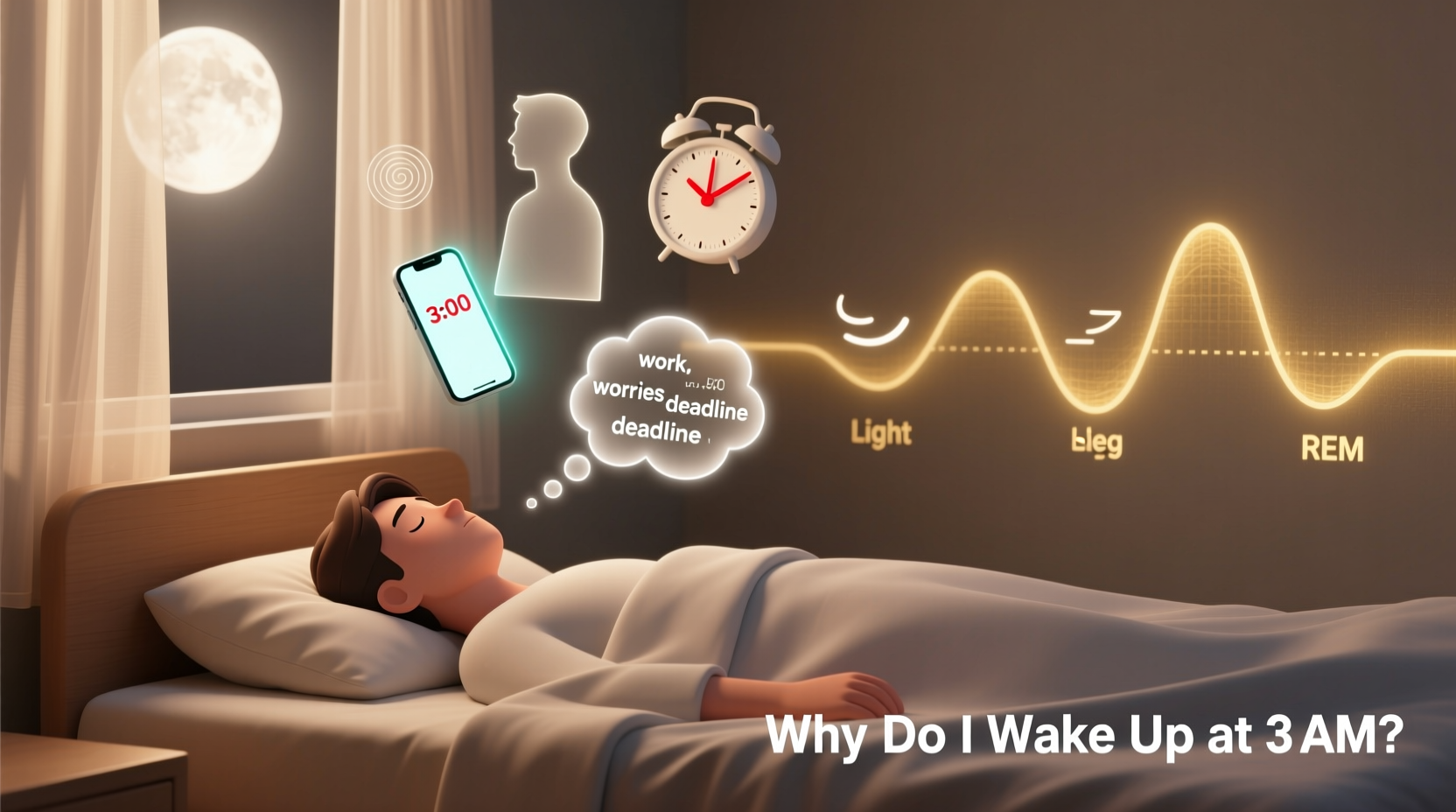
Your body operates on a finely tuned internal clock known as the circadian rhythm. This biological system regulates everything from hormone release to body temperature, aligning your sleep-wake cycle with natural light patterns. Around 3 a.m., most people are in the latter half of their sleep cycle, transitioning between REM (rapid eye movement) and lighter stages of non-REM sleep.
During the second half of the night, REM periods become longer and more frequent. These stages are associated with vivid dreams and increased brain activity. Because REM sleep is lighter than deep N3 (slow-wave) sleep, it’s easier to wake up during or immediately after a REM phase. If your sleep architecture is disrupted—by stress, caffeine, or irregular routines—you’re more likely to surface fully at this vulnerable point.
“Between 2 a.m. and 4 a.m., cortisol begins to rise in preparation for waking, and melatonin levels drop sharply. For individuals under chronic stress, this hormonal shift can trigger full arousal.” — Dr. Lena Patel, Sleep Neurologist, Stanford Sleep Medicine Center
This pre-dawn cortisol surge is part of your body’s natural process to prepare for the day. However, when combined with elevated baseline anxiety or fragmented sleep, even a small hormonal uptick can be enough to jolt you awake.
Common Stress Triggers That Disrupt Late-Night Sleep
Psychological stress doesn’t always announce itself during the day. Often, it simmers beneath the surface and surfaces when your mind finally quiets down—like during the night. Here are the most common stress-related culprits behind 3 a.m. awakenings:
- Unresolved daytime anxiety: Lingering worries about work, relationships, or finances may remain suppressed while you're active but emerge during quiet nighttime hours.
- Rumination: A repetitive thought loop where the brain replays past events or anticipates future problems, commonly linked to generalized anxiety disorder.
- Hypervigilance: Chronic stress can condition your nervous system to stay alert, making it harder to maintain deep sleep even when physically tired.
- Blue light exposure before bed: Screens delay melatonin release and increase mental stimulation, reducing sleep quality and increasing vulnerability to mid-sleep awakenings.
- Caffeine or alcohol consumption: Even afternoon coffee can affect sleep architecture. Alcohol may help you fall asleep faster but disrupts REM cycles later in the night.
Sleep Cycle Stages and Why Timing Matters
To understand why 3 a.m. is such a common wake-up time, it helps to review the structure of a typical sleep cycle. Each cycle lasts about 90 minutes and consists of four stages:
| Stage | Description | Duration (Avg) |
|---|---|---|
| N1 (Light Sleep) | Transition from wakefulness to sleep; easily disrupted. | 5–10 min |
| N2 (Stable Sleep) | Heart rate slows, body temperature drops; accounts for ~50% of total sleep. | 10–25 min |
| N3 (Deep Sleep) | Restorative phase; tissue repair, immune support, memory consolidation. | 20–40 min |
| REM Sleep | Dreaming occurs; brain activity spikes; crucial for emotional regulation. | 10–60 min |
Over the course of the night, deep N3 sleep dominates the first half, while REM becomes more prominent in the second half. By 3 a.m., you’re likely in your third or fourth cycle, entering a prolonged REM phase. Since REM is neurologically closer to wakefulness, disruptions—internal or external—are more likely to cause full awakening.
If your sleep is already compromised by stress hormones or shallow breathing due to anxiety, the transition out of REM can become a full exit from sleep rather than a brief micro-awakening (which most people don’t remember).
Step-by-Step Guide to Reducing 3 a.m. Wake-Ups
Fixing chronic early awakenings requires both behavioral adjustments and environmental optimization. Follow this evidence-based timeline to reset your sleep pattern:
- 6:00 p.m. – Wind down mentally: Avoid intense conversations, work emails, or heated discussions. Begin shifting into relaxation mode.
- 7:00 p.m. – Cut off caffeine and heavy meals: No coffee, black tea, or large dinners after this point. Opt for light snacks if needed.
- 8:30 p.m. – Dim lights and reduce screen time: Use warm-toned lighting and switch devices to night mode. Consider reading a physical book.
- 9:30 p.m. – Practice relaxation techniques: Try 10 minutes of diaphragmatic breathing, progressive muscle relaxation, or guided meditation.
- 10:30 p.m. – Lights out: Aim to be in bed and asleep by this time. Consistent bedtime strengthens circadian alignment.
- Upon waking at 3 a.m.: Resist checking the clock. Practice the “4-7-8” breathing method: inhale for 4 seconds, hold for 7, exhale for 8. Repeat 4 times.
- If still awake after 20 minutes: Get out of bed, go to another room, and do something quiet and non-stimulating (e.g., sketching, gentle stretching). Return only when sleepy.
Mini Case Study: Recovering Sleep After Chronic 3 a.m. Awakenings
Sarah, a 38-year-old project manager, had been waking up at 3 a.m. nearly every night for six months. She described lying awake with her mind racing about deadlines, team conflicts, and personal obligations. Despite sleeping seven hours, she felt exhausted and irritable during the day.
After consulting a sleep therapist, Sarah implemented a structured wind-down routine: no screens after 8 p.m., daily journaling, and mindfulness meditation before bed. She also began cognitive restructuring exercises to challenge catastrophic thinking patterns. Within three weeks, her nighttime awakenings dropped from five to one per week. By week six, she was consistently sleeping through the night.
Her breakthrough came not from medication, but from recognizing that her subconscious stress wasn't being processed during the day—so it surfaced when her guard was down at night.
Checklist: How to Prevent 3 a.m. Wake-Ups
Use this checklist nightly to build sustainable sleep hygiene:
- ✅ Stop caffeine intake by 2 p.m.
- ✅ Finish eating at least 3 hours before bedtime
- ✅ Charge phones outside the bedroom
- ✅ Maintain a consistent sleep schedule (even on weekends)
- ✅ Practice a 10-minute relaxation technique before bed
- ✅ Limit alcohol—especially within 3 hours of sleep
- ✅ Use blackout curtains and white noise if needed
- ✅ Address unresolved stress through therapy or journaling
Frequently Asked Questions
Is waking up at 3 a.m. a sign of depression?
Early morning awakening—particularly waking earlier than intended and being unable to return to sleep—is a recognized symptom of depression. It’s often accompanied by low mood, fatigue, and difficulty concentrating. If this pattern persists alongside emotional symptoms, consult a mental health professional.
Can blood sugar levels cause me to wake at 3 a.m.?
Yes. Low blood sugar (hypoglycemia) during the night can trigger adrenaline release, leading to sudden wakefulness, sweating, or heart palpitations. People with diabetes or insulin resistance are especially prone. Eating a balanced dinner with protein and complex carbs may help stabilize glucose levels overnight.
Should I try supplements like melatonin?
Melatonin can help regulate sleep onset but is less effective for maintaining sleep. For 3 a.m. awakenings, timing and dosage matter. A low dose (0.5–1 mg) taken 1–2 hours before bed may support circadian alignment. However, long-term reliance without addressing root causes like stress is not recommended.
Breaking the Cycle: Long-Term Solutions
While short-term fixes like sleep aids or herbal teas may offer temporary relief, lasting change comes from addressing the underlying drivers of sleep disruption. Cognitive Behavioral Therapy for Insomnia (CBT-I) has been shown in multiple studies to be more effective than medication for chronic sleep maintenance issues.
CBT-I focuses on retraining thoughts and behaviors around sleep. Techniques include stimulus control (associating bed only with sleep), sleep restriction (temporarily limiting time in bed to increase sleep efficiency), and cognitive restructuring (challenging unhelpful beliefs like “I must get 8 hours or I’ll fail tomorrow”).
In addition, regular physical activity—especially outdoors during daylight—helps regulate cortisol and boost serotonin, both of which contribute to healthier sleep architecture. Just avoid vigorous exercise within three hours of bedtime.
“Sleep isn’t just downtime—it’s an active process of emotional and physiological restoration. When we wake up at 3 a.m., our body is signaling that something in our daily rhythm needs attention.” — Dr. Marcus Tran, Clinical Psychologist & Sleep Specialist
Conclusion: Reclaim Your Rest, One Night at a Time
Waking up at 3 a.m. every night isn’t a life sentence. It’s a signal—one that blends biology, psychology, and lifestyle. By understanding your sleep cycles, identifying hidden stressors, and applying consistent, science-backed habits, you can transform restless nights into restorative ones.
Start small: adjust your evening routine, track your patterns for a week, and prioritize mental decompression. Progress may be gradual, but each step builds resilience in your nervous system and strengthens your ability to stay asleep.




 浙公网安备
33010002000092号
浙公网安备
33010002000092号 浙B2-20120091-4
Comments
No comments yet. Why don't you start the discussion?