
Waking up suddenly at 3 a.m., heart racing, mind flooded with worry, is a distressing experience that millions face regularly. It’s not just poor sleep—it’s often a sign of deeper physiological and psychological patterns. The early hours, particularly between 2 a.m. and 4 a.m., are when the body undergoes critical hormonal shifts, brain activity changes, and emotional processing. For those prone to anxiety, this window becomes a vulnerability zone. Understanding why this happens—and how to address it—is essential for reclaiming rest, mental clarity, and long-term well-being.
The Science Behind 3 a.m. Anxiety Awakening
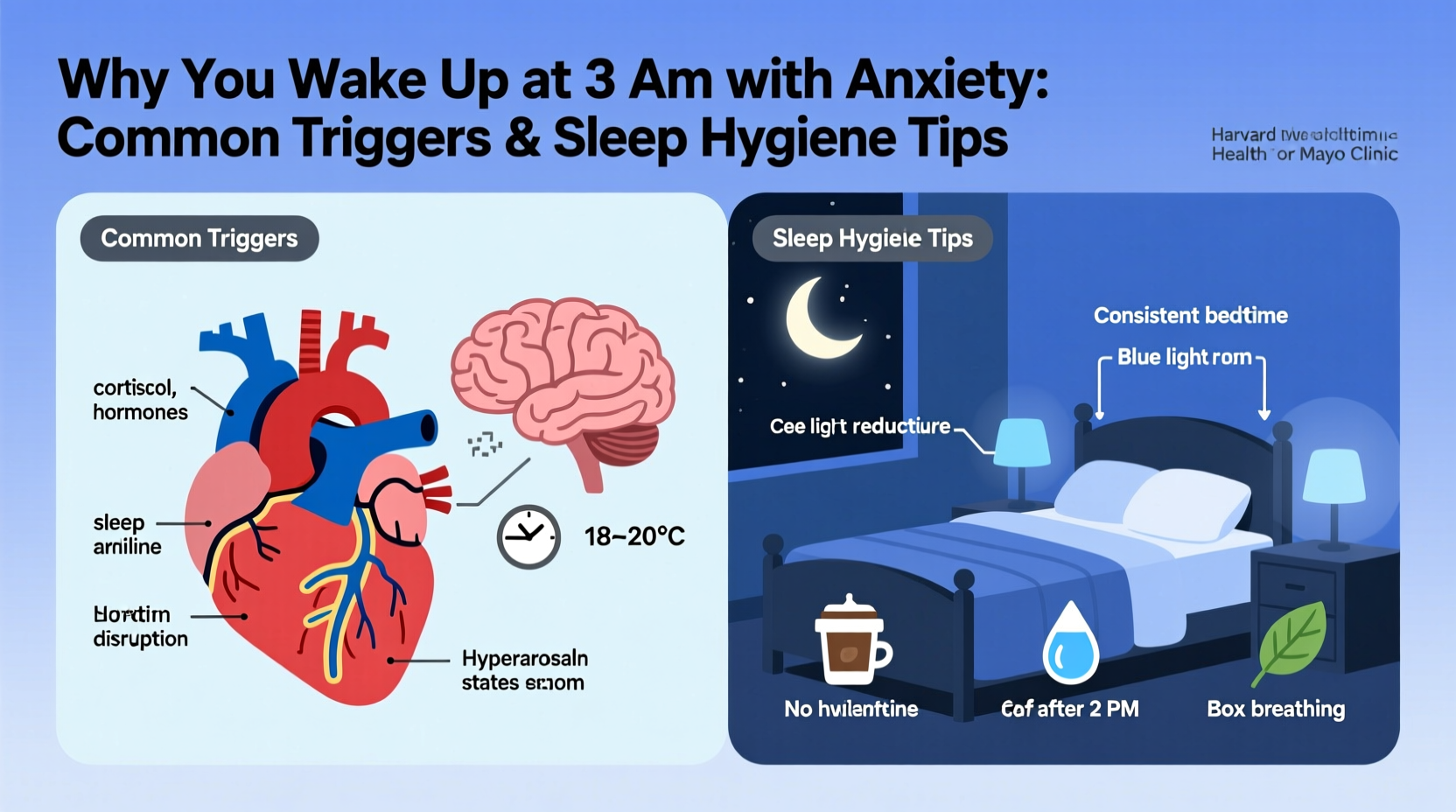
The human sleep cycle operates in roughly 90-minute stages, cycling through light sleep, deep sleep, and REM (rapid eye movement) sleep. Around 3 a.m., most people are entering or exiting a REM phase, which is associated with heightened brain activity, vivid dreaming, and emotional processing. During this time, cortisol—a stress hormone—begins its natural rise in preparation for waking. In individuals with anxiety, this biological shift can trigger a cascade of mental and physical reactions.
Dr. Rebecca Turner, a clinical sleep psychologist, explains:
“Between 2 and 4 a.m., cortisol levels start increasing as part of the circadian rhythm. For someone with an overactive stress response, this internal signal can misfire, pulling them out of sleep with a sense of dread—even if there’s no immediate threat.”
This phenomenon is sometimes referred to as “terminal insomnia” or “early morning awakening,” and it’s closely linked to generalized anxiety disorder (GAD), panic disorder, and chronic stress. Unlike difficulty falling asleep, waking at 3 a.m. often reflects dysregulation in the nervous system’s ability to transition smoothly between sleep phases.
Common Triggers of 3 a.m. Anxiety Episodes
While individual experiences vary, several recurring factors contribute to nocturnal anxiety awakenings. Identifying these can help pinpoint root causes rather than treating symptoms alone.
- Hypervigilance from chronic stress: Prolonged exposure to stress keeps the sympathetic nervous system on high alert. Even during sleep, the brain remains partially active, scanning for threats.
- Unresolved daytime worries: Lingering concerns about work, relationships, or finances often resurface during quiet nighttime hours when distractions fade.
- Caffeine and stimulant use: Consuming caffeine after noon can disrupt deep sleep architecture, increasing the likelihood of mid-cycle arousal.
- Blood sugar fluctuations: Going to bed with low blood sugar—or consuming high-sugar snacks before bed—can trigger adrenaline release overnight, mimicking anxiety symptoms.
- Sleep apnea or breathing irregularities: Undiagnosed obstructive sleep apnea causes micro-awakenings due to oxygen drops, often interpreted by the brain as panic.
- Blue light exposure before bedtime: Screens suppress melatonin production, delaying sleep onset and fragmenting later cycles.
- Medications or supplements: Some antidepressants, decongestants, or even multivitamins containing B-complex can stimulate neural activity at night.
Sleep Hygiene Strategies to Prevent Nocturnal Anxiety
Improving sleep hygiene isn’t about perfection—it’s about creating consistent conditions that support restorative rest. These evidence-based practices target both environmental and behavioral factors influencing sleep quality.
1. Establish a Wind-Down Routine
Begin preparing your mind and body for sleep 60–90 minutes before bedtime. This signals the parasympathetic nervous system to shift into “rest and digest” mode. Activities might include reading (non-digital), gentle stretching, journaling, or listening to calming music.
2. Limit Cognitive Load Before Bed
Avoid mentally demanding tasks such as paying bills, checking emails, or engaging in intense conversations. Instead, practice “worry time” earlier in the evening—set aside 15 minutes to write down concerns and possible solutions, then close the notebook symbolically.
3. Optimize Your Sleep Environment
Your bedroom should be cool (around 65°F/18°C), dark, and quiet. Use blackout curtains, white noise machines, or earplugs if needed. Remove visible clocks to reduce time-checking anxiety.
4. Regulate Light Exposure
Get bright natural light within 30 minutes of waking to anchor your circadian rhythm. Avoid blue light from phones, tablets, and TVs at least one hour before bed. Consider using amber-tinted glasses in the evening if screen use is unavoidable.
5. Manage Diet and Hydration Timing
Eat dinner at least three hours before bedtime. Avoid alcohol, heavy meals, and sugary snacks late at night. Stay hydrated during the day but taper fluid intake two hours before sleep to minimize bathroom trips.
| Sleep Habit | Do | Avoid |
|---|---|---|
| Evening routine | Warm bath, herbal tea, gratitude journal | Work, arguments, social media scrolling |
| Nighttime snacks | Small protein-carb combo (e.g., banana with almond butter) | Sugary desserts, spicy foods, large portions |
| Bedroom setup | Cool temp, comfortable bedding, no electronics | Tv, laptops, clutter, visible clock faces |
| Wake-up consistency | Same time every day, even weekends | Snoozing, irregular sleep schedule |
Step-by-Step Guide to Calm Nighttime Anxiety
If you wake at 3 a.m. feeling anxious, reacting impulsively can reinforce the fear of sleep. Follow this structured approach to regain control without fully waking your mind.
- Stay in bed and avoid checking the time. Turn your clock away or cover it. Knowing the exact hour increases pressure to fall back asleep, worsening anxiety.
- Practice diaphragmatic breathing. Inhale slowly through your nose for four counts, hold for four, exhale through your mouth for six. Repeat for five minutes. This activates the vagus nerve, reducing heart rate and calming the nervous system.
- Use grounding visualization. Imagine lying on a beach at dusk, waves gently rolling in. Focus on sensory details: the sound of water, cool sand under your feet, the scent of salt air. Redirect racing thoughts with vivid imagery.
- Label thoughts without judgment. Acknowledge anxious thoughts as “mental noise,” not truths. Say silently: “This is my brain trying to protect me. I don’t need to act on it now.”
- Only get up if necessary. If you’re still awake after 20 minutes, move to another room. Sit quietly with dim lighting and engage in a non-stimulating activity like folding laundry or reading a printed book. Return to bed only when sleepy.
Real-Life Example: Sarah’s Journey Back to Restful Sleep
Sarah, a 34-year-old project manager, began waking at 3 a.m. three times a week, overwhelmed by fears about job performance and financial stability. She would lie awake for hours, her mind spiraling into worst-case scenarios. Over time, she developed a habit of checking work emails during these episodes, reinforcing the association between nighttime and urgency.
After consulting a sleep therapist, Sarah implemented a structured wind-down routine: no screens after 9 p.m., daily journaling, and a consistent 10:30 p.m. bedtime. She also replaced late-night coffee with chamomile tea and started practicing box breathing when she woke up anxious. Within six weeks, her nighttime awakenings dropped to once a week. More importantly, she reported feeling less emotionally reactive during the day.
“It wasn’t one big change,” Sarah said. “It was removing the little things that were keeping my brain on edge all night.”
Expert Insight: The Role of Cognitive Behavioral Therapy for Insomnia (CBT-I)
For persistent 3 a.m. anxiety, CBT-I has emerged as the gold standard treatment. Unlike medication, it addresses the underlying thought patterns and behaviors fueling sleep disruption.
“CBT-I helps patients reframe their relationship with sleep. Instead of viewing it as something they must force, they learn to trust their body’s natural rhythms.” — Dr. Alan Foster, Sleep Medicine Specialist
Core components include stimulus control (using bed only for sleep), sleep restriction (temporarily limiting time in bed to increase sleep efficiency), and cognitive restructuring (challenging unhelpful beliefs like ‘I’ll never sleep again’). Studies show that 70–80% of patients with chronic insomnia experience significant improvement after completing a CBT-I program.
Frequently Asked Questions
Is waking up at 3 a.m. a sign of depression?
Early morning awakening is a recognized symptom of major depressive disorder, especially when accompanied by low mood, fatigue, and loss of interest. However, it can also occur independently due to anxiety or stress. If this pattern persists for more than two weeks along with other depressive symptoms, consult a healthcare provider.
Can diet really affect nighttime anxiety?
Yes. Skipping dinner, consuming too much sugar, or drinking alcohol can all destabilize blood sugar and neurotransmitter balance overnight. Low magnesium or vitamin D levels may also contribute to nervous system hyperactivity. A balanced diet rich in whole grains, leafy greens, and lean proteins supports stable sleep regulation.
Should I take melatonin if I wake up at 3 a.m.?
Melatonin is most effective for regulating sleep onset, not maintaining sleep. Taking it mid-cycle may not help and could lead to grogginess. If considering supplementation, consult a doctor first. Time-release formulations may be more suitable for sleep maintenance issues.
Checklist: Your 7-Day Plan to Reduce 3 a.m. Anxiety
Implement these steps over one week to build momentum toward better sleep:
- ✅ Set a fixed wake-up time (even on weekends)
- ✅ Stop caffeine after 12 p.m.
- ✅ Begin a nightly wind-down ritual (reading, stretching, etc.)
- ✅ Remove electronic devices from the bedroom
- ✅ Practice deep breathing for 5 minutes before bed
- ✅ Write down worries in a journal each evening
- ✅ Assess your mattress and pillow comfort; replace if over 7 years old
Conclusion: Reclaim Your Nights and Restore Your Peace
Waking up at 3 a.m. with anxiety doesn’t have to become your normal. While the experience feels isolating, it’s rooted in identifiable biological and psychological mechanisms—many of which are modifiable with intention and consistency. By addressing lifestyle habits, managing cognitive patterns, and creating a sleep-supportive environment, you can break the cycle of nocturnal distress.
Sleep is not a luxury; it’s the foundation of mental resilience. Every small adjustment you make compounds over time, leading to deeper rest, clearer thinking, and greater emotional balance. Start tonight—not with perfection, but with awareness. Your future self will thank you for the peace you choose now.




 浙公网安备
33010002000092号
浙公网安备
33010002000092号 浙B2-20120091-4
Comments
No comments yet. Why don't you start the discussion?