
Sleeping eight hours per night is often cited as the gold standard for rest. Yet, millions of people follow this rule diligently and still wake up feeling groggy, drained, or mentally foggy. If you're logging sufficient time in bed but not waking up refreshed, the issue likely isn't duration—it's quality. Sleep quality determines how restored your body and mind feel upon waking. Poor sleep architecture, lifestyle habits, and undiagnosed conditions can all sabotage rest, even if the clock says you’ve had enough.
This article explores the common reasons behind persistent fatigue despite adequate sleep duration and provides actionable, evidence-based strategies to enhance your sleep quality for lasting energy, sharper focus, and improved well-being.
The Myth of the 8-Hour Rule
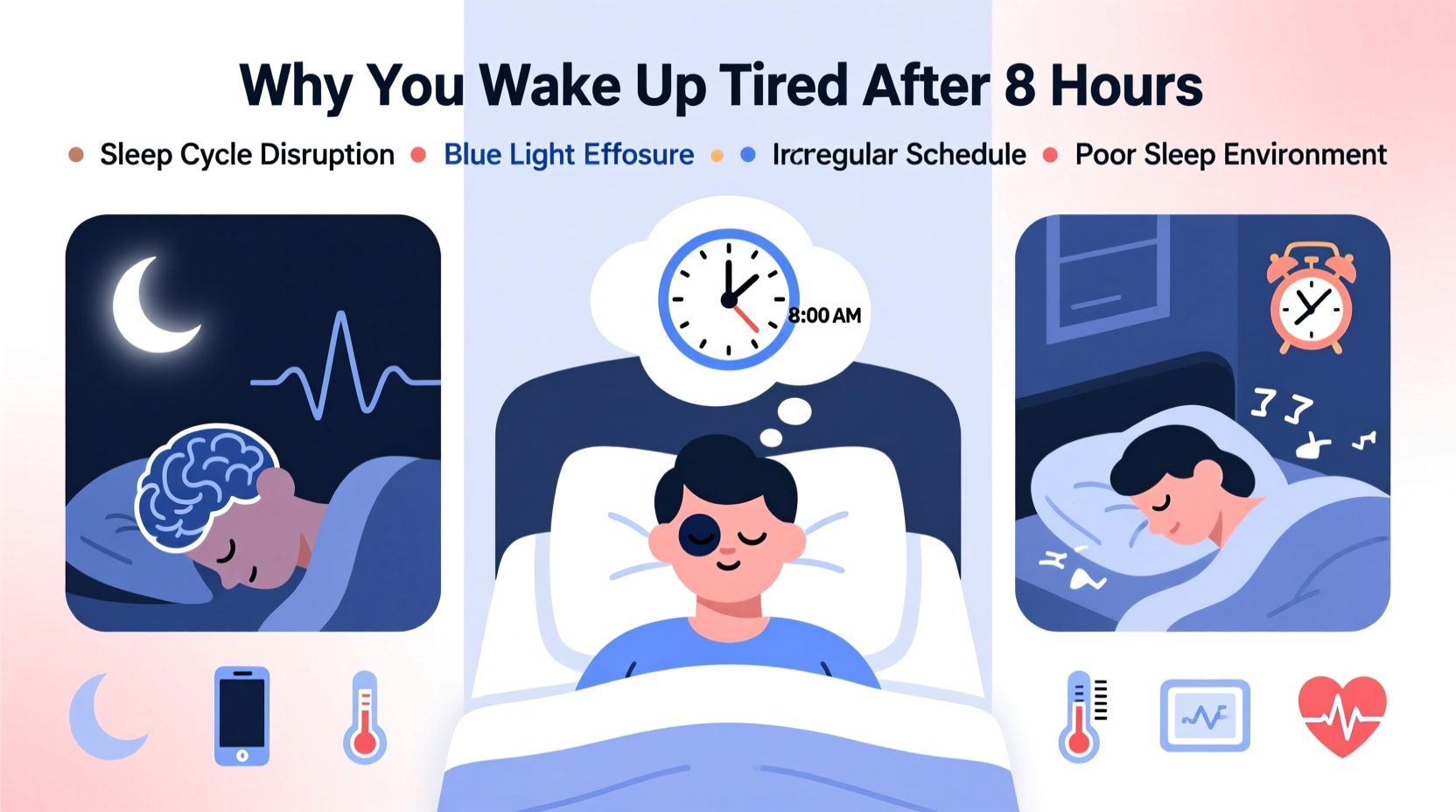
While eight hours is a helpful benchmark, it’s not a one-size-fits-all solution. Individual sleep needs vary based on age, genetics, activity level, and health status. More importantly, uninterrupted, high-quality sleep matters far more than simply lying in bed for eight hours. During sleep, your brain cycles through stages: light sleep, deep sleep, and REM (rapid eye movement) sleep. Each stage plays a critical role in physical recovery, memory consolidation, and emotional regulation.
If these cycles are disrupted—by noise, stress, breathing issues, or poor sleep hygiene—you may spend less time in restorative deep and REM sleep, even with a full night’s duration. As Dr. Matthew Walker, neuroscientist and author of *Why We Sleep*, explains:
“Sleep is not a uniform state. It’s a carefully orchestrated sequence of stages, each serving distinct functions. Missing deep sleep is like skipping the most vital chapters of a book.” — Dr. Matthew Walker, Neuroscientist and Sleep Researcher
In other words, quantity doesn’t guarantee quality. You could be asleep for eight hours but only get 30 minutes of deep sleep—far below the recommended 1–2 hours for adults.
Common Reasons You Wake Up Tired Despite 8 Hours
- Sleep Apnea: A disorder where breathing repeatedly stops and starts during sleep, causing micro-awakenings that fragment deep sleep. Often goes undiagnosed.
- Poor Sleep Hygiene: Exposure to blue light before bed, irregular sleep schedules, or using the bedroom for work can disrupt circadian rhythms.
- Stress and Anxiety: Elevated cortisol levels interfere with falling and staying asleep, reducing time spent in restorative phases.
- Diet and Alcohol: Heavy meals late at night or alcohol consumption can impair sleep continuity and suppress REM sleep.
- Underlying Health Conditions: Anemia, thyroid disorders, depression, or chronic pain can contribute to non-restorative sleep.
- Medications: Certain antidepressants, blood pressure drugs, or stimulants may interfere with sleep architecture.
- Light and Noise Pollution: Even low-level disturbances can prevent deep sleep without fully waking you.
7 Science-Backed Tips to Improve Sleep Quality
1. Optimize Your Sleep Environment
Your bedroom should signal safety and relaxation to your brain. Keep it cool (60–67°F), dark, and quiet. Use blackout curtains, earplugs, or a white noise machine if needed. Reserve the bed for sleep and intimacy only—no screens, work, or eating.
2. Stick to a Consistent Sleep Schedule
Going to bed and waking up at the same time every day—even on weekends—helps regulate your internal clock. This consistency strengthens circadian rhythm, making it easier to fall asleep and wake up naturally.
3. Limit Blue Light Exposure After Sunset
Blue light from phones, tablets, and computers suppresses melatonin, the hormone that signals sleep. Avoid screens at least one hour before bedtime. Use blue light filters or switch to reading a physical book under warm lighting.
4. Practice a Wind-Down Routine
Create a 30–60 minute pre-sleep ritual: gentle stretching, meditation, journaling, or deep breathing. This signals your nervous system to shift from “alert” to “rest.”
5. Watch What You Eat and Drink
Avoid caffeine after 2 p.m., heavy meals within three hours of bedtime, and alcohol, which may help you fall asleep faster but disrupts second-half sleep. Instead, opt for sleep-supportive snacks like bananas, almonds, or chamomile tea.
6. Exercise Regularly—but Not Too Late
Physical activity improves sleep depth and duration. However, intense workouts within three hours of bedtime can raise core body temperature and delay sleep onset. Morning or afternoon exercise is ideal.
7. Address Mental Load Before Bed
Worry and racing thoughts are major sleep disruptors. Try writing down your concerns or tomorrow’s to-do list 30 minutes before bed. This “brain dump” reduces cognitive arousal and helps clear mental clutter.
Sleep Quality Checklist: Daily Habits for Better Rest
Use this checklist to build sustainable routines that support deeper, more restorative sleep:
- ✅ Go to bed and wake up at the same time daily
- ✅ Turn off screens 60 minutes before sleep
- ✅ Keep bedroom cool, dark, and quiet
- ✅ Avoid caffeine after 2 p.m.
- ✅ Limit alcohol, especially before bedtime
- ✅ Eat dinner at least 3 hours before sleeping
- ✅ Engage in a relaxing pre-sleep routine
- ✅ Get at least 30 minutes of daylight exposure in the morning
- ✅ Exercise regularly, but not too close to bedtime
- ✅ Write down worries or tasks before bed
Do’s and Don’ts of Sleep Hygiene
| Do | Don’t |
|---|---|
| Keep a consistent sleep schedule | Stay in bed if you can’t sleep after 20 minutes |
| Use your bedroom only for sleep and intimacy | Use phones, laptops, or TVs in bed |
| Expose yourself to natural light in the morning | Sleep in a hot or noisy room |
| Practice relaxation techniques before bed | Consume caffeine or large meals late in the day |
| Get regular physical activity | Rely on sleeping pills long-term without medical guidance |
Real-Life Example: Sarah’s Journey to Better Sleep
Sarah, a 38-year-old marketing manager, consistently slept seven to eight hours but woke up exhausted every morning. She attributed it to stress but noticed no improvement despite taking time off. After tracking her sleep with a wearable device, she discovered she was spending only 45 minutes in deep sleep—well below the recommended range. Her REM sleep was also fragmented.
She reviewed her habits: scrolling social media in bed, drinking coffee after lunch, and working from her bedroom. With small changes—establishing a screen curfew, switching to decaf after noon, and moving her desk to another room—her deep sleep increased to 90 minutes within two weeks. Within a month, she reported feeling alert upon waking and sustained energy throughout the day.
Sarah’s case illustrates that subtle environmental and behavioral shifts can dramatically improve sleep quality, even without changing total sleep time.
When to Seek Medical Help
If you’ve optimized your sleep habits and still wake up fatigued, it may be time to consult a healthcare provider. Chronic fatigue despite adequate sleep could indicate an underlying condition such as:
- Sleep apnea
- Insomnia disorder
- Restless legs syndrome
- Hormonal imbalances (e.g., hypothyroidism)
- Depression or anxiety disorders
A sleep study (polysomnography) can identify disruptions in breathing, limb movements, or abnormal brain activity during sleep. Treating conditions like sleep apnea with CPAP therapy often leads to immediate improvements in daytime energy.
Frequently Asked Questions
Can I make up for poor sleep with extra hours on the weekend?
Catching up on sleep can temporarily reduce sleep debt, but it doesn’t fully restore cognitive function or metabolic health. Irregular sleep patterns also disrupt circadian rhythms, potentially worsening fatigue. Consistency is more effective than compensation.
Does napping affect nighttime sleep quality?
Short naps (10–20 minutes) early in the afternoon can boost alertness without interfering with nighttime sleep. However, long or late naps (after 4 p.m.) may reduce sleep drive, making it harder to fall asleep at night.
How long does it take to see improvements in sleep quality?
Many people notice subtle changes within 3–5 days of implementing better sleep hygiene. Significant improvements in deep sleep and morning energy typically emerge within 2–4 weeks of consistent practice.
Conclusion: Prioritize Quality Over Quantity
Waking up tired despite eight hours of sleep is a clear sign that something is disrupting your restorative processes. While sleep duration matters, it’s the quality—the depth, continuity, and timing of your sleep cycles—that truly determines how refreshed you feel. By addressing lifestyle factors, optimizing your environment, and recognizing when to seek professional help, you can transform your sleep from merely long to genuinely restorative.
Start tonight. Dim the lights, put your phone away, and commit to one small change. Over time, these habits compound into deeper sleep, sharper thinking, and sustained energy. Your body repairs itself while you sleep—make sure it has the right conditions to do so.




 浙公网安备
33010002000092号
浙公网安备
33010002000092号 浙B2-20120091-4
Comments
No comments yet. Why don't you start the discussion?