
You go to bed at a reasonable hour. You log a solid eight hours—sometimes even nine. Yet, when the alarm rings, you feel like you’ve been hit by a truck. Dragging yourself out of bed, eyes heavy, mind foggy, body sluggish. If this sounds familiar, you're not alone. Millions report feeling exhausted despite meeting the \"recommended\" sleep duration. The assumption that eight hours equals quality rest is one of the most persistent myths in modern wellness culture. But sleep isn’t just about quantity—it’s about quality, timing, physiology, and lifestyle. Let’s dismantle the myths, explore the real reasons behind morning fatigue, and uncover what actually matters for waking up refreshed.
The Eight-Hour Myth: Quantity vs. Quality
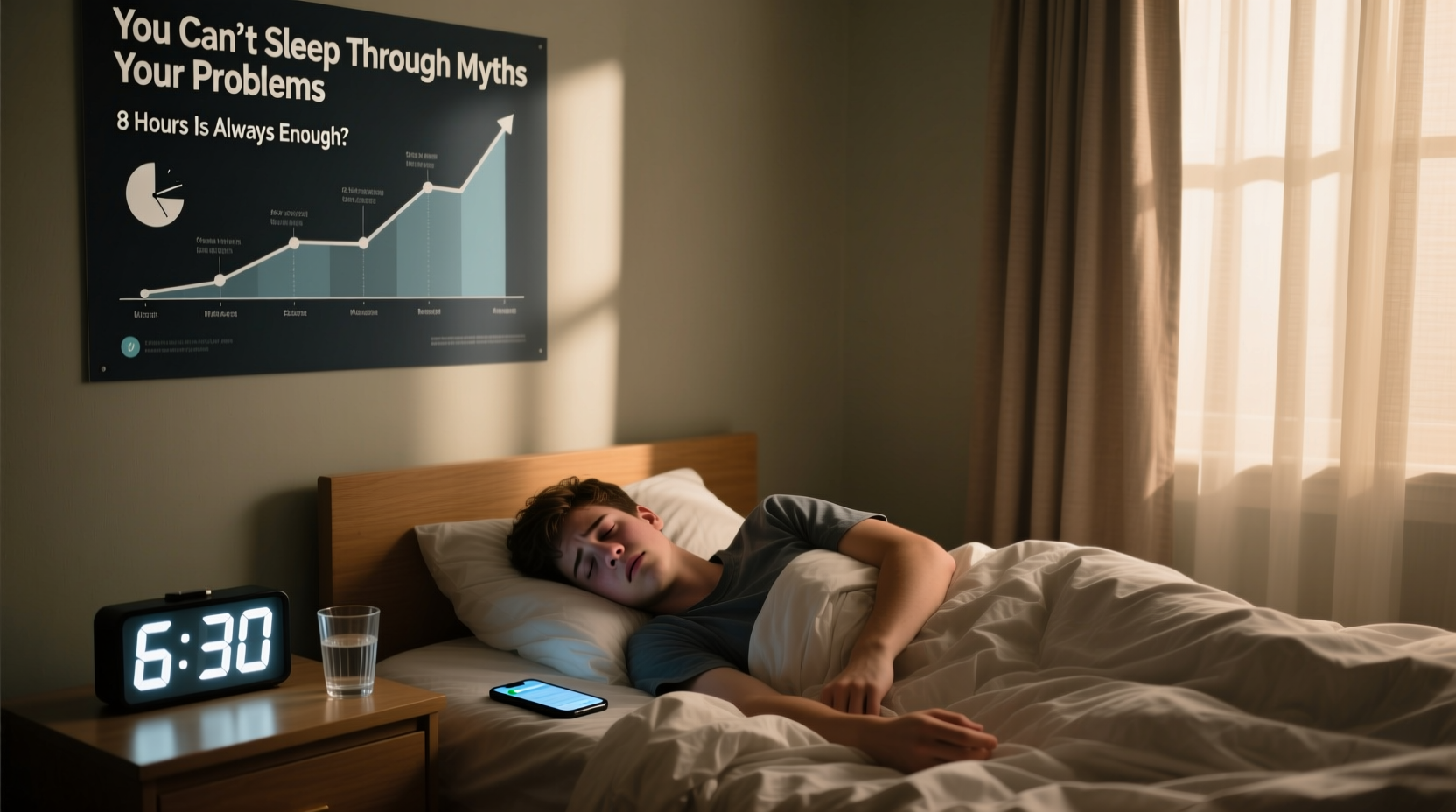
The idea that everyone needs exactly eight hours of sleep originated from population-based averages, not individual biology. While the National Sleep Foundation recommends 7–9 hours for adults, optimal sleep varies by person, age, genetics, and health status. More importantly, uninterrupted time in bed doesn’t guarantee restorative rest. You could spend nine hours in bed but only get five hours of deep, restful sleep due to disruptions, poor sleep architecture, or undiagnosed conditions.
Sleep occurs in cycles—typically lasting 90 minutes—comprising light sleep, deep sleep (slow-wave), and REM (rapid eye movement) stages. Each phase plays a unique role: deep sleep repairs tissues and strengthens immunity; REM supports memory consolidation and emotional regulation. Waking up mid-cycle, especially during deep sleep, can leave you groggy—a phenomenon known as sleep inertia.
Common Causes of Morning Fatigue Despite Long Sleep
Feeling tired after sufficient sleep often points to underlying issues that interfere with sleep continuity or depth. Here are the most frequent culprits:
- Sleep Apnea: A disorder where breathing repeatedly stops and starts during sleep. Obstructive sleep apnea (OSA) causes micro-awakenings that fragment sleep, preventing progression into restorative stages—even if you don’t fully wake up.
- Poor Sleep Hygiene: Late-night screen use, irregular schedules, caffeine consumption after noon, and stimulating activities before bed disrupt melatonin release and delay sleep onset.
- Circadian Rhythm Misalignment: Your internal clock regulates alertness and drowsiness. Shift work, jet lag, or social jet lag (going to bed late on weekends) desynchronizes this rhythm, impairing sleep efficiency.
- Nutritional Deficiencies: Low iron (leading to anemia), vitamin D, B12, or magnesium can contribute to fatigue regardless of sleep duration.
- Chronic Stress and Anxiety: Elevated cortisol levels interfere with both falling asleep and staying in deep sleep. Even if you sleep long, stress keeps your nervous system in a semi-alert state.
- Medications: Antidepressants, antihistamines, blood pressure drugs, and others may cause drowsiness or disrupt sleep architecture.
- Underlying Health Conditions: Hypothyroidism, diabetes, chronic fatigue syndrome, and autoimmune disorders often present with unexplained fatigue.
“Eight hours of broken, shallow sleep is less restorative than six hours of continuous, high-quality sleep.” — Dr. Rebecca Stern, Sleep Neurologist, Harvard Medical School
Sleep Quality Myths That Keep You Tired
Well-meaning advice often spreads misinformation. These myths prevent people from addressing the root causes of fatigue:
Myth 1: “If I Stay in Bed Longer, I’ll Catch Up on Rest”
Compensating for poor nights with extended time in bed often backfires. It reduces sleep pressure (the drive to sleep), leading to fragmented or lighter sleep. Oversleeping is linked to increased inflammation, insulin resistance, and even higher mortality risk.
Myth 2: “Snoring Is Normal”
While common, loud or chronic snoring isn’t harmless. It’s a red flag for obstructive sleep apnea, which affects over 25 million Americans. Untreated OSA increases risks for hypertension, stroke, and daytime exhaustion.
Myth 3: “I’ll Sleep Better If I Drink Alcohol Before Bed”
Alcohol may help you fall asleep faster, but it suppresses REM sleep and causes rebound awakenings in the second half of the night. This leads to non-restorative sleep and next-day fatigue.
Myth 4: “As Long as I’m Lying Down, It Counts as Sleep”
No. Time spent tossing and turning or in light, non-REM stages doesn’t offer the same recovery as deep or REM sleep. Sleep efficiency—the percentage of time in bed actually spent sleeping—should ideally exceed 85%.
Myth 5: “Everyone Should Go to Bed by 10 PM”
Chronotypes vary. Some people are genetically wired to be night owls. Forcing early bedtimes against your natural rhythm leads to insomnia-like symptoms and reduced sleep quality.
Step-by-Step Guide to Diagnose and Improve Sleep Quality
If you’re consistently tired despite adequate sleep, take these steps to identify and address the cause:
- Track Your Sleep Patterns: Use a journal or wearable device for two weeks. Note bedtime, wake time, perceived sleep quality, awakenings, and morning energy levels.
- Assess for Sleep Apnea Symptoms: Look for loud snoring, gasping at night, dry mouth upon waking, and excessive daytime sleepiness. Take the Epworth Sleepiness Scale quiz online.
- Optimize Your Sleep Environment: Ensure your bedroom is cool (60–67°F), dark, and quiet. Use blackout curtains, white noise machines, and remove electronics.
- Establish a Wind-Down Routine: Begin 60 minutes before bed. Avoid screens, practice relaxation techniques (deep breathing, meditation), and engage in calming activities like reading.
- Limit Stimulants and Alcohol: Cut off caffeine after 2 PM and avoid alcohol within three hours of bedtime.
- Check Blood Work: Ask your doctor to test for iron/ferritin, vitamin D, B12, TSH (thyroid), and glucose levels.
- Consult a Sleep Specialist: If fatigue persists, consider a sleep study (polysomnography) to evaluate for apnea, restless legs, or other disorders.
Real-Life Example: Sarah’s Story
Sarah, a 38-year-old project manager, consistently slept 8.5 hours per night. Yet she woke up exhausted, relying on three cups of coffee to function. She assumed her fatigue was due to stress. After months of low energy affecting her work and mood, she tracked her sleep using a smartwatch. The data revealed frequent nighttime awakenings and very low REM sleep. Her partner mentioned she snored loudly and sometimes stopped breathing. A sleep study confirmed moderate obstructive sleep apnea. With CPAP therapy, Sarah began waking up refreshed within two weeks. Her energy improved, brain fog lifted, and she reduced caffeine intake significantly.
Sarah’s case illustrates how objective data can reveal hidden issues that subjective feelings miss. She wasn’t lazy or stressed—she was physiologically deprived of restorative sleep.
Do’s and Don’ts of Improving Sleep Quality
| Do | Don’t |
|---|---|
| Maintain a consistent sleep schedule—even on weekends | Drastically change bed/wake times day to day |
| Expose yourself to bright light in the morning | Use phones or tablets right before bed |
| Exercise regularly—but not within 3 hours of bedtime | Work out intensely late at night |
| Keep your bedroom exclusively for sleep and intimacy | Watch TV, work, or eat in bed |
| Seek medical evaluation for persistent fatigue | Self-diagnose or ignore symptoms |
Essential Checklist for Better Morning Energy
Use this checklist to systematically improve your chances of waking up refreshed:
- ☑ Track sleep duration and quality for 14 days
- ☑ Eliminate screens 60 minutes before bed
- ☑ Set thermostat between 60–67°F (15–19°C)
- ☑ Stop caffeine after 2 PM
- ☑ Avoid alcohol within 3 hours of bedtime
- ☑ Establish a nightly wind-down routine
- ☑ Get morning sunlight exposure within 30 minutes of waking
- ☑ Consult doctor if fatigue persists—request key blood tests
- ☑ Consider a sleep study if snoring, gasping, or daytime sleepiness occur
Frequently Asked Questions
Can poor sleep quality affect mental health?
Absolutely. Chronic poor sleep is strongly linked to anxiety, depression, and emotional instability. REM sleep, in particular, helps regulate mood. Disrupted sleep alters neurotransmitter balance and increases amygdala reactivity—your brain’s fear center—making you more reactive to stress.
Is it possible to be a “short sleeper” and still be healthy?
Yes, but it's rare. About 1–3% of people have a genetic mutation (DEC2) allowing them to thrive on 4–6 hours of sleep without adverse effects. Most people who claim to be short sleepers are chronically sleep-deprived and unaware of their cognitive decline. True short sleepers wake up alert and maintain energy without stimulants.
Why do I wake up at the same time every night?
Waking up consistently around 2–4 AM may indicate stress-related cortisol spikes, low blood sugar, or liver congestion according to integrative medicine models. From a physiological standpoint, this period aligns with lighter sleep stages in the second half of the night, making awakenings more likely if stress hormones rise or the bladder fills.
Conclusion: Rethink What “Good Sleep” Really Means
Waking up tired despite eight hours of sleep isn’t normal—and it’s not something you should just accept. The number on the clock is only one piece of the puzzle. True restorative sleep depends on uninterrupted cycles, proper alignment with your circadian rhythm, and freedom from medical or environmental disruptions. By questioning the myths, tracking your patterns, and taking targeted action, you can transform your mornings from a struggle into a source of energy and clarity.




 浙公网安备
33010002000092号
浙公网安备
33010002000092号 浙B2-20120091-4
Comments
No comments yet. Why don't you start the discussion?