
You've set your alarm, gone to bed early, and logged a solid eight hours. Yet when the morning comes, you're dragging yourself out of bed like you barely slept at all. You're not alone. Millions of people report feeling unrested despite hitting the recommended sleep duration. The truth is, sleep quality matters far more than quantity. Eight hours of broken, shallow, or poorly timed rest won't leave you refreshed — no matter how precise your bedtime routine appears.
Understanding why you wake up tired involves looking beyond the clock. It requires examining sleep cycles, lifestyle habits, health conditions, and environmental factors that influence how deeply and effectively you rest. This article explores the most common—and often overlooked—reasons behind unrefreshing sleep, backed by sleep science and expert insights.
Sleep Isn’t Just About Duration: The Role of Sleep Architecture
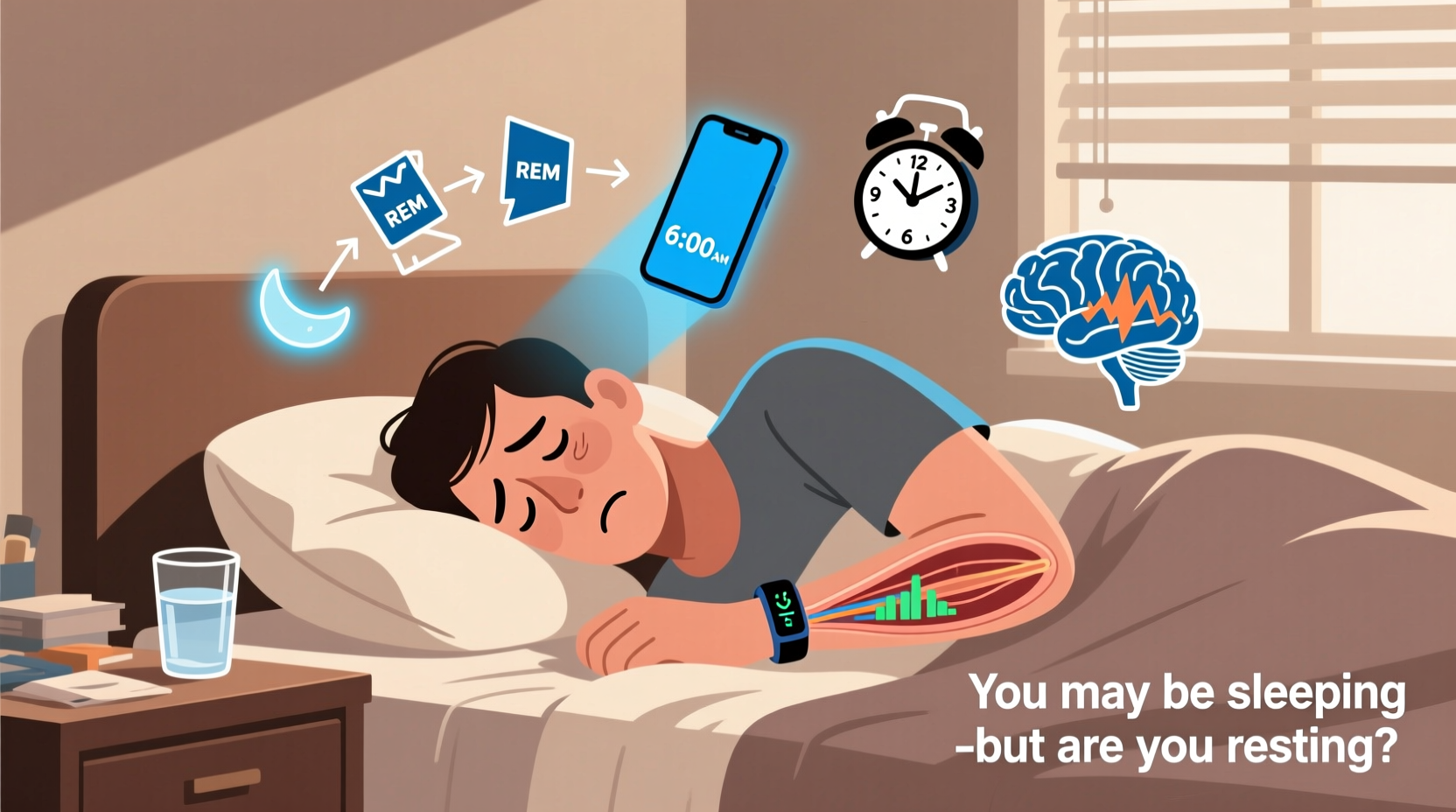
Your night isn’t just a long stretch of unconsciousness. It’s an orchestrated sequence of stages known as sleep architecture. A full sleep cycle lasts about 90 minutes and includes four distinct phases:
- N1 (Light Sleep): The transition from wakefulness to sleep. Easily disrupted.
- N2 (Deeper Light Sleep): Body temperature drops, heart rate slows. This stage makes up nearly half of total sleep.
- N3 (Slow-Wave Sleep): Also called deep sleep. Critical for physical recovery, immune function, and memory consolidation.
- REM Sleep: Rapid Eye Movement phase. Associated with dreaming, emotional regulation, and cognitive processing.
A healthy night includes multiple cycles, each progressing through these stages. If your sleep is fragmented—by noise, stress, or medical conditions—you may miss out on sufficient N3 and REM sleep, even if you’re in bed for eight hours.
Common Causes of Unrefreshing Sleep
Several interrelated factors can sabotage sleep quality. Below are the most frequent culprits behind waking up exhausted despite adequate time in bed.
1. Sleep Apnea and Breathing Disorders
Obstructive sleep apnea (OSA) causes repeated pauses in breathing during sleep due to airway blockage. These interruptions may happen dozens—or even hundreds—of times per night, often without full awakening. However, they prevent sustained deep sleep and reduce blood oxygen levels.
Symptoms include loud snoring, gasping at night, dry mouth upon waking, and excessive daytime fatigue. Many people with OSA don’t realize they have it until a partner notices their breathing issues.
“Patients often come in saying they sleep eight hours but feel like they’ve been hit by a truck. When we test them, we find severe sleep fragmentation due to undiagnosed apnea.” — Dr. Lena Patel, Board-Certified Sleep Specialist
2. Poor Sleep Hygiene
Your daily habits shape your ability to fall and stay asleep. Common hygiene missteps include:
- Using screens (phones, laptops) within one hour of bedtime
- Consuming caffeine after 2 p.m.
- Inconsistent sleep schedules (even on weekends)
- Exercising too close to bedtime
- Sleeping in a warm, noisy, or brightly lit room
These behaviors disrupt melatonin release and delay sleep onset, reducing time spent in restorative stages.
3. Stress and Hyperarousal
Mental hyperarousal — a state of heightened alertness — is a leading cause of non-restorative sleep. Chronic stress, anxiety, or rumination keeps the nervous system active, making it difficult to enter deep sleep.
Even if you appear to be sleeping, your brain may remain partially alert, processing worries instead of resting. This leads to lighter, less refreshing sleep.
4. Circadian Rhythm Disruption
Your internal body clock regulates when you feel sleepy and awake. Shift work, jet lag, or late-night screen use can throw this rhythm off balance. When your circadian timing doesn’t align with your sleep schedule, you may sleep for eight hours but at suboptimal times — such as during natural alertness peaks.
For example, someone who works night shifts may sleep during daylight hours, when cortisol levels rise and light exposure increases — both signals that suppress melatonin and impair sleep depth.
5. Underlying Medical Conditions
Certain health issues contribute directly to poor sleep quality:
- Anemia: Low iron reduces oxygen transport, leading to fatigue.
- Hypothyroidism: Slows metabolism and causes persistent tiredness.
- Chronic pain: Arthritis, fibromyalgia, or back pain can fragment sleep.
- Diabetes: Blood sugar fluctuations can disrupt sleep cycles.
- Depression and anxiety: Linked to early morning awakenings and reduced REM latency.
If fatigue persists despite good sleep habits, a medical evaluation is essential.
Environmental and Lifestyle Factors That Sabotage Rest
Even with perfect intentions, your environment might be working against you. Consider these often-overlooked influences:
| Factor | Impact on Sleep | Solution |
|---|---|---|
| Room Temperature >72°F (22°C) | Impairs deep sleep onset | Cool bedroom to 65–68°F (18–20°C) |
| Blue light exposure before bed | Suppresses melatonin by up to 50% | Use blue light filters or avoid screens 90 min pre-sleep |
| Noise pollution (traffic, snoring) | Causes micro-arousals | Try earplugs or white noise machines |
| Alcohol consumption before bed | Disrupts second-half REM sleep | Avoid alcohol within 3 hours of bedtime |
| Uncomfortable mattress or pillow | Leads to physical discomfort and movement | Replace every 7–10 years; choose support based on sleep position |
Step-by-Step Guide to Improve Sleep Quality
Fixing unrefreshing sleep takes consistency and attention to detail. Follow this seven-day reset plan to begin restoring restorative rest.
- Day 1: Audit Your Current Routine
Track your bedtime, wake time, caffeine intake, screen use, and how you feel upon waking. Note any snoring or nighttime awakenings. - Day 2: Optimize Your Sleep Environment
Set thermostat to 65–68°F, blackout windows, remove electronics, and invest in comfortable bedding. - Day 3: Establish a Wind-Down Ritual
Begin 60 minutes before bed: dim lights, read a book, practice gentle stretching or meditation. Avoid stimulating conversations or tasks. - Day 4: Eliminate Evening Stimulants
Cut off caffeine by 2 p.m., avoid large meals after 7 p.m., and stop alcohol consumption at least three hours before bed. - Day 5: Sync with Natural Light
Get 15–30 minutes of morning sunlight within one hour of waking. This reinforces circadian rhythm and improves nighttime sleep drive. - Day 6: Test a Consistent Schedule
Go to bed and wake up at the same time every day — yes, even weekends. Aim for a schedule that allows 7.5–8 hours of potential sleep. - Day 7: Evaluate and Adjust
Review your notes. Did you feel more rested? Are there lingering issues? Consider using a wearable sleep tracker to assess changes in deep and REM sleep.
Mini Case Study: From Exhausted to Energized
Mark, a 42-year-old software engineer, consistently slept eight hours but woke up groggy and reliant on coffee to function. He rarely felt fully awake before noon. After tracking his sleep with a wearable device, he discovered his deep sleep averaged only 38 minutes per night — well below the recommended 60–90 minutes.
Further investigation revealed two key issues: undiagnosed mild sleep apnea and a habit of watching TV in bed until midnight. Mark began using a CPAP machine and established a screen-free wind-down routine. Within three weeks, his deep sleep increased to 72 minutes, and he reported feeling “clear-headed” for the first time in years.
His case illustrates how objective data and targeted interventions can transform sleep quality — even without changing total sleep duration.
Checklist: Is Your Sleep Working for You?
Use this checklist to evaluate whether your sleep habits support true restoration:
- ✅ I go to bed and wake up at consistent times (within 30 minutes), even on weekends.
- ✅ My bedroom is dark, quiet, and cool (65–68°F).
- ✅ I avoid screens for at least 60 minutes before bed.
- ✅ I don’t consume caffeine after 2 p.m.
- ✅ I limit alcohol, especially close to bedtime.
- ✅ I get natural light exposure within one hour of waking.
- ✅ I don’t lie in bed awake for more than 20 minutes. If I can’t sleep, I get up and do something quiet.
- ✅ I’ve ruled out medical causes (e.g., sleep apnea, thyroid issues) with a doctor.
If fewer than five items apply, improving those areas could significantly enhance how rested you feel.
Frequently Asked Questions
Can you be well-rested with less than eight hours?
Yes — for some individuals, 6–7 hours of high-quality, uninterrupted sleep can be more restorative than eight hours of fragmented rest. Genetics play a role; some people are naturally short sleepers. However, most adults need 7–9 hours for optimal function.
Why do I wake up at 3 a.m. and can’t fall back asleep?
This is common and often linked to stress-induced cortisol spikes, blood sugar drops, or a misaligned circadian rhythm. Reducing evening stimulation, avoiding late-night snacks, and managing anxiety through mindfulness can help. Persistent early awakenings may indicate depression and should be discussed with a healthcare provider.
Does napping affect nighttime sleep quality?
Short naps (10–20 minutes) before 3 p.m. can boost alertness without disrupting nighttime sleep. However, long or late naps may reduce sleep pressure, making it harder to fall asleep or stay in deep sleep later.
Conclusion: Reclaim Your Energy
Waking up tired after eight hours of sleep isn’t normal — it’s a signal. Your body is telling you that something is off, whether it’s your environment, habits, health, or sleep structure. Time in bed doesn’t equal quality rest. True rejuvenation comes from uninterrupted cycles of deep and REM sleep, supported by consistent routines and physiological health.
Start by identifying the most likely disruptors in your life. Address sleep hygiene first, then consider medical evaluation if fatigue persists. Small changes compound into significant improvements. You don’t have to accept exhaustion as part of adulthood. With awareness and action, you can wake up feeling truly refreshed — not just awake.




 浙公网安备
33010002000092号
浙公网安备
33010002000092号 浙B2-20120091-4
Comments
No comments yet. Why don't you start the discussion?