
Waking up with a scratchy, parched throat is more than just an annoyance—it can disrupt your mornings, affect your voice, and even signal underlying health issues. While occasional dryness might not be alarming, experiencing it daily suggests something in your environment, habits, or physiology needs attention. The good news: most causes are manageable with simple lifestyle adjustments or medical guidance. From nighttime breathing patterns to bedroom humidity levels, multiple factors contribute to this common complaint. Understanding them empowers you to make targeted changes for lasting relief.
Common Causes of Morning Throat Dryness
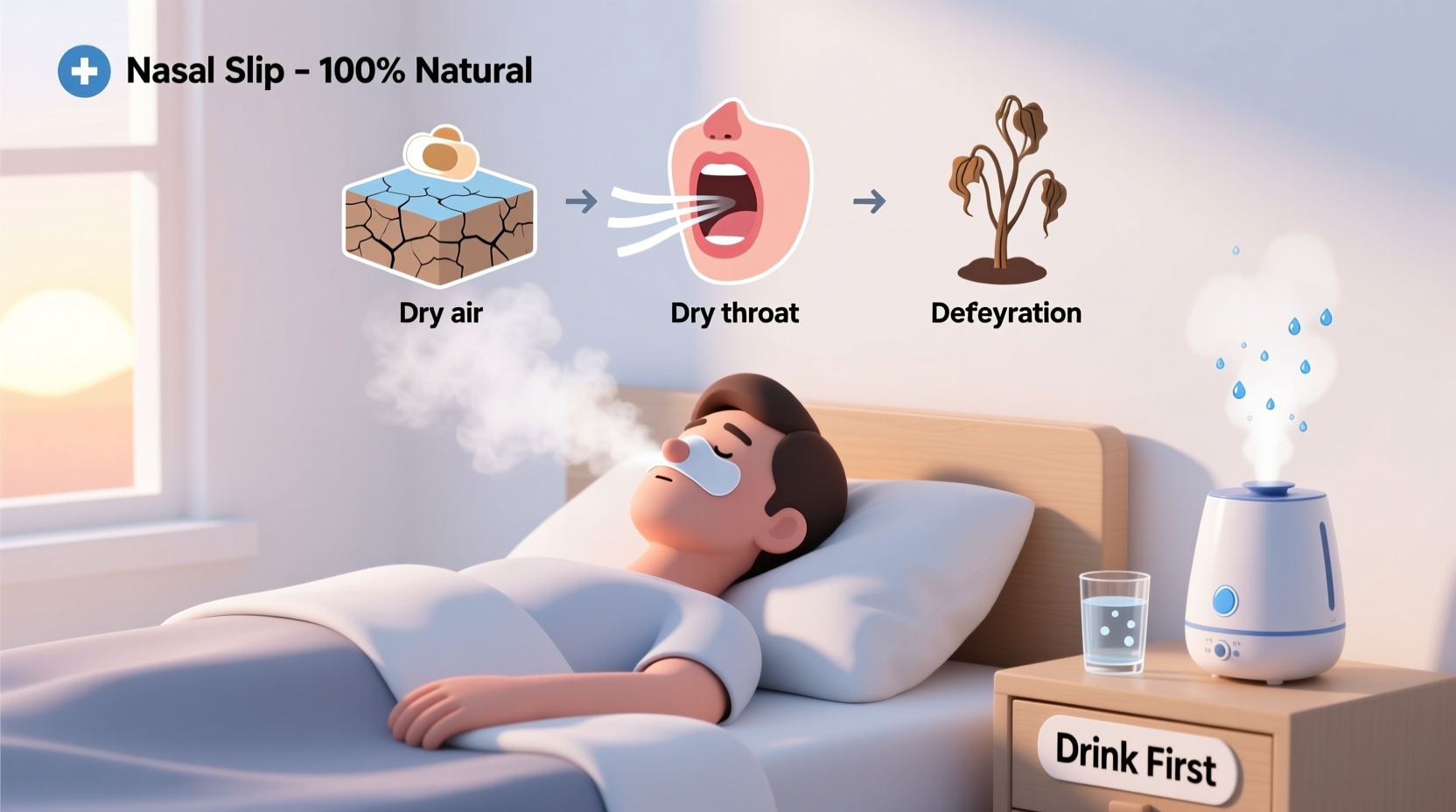
A dry throat upon waking typically results from prolonged exposure to dry air, mouth breathing during sleep, or dehydration. However, the root cause often varies from person to person. Identifying which factor applies to you is the first step toward resolution.
- Mouth Breathing During Sleep: Breathing through your mouth bypasses the nose’s natural humidification process, drying out the throat overnight. This is especially common among people with nasal congestion, deviated septums, or sleep apnea.
- Low Bedroom Humidity: Indoor air, particularly in winter or in air-conditioned environments, can become extremely dry. When relative humidity drops below 30%, mucous membranes in the throat lose moisture rapidly.
- Dehydration: Not drinking enough water throughout the day reduces overall fluid availability, making tissues more prone to dryness—even while sleeping.
- Medications: Antihistamines, decongestants, blood pressure drugs, and some antidepressants have drying side effects that reduce saliva and mucus production.
- Sleep Apnea: Obstructive sleep apnea (OSA) forces individuals to breathe irregularly, often through the mouth, increasing throat dryness. Snoring and gasping at night are red flags.
- Gastroesophageal Reflux Disease (GERD): Acid reflux during sleep can irritate the throat lining, creating a sensation similar to dryness—sometimes accompanied by a sour taste or chronic cough.
- Alcohol and Caffeine Consumption: Both substances act as diuretics and relax throat muscles, encouraging mouth breathing and reducing hydration levels.
Effective Fixes and Preventive Strategies
Addressing a dry throat isn’t about quick fixes alone; it requires consistent, thoughtful adjustments. Below are evidence-based strategies tailored to specific causes.
1. Optimize Bedroom Humidity
Dry indoor air is one of the leading contributors to overnight throat dryness. Using a humidifier adds moisture back into the air, helping maintain mucosal hydration.
“Maintaining indoor humidity between 40% and 60% significantly reduces respiratory irritation and supports better sleep quality.” — Dr. Lena Torres, Pulmonary Health Specialist
Cool-mist humidifiers are generally safer and easier to clean than warm-mist models. Clean your device every three days to prevent mold and bacterial buildup, which could worsen respiratory symptoms.
2. Treat Nasal Congestion
If you're breathing through your mouth because your nose is blocked, resolving the congestion is key. Allergies, sinus infections, or structural issues like a deviated septum may be to blame.
- Use saline nasal sprays before bed to clear passages gently.
- Try nasal strips to widen nostrils and improve airflow.
- Consider allergy testing if congestion occurs seasonally or around dust/pets.
- In persistent cases, consult an ENT specialist for evaluation and possible surgical correction.
3. Stay Hydrated Throughout the Day
Drinking water right before bed won't compensate for daytime dehydration. Aim for consistent fluid intake from morning to late afternoon. Men should aim for about 3.7 liters (125 oz) and women 2.7 liters (91 oz) daily from all beverages and foods.
Monitor urine color—a pale straw hue indicates proper hydration. Dark yellow suggests you need more fluids.
4. Adjust Medication Timing or Alternatives
If you're on medications known to cause dry mouth or throat (such as antihistamines), speak with your doctor. They may recommend switching to a non-drying alternative or adjusting dosing times—taking certain meds earlier in the day can reduce overnight effects.
5. Limit Alcohol and Caffeine Before Bed
Both substances impair sleep quality and promote dehydration. Avoid alcohol within three hours of bedtime and limit caffeine after 2 p.m. Replace evening drinks with herbal teas like chamomile or rooibos, which are non-diuretic and soothing.
| Habit | Impact on Throat | Recommended Change |
|---|---|---|
| Using AC or heating all night | Dries indoor air significantly | Pair with humidifier; set thermostat to 68–72°F |
| Consuming wine before bed | Relaxes airway, increases mouth breathing & dehydration | Limit alcohol; hydrate after consumption |
| Sleeping with mouth open | Direct airflow dries throat tissue | Treat nasal blockage; consider mouth tape (if safe) |
| Snoring loudly every night | Possible sign of sleep-disordered breathing | Get screened for sleep apnea |
Step-by-Step Plan to Eliminate Morning Throat Dryness
Follow this seven-day action plan to systematically address and resolve your symptoms:
- Day 1: Assess Your Environment
Measure bedroom humidity using an inexpensive hygrometer. Ideal range: 40–60%. If below, prepare to introduce a humidifier. - Day 2: Review Evening Habits
Log everything consumed after 5 p.m.—including coffee, tea, snacks, and alcohol. Note any patterns linked to worse dryness. - Day 3: Try Nasal Saline Rinse
Use a neti pot or saline spray before bed to clear nasal passages. Breathe through your nose intentionally during the evening. - Day 4: Increase Daytime Hydration
Add two extra glasses of water to your routine, spaced evenly. Avoid chugging right before bed to prevent nighttime bathroom trips. - Day 5: Introduce Humidifier
Run a clean humidifier in your bedroom for one full night. Use distilled water to minimize mineral dust. - Day 6: Eliminate Evening Alcohol/Caffeine
Replace with warm herbal tea or water. Observe changes in throat comfort and sleep depth. - Day 7: Evaluate Progress
Rate your throat dryness on a scale of 1–10. If no improvement, consider consulting a healthcare provider to rule out sleep apnea or GERD.
When to See a Doctor
Most cases of morning throat dryness improve with self-care. However, persistent or worsening symptoms may indicate a medical condition requiring professional diagnosis.
Seek medical advice if you experience:
- Chronic snoring with gasping or choking episodes
- Daytime fatigue despite adequate sleep
- Frequent heartburn or regurgitation at night
- Unexplained hoarseness lasting more than two weeks
- Difficulty swallowing or a lump-in-throat sensation
A primary care physician may refer you to a sleep specialist, ENT (ear, nose, and throat doctor), or gastroenterologist depending on suspected causes. A sleep study can confirm obstructive sleep apnea, while pH monitoring may detect silent acid reflux.
“Patients often dismiss a dry throat as minor, but it can be the first clue to undiagnosed sleep apnea—a serious condition linked to hypertension and heart disease.” — Dr. Rajiv Mehta, Sleep Medicine Director
Mini Case Study: Resolving Chronic Dry Throat
Mark, a 42-year-old software developer, woke up every morning with a sore, sandpaper-like throat. He assumed it was due to office air conditioning until his partner reported loud snoring and pauses in breathing at night.
After tracking his habits for a week—revealing regular late-night whiskey consumption and a bedroom humidity level of just 22%—Mark made several changes: he stopped drinking alcohol after dinner, started using a cool-mist humidifier, and began sleeping with nasal strips.
When symptoms only partially improved, he consulted his doctor and underwent a home sleep test. Results showed moderate obstructive sleep apnea. With a CPAP machine, his breathing normalized, and within two weeks, his morning throat dryness disappeared completely.
Mark’s case illustrates how layered causes often coexist—and why a systematic approach yields the best outcomes.
Checklist: Eliminate Morning Throat Dryness
Use this actionable checklist to tackle the issue comprehensively:
- ✅ Measure bedroom humidity (aim for 40–60%)
- ✅ Use a humidifier nightly (clean every 3 days)
- ✅ Drink at least 8 glasses of water during the day
- ✅ Avoid alcohol and caffeine within 3–4 hours of bedtime
- ✅ Try saline nasal spray or rinse before sleep
- ✅ Replace air filters in bedroom HVAC system monthly
- ✅ Watch for signs of sleep apnea (snoring, gasping, fatigue)
- ✅ Consult a doctor if symptoms persist beyond 2 weeks
Frequently Asked Questions
Can acid reflux cause a dry throat in the morning?
Yes. Silent reflux (laryngopharyngeal reflux) can cause throat irritation without classic heartburn. Stomach acid reaches the throat while lying down, leading to dryness, hoarseness, or a chronic cough. Elevating the head of your bed and avoiding late meals can help.
Is mouth taping safe for preventing mouth breathing?
For most healthy adults, using specialized mouth tape (like porous paper tape) can encourage nasal breathing and reduce throat dryness. However, it should never be used if you have nasal obstruction, sleep apnea, or respiratory conditions. Always consult a doctor first.
Why do I wake up dry even with a humidifier?
This could mean the unit is too small for your room, not running long enough, or needs cleaning. Ensure it’s placed near the bed, filled with distilled water, and operating all night. Also, check if allergies or undiagnosed apnea are contributing.
Take Control of Your Morning Comfort
Waking up with a dry throat doesn’t have to be your normal. Often, the solution lies in simple, sustainable changes—better hydration, cleaner air, and mindful evening routines. But when those aren’t enough, deeper investigation can uncover treatable conditions like sleep apnea or reflux that impact far more than just throat comfort. By paying attention to your body’s signals and acting with intention, you reclaim not just smoother mornings but also improved long-term health. Start tonight: adjust one habit, monitor the result, and build from there. Relief is closer than you think.




 浙公网安备
33010002000092号
浙公网安备
33010002000092号 浙B2-20120091-4
Comments
No comments yet. Why don't you start the discussion?