
Waking up with a headache is more than just an unpleasant way to start the day—it can be a sign that something deeper is affecting your health. While occasional morning headaches may result from poor sleep or dehydration, recurring or severe episodes warrant closer attention. Understanding the root causes and recognizing when symptoms cross into dangerous territory can make all the difference in managing your well-being.
This article explores the most common reasons behind waking up with a headache, identifies red flags that should not be ignored, and offers actionable steps to reduce frequency and severity. Whether you're dealing with tension-type pain, migraines, or potential sleep disorders, this guide provides clarity and direction for both self-care and knowing when to consult a healthcare provider.
Common Causes of Morning Headaches
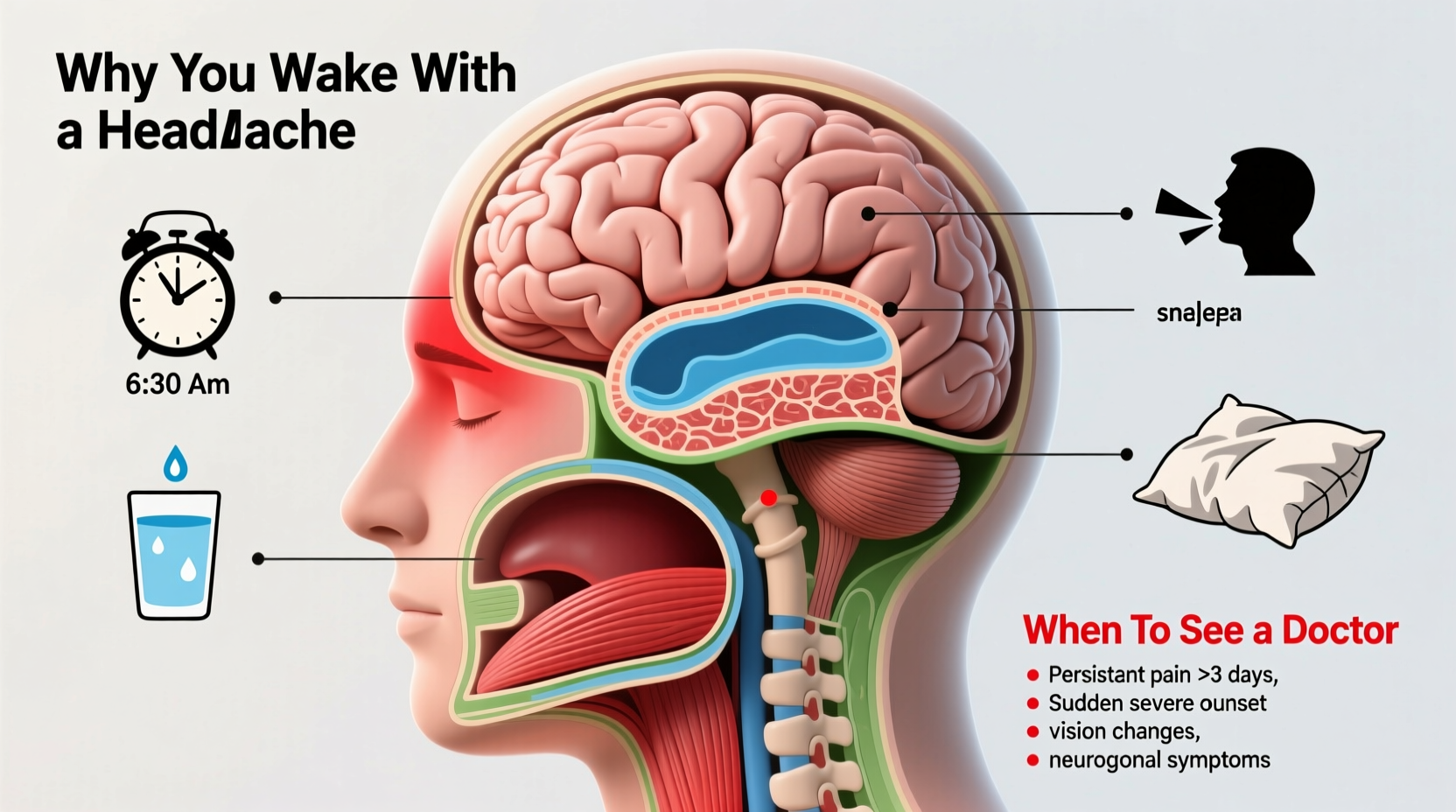
Morning headaches are surprisingly common, affecting millions of people worldwide. They often stem from lifestyle habits, underlying medical conditions, or disruptions in sleep architecture. Identifying the cause is essential to effective treatment.
- Sleep Apnea: One of the leading medical causes of morning headaches, obstructive sleep apnea (OSA) involves repeated breathing interruptions during sleep. These pauses reduce oxygen levels and increase carbon dioxide, triggering vascular changes in the brain that lead to dull, pressing headaches upon waking.
- Bruxism (Teeth Grinding): Clenching or grinding your teeth at night—often unconsciously—strains the temporomandibular joint (TMJ) and surrounding muscles. This can produce tension-type headaches, typically felt around the temples or base of the skull.
- Poor Sleep Quality: Inconsistent sleep schedules, excessive screen time before bed, or sleeping in awkward positions can disrupt restorative sleep cycles, leaving you groggy and headachy.
- Dehydration: Overnight fluid loss through breathing and perspiration, especially if you haven’t consumed enough water the previous day, can lead to mild cerebral dehydration—a frequent but overlooked trigger.
- Caffeine Withdrawal: If you regularly consume coffee or energy drinks and skip them for even one day, withdrawal symptoms—including headaches—can emerge by morning.
- Medication Overuse: Frequent use of pain relievers (especially opioids or triptans) can lead to rebound headaches, which often peak in intensity upon waking.
When Morning Headaches Signal a Serious Condition
Most morning headaches resolve within a few hours and respond to hydration, stretching, or over-the-counter pain relief. However, certain features suggest a need for prompt medical evaluation. These “red flag” symptoms indicate potentially serious neurological or systemic issues.
“Headaches that consistently wake someone from sleep should never be dismissed. They can point to increased intracranial pressure, tumors, or other structural brain abnormalities.” — Dr. Lena Patel, Neurologist, Cleveland Clinic
The following signs require immediate consultation with a physician:
- Thunderclap Headache: A sudden, explosive onset of severe pain—often described as “the worst headache of my life”—may signal a subarachnoid hemorrhage or stroke.
- Progressive Worsening: Headaches that increase in frequency, duration, or intensity over weeks or months could indicate a growing mass or chronic condition.
- Neurological Symptoms: Accompanying confusion, vision changes, weakness, numbness, difficulty speaking, or balance problems demand urgent imaging.
- New Onset After Age 50: Primary headache disorders like migraines usually begin earlier in life. New headaches after 50 raise concern for giant cell arteritis or secondary causes.
- Positional Headaches: Pain that worsens when standing and improves when lying down may suggest cerebrospinal fluid (CSF) leakage.
Warning Signs Checklist
- Headache that wakes you from sleep more than twice a week
- Sudden, severe pain without prior warning
- Fever, stiff neck, or rash alongside headache
- Seizures or loss of consciousness
- Vision loss, double vision, or drooping eyelid
- Personality changes or memory issues
- History of cancer or immune suppression
How Sleep Disorders Contribute to Morning Head Pain
Sleep and headache disorders are deeply interconnected. Disruptions in sleep continuity or quality can both cause and exacerbate headaches. Two of the most clinically significant contributors are sleep apnea and insomnia.
Sleep Apnea and Hypoxia
In obstructive sleep apnea, airway collapse during sleep leads to intermittent hypoxia (low oxygen). The brain responds by dilating blood vessels, increasing intracranial pressure. This vascular response frequently results in bilateral, band-like headaches upon awakening—often resolving within 30 minutes to two hours.
People with OSA may also experience excessive daytime sleepiness, loud snoring, gasping during sleep, and witnessed breathing pauses. A sleep study (polysomnography) is the gold standard for diagnosis.
Insomnia and Hyperarousal
Chronic insomnia creates a state of hyperarousal in the central nervous system, lowering the threshold for pain perception. Individuals with poor sleep efficiency are more likely to report tension-type headaches and migraines. The cycle becomes self-perpetuating: pain disrupts sleep, and poor sleep increases pain sensitivity.
| Condition | Typical Headache Pattern | Associated Symptoms |
|---|---|---|
| Sleep Apnea | Dull, bilateral, resolves within 2 hours of waking | Snoring, daytime fatigue, observed apneas |
| Bruxism | Temporomandibular pain, temple tenderness | Jaw stiffness, tooth wear, clicking jaw |
| Chronic Migraine | Throbbing, unilateral, lasts 4+ hours | Nausea, light/sound sensitivity, aura |
| Tension-Type Headache | Band-like pressure, mild to moderate | Stress, poor posture, muscle tightness |
Practical Steps to Prevent Morning Headaches
Addressing the root cause is key, but several evidence-based strategies can reduce the frequency and severity of morning headaches—even before a formal diagnosis.
Step-by-Step Prevention Plan
- Optimize Sleep Hygiene: Go to bed and wake up at the same time every day, even on weekends. Avoid screens for at least one hour before bed. Keep the bedroom cool, dark, and quiet.
- Stay Hydrated: Drink water consistently throughout the day. Aim for pale yellow urine as a hydration benchmark. Consider electrolyte-rich drinks if you sweat heavily or consume diuretics like caffeine.
- Limit Alcohol and Caffeine: Both substances disrupt sleep architecture. Alcohol relaxes throat muscles, worsening snoring and apnea. Caffeine has a half-life of 5–6 hours; avoid it after 2 p.m.
- Use a Supportive Pillow: Choose a pillow that maintains neutral spine alignment. Memory foam or cervical pillows help prevent neck strain, especially for side and back sleepers.
- Manage Stress: Practice mindfulness, deep breathing, or gentle yoga before bed. Chronic stress elevates cortisol and muscle tension, contributing to headaches.
- See a Dentist for Bruxism: A custom-fitted night guard can protect teeth and reduce jaw muscle strain. Some dental offices offer take-home sleep screening devices.
- Review Medications: Discuss all prescription and over-the-counter drugs with your doctor. Some antidepressants, antihypertensives, and hormone therapies can influence headache patterns.
Real-Life Example: Recognizing a Hidden Diagnosis
Mark, a 48-year-old accountant, began waking up three to four times a week with a dull ache across his forehead. He assumed it was stress-related and relied on ibuprofen. His wife noticed he snored loudly and sometimes stopped breathing mid-sleep. After two months of worsening fatigue and concentration issues, Mark visited a sleep clinic.
Polysomnography revealed moderate obstructive sleep apnea (18 events per hour). He started using a CPAP machine nightly. Within three weeks, his morning headaches disappeared, energy improved, and blood pressure normalized. What seemed like a minor nuisance turned out to be a treatable condition with significant health implications.
This case illustrates how easily morning headaches can be misattributed to benign causes—delaying diagnosis of serious but manageable disorders.
Frequently Asked Questions
Can dehydration really cause morning headaches?
Yes. During sleep, your body loses moisture through respiration and minimal sweating. If you’re already dehydrated from the previous day—due to inadequate fluid intake, alcohol consumption, or illness—the brain can temporarily contract from fluid loss, causing pain. Rehydrating usually relieves the headache within an hour.
Is it normal to have a headache every morning?
No. While occasional morning headaches are common, daily or near-daily occurrences are not normal and suggest an underlying issue such as sleep apnea, chronic migraine, medication overuse, or poor sleep hygiene. Persistent symptoms should be evaluated by a healthcare provider.
Should I get a brain scan for morning headaches?
Not necessarily. Most morning headaches don’t require imaging. However, your doctor may order an MRI or CT scan if you have red flag symptoms such as sudden onset, neurological deficits, or headaches that worsen over time. Imaging helps rule out structural causes like tumors or aneurysms.
Conclusion: Take Control of Your Morning Well-Being
Waking up with a headache shouldn’t become routine. While many causes are manageable through lifestyle adjustments, persistent or severe symptoms must not be ignored. From improving sleep quality to recognizing warning signs of serious conditions, proactive care can transform your mornings—and your overall health.
If you’ve been brushing off these headaches as just part of your busy life, now is the time to pay attention. Track your symptoms, adjust your habits, and don’t hesitate to seek professional guidance. Your brain deserves better than starting each day in pain.




 浙公网安备
33010002000092号
浙公网安备
33010002000092号 浙B2-20120091-4
Comments
No comments yet. Why don't you start the discussion?