
Morning headaches can turn the start of your day into a struggle before it even begins. Unlike headaches that develop later in the day due to stress or screen fatigue, waking up with head pain suggests an underlying issue tied to your sleep, lifestyle, or health. The good news is that most causes are treatable once identified. From sleep apnea to teeth grinding, dehydration to poor sleep posture, several factors contribute to this frustrating condition. Understanding what’s behind your morning headaches is the first step toward lasting relief.
Sleep Apnea: A Silent Nighttime Disruptor
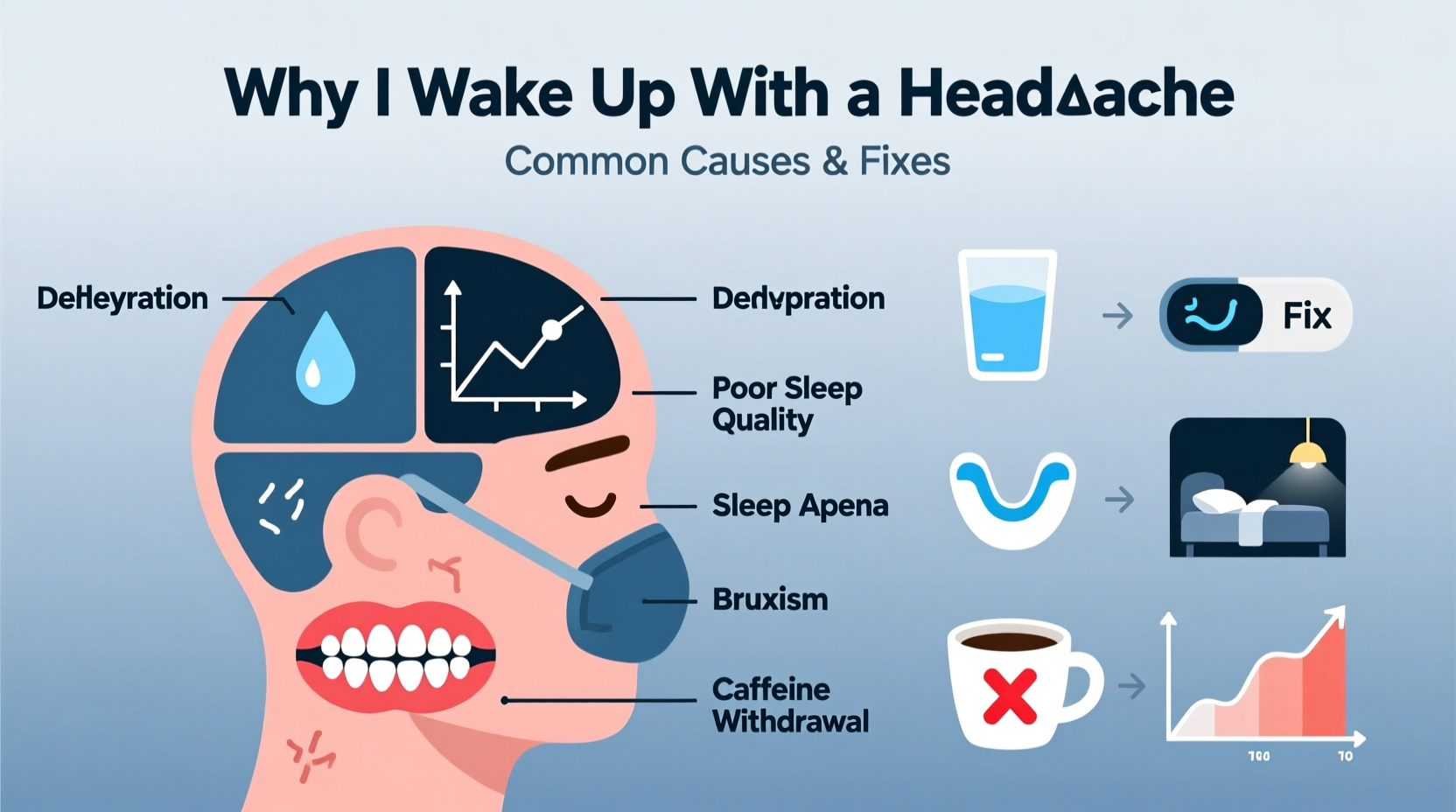
One of the most serious—and often overlooked—causes of morning headaches is obstructive sleep apnea (OSA). This condition occurs when breathing repeatedly stops and starts during sleep due to airway blockage. These interruptions reduce oxygen levels in the blood, leading to increased pressure in the brain's blood vessels, which can trigger headaches upon waking.
People with sleep apnea often report not only headaches but also excessive daytime fatigue, loud snoring, and gasping for air during sleep. The headaches associated with OSA are typically dull, bilateral (on both sides), and tend to improve within an hour or two after waking.
“Morning headaches in patients with untreated sleep apnea are directly linked to nocturnal oxygen desaturation. Treating the apnea almost always resolves the headaches.” — Dr. Rebecca Stern, Sleep Medicine Specialist
Bruxism: The Hidden Impact of Teeth Grinding
Nocturnal bruxism—clenching or grinding your teeth while asleep—is another frequent culprit. Many people are unaware they grind their teeth until a dentist notices enamel wear or a partner hears the noise at night. The constant tension in jaw muscles can radiate upward, causing tension-type headaches that peak in the morning.
Bruxism is often linked to stress, anxiety, or misaligned teeth. Alcohol, caffeine, and certain medications may also worsen it. Over time, chronic grinding can lead to jaw pain, tooth damage, and persistent head discomfort.
How to Identify Bruxism
- Waking with sore jaw muscles or tightness in the temples
- Flattened, chipped, or loose teeth
- Increased tooth sensitivity
- A partner hearing grinding sounds at night
Solutions for Bruxism-Related Headaches
- Dental Guard: Custom-fitted mouthguards worn at night protect teeth and reduce muscle strain.
- Stress Management: Cognitive behavioral therapy (CBT), meditation, or journaling before bed can reduce nighttime clenching.
- Lifestyle Adjustments: Avoid alcohol and caffeine in the evening, as both can increase muscle activity during sleep.
Poor Sleep Posture and Pillow Issues
Your pillow and sleeping position play a crucial role in spinal alignment. Using a pillow that’s too high, too flat, or made from unsupportive material can strain neck muscles and compress nerves, leading to cervicogenic headaches—those originating from the neck but felt in the head.
Side sleepers often benefit from thicker pillows that keep the spine neutral, while back sleepers need moderate support to maintain the natural curve of the neck. Stomach sleeping is generally discouraged, as it forces the neck into a twisted position for hours.
| Sleep Position | Ideal Pillow Height | Recommended Pillow Type |
|---|---|---|
| Back Sleeper | Low to medium (4–5 inches) | Memory foam or latex contour |
| Side Sleeper | Medium to high (5–7 inches) | Supportive memory foam or buckwheat |
| Stomach Sleeper | Very low or none | Soft, thin pillow or no pillow |
Dehydration and Dietary Triggers
Going to bed even mildly dehydrated can result in a morning headache. During sleep, your body continues to lose water through breath and sweat. Without adequate fluid intake during the day—or if you consume diuretics like alcohol or caffeine late in the evening—your system may become depleted overnight.
Dehydration reduces blood volume, which means less oxygen reaches the brain. In response, blood vessels dilate, triggering pain-sensitive nerves around the skull.
Common Dehydration Triggers Before Bed
- Drinking alcohol with dinner
- Consuming large amounts of coffee or tea after 2 PM
- Eating salty foods in the evening
- Not drinking enough water throughout the day
“Patients who drink alcohol in the evening frequently report ‘hangover’ headaches upon waking—even after just one drink. It’s not always about quantity; timing matters.” — Dr. Alan Zhou, Neurologist
Prevention Strategy
Hydrate consistently throughout the day. Aim for pale yellow urine as a sign of proper hydration. Drink a glass of water before bed and upon waking. Avoid alcohol at least three hours before sleep, and limit salty snacks in the evening.
Medication Overuse and Rebound Headaches
If you regularly take pain relievers for headaches—especially more than two days per week—you could be caught in a cycle of medication overuse headaches (MOH), also known as rebound headaches. These occur when the body becomes dependent on painkillers, and withdrawal symptoms manifest as headaches upon waking.
Common culprits include over-the-counter medications like ibuprofen, acetaminophen, and combination drugs containing caffeine. Prescription triptans for migraines can also contribute when used excessively.
Signs You Might Have Rebound Headaches
- Headaches occur more than 15 days per month
- Pain improves temporarily after taking medication but returns
- Headaches are worse in the morning
- Reducing medication leads to temporary worsening of symptoms
What to Do
Work with your doctor to taper off frequent painkiller use. Abruptly stopping can worsen symptoms initially, so medical supervision is essential. Alternative treatments such as preventive medications, physical therapy, or nerve blocks may be recommended depending on your diagnosis.
Other Potential Causes
While the above factors are the most common, several other conditions may cause morning headaches:
- Migraines: Some people experience nocturnal migraines triggered by changes in sleep cycles or low serotonin levels at night.
- High Blood Pressure: Nocturnal hypertension can cause head pressure or throbbing upon waking.
- Sinus Issues: Chronic sinusitis may worsen when lying down, leading to congestion-related pain in the forehead or cheeks.
- Depression or Anxiety: These conditions disrupt sleep architecture and increase muscle tension, contributing to tension headaches.
- Carbon Monoxide Exposure: Rare but dangerous. If multiple household members have similar symptoms, especially dizziness or nausea, seek immediate testing.
Step-by-Step Guide to Eliminate Morning Headaches
Resolving morning headaches requires a systematic approach. Follow this timeline to identify and address the root cause:
- Week 1: Track Symptoms
Create a daily log noting when headaches occur, severity, sleep duration, diet, medication use, and any other symptoms (e.g., snoring, jaw pain). - Week 2: Optimize Sleep Environment
Replace old pillows, adjust room temperature (ideal: 60–67°F), and eliminate screen exposure one hour before bed. Try a supportive sleep position. - Week 3: Modify Lifestyle Habits
Eliminate evening alcohol and caffeine. Increase daily water intake. Practice relaxation techniques like deep breathing or gentle stretching before bed. - Week 4: Consult a Professional
Visit your primary care physician or a sleep specialist. Bring your symptom log. Request evaluation for sleep apnea, bruxism, or hypertension if risk factors exist. - Ongoing: Implement Long-Term Solutions
Use prescribed treatments (e.g., CPAP for apnea, mouthguard for grinding), maintain hydration, and continue monitoring progress.
Checklist: Morning Headache Prevention Plan
Use this actionable checklist to reduce or eliminate morning headaches:
- ☑ Drink at least 8 glasses of water daily
- ☑ Avoid alcohol and caffeine after 2 PM
- ☑ Use a supportive pillow suited to your sleep position
- ☑ Get evaluated for sleep apnea if you snore or feel tired despite long sleep
- ☑ Wear a night guard if you grind your teeth
- ☑ Limit painkiller use to less than 2 times per week
- ☑ Maintain a consistent sleep schedule (same bedtime/wake time)
- ☑ Install carbon monoxide detectors in your home
Mini Case Study: Sarah’s Breakthrough After Years of Pain
Sarah, a 42-year-old teacher, had suffered from morning headaches for nearly five years. She assumed it was stress-related and relied on ibuprofen almost daily. Despite sleeping 8 hours, she woke with a dull ache across her forehead and temples. Her dentist noticed severe tooth wear during a routine checkup and referred her to a sleep clinic.
A sleep study revealed moderate obstructive sleep apnea and nocturnal bruxism. She started using a CPAP machine and a custom night guard. Within three weeks, her headaches decreased in frequency. By six weeks, they were gone entirely. Reducing her reliance on painkillers and improving sleep hygiene sealed the long-term improvement.
Sarah’s case illustrates how overlapping conditions can mask each other—and why a comprehensive assessment is critical.
Frequently Asked Questions
Can my mattress cause morning headaches?
Indirectly, yes. While the mattress itself doesn’t directly cause headaches, poor spinal alignment due to inadequate support can strain neck muscles and lead to tension headaches. Ensure your mattress provides balanced support for your body weight and sleep style.
Is it normal to have a headache every morning with high blood pressure?
Not necessarily. While extremely high blood pressure (hypertensive crisis) can cause morning head pressure or throbbing, most people with hypertension don’t experience symptoms. However, undiagnosed high blood pressure combined with poor sleep or apnea may contribute. Regular monitoring is advised.
How long does it take for dehydration headaches to go away?
Most dehydration-related headaches begin to improve within 30 minutes to 3 hours after rehydrating with water or an electrolyte solution. However, full recovery depends on the severity of fluid loss and individual metabolism.
Conclusion: Take Control of Your Mornings
Waking up with a headache shouldn’t be your normal. Whether the cause is sleep apnea, bruxism, dehydration, or medication overuse, solutions exist. Start by observing patterns, adjusting habits, and seeking professional guidance when needed. Small changes—like switching pillows, staying hydrated, or wearing a night guard—can yield dramatic improvements. Don’t dismiss morning head pain as inevitable. With awareness and action, you can reclaim your mornings and start each day with clarity and comfort.




 浙公网安备
33010002000092号
浙公网安备
33010002000092号 浙B2-20120091-4
Comments
No comments yet. Why don't you start the discussion?