
Many people experience waking up with a swollen or puffy face, often feeling self-conscious before even starting their day. While it’s usually harmless, persistent puffiness can be frustrating. Understanding why this happens—and what you can do about it—can help you regain a refreshed appearance each morning. This article explores the underlying causes of facial swelling upon waking and offers practical, science-backed solutions to minimize or prevent it.
Common Causes of Morning Facial Puffiness
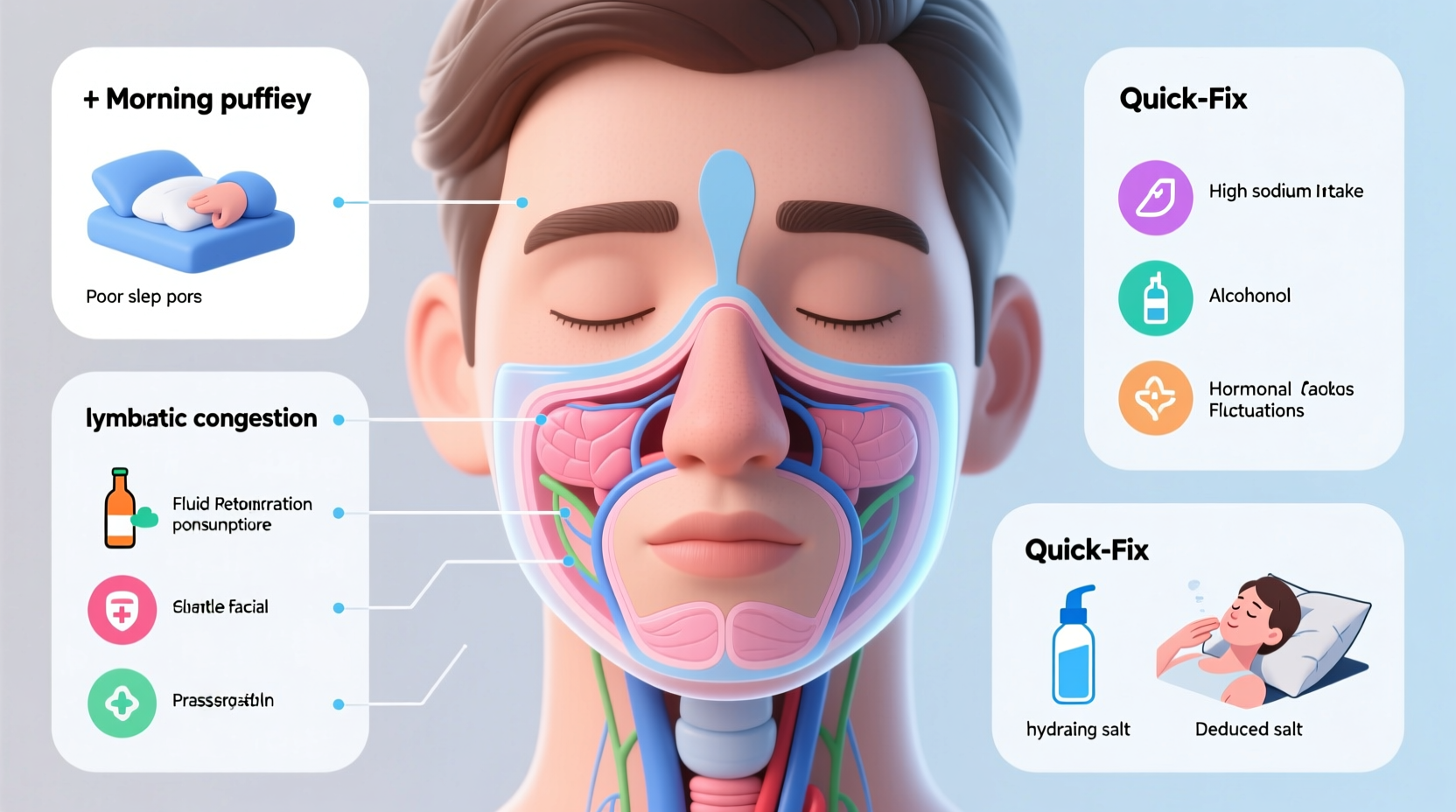
Facial puffiness in the morning is typically due to fluid retention in the soft tissues around the eyes and cheeks. Gravity plays a role while lying down, allowing fluids to pool in the face overnight. However, several factors can intensify this natural process:
- Sleep Position: Sleeping flat on your back without elevation encourages fluid accumulation in the face.
- Dietary Habits: High sodium intake the night before leads to water retention, contributing to puffiness.
- Alcohol Consumption: Alcohol dehydrates the body and disrupts kidney function, increasing fluid retention.
- Allergies: Allergic reactions—especially to dust mites, laundry detergents, or skincare products—can cause inflammation and swelling.
- Hormonal Fluctuations: Women may notice increased puffiness during menstruation, pregnancy, or menopause due to hormonal shifts affecting fluid balance.
- Lack of Sleep: Poor sleep quality reduces lymphatic drainage, slowing the removal of excess fluids from facial tissues.
- Dehydration: Ironically, not drinking enough water signals the body to hold onto fluids, leading to bloating and puffiness.
Natural and Immediate Fixes for a Puffy Face
You don’t need expensive treatments to reduce morning puffiness. Simple, at-home remedies can yield noticeable results within minutes. These methods work by stimulating circulation, encouraging lymphatic drainage, and constricting blood vessels to reduce swelling.
Cold Therapy
Applying cold temperatures to the face helps constrict blood vessels and reduce inflammation. Try these techniques:
- Use a chilled spoon: Place two metal spoons in the fridge for 10–15 minutes, then gently press them under your eyes and along your cheekbones.
- Roll with a jade or stainless steel facial roller: Keep it refrigerated overnight for enhanced cooling effects.
- Apply a cold compress: Wrap ice in a thin cloth and hold it over swollen areas for no more than 30 seconds at a time to avoid skin damage.
Hydration and Detoxifying Drinks
Start your day with a glass of water—ideally warm with lemon. Lemon supports liver detoxification and provides vitamin C, which strengthens capillary walls. Herbal teas like dandelion or green tea act as natural diuretics, helping flush out excess fluids.
Facial Massage and Lymphatic Drainage
Gentle massage stimulates the lymphatic system, which removes waste and excess fluid from tissues. Use clean fingertips or a facial tool to apply light pressure in upward motions:
- Begin at the center of the forehead, moving outward toward the temples.
- Move down along the brow bone, then under the eyes from inner to outer corners.
- Trace along the jawline from chin to ears to encourage drainage.
- Finish by gently massaging the sides of the neck, where lymph nodes are located.
“Facial puffiness is often a sign of sluggish lymph flow. A 2-minute morning massage can make a visible difference.” — Dr. Lena Torres, Dermatologist and Skincare Researcher
Lifestyle Adjustments to Prevent Recurring Puffiness
If you frequently wake up with a puffy face, long-term habits matter more than quick fixes. Making strategic changes to your routine can significantly reduce or eliminate the issue over time.
Revise Your Evening Diet
Limit salty foods after dinner. Processed snacks, canned soups, and soy sauce are high in sodium. Opt for potassium-rich foods like bananas, spinach, and avocados, which help balance sodium levels and promote fluid excretion.
Stay Hydrated Throughout the Day
Drink at least 2 liters of water daily. Consistent hydration prevents your body from entering “water conservation” mode, which contributes to bloating. Avoid excessive caffeine and alcohol, especially in the evening.
Optimize Your Sleep Environment
Use hypoallergenic pillowcases made from silk or bamboo to reduce skin irritation. Wash bedding weekly in fragrance-free detergent to minimize allergens. Consider using an adjustable bed or wedge pillow to keep your head elevated during sleep.
Establish a Gentle Nighttime Skincare Routine
Avoid heavy creams or oils that can clog pores and cause inflammation. Instead, use lightweight, non-comedogenic moisturizers. If you wear makeup, always remove it thoroughly to prevent irritation and congestion.
Do’s and Don’ts: Quick Reference Table
| Do’s | Don’ts |
|---|---|
| Drink plenty of water during the day | Consume salty snacks before bedtime |
| Elevate your head while sleeping | Sleep on a stained or dirty pillowcase |
| Use cold compresses in the morning | Rub or pull at puffy areas aggressively |
| Practice gentle facial massage | Overuse alcohol-based skincare products |
| Limit alcohol and caffeine intake | Go to bed immediately after eating a large meal |
Real-Life Example: Sarah’s Journey to Reducing Morning Puffiness
Sarah, a 34-year-old marketing executive, struggled with chronic facial puffiness for years. She often attributed it to stress but noticed it worsened after late-night dinners with friends involving wine and salty appetizers. Despite trying expensive eye creams, she saw little improvement.
After consulting a dermatologist, she made three key changes: she began drinking herbal tea instead of wine three nights a week, switched to a silk pillowcase, and started a 3-minute facial massage routine each morning. Within two weeks, her morning swelling decreased significantly. “I didn’t realize how much my habits were showing on my face,” she said. “Now I feel more awake even if I didn’t sleep perfectly.”
When to See a Doctor
While most cases of morning puffiness are benign and lifestyle-related, persistent or severe swelling could indicate an underlying medical condition. Seek professional evaluation if you experience any of the following:
- Puffiness that doesn’t improve by midday
- Swelling accompanied by pain, redness, or warmth
- Breathing difficulties or throat tightness (could indicate an allergic reaction)
- Frequent eyelid swelling with itching or rash
- Symptoms worsening over time despite lifestyle changes
Potential medical causes include thyroid disorders (such as hypothyroidism), kidney dysfunction, sinus infections, or autoimmune conditions like lupus. A blood test or allergy screening may be necessary for diagnosis.
Quick Action Checklist: Reduce Puffiness in 10 Minutes
Follow this step-by-step guide when you wake up puffy and need a fast solution:
- Drink a full glass of water – kickstart hydration and metabolism.
- Rinse your face with cold water – constricts blood vessels and wakes up the skin.
- Use a chilled facial roller or spoon – focus on under-eye and jawline areas for 2 minutes.
- Perform a lymphatic massage – follow the sequence outlined earlier.
- Apply a caffeine-infused eye gel – caffeine reduces puffiness by tightening skin and improving circulation.
- Splash on a toner with witch hazel – naturally astringent and anti-inflammatory.
- Have a cup of green tea – internal diuretic effect supports fluid balance.
Frequently Asked Questions
Is it normal to wake up with a puffy face every day?
Occasional puffiness is normal, especially after poor sleep or high-sodium meals. However, daily swelling may indicate a need to adjust your diet, hydration, or sleep habits. If it persists despite changes, consult a healthcare provider.
Can allergies really cause facial puffiness?
Yes. Allergic reactions trigger histamine release, which increases blood vessel permeability and leads to fluid leakage into tissues. Common culprits include pollen, pet dander, dust mites, and certain cosmetics. Antihistamines can help if allergies are the root cause.
Does crying before bed make my face puffier?
Yes. Tears contain salt, and prolonged crying irritates delicate eye tissues, causing inflammation and fluid retention. Rinsing your face with cool water and applying a cold compress afterward can minimize the effect.
Final Thoughts and Call to Action
Waking up with a puffy face is more common than many realize, and in most cases, it’s easily managed with simple lifestyle adjustments and morning rituals. By understanding the triggers—whether dietary, environmental, or behavioral—you gain control over how your face looks and feels each morning.
The key is consistency. Small habits like staying hydrated, reducing salt intake, elevating your head at night, and incorporating a brief facial massage can lead to lasting improvements. You don’t need extreme measures—just mindful daily choices.
Start tonight. Swap the chips for cucumber slices, drink an extra glass of water, and set your alarm five minutes early for a refreshing facial routine. Your future self will look in the mirror and thank you.




 浙公网安备
33010002000092号
浙公网安备
33010002000092号 浙B2-20120091-4
Comments
No comments yet. Why don't you start the discussion?