
Waking up with puffy eyes is a frustratingly common experience. While occasional morning swelling may be harmless, daily puffiness can signal underlying habits, health conditions, or environmental factors that need attention. Unlike dark circles, which relate more to pigmentation or thinning skin, puffiness refers to fluid buildup under the eyes—a condition known as periorbital edema. The good news: in most cases, it’s manageable with targeted lifestyle adjustments and proper care.
This article breaks down the most likely reasons behind persistent morning eye puffiness, backed by dermatological and medical insights. From sleep patterns to diet and skincare missteps, you’ll learn not only what’s causing your swollen eyes but how to effectively address each trigger—starting today.
The Science Behind Morning Eye Puffiness
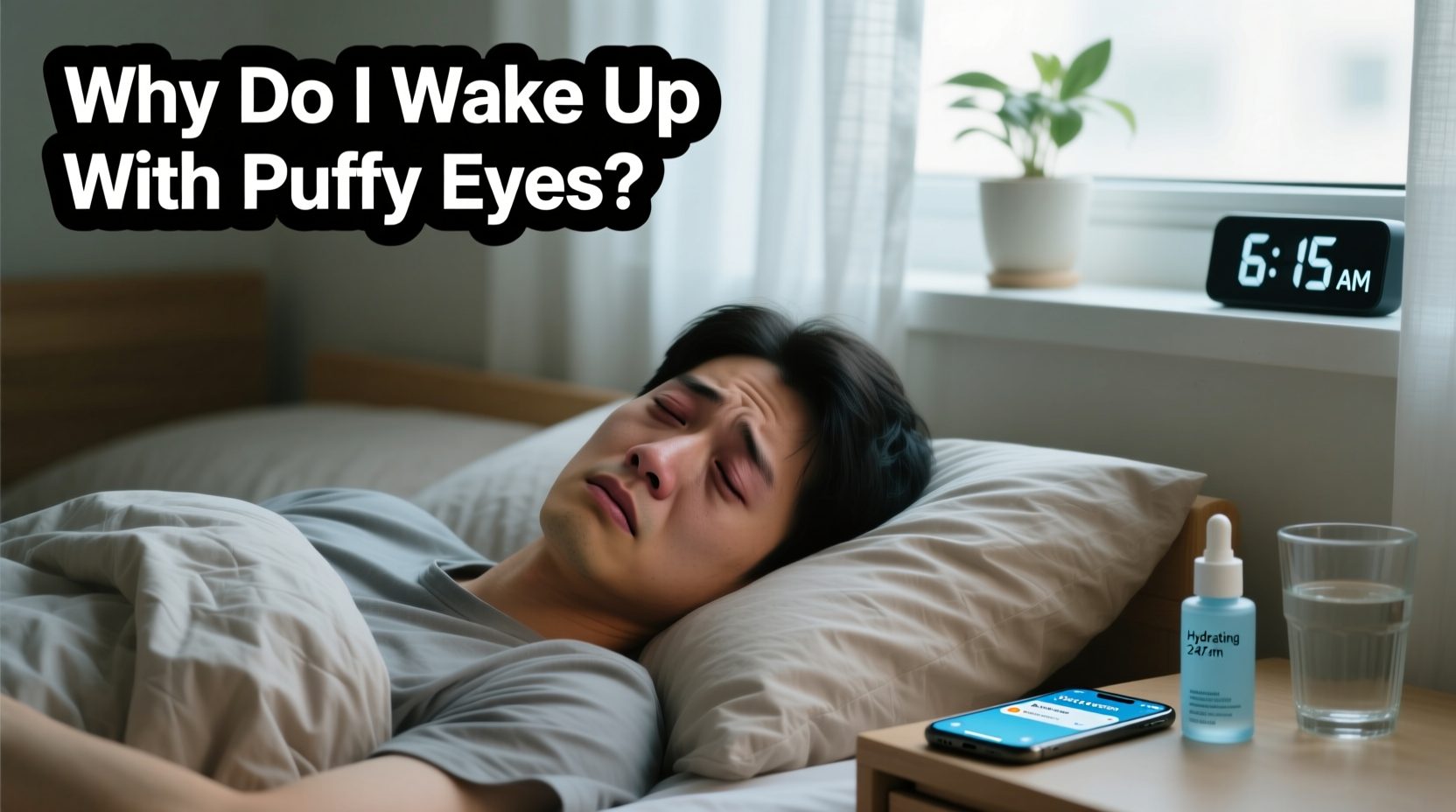
During sleep, your body’s circulation slows, and fluid redistribution occurs. When lying flat, gravity no longer pulls fluids downward, allowing them to pool in the delicate tissues around the eyes. This area has some of the thinnest skin on the body—just 0.5 mm thick—making it especially prone to visible swelling.
The lymphatic system, responsible for draining excess fluid, also functions less actively at night. Combine this with high sodium intake, allergies, or poor sleep, and the result is often noticeable puffiness by morning. For many, this resolves within an hour of waking. But if swelling lingers or recurs daily, it’s time to examine deeper causes.
“Persistent periorbital puffiness isn’t just cosmetic—it’s often a sign of lifestyle imbalance or undiagnosed sensitivities.” — Dr. Lena Torres, Board-Certified Dermatologist
Common Triggers of Daily Puffy Eyes
While genetics play a role, most daily puffiness stems from modifiable factors. Identifying your specific triggers is the first step toward lasting relief.
1. High Sodium Diet
Sodium attracts and retains water in the body. Consuming too much salt—especially in processed foods, canned soups, or late-night snacks—leads to fluid retention. This effect is amplified overnight, resulting in puffy eyes by morning.
2. Dehydration
Ironically, not drinking enough water can worsen puffiness. When dehydrated, your body holds onto existing fluids, including those under the eyes. Chronic dehydration disrupts electrolyte balance and increases water retention.
3. Allergies (Seasonal or Environmental)
Allergic reactions release histamines, which cause inflammation and fluid leakage into surrounding tissues. Dust mites, pet dander, pollen, or even laundry detergents can trigger low-grade allergic responses while you sleep, leading to recurring puffiness—often accompanied by itching or redness.
4. Sleep Position and Duration
Sleeping flat on your back encourages fluid accumulation around the eyes. Elevating your head slightly can help drainage. Additionally, both insufficient sleep (<7 hours) and oversleeping (>9 hours) have been linked to increased facial swelling due to hormonal fluctuations and disrupted circadian rhythms.
5. Alcohol and Caffeine Consumption
Alcohol is a diuretic that dehydrates the body and dilates blood vessels, promoting inflammation. Caffeine, while temporarily constricting blood vessels, can disrupt sleep quality when consumed late in the day—indirectly contributing to puffiness.
6. Skincare Product Irritation
Heavy creams, fragranced products, or ingredients like retinoids applied too close to the eyes can irritate sensitive skin, causing localized swelling. Using products not formulated for the eye area may compromise the skin barrier.
7. Underlying Health Conditions
In some cases, chronic puffiness points to medical issues such as:
- Thyroid disorders (especially hypothyroidism)
- Kidney dysfunction, where fluid regulation is impaired
- Chronic sinusitis, leading to pressure and congestion near the eyes
- Lymphatic congestion due to poor circulation or sedentary lifestyle
Do’s and Don’ts: What Helps (and Hurts) Puffy Eyes
| Do | Don't |
|---|---|
| Drink plenty of water – Aim for 2–2.5 liters daily to support fluid balance. | Consume salty snacks before bed – Even “healthy” options like trail mix or crackers can be high in sodium. |
| Sleep with your head elevated – Use an extra pillow or adjustable bed base. | Rub or tug at puffy eyes – This worsens inflammation and damages fragile capillaries. |
| Use a cold compress – Chilled spoons or damp cloths reduce swelling quickly. | Apply heavy moisturizers right before bed – Opt for lightweight, non-comedogenic formulas. |
| Cleanse bedding weekly – Reduces exposure to allergens like dust mites. | Ignore persistent puffiness with other symptoms – Fatigue, weight gain, or dry skin may point to thyroid issues. |
Step-by-Step Plan to Reduce Morning Puffiness
Addressing daily eye swelling requires consistency and a multi-pronged approach. Follow this 7-day action plan to identify and correct key triggers.
- Day 1–2: Audit Your Diet and Hydration
Eliminate added salt, processed foods, and alcohol. Increase water intake gradually. Replace evening snacks with cucumber slices or herbal tea. - Day 3: Evaluate Sleep Setup
Raise your head with an extra pillow or wedge. Switch to hypoallergenic pillowcases. Avoid screens 1 hour before bed to improve sleep quality. - Day 4: Review Skincare Routine
Stop using any eye creams with fragrance or active ingredients (like retinol) at night. Switch to a gentle, hydrating formula designed for sensitive areas. - Day 5: Check for Allergens
Wash sheets in hot water, vacuum bedroom, and consider using an air purifier. If you have pets, keep them out of the bedroom. - Day 6: Try a Cold Therapy Routine
In the morning, apply a cold compress (a clean cloth soaked in cold water or chilled metal spoon) for 5 minutes. Gently massage outward toward lymph nodes. - Day 7: Monitor and Adjust
Compare puffiness levels across the week. Note improvements. If no change, consider consulting a doctor to rule out medical causes.
Real-Life Example: Sarah’s Turnaround
Sarah, a 34-year-old graphic designer, struggled with daily puffy eyes for over two years. She assumed it was genetic until she noticed her swelling worsened after late work dinners involving takeout food. After tracking her habits, she realized she regularly consumed over 3,000 mg of sodium—more than double the recommended amount.
She began meal-prepping low-sodium lunches, swapped salty snacks for fruit and nuts, and started drinking herbal teas instead of coffee after 2 PM. Within 10 days, her morning puffiness decreased significantly. Adding a silk pillowcase and nightly hydration routine further improved results. “I didn’t think my diet could affect my face so directly,” she said. “Now I feel more awake—even if I didn’t get eight hours.”
Effective Home Remedies and Treatments
While long-term solutions require habit changes, quick remedies can provide immediate relief and reinforce healthier routines.
- Cucumber Slices: Contain antioxidants and mild tannins that reduce inflammation. Chill for 10 minutes before placing over closed eyes for 10–15 minutes.
- Green Tea Bags: Rich in caffeine and flavonoids, they constrict blood vessels and reduce fluid retention. Use cooled, brewed bags twice a week.
- Gua Sha or Lymphatic Massage: Use a jade roller or clean fingertip to gently press along the orbital bone, moving outward toward ears. Do this for 2–3 minutes each morning to encourage drainage.
- Overnight Eye Gels: Hydrogel patches with hyaluronic acid or peptides help maintain hydration without heaviness. Avoid those with alcohol or fragrance.
When to See a Doctor
Puffy eyes are usually benign, but certain signs warrant medical evaluation:
- Swelling that spreads to cheeks or face
- Pain, redness, or vision changes
- Symptoms of fatigue, weight gain, or hair loss (possible thyroid issue)
- Puffiness accompanied by leg swelling or shortness of breath (kidney or heart concerns)
A primary care physician or dermatologist can perform blood tests (e.g., TSH for thyroid function) or refer you to a specialist if needed. Never self-diagnose serious conditions based on eye puffiness alone.
Frequently Asked Questions
Can lack of sleep really cause puffy eyes?
Yes. Poor or inconsistent sleep disrupts cortisol and antidiuretic hormone levels, increasing fluid retention. It also weakens skin barrier function, making the eye area more vulnerable to swelling.
Are puffy eyes the same as bags under the eyes?
Not exactly. Puffiness is temporary swelling from fluid, often reversible. Eye “bags” involve structural changes—like fat prolapse or skin laxity—which are more permanent and may require cosmetic treatment.
Is it safe to use hemorrhoid cream for puffy eyes?
No. Products like Preparation H contain strong vasoconstrictors not meant for the thin eye area. They can cause irritation, discoloration, or even damage. Stick to ophthalmologist-approved treatments.
Final Checklist: Beat Morning Puffiness for Good
- Reduce sodium intake, especially in evening meals
- Drink at least 2 liters of water daily
- Sleep with head slightly elevated
- Switch to fragrance-free, lightweight eye products
- Wash pillowcases and sheets weekly in hot water
- Limit alcohol and avoid caffeine after 2 PM
- Apply cold compress or chilled eye gel each morning
- Monitor for systemic symptoms requiring medical review
“The eyes are often the first place imbalances show up. Treating puffiness isn’t just about appearance—it’s about tuning into your body’s signals.” — Dr. Rajiv Mehta, Integrative Medicine Specialist
Take Control Starting Tonight
Daily puffy eyes don’t have to be your normal. With mindful adjustments to diet, sleep, and skincare, most people see improvement within a week. The key is consistency—not perfection. Start with one change, like reducing salt or elevating your head at night, and build from there.
If lifestyle tweaks don’t resolve the issue, don’t hesitate to seek professional advice. Persistent puffiness can be a clue to something deeper, and early intervention makes all the difference. Your eyes—and your overall well-being—will thank you.




 浙公网安备
33010002000092号
浙公网安备
33010002000092号 浙B2-20120091-4
Comments
No comments yet. Why don't you start the discussion?