
Waking up to puffy, swollen eyes is a common frustration that affects people of all ages. While it's often harmless, persistent morning puffiness can impact confidence and make you look tired—even if you’ve had a full night’s sleep. The condition, medically referred to as periorbital edema, occurs when fluid accumulates in the delicate skin around the eyes. Understanding the root causes and implementing targeted remedies can make a significant difference in how you start your day.
The skin around the eyes is among the thinnest on the body—about 0.5 millimeters thick—making it highly susceptible to visible swelling. Unlike other areas, this region has fewer oil glands and weaker structural support, so even minor changes in hydration, circulation, or inflammation become immediately apparent. This article explores the most common reasons behind morning eye puffiness, backed by dermatological insight, and offers practical, science-informed solutions you can apply overnight.
Common Causes of Morning Eye Puffiness
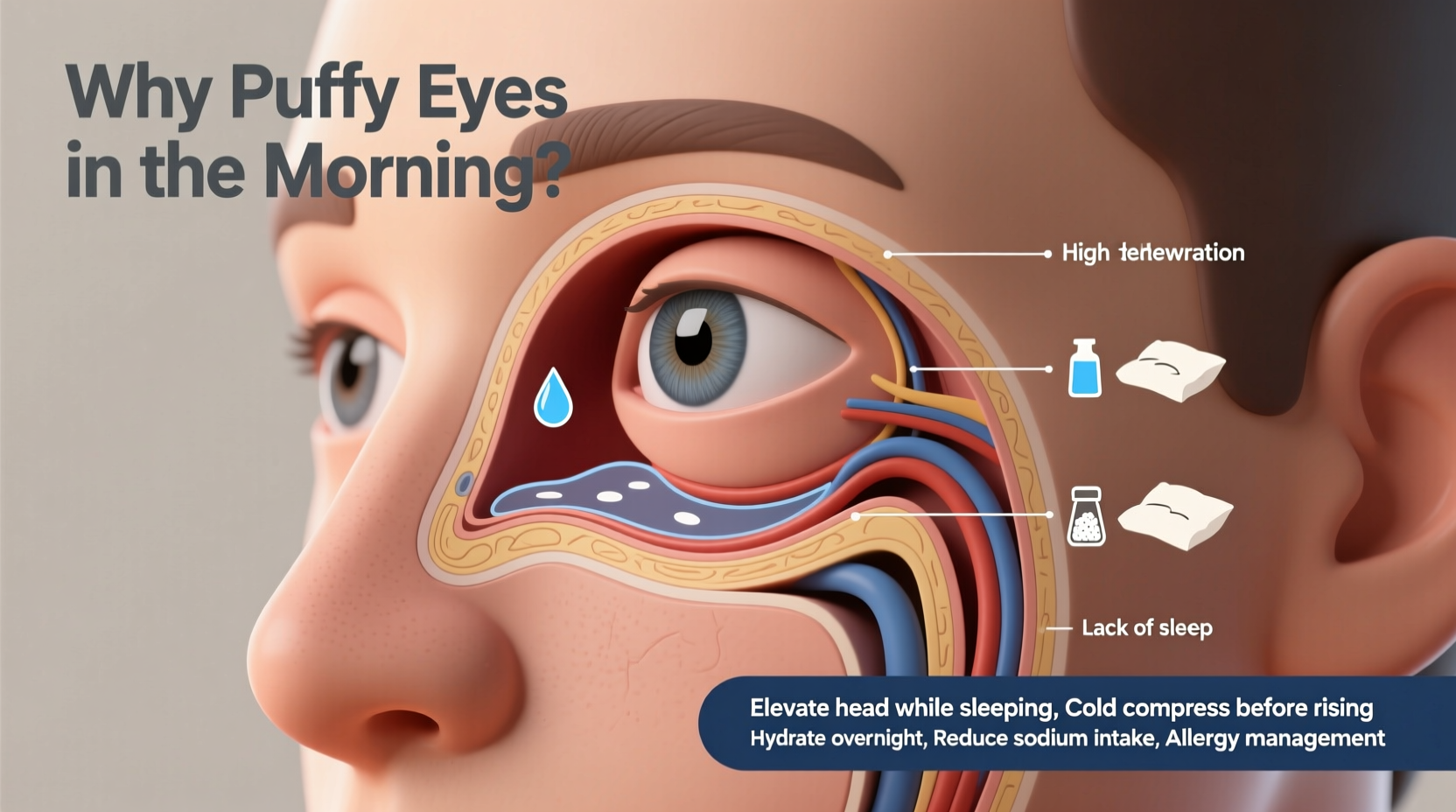
Puffy eyes upon waking are rarely a sign of serious illness, but they can indicate underlying lifestyle habits or physiological responses. Identifying the cause is the first step toward an effective remedy.
- Fluid Retention: Lying flat during sleep allows fluids to pool around the eyes due to gravity. This is especially pronounced in individuals who consume salty foods or alcohol before bedtime.
- Allergies: Seasonal allergies or sensitivities to dust mites, pet dander, or skincare products can trigger histamine release, leading to inflammation and swelling around the eyes.
- Aging: As we age, the tissues and muscles supporting the eyelids weaken. Fat that normally supports the eyes can shift forward into the lower lid area, creating a puffy appearance.
- Dehydration: Counterintuitively, not drinking enough water can lead to fluid retention. When dehydrated, the body holds onto water, including in facial tissues.
- Lack of Sleep: Poor sleep quality disrupts normal circulation and lymphatic drainage, increasing under-eye fluid buildup.
- Dietary Factors: High sodium intake, alcohol, and caffeine can all contribute to water retention and dilated blood vessels.
- Hormonal Fluctuations: Women may notice increased puffiness during menstruation, pregnancy, or menopause due to hormonal shifts affecting fluid balance.
Overnight Remedies to Reduce Puffiness
While long-term improvements require consistent lifestyle adjustments, several overnight strategies can deliver noticeable results by morning. These remedies work by enhancing lymphatic drainage, constricting blood vessels, or reducing inflammation.
- Cold Compress Therapy: Applying a cold compress for 10–15 minutes before bed constricts blood vessels and reduces fluid accumulation. Use a chilled spoon, refrigerated washcloth, or gel eye mask.
- Cucumber Slices: Cucumbers contain antioxidants and flavonoids that reduce inflammation. Their cool temperature also soothes the skin. Leave slices over closed eyes for 15–20 minutes before bed.
- Tea Bags (Green or Black): Both contain tannins and caffeine, which help tighten skin and reduce swelling. Chill used tea bags in the fridge, then place them over the eyes for 10 minutes.
- Eye Creams with Caffeine: Topical caffeine improves microcirculation and helps drain excess fluid. Look for formulations with hyaluronic acid for added hydration without heaviness.
- Hydration Before Bed: Drink a glass of water 1–2 hours before sleeping to support kidney function and reduce compensatory fluid retention.
- Sleep Position Adjustment: Sleeping on your back with your head elevated minimizes gravitational fluid migration to the face.
Step-by-Step Overnight Routine for Puffy Eyes
Follow this simple sequence to maximize the effectiveness of your evening regimen:
- Remove all makeup thoroughly to prevent irritation and clogged pores.
- Gently cleanse the face with a mild, non-irritating cleanser.
- Apply a pea-sized amount of caffeine-based eye serum or cream using your ring finger (it exerts the least pressure).
- Place chilled cucumber slices or tea bags over closed eyes for 10–15 minutes.
- Before turning off the lights, elevate your head with an additional pillow or adjustable bed base.
- Ensure the bedroom is cool and well-ventilated to support optimal circulation.
Do’s and Don’ts: Managing Eye Puffiness
| Do’s | Don’ts |
|---|---|
| Drink plenty of water throughout the day | Consume high-sodium snacks before bed |
| Use hypoallergenic skincare products | Rub or tug at the eye area aggressively |
| Sleep on your back with head elevation | Sleep with makeup on |
| Apply cold compresses regularly | Use expired or irritating eye products |
| Manage allergies with appropriate treatment | Stay up late with screen exposure disrupting sleep cycles |
Expert Insight on Periorbital Swelling
“Persistent morning puffiness isn’t just cosmetic—it’s often a reflection of internal balance. Patients who reduce salt intake, improve sleep posture, and use targeted ingredients like caffeine see dramatic improvement within days.” — Dr. Lena Patel, Board-Certified Dermatologist
Dr. Patel emphasizes that while topical treatments offer quick relief, lasting change comes from addressing systemic factors. “The eye area acts like a barometer for overall health,” she adds. “When patients fix their hydration, diet, and sleep hygiene, the eyes are often the first place they see improvement.”
Real-Life Example: Sarah’s Journey to Clearer Mornings
Sarah, a 34-year-old graphic designer, struggled with chronically puffy eyes for years. Despite getting seven to eight hours of sleep, she woke up looking exhausted. After consulting a dermatologist, she discovered her nightly habit of eating salty takeout and falling asleep on her stomach were major contributors.
She implemented a new routine: switching to low-sodium dinners, drinking herbal tea instead of wine before bed, using a silk pillowcase, and applying a refrigerated eye gel nightly. Within two weeks, her morning puffiness decreased significantly. “I didn’t realize how much my habits were showing on my face,” she said. “Now I feel more awake—and I actually look it.”
Prevention Checklist for Long-Term Results
To keep puffy eyes at bay, incorporate these actions into your daily life:
- ✅ Limit sodium intake, especially in evening meals
- ✅ Stay consistently hydrated (aim for 2–2.5 liters of water daily)
- ✅ Treat allergies promptly with antihistamines or nasal sprays if needed
- ✅ Use fragrance-free, non-comedogenic eye products
- ✅ Wash bedding weekly to reduce allergen buildup
- ✅ Invest in a supportive pillow that keeps your head elevated
- ✅ Avoid alcohol and excessive caffeine, particularly after 6 PM
- ✅ Get 7–9 hours of quality sleep on a regular schedule
Frequently Asked Questions
Can lack of sleep cause puffy eyes even if I drink enough water?
Yes. Even with proper hydration, poor sleep disrupts the lymphatic system’s ability to remove waste and excess fluid. During deep sleep, the body performs critical fluid regulation. Inadequate rest impairs this process, leading to morning puffiness regardless of water intake.
Are puffy eyes the same as dark circles?
No. While they often occur together, they are different conditions. Puffy eyes result from fluid retention or fat displacement, whereas dark circles stem from thinning skin, visible blood vessels, pigmentation, or shadowing from puffiness. Treatments differ: puffiness benefits from depuffing agents like caffeine, while dark circles may require brightening ingredients like vitamin C or retinoids.
When should I see a doctor about morning eye swelling?
If puffiness is accompanied by redness, pain, vision changes, or only affects one eye, consult a healthcare provider. Persistent unilateral swelling could indicate infection, thyroid issues (like Graves’ disease), or kidney dysfunction. Generalized facial swelling upon waking also warrants medical evaluation.
Natural Ingredients That Work: A Quick Reference Guide
Certain natural compounds have demonstrated efficacy in reducing ocular puffiness through anti-inflammatory or vasoconstrictive effects. Here’s what to look for:
- Caffeine: Found in coffee and tea, it tightens skin and boosts circulation.
- Chamomile: Soothes irritation and reduces histamine-related swelling.
- Aloe Vera: Hydrates without heaviness and calms inflamed tissue.
- Peppermint Oil (diluted): Provides a cooling sensation and mild vasoconstriction.
- Vitamin K: Supports blood vessel integrity and may reduce pooling.
Note: Always patch-test natural ingredients to avoid allergic reactions, especially near the eyes.
Conclusion: Start Tonight for Brighter Mornings
Waking up with puffy eyes doesn’t have to be a daily reality. By understanding the interplay of lifestyle, anatomy, and environment, you can take meaningful steps to reduce morning swelling. Small changes—like adjusting your sleep position, cutting back on salt, or using a chilled compress—can yield visible improvements quickly. The key is consistency and addressing both immediate symptoms and underlying causes.




 浙公网安备
33010002000092号
浙公网安备
33010002000092号 浙B2-20120091-4
Comments
No comments yet. Why don't you start the discussion?