
Waking up with puffy eyes is a common morning frustration. While it may seem like a minor cosmetic issue, persistent puffiness can signal underlying habits or health conditions that deserve attention. The delicate skin around the eyes is thinner than elsewhere on the face, making it more prone to fluid retention, inflammation, and visible swelling. Understanding the root causes—ranging from your sleeping posture to dietary choices and allergies—is essential for addressing the problem effectively. This article breaks down the most frequent reasons behind morning eye puffiness and offers practical, sustainable solutions.
The Science Behind Morning Eye Puffiness
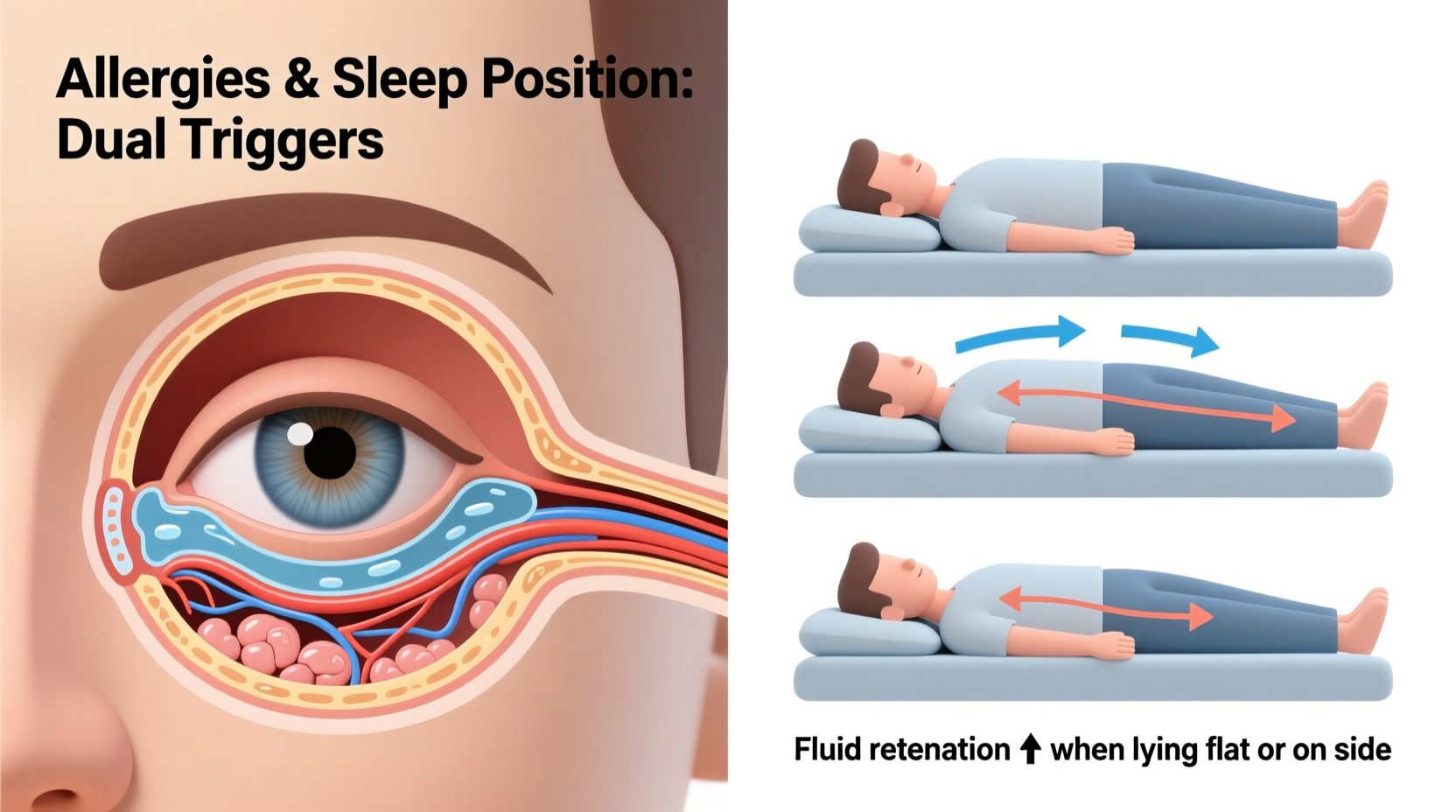
During sleep, bodily processes slow down, including circulation and lymphatic drainage. The area under the eyes has minimal muscle and fat support, so when fluid accumulates overnight, it becomes visibly apparent as puffiness. This natural process is exacerbated by several factors, including gravity, sodium intake, and hormonal fluctuations. The body’s circadian rhythm also influences fluid balance; cortisol levels dip at night, which can reduce the efficiency of fluid regulation.
Dr. Lena Patel, an ophthalmologist specializing in ocular surface disorders, explains:
“The periorbital region is one of the first areas to show signs of systemic imbalance. Persistent morning puffiness isn’t just about lack of sleep—it’s often a clue to hydration, allergy, or even kidney function.” — Dr. Lena Patel, MD, Ophthalmology
While occasional puffiness is normal, daily recurrence suggests a pattern worth investigating. Let’s explore the primary contributors and how to address them.
Common Causes of Morning Eye Puffiness
Allergies and Histamine Response
Allergic reactions are a leading cause of chronic eye puffiness. When allergens such as dust mites, pet dander, or pollen come into contact with the eyes, the immune system releases histamines. These chemicals trigger inflammation and increased blood flow, causing swelling, redness, and itching. Many people unknowingly expose themselves to allergens nightly—through bedding, pillows, or air quality.
Nasal congestion from allergies can also obstruct sinus drainage, increasing pressure around the eyes and worsening puffiness. If you notice additional symptoms like sneezing, nasal drip, or itchy eyes, allergies are likely a key factor.
Sleep Position and Fluid Accumulation
Your sleeping posture plays a significant role in where fluid settles overnight. Sleeping flat on your back allows gravity to pool fluid in the lower eyelids. Elevating your head slightly can dramatically reduce this effect. People who sleep on their stomachs or sides may experience asymmetrical puffiness due to uneven pressure and fluid distribution.
A study published in *Sleep Medicine Reviews* found that participants who used an extra pillow reported a 35% reduction in morning facial swelling over two weeks compared to those using a single flat pillow.
Dietary Factors: Salt, Alcohol, and Hydration
Consuming high-sodium foods late in the day causes the body to retain water. The kidneys work to balance electrolytes, but excess salt overwhelms this system, leading to fluid buildup—including under the eyes. Similarly, alcohol dehydrates the body and dilates blood vessels, both of which contribute to puffiness.
Inadequate water intake compounds the issue. When dehydrated, the body clings to existing fluids, often storing them in soft tissues like the eyelids. Counterintuitively, drinking more water during the day helps flush out excess sodium and reduces bloating.
Lack of Sleep and Poor Sleep Quality
While not always the primary culprit, insufficient or disrupted sleep affects vascular health and hormone regulation. Melatonin and growth hormone release during deep sleep help repair tissue and regulate inflammation. Chronic sleep deprivation disrupts these cycles, weakening capillary integrity and promoting leakage of fluid into surrounding tissues.
Moreover, fatigue can make existing puffiness appear worse due to paler skin and dark shadows enhancing the visual contrast.
Aging and Skin Elasticity
As we age, the connective tissues and muscles supporting the eyelids weaken. Fat that normally cushions the eyeball can shift forward into the lower lid, creating a puffy appearance. This structural change is natural but can be accelerated by sun exposure, smoking, and repetitive facial expressions.
Even younger individuals may experience early signs if they have genetic predispositions or lifestyle factors that compromise collagen production.
Do’s and Don’ts: Managing Eye Puffiness
| Do | Don't |
|---|---|
| Drink plenty of water throughout the day | Consume salty snacks before bedtime |
| Sleep with your head slightly elevated | Sleep on a dirty pillowcase |
| Use fragrance-free, hypoallergenic skincare | Rub your eyes vigorously when tired |
| Cool the area with chilled spoons or tea bags | Apply heavy creams right before bed |
| Treat allergies with antihistamines if needed | Ignore persistent swelling lasting beyond mornings |
Step-by-Step Guide to Reduce Morning Puffiness
Addressing puffy eyes requires consistency and targeted adjustments. Follow this five-step routine to see noticeable improvements within 1–2 weeks:
- Assess Your Evening Diet
Track your sodium intake for three days. Avoid processed foods, canned soups, and condiments high in salt after 6 PM. Replace evening snacks with cucumber slices, berries, or unsalted nuts. - Elevate Your Head During Sleep
Use an extra pillow or invest in a wedge pillow designed for reflux and swelling reduction. Ensure your head is at least 30 degrees above your heart. - Switch to Allergy-Friendly Bedding
Replace old pillows with hypoallergenic ones. Use dust-mite-proof covers on mattresses and pillows. Wash all linens weekly in hot water. - Establish a Gentle Night Skincare Routine
Cleanse your face with a mild, non-comedogenic cleanser. Apply a lightweight eye gel instead of thick creams. Look for ingredients like caffeine, niacinamide, or peptides that support microcirculation. <5>
Morning De-Puffing Ritual
Right after waking, place two refrigerated metal spoons over your closed eyes for 3–5 minutes. The cold constricts blood vessels and reduces swelling. Follow with gentle upward tapping motions using your ring finger to stimulate lymphatic drainage.
Real-Life Example: Sarah’s Journey to Clearer Mornings
Sarah, a 34-year-old graphic designer, struggled with daily puffy eyes for over a year. She assumed it was due to long screen time and stress. After trying various eye creams without success, she consulted a dermatologist. A review of her habits revealed several contributing factors: she slept on her side, used feather pillows, consumed iced coffee with added sugar daily, and washed her sheets biweekly.
Following a tailored plan—switching to synthetic pillows, washing bedding weekly, reducing afternoon caffeine, and elevating her bed—Sarah noticed improvement within ten days. By week three, her morning puffiness had decreased by over 70%. Blood tests later confirmed mild seasonal allergies, which were managed with a daily non-drowsy antihistamine.
“I didn’t realize how much my nighttime environment was affecting me,” Sarah said. “It wasn’t one big fix—it was small changes adding up.”
When to Seek Medical Advice
Most cases of morning eye puffiness resolve with lifestyle adjustments. However, persistent or worsening swelling could indicate a medical concern. Seek professional evaluation if you experience any of the following:
- Puffiness that doesn’t improve by midday
- Swelling spreading to cheeks, forehead, or neck
- Pain, redness, or vision changes
- Symptoms accompanied by shortness of breath or fatigue
Conditions such as thyroid disease (especially hypothyroidism), kidney dysfunction, or chronic sinusitis can manifest with periorbital edema. An allergist or primary care provider can perform tests to rule out systemic issues.
Frequently Asked Questions
Can dehydration cause puffy eyes?
Yes. Paradoxically, not drinking enough water causes your body to retain fluid as a protective mechanism. This retained fluid often collects in low-pressure areas like under the eyes. Staying consistently hydrated helps maintain balanced fluid distribution.
Are certain eye creams actually effective for puffiness?
Some formulations can provide temporary relief. Look for products containing caffeine (constricts blood vessels), hyaluronic acid (plumps skin to reduce shadowing), and peptides (support skin structure). However, no cream will fully counteract poor sleep or high salt intake. Topicals work best as part of a broader strategy.
Is it normal for only one eye to be puffy?
Occasional asymmetry is common, especially if you sleep on one side. However, recurring unilateral puffiness warrants investigation. It could stem from localized allergies, blocked glands (like chalazion), or dental infections affecting facial lymph flow.
Conclusion: Take Control of Your Morning Routine
Puffy eyes every morning aren’t something you have to accept as inevitable. They’re often a reflection of deeper lifestyle patterns—what you eat, how you sleep, and how your body responds to environmental triggers. By identifying the specific cause in your case, you can implement targeted changes that yield real results.
Start with one adjustment: swap out your pillowcase, reduce evening salt, or elevate your head. Track your progress and build from there. Small, consistent actions compound into lasting improvements. Over time, you’ll not only look more refreshed—you’ll feel more in tune with your body’s signals.




 浙公网安备
33010002000092号
浙公网安备
33010002000092号 浙B2-20120091-4
Comments
No comments yet. Why don't you start the discussion?