
Morning puffiness around the eyes is a common concern that affects people of all ages. While it’s usually harmless, persistent or severe swelling can be frustrating and impact confidence. The skin around the eyes is among the thinnest on the body—only about 0.5 millimeters thick—which makes it especially vulnerable to fluid retention, inflammation, and visible changes. Understanding the root causes behind your puffy eyes is the first step toward managing them effectively. From dietary habits to sleep quality and underlying health conditions, multiple factors contribute to this issue. More importantly, simple daily adjustments and targeted remedies can significantly reduce or even prevent eye puffiness before it starts.
Understanding Eye Puffiness: What Happens Overnight?
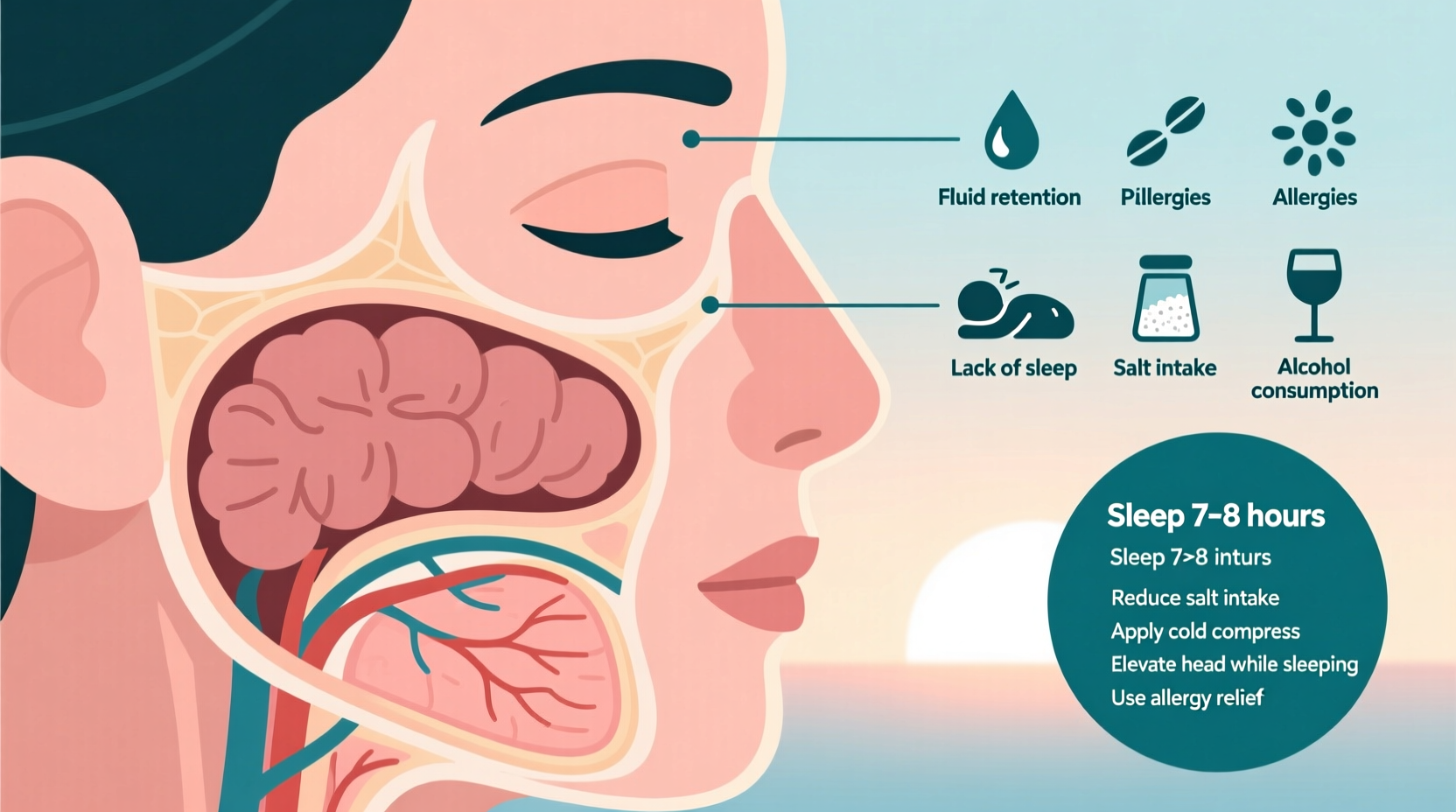
Puffy eyes occur when fluid accumulates in the soft tissues surrounding the eyes. This condition, known medically as periorbital edema, often worsens after lying down for several hours. Gravity plays a key role: while upright during the day, excess fluid tends to pool in the lower extremities. But when lying flat at night, fluid redistributes more evenly across the body—including the face. Because the eyelid skin is so delicate, even minor fluid shifts become noticeable upon waking.
Additionally, nighttime metabolic processes slow down, including lymphatic drainage—the system responsible for removing waste and excess fluid from tissues. Reduced circulation during sleep means slower clearance of fluids, contributing to temporary swelling. In most cases, this resolves within an hour or two of being awake and upright. However, if puffiness lingers, worsens, or is accompanied by redness, pain, or vision changes, it may signal a deeper issue requiring medical evaluation.
Common Causes of Morning Eye Puffiness
Several interrelated factors influence whether you wake up with swollen eyes. Some are behavioral and easily adjustable; others may point to underlying physiological conditions.
Dietary Influences
Sodium intake is one of the most significant contributors to facial puffiness. Consuming high-salt foods—such as processed snacks, canned soups, or fast food—causes the body to retain water. When sodium levels rise, cells absorb more fluid to maintain electrolyte balance, leading to generalized bloating and localized swelling under the eyes.
Alcohol consumption also promotes puffiness. It dehydrates the body and dilates blood vessels, increasing leakage of fluid into surrounding tissues. Even moderate drinking the night before can result in noticeable eye swelling the next morning.
Fluid Retention and Hormonal Changes
Women may notice increased puffiness during certain phases of their menstrual cycle, pregnancy, or menopause due to hormonal fluctuations. Estrogen and progesterone affect fluid regulation, and imbalances can lead to temporary water retention. Similarly, corticosteroids and other medications that alter hormone levels may have similar effects.
Allergies and Irritation
Allergic reactions—whether seasonal (like hay fever) or triggered by cosmetics, dust mites, or pet dander—can cause chronic eye puffiness. Histamine release leads to inflammation, itching, and swelling. Rubbing the eyes worsens the condition by further irritating sensitive tissue and increasing local blood flow.
“Chronic eye puffiness in allergy sufferers often goes untreated because patients mistake it for fatigue or aging.” — Dr. Lena Patel, Ophthalmologist and Allergy Specialist
Lifestyle Habits
Poor sleep hygiene contributes significantly. Both insufficient sleep and oversleeping disrupt normal fluid balance. Sleeping on your stomach increases pressure on the face, encouraging fluid to pool around the eyes. Additionally, lack of movement during prolonged rest reduces lymphatic drainage efficiency.
Aging and Skin Changes
As we age, the muscles and connective tissues supporting the eyelids weaken. Fat that normally cushions the eyeball can shift forward into the lower lid area, creating a puffy appearance. This structural change is natural but can be exacerbated by sun exposure, smoking, and dehydration.
Do’s and Don’ts: Managing Puffy Eyes
| Do | Don't |
|---|---|
| Drink plenty of water to flush out excess sodium | Consume salty foods close to bedtime |
| Sleep with your head slightly elevated using an extra pillow | Sleep on your stomach |
| Use cold compresses or chilled spoons in the morning | Rub or tug at puffy areas |
| Cleanse makeup thoroughly before bed | Leave eye makeup on overnight |
| Apply eye creams containing caffeine or peptides | Overuse decongestant eye drops without medical advice |
Effective Remedies You Can Try Today
Many home-based solutions offer quick relief from mild puffiness. These remedies work by constricting blood vessels, improving circulation, or reducing localized inflammation.
1. Cold Therapy
Applying something cold to the eyes causes vasoconstriction—narrowing of blood vessels—which reduces swelling and numbs any discomfort. Common options include:
- Chilled metal spoons placed over closed eyes for 5–10 minutes
- A cold washcloth soaked in water and wrung out
- Frozen peas wrapped in a thin towel (reusable and moldable)
- Refrigerated gel eye masks
2. Cucumber Slices and Tea Bags
Cucumbers contain antioxidants and flavonoids that reduce inflammation and soothe irritated skin. Their high water content also provides a cooling effect. Place chilled slices over each eye for 10–15 minutes.
Green or black tea bags (used and cooled) are another effective remedy. They contain tannins and caffeine, which help tighten skin and draw out excess fluid. Brew two bags, chill them, then place one over each eye for 10 minutes.
3. Gentle Lymphatic Massage
This technique encourages fluid drainage from the eye area toward the lymph nodes near the ears and jawline. Use your ring finger (it applies the least pressure), and follow this sequence:
- Start at the inner corner of the eye, just beside the nose.
- Press lightly and move outward along the orbital bone beneath the eye. <3>Continue past the outer corner and up toward the temple.
- Then sweep down behind the ear and along the side of the neck.
When to See a Doctor: Red Flags
While occasional puffiness is normal, certain symptoms warrant medical attention:
- Swelling in both upper and lower eyelids—could indicate systemic issues like kidney dysfunction or thyroid disease.
- Persistent puffiness lasting beyond midday—suggests chronic fluid retention or allergies.
- Redness, warmth, or pain—signs of infection such as blepharitis or cellulitis.
- Vision changes or bulging eyes—possible indicators of Graves’ disease or orbital tumors.
- One-sided swelling that worsens—may point to localized infection or cysts.
For example, Sarah, a 34-year-old teacher, noticed her morning puffiness wasn’t going away—even after cutting salt and improving sleep. She also felt fatigued and cold frequently. Her doctor tested her thyroid function and diagnosed hypothyroidism. With proper treatment, her energy returned and the eye swelling resolved within weeks. This case highlights how seemingly cosmetic concerns can reflect broader health patterns.
Prevention Checklist: Daily Habits for Clearer Eyes
Consistency matters more than quick fixes. Incorporate these actions into your routine to prevent puffiness long-term:
- ✅ Limit sodium intake, especially in evening meals
- ✅ Stay hydrated throughout the day (aim for 2–2.5 liters of water)
- ✅ Avoid alcohol and excessive caffeine before bedtime
- ✅ Remove all eye makeup before sleeping
- ✅ Sleep on your back with head elevated
- ✅ Wash bedding weekly to reduce allergen buildup
- ✅ Use hypoallergenic skincare and makeup products
- ✅ Apply eye cream with ingredients like hyaluronic acid, caffeine, or niacinamide
- ✅ Manage seasonal allergies with antihistamines if needed
- ✅ Get 7–8 hours of quality sleep consistently
FAQ: Your Puffy Eye Questions Answered
Can drinking more water really help reduce puffy eyes?
Yes. Dehydration signals the body to hold onto water, increasing fluid retention. Drinking adequate water supports kidney function and helps flush out excess sodium, reducing overall bloating—including around the eyes.
Are puffy eyes the same as dark circles?
No. Puffiness refers to swelling or bulging of the eyelid tissue, while dark circles are discoloration caused by thinning skin, pigmentation, or shadowing from volume loss. However, they often occur together and can be mistaken for one another.
Is it safe to use eye creams every day?
Most eye creams are formulated for daily use, especially those free from fragrances and irritants. Start slowly to ensure no allergic reaction occurs. Look for products with proven ingredients like peptides, ceramides, or low-concentration caffeine.
Conclusion: Take Control of Morning Puffiness
Waking up with puffy eyes doesn’t have to be a daily struggle. By identifying personal triggers—whether dietary, environmental, or related to sleep posture—you can take meaningful steps toward clearer, refreshed-looking eyes. Simple changes like adjusting your pillow height, reducing evening salt intake, or using a cold compress can yield visible improvements within days. For persistent cases, don’t hesitate to consult a healthcare provider to rule out underlying conditions. Eye puffiness may seem minor, but addressing it reflects a deeper commitment to holistic wellness—from what you eat to how you rest.




 浙公网安备
33010002000092号
浙公网安备
33010002000092号 浙B2-20120091-4
Comments
No comments yet. Why don't you start the discussion?