
Waking up to puffy, swollen eyes is a common morning frustration. While it’s rarely a sign of serious illness, persistent puffiness can affect your appearance, confidence, and even your vision if severe. The causes range from harmless fluid accumulation due to gravity during sleep to deeper issues like allergies, diet, or poor sleep quality. The good news? Most cases respond well to simple, sustainable lifestyle changes. Understanding the root causes and applying targeted adjustments can significantly reduce—or even eliminate—morning eye puffiness.
The Science Behind Morning Eye Puffiness
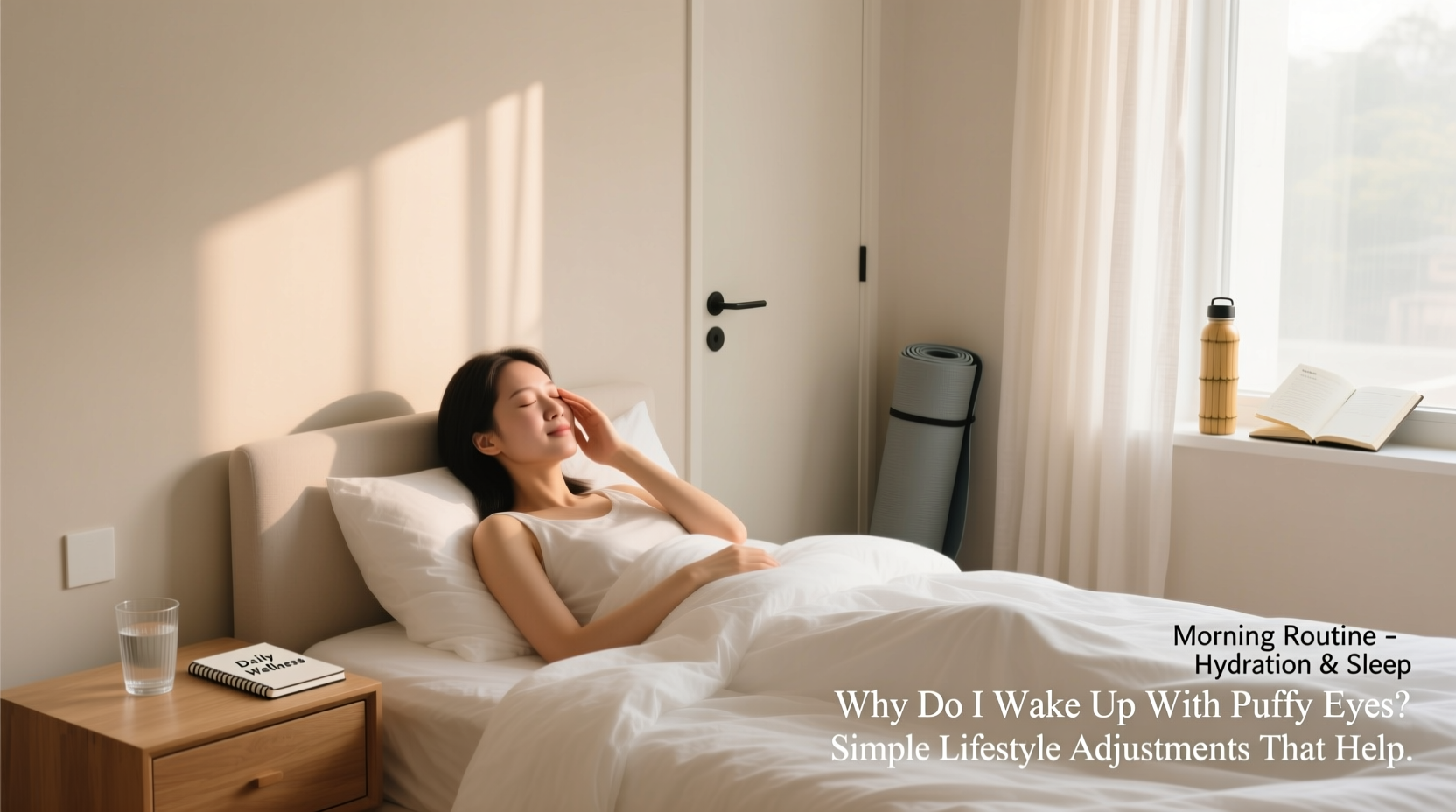
The skin around the eyes is the thinnest on the body—only about 0.5 millimeters thick. This makes it highly susceptible to visible swelling when fluids accumulate. During sleep, especially if you lie flat, gravity encourages fluid to pool in the lower eyelids. This natural process is usually temporary and resolves within an hour of waking. However, when puffiness persists or worsens over time, it often points to underlying lifestyle or health factors.
Several physiological mechanisms contribute to under-eye swelling:
- Fluid retention: High sodium intake, hormonal fluctuations, and dehydration can cause the body to hold onto water, which migrates to the face overnight.
- Poor lymphatic drainage: The lymph system helps remove excess fluid; when sluggish due to lack of movement or poor circulation, fluid builds up around the eyes.
- Allergies: Histamine release from allergens like dust mites or pet dander triggers inflammation and swelling.
- Aging: As collagen and elastin decline, skin loses firmness, making puffiness more noticeable.
- Lack of sleep: Sleep deprivation increases cortisol levels, promoting inflammation and fluid retention.
“Morning eye puffiness is often a reflection of overall hydration, sleep quality, and inflammatory load—not just a cosmetic issue.” — Dr. Lena Torres, Board-Certified Dermatologist
Simple Lifestyle Adjustments That Make a Difference
You don’t need expensive creams or treatments to combat puffy eyes. Often, small but consistent changes in daily habits yield dramatic improvements. Here are five evidence-backed adjustments that target the most common causes.
1. Reduce Sodium Intake Before Bed
Consuming high-sodium foods—especially in the evening—can lead to overnight water retention. Processed snacks, canned soups, and restaurant meals are common culprits.
2. Elevate Your Head While Sleeping
Sleeping flat allows fluid to settle in the facial tissues. Slightly elevating your head promotes better drainage.
Use an extra pillow or consider an adjustable bed base set at a 20–30 degree angle. Even a small elevation can prevent fluid pooling without compromising spinal alignment.
3. Stay Consistently Hydrated
Dehydration tricks the body into holding onto water. When you’re not drinking enough, your kidneys conserve fluid, leading to bloating—including around the eyes.
Aim for 2–2.5 liters of water daily, spaced evenly throughout the day. Avoid chugging large amounts right before bed to prevent nighttime bathroom trips and potential fluid shift.
4. Limit Alcohol and Caffeine in the Evening
Alcohol is dehydrating and dilates blood vessels, increasing leakage of fluid into surrounding tissues. Caffeine, while a diuretic, can disrupt sleep if consumed too late, indirectly contributing to puffiness.
Try cutting off alcohol after 7 PM and switching to herbal tea (like chamomile or rooibos) in the evening.
5. Practice Allergy Management
If you rub your eyes upon waking or notice puffiness alongside sneezing or nasal congestion, allergies may be the trigger. Dust mites in bedding are a frequent offender.
Wash pillowcases weekly in hot water, use hypoallergenic pillow covers, and keep windows closed during high pollen seasons. An air purifier in the bedroom can also reduce airborne allergens.
Daily Routine Checklist for Puffy Eyes Prevention
Consistency is key. Incorporate these actions into your daily rhythm for lasting results.
- ✔️ Drink at least 2 liters of water between 7 AM and 7 PM
- ✔️ Avoid salty processed foods after 6 PM
- ✔️ Use a second pillow or wedge to elevate your head at night
- ✔️ Wash face and remove makeup before bed
- ✔️ Change pillowcase twice a week (or use silk/satin)
- ✔️ Apply a cool compress for 5 minutes upon waking
- ✔️ Limit alcohol to 1–2 drinks, and avoid within 3 hours of bedtime
- ✔️ Keep bedroom humidity between 40–60% with a humidifier if needed
What You Should Avoid: Common Mistakes That Worsen Puffiness
Some habits seem harmless but actually aggravate under-eye swelling. Recognizing and correcting these can accelerate improvement.
| Do’s | Don’ts |
|---|---|
| Drink herbal teas like dandelion or green tea (natural diuretics) | Consume energy drinks or soda high in sodium and sugar |
| Sleep on a silk pillowcase (reduces friction and fluid retention) | Use cotton pillowcases that absorb moisture and irritate delicate skin |
| Cool the eye area with refrigerated spoons or chilled cucumber slices | Rub or press on puffy eyes—this can damage capillaries and worsen swelling |
| Apply eye cream with caffeine or peptides in the morning | Overuse decongestant eye drops—they can cause rebound redness and dryness |
| Get 7–9 hours of uninterrupted sleep | Stay up late scrolling on bright screens—blue light disrupts melatonin and sleep quality |
Real-Life Example: How Sarah Reduced Her Morning Puffiness in Two Weeks
Sarah, a 34-year-old graphic designer, struggled with chronic puffy eyes despite using expensive eye creams. She often worked late, drank coffee until 6 PM, and ate takeout dinners high in sodium. After tracking her habits for a week, she identified three key issues: dehydration, elevated salt intake, and sleeping flat.
She made the following changes:
- Switched from soda to infused water with lemon and cucumber.
- Started cooking low-sodium meals at home three times a week.
- Bought a supportive wedge pillow to elevate her head.
- Set a phone reminder to stop caffeine by 2 PM.
Within ten days, Sarah noticed her eyes looked brighter and less swollen. By day 14, coworkers commented on how “well-rested” she appeared—even though her workload hadn’t changed. The transformation wasn’t due to a miracle product, but to consistent, manageable lifestyle tweaks.
Step-by-Step Guide to a Puffiness-Reducing Evening Routine
Follow this practical timeline each night to support healthier fluid balance and reduce morning puffiness.
- 6:00 PM – Last intake of caffeine
Switch to non-caffeinated beverages. Herbal teas like passionflower or valerian root can promote relaxation. - 7:00 PM – Finish salty foods
Avoid processed snacks, soy sauce, and cured meats. Opt for grilled fish, steamed vegetables, and quinoa instead. - 8:30 PM – Hydrate strategically
Drink one glass of water, then limit further intake to small sips only if thirsty. This prevents nighttime urination and fluid redistribution. - 9:00 PM – Skincare prep
Cleanse face gently. Apply a lightweight eye serum with hyaluronic acid or niacinamide. Avoid heavy creams that can migrate into the eye area. - 9:30 PM – Bedroom environment check
Ensure room temperature is cool (65–68°F), humidity is balanced, and bedding is clean. Consider running an air purifier. - 10:00 PM – Elevate and relax
Get into bed with head slightly elevated. Practice 5 minutes of deep breathing or gentle facial massage to stimulate lymph flow. - Morning: Immediate care
Upon waking, place two chilled metal spoons over closed eyes for 5 minutes. Splash face with cool water. Avoid rubbing.
Frequently Asked Questions
Is it normal to have puffy eyes every morning?
Occasional puffiness is normal, especially after a late night or high-sodium meal. However, daily, persistent swelling may indicate poor sleep, dehydration, allergies, or kidney-related fluid retention. If puffiness is accompanied by dark circles, pain, or vision changes, consult a healthcare provider.
Can lack of sleep really cause puffy eyes?
Yes. Poor sleep increases cortisol and inflammatory markers, both of which contribute to fluid retention and weakened skin barrier function. Chronic sleep deprivation also reduces collagen production, making puffiness more pronounced over time.
Are there medical conditions linked to chronic eye puffiness?
Yes. Conditions like hypothyroidism, kidney disease, and chronic sinusitis can manifest as persistent under-eye swelling. If lifestyle changes don’t improve the condition within 3–4 weeks, or if puffiness spreads to other areas (like legs or hands), seek medical evaluation.
Conclusion: Small Changes, Clear Results
Puffy eyes in the morning are more than a cosmetic concern—they’re a signal from your body about hydration, sleep quality, and overall wellness. Rather than masking the symptom with cold compresses alone, address the root causes through intentional daily habits. Reducing sodium, improving sleep posture, staying hydrated, and managing allergens are simple yet powerful strategies anyone can adopt.
Like Sarah’s experience shows, real change doesn’t require drastic measures. It comes from consistency, awareness, and treating your body with the care it deserves. Start tonight. Choose one habit from the checklist, stick with it for a week, and observe the difference. Your eyes—and your health—will thank you.




 浙公网安备
33010002000092号
浙公网安备
33010002000092号 浙B2-20120091-4
Comments
No comments yet. Why don't you start the discussion?