
For many introverts, anime is more than entertainment—it's a mirror. Beneath the vibrant animation and dramatic storylines lies a quiet resonance that speaks directly to those who think deeply, feel intensely, and often navigate life from the sidelines. While extroverted characters dominate mainstream media, anime offers a rich tapestry of introspective protagonists and emotionally complex side characters who embody the internal world introverts know so well. It’s not just about escapism; it’s about recognition. When an introvert watches a character like Shigeo \"Mob\" Kageyama from *Mob Psycho 100* or Hachiman Hikigaya from *My Teen Romantic Comedy SNAFU*, they don’t just see a fictional figure—they see parts of themselves.
This connection isn't accidental. Many anime creators craft characters with layered personalities, social anxieties, moral dilemmas, and silent resilience—traits that align closely with the introverted experience. These characters often process the world internally before acting, value meaningful over superficial interactions, and struggle with loneliness even in crowds. For introverts, seeing such depth portrayed with empathy and nuance can be profoundly validating.
The Psychology Behind Emotional Resonance
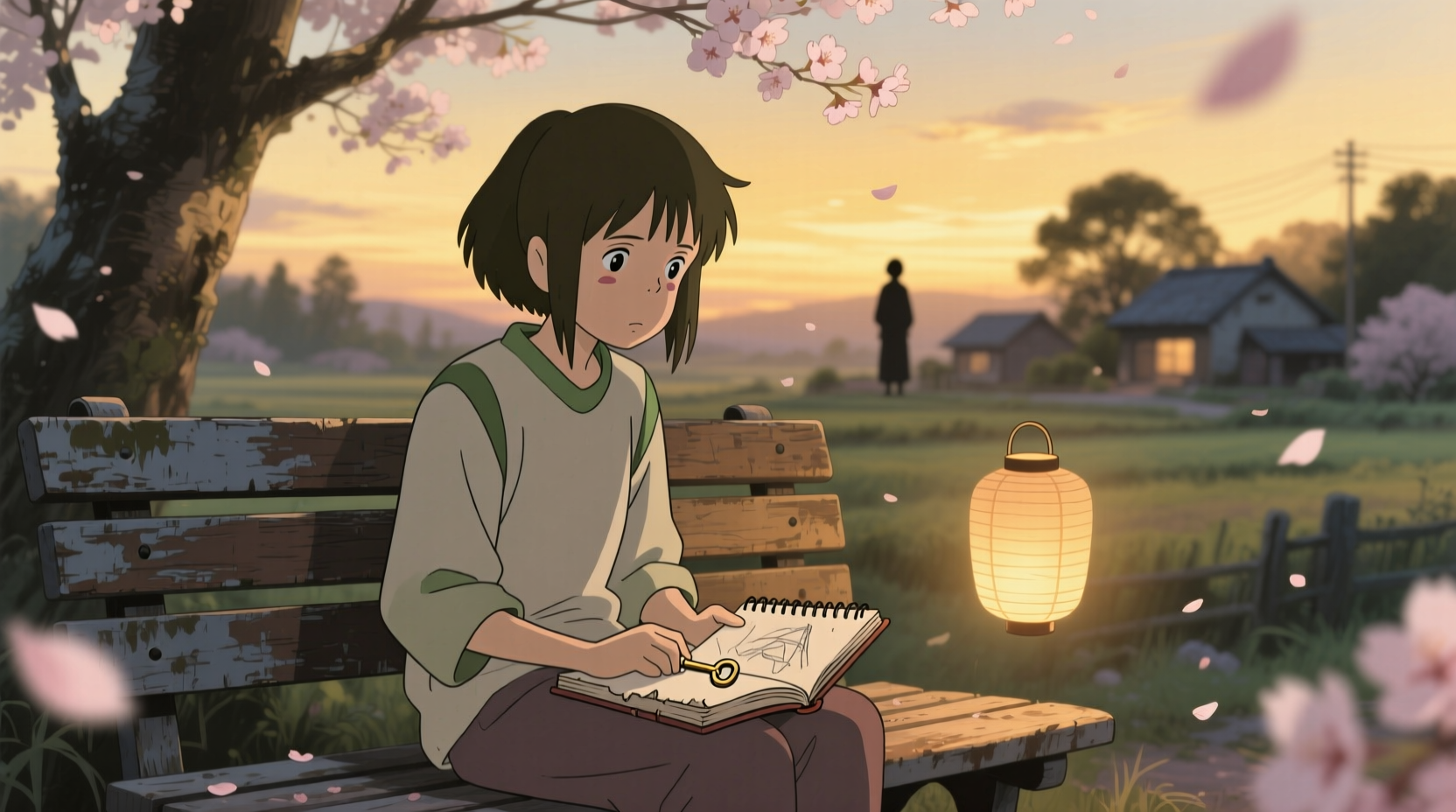
Introversion, as defined by Carl Jung and later expanded by modern psychology, is not merely about shyness or social withdrawal. It refers to a cognitive preference for internal processing, deep focus, and meaningful engagement. Introverts often recharge through solitude and are highly attuned to their inner emotional landscapes. When anime characters exhibit similar traits—thoughtfulness, self-reflection, sensitivity to injustice, or discomfort in large groups—introverts instinctively identify with them.
Dr. Jennifer Grimes, a psychologist specializing in personality and media consumption, explains:
“Media that portrays internal conflict and emotional complexity allows viewers high in introversion to engage in what we call ‘narrative absorption.’ They don’t just watch the story—they live it from within, because the character’s thought process mirrors their own.” — Dr. Jennifer Grimes, Personality & Media Researcher
This kind of identification goes beyond simple relatability. It creates a sense of companionship. In a world where introverts may feel misunderstood or pressured to conform to extroverted norms, seeing a character articulate unspoken feelings—like Hachiman’s cynical yet insightful monologues—can feel like finally being heard.
Common Traits That Foster Deep Connection
Several recurring character archetypes in anime resonate particularly strongly with introverted audiences. These aren’t always the loudest or most heroic figures, but often the ones who carry quiet strength, intellectual depth, or emotional vulnerability.
- The Observer: Characters like Light Yagami (*Death Note*) or Rei Ayanami (*Neon Genesis Evangelion*) operate from a place of detachment and analysis. They watch, calculate, and act only when necessary—much like introverts who prefer to assess situations before engaging.
- The Overthinker: Hachiman Hikigaya constantly dissects social dynamics, questioning authenticity and human behavior. His internal narration reflects the relentless self-analysis common among introverts.
- The Quiet Protector: Mob from *Mob Psycho 100* suppresses his overwhelming power to avoid conflict and maintain humility. His desire to improve himself without seeking recognition mirrors the introvert’s tendency to act with integrity rather than for praise.
- The Creative Isolate: Characters like Violet Evergarden or Kaori Miyazono (*Your Lie in April*) channel intense emotion into art or music. Their communication is often nonverbal, relying on expression through creation—a hallmark of many introverted artists.
These characters don’t just reflect introverted tendencies—they elevate them. Their strengths lie in introspection, empathy, and perseverance, not charisma or dominance. For introverts, this reframing of quietness as power is both affirming and inspiring.
Why Solitude in Anime Feels Like Home
One of the most powerful themes in anime loved by introverts is the portrayal of solitude—not as loneliness, but as a space for growth. Scenes of characters sitting alone on rooftops, walking through rain-soaked streets, or reading under trees are common. These moments aren’t filler; they’re narrative anchors that emphasize reflection, healing, and clarity.
Consider *Clannad*'s Okazaki Tomoya, whose journey begins in emotional isolation after family trauma. As the story unfolds, his quiet moments of contemplation—often accompanied by minimal dialogue and evocative music—allow viewers to sit with him in silence. For introverts, these scenes aren’t boring; they’re immersive. They replicate the comfort of being alone with one’s thoughts, a state often dismissed in extrovert-centric cultures.
Anime also normalizes the idea that meaningful change comes from within. Unlike action films where transformation happens through external triumph, anime frequently shows growth emerging from internal reckoning. This resonates with introverts, who often believe real change starts with self-awareness.
Table: Introvert-Friendly Anime Characters and Their Core Traits
| Character | Anime | Key Introverted Traits | Why Introverts Relate |
|---|---|---|---|
| Hachiman Hikigaya | My Teen Romantic Comedy SNAFU | Cynical observer, deep thinker, socially withdrawn | Articulates the pain of miscommunication and yearning for authenticity |
| Mob (Shigeo Kageyama) | Mob Psycho 100 | Emotionally restrained, humble, empathetic | Shows strength in self-control and emotional maturity over power |
| Violet Evergarden | Violet Evergarden | Emotionally distant, seeks understanding through writing | Represents the introvert’s journey to express feelings indirectly |
| Rei Ayanami | Neon Genesis Evangelion | Detached, introspective, identity exploration | Embodies existential questioning and emotional numbness |
| Spike Spiegel | Cowboy Bebop | Philosophical, solitary, haunted by the past | Lives with quiet melancholy and unresolved history |
The Role of Emotional Safety in Fictional Bonds
Real-world social interactions can be draining or anxiety-inducing for introverts. Misunderstandings, small talk, and pressure to perform sociably often lead to emotional exhaustion. In contrast, fictional characters offer a safe space for emotional investment without risk.
You can love a character like Kurisu Makise (*Steins;Gate*) for her intelligence and guarded warmth without fear of rejection. You can admire Lain Iwakura (*Serial Experiments Lain*) for her exploration of identity in digital spaces without needing to explain your fascination to anyone. These one-sided relationships provide emotional fulfillment without the fatigue of reciprocity.
A mini case study illustrates this:
Mini Case Study: Alex, 24, Software Developer
Alex describes himself as “quiet to the point of invisibility” at work. He avoids team lunches and rarely speaks in meetings. But at home, he re-watches *March Comes in Like a Lion* repeatedly. The protagonist, Rei Kiriyama, is a young professional shogi player battling depression, isolation, and grief. Alex says, “I don’t cry during sad movies. But when Rei finally breaks down and accepts help from the Kawamoto sisters, I sob every time. It’s like someone finally saw how hard it is to keep going when you feel empty inside.”
For Alex, Rei isn’t just a character—he’s a companion. The anime doesn’t demand anything from him. It simply acknowledges his pain and offers hope without judgment. This kind of emotional safety is rare in real life but abundant in well-written anime narratives.
How to Leverage This Connection for Personal Growth
Recognizing why you connect with certain anime characters can be the first step toward greater self-understanding. These fictional figures often highlight aspects of your personality that you may overlook or undervalue. Use this insight intentionally.
Step-by-Step Guide: Turning Character Identification into Self-Discovery
- Identify Your Most Resonant Characters: List 2–3 anime characters you feel unusually attached to. Write down what you admire or relate to in them.
- Analyze Their Core Struggles: Are they dealing with isolation? Identity? Fear of connection? Map these onto your own experiences.
- Reflect on Their Growth Arcs: How do they change? What choices lead to transformation? Consider how similar steps might apply to your life.
- Journal About Parallels: Write a letter from your favorite character to you, offering advice. Then write back as yourself.
- Apply One Insight: Choose one trait you admire—like Mob’s humility or Hachiman’s honesty—and practice expressing it in real life this week.
Checklist: Signs You Deeply Connect with an Introverted Anime Character
- ✅ You re-watch their scenes repeatedly
- ✅ You quote their lines in personal journals or messages
- ✅ You feel protective of them, even knowing they’re fictional
- ✅ Their struggles mirror your internal conflicts
- ✅ You’ve learned something about yourself through their journey
- ✅ You feel a sense of loss when the series ends
Frequently Asked Questions
Is it unhealthy to feel so connected to fictional characters?
Not necessarily. Strong emotional connections to fictional figures are common, especially among reflective individuals. As long as these connections enhance your self-awareness and don’t replace real-world relationships entirely, they can be psychologically beneficial. They serve as tools for empathy, insight, and emotional regulation.
Why do so many anime protagonists seem introverted?
Japanese storytelling often emphasizes introspection, subtlety, and emotional restraint—values aligned with introverted traits. Additionally, anime thrives on internal conflict and character development, which are naturally suited to quieter, thoughtful protagonists. Cultural norms in Japan also place less emphasis on overt expressiveness, making introverted heroes more authentic and relatable within the medium.
Can connecting with anime characters help with social anxiety?
Indirectly, yes. Watching characters navigate social challenges, express vulnerability, or build meaningful relationships can model healthy behaviors. It can also reduce feelings of isolation by reinforcing that others—even fictional ones—share similar fears. However, it should complement, not replace, real-world support or therapy when needed.
Conclusion: Embrace the Mirror
The bond between introverts and certain anime characters is not a quirk—it’s a testament to the power of storytelling. These characters act as mirrors, reflecting the depth, sensitivity, and resilience that introverts often keep hidden. They validate the quiet mind, honor internal struggle, and celebrate growth that doesn’t require applause.
If you’ve ever felt seen by a character who speaks little but feels deeply, know that you’re not alone. That connection is real, meaningful, and worth exploring. Use it not to retreat further into fiction, but to better understand yourself and, eventually, to engage with the world on your own terms—with clarity, purpose, and quiet confidence.




 浙公网安备
33010002000092号
浙公网安备
33010002000092号 浙B2-20120091-4
Comments
No comments yet. Why don't you start the discussion?